Geomechanics, Streamlined.
© 2026 Geomechanics.io. All rights reserved.
The Environment Agency has submitted a planning application for the Portreath Flood Alleviation Scheme in Cornwall, centred on safeguarding a 95-year-old coastal tunnel that currently conveys storm flows through the village. The scheme is described as a major capital investment to protect homes, businesses and community facilities from coastal and fluvial flooding, following repeated storm damage to Portreath’s seafront infrastructure in recent winters. For geotechnical and civil teams, key issues will include assessing the existing tunnel’s structural condition, lining options and hydraulic capacity under future climate-driven peak flows.
A trackside fire reported and extinguished on Sunday 27 September near Clapham Junction has severely damaged signalling equipment, forcing an “extremely reduced train service” to and from London Victoria until at least 14:00 today. Network Rail signalling and permanent way teams worked overnight to reinstate key interlocking and lineside control circuits to keep a limited number of routes open through one of Europe’s busiest junctions. The incident exposes the vulnerability of legacy lineside signalling assets to localised fire and heat damage, with knock-on impacts on timetable resilience and maintenance planning.
VolkerRail has completed a month-long programme to renew more than 750m of embedded track on the Croydon central tram loop on the London Trams network. Works focused on replacing street-running rail sections set in concrete, requiring staged possessions and traffic management through Croydon town centre to maintain tram and road access. The scheme will be relevant for engineers dealing with embedded grooved rail, slab track detailing, and managing construction interfaces with urban utilities and streetscape.
Closed-door government briefings will be given to chief executives of UK critical national infrastructure operators on what security agencies describe as an elevated Russian threat, including potential cyber and hybrid attacks on energy, water, transport and communications networks. CNI leaders are expected to review physical protection of key assets such as substations, control rooms and data centres, alongside resilience of industrial control systems and SCADA networks. For civil and infrastructure engineers, this signals likely tightening of design, access control and redundancy requirements on new and existing strategic assets.
Neso issued an electricity margin notice (EMN) for the GB grid on 28 September, signalling that forecast supply was close to demand and inviting additional generation onto the system, before cancelling the notice later in the day as conditions eased. EMNs are a formal tool within the Balancing Mechanism, used when operating margins fall below Neso’s predefined security thresholds but before any controlled disconnections are considered. Grid planners, interconnector operators and flexible generators will note the tightness in capacity margins as an operational stress test ahead of peak winter demand.
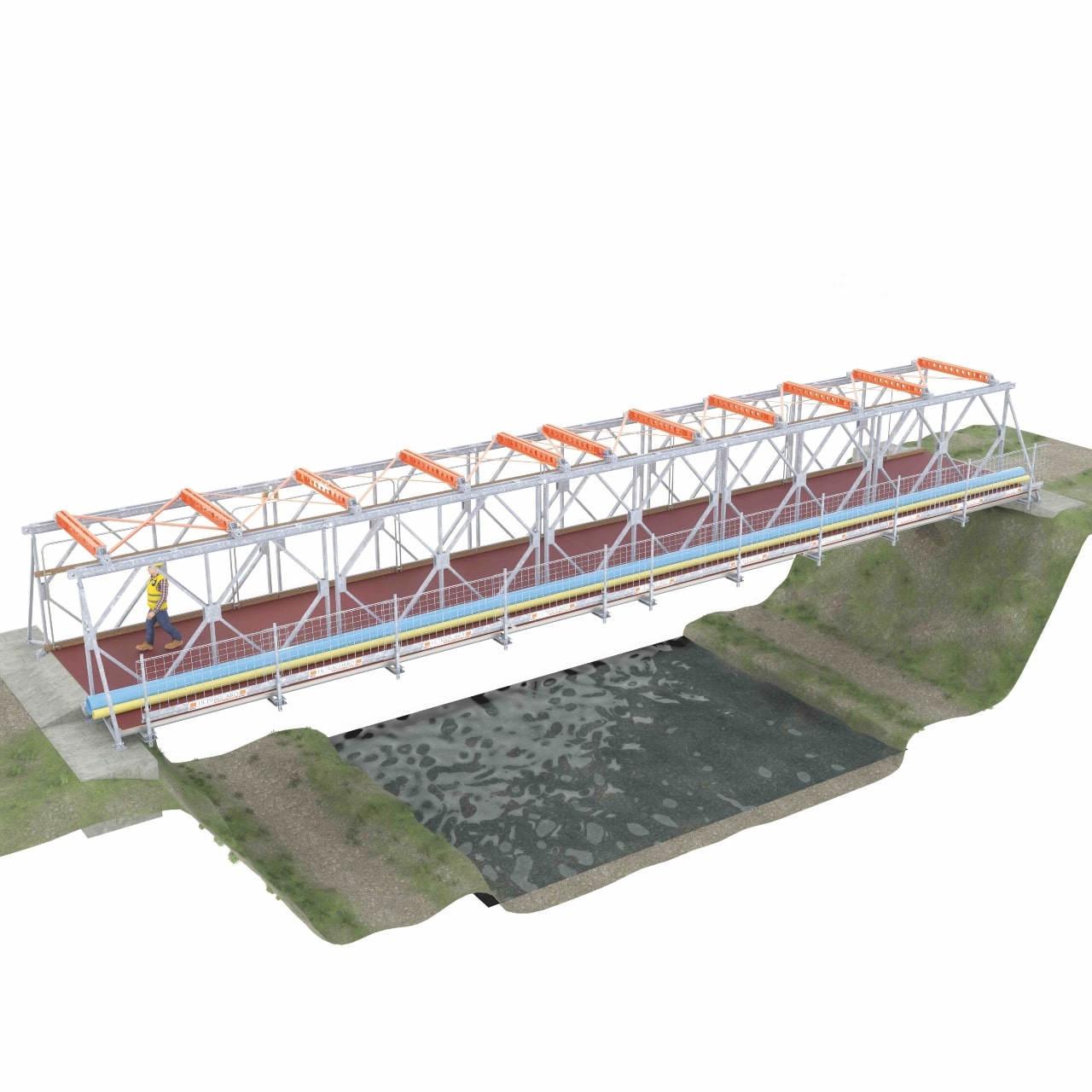
ARMD Australia has launched the R800 Footbridge system, a modular temporary works solution designed to span roads, railways and waterways while keeping traffic and rail operations running during construction. The steel system is supplied in pre-engineered modules for rapid assembly and crane placement, allowing contractors to install pedestrian access over live corridors without full closures or extensive foundations. For temporary works planners, the key shift is a standardised, reusable bridge package that can be redeployed across multiple sites instead of bespoke scaffold or one-off fabricated structures.
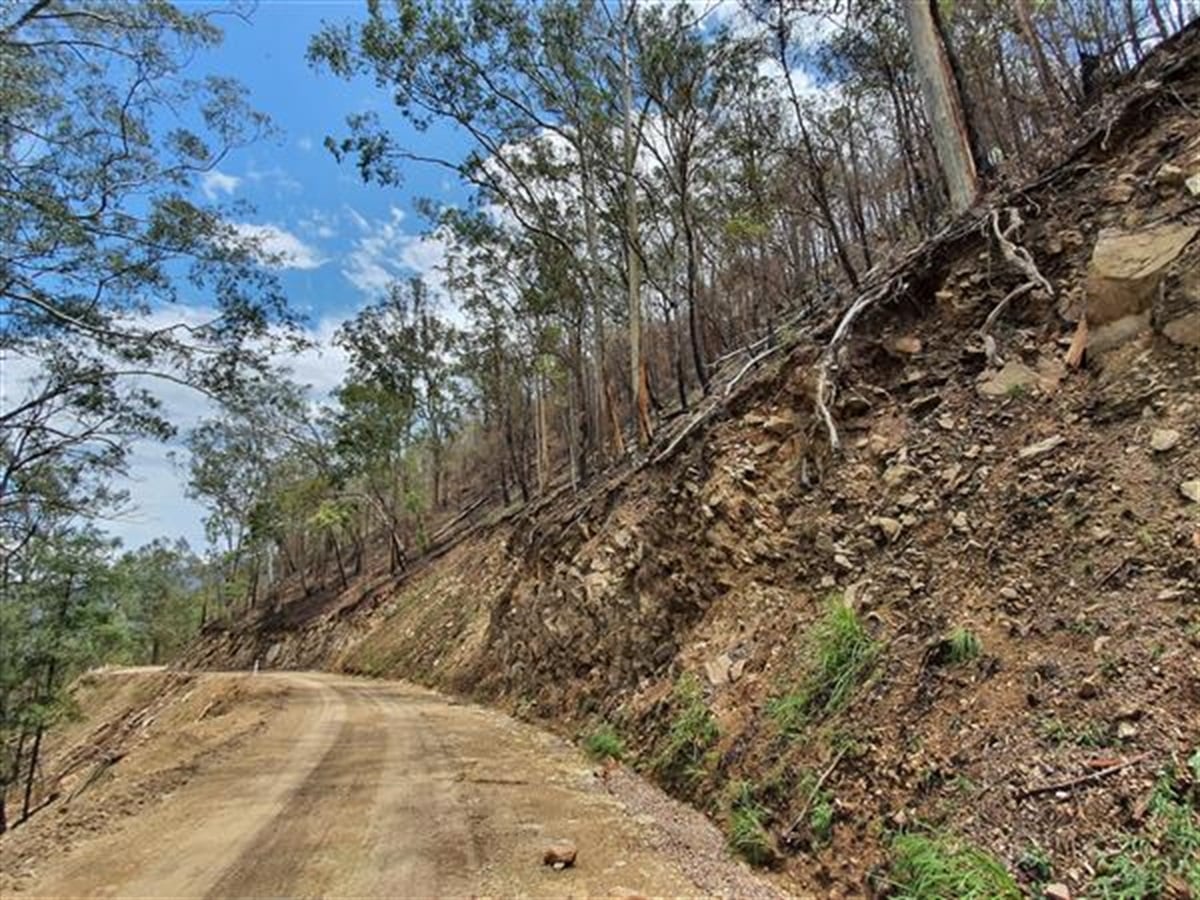
A $319 million contract has been awarded by Armidale Regional Council for the reconstruction of Kempsey–Armidale Road, the largest Essential Public Asset Restoration project yet undertaken in New South Wales. Works will focus on the Big Hill to Blackbird Flat section, where multiple landslips and slope failures have severely damaged the mountain road corridor. Geotechnical design and construction will centre on stabilising slip-prone cuttings and embankments, rebuilding pavement and drainage, and restoring reliable heavy-vehicle access between the coast and Northern Tablelands.
Cottsway Housing Association has renewed its materials supply contract with Travis Perkins Managed Services for a further seven years to 2033, covering repairs and maintenance across more than 7,000 homes in West Oxfordshire, Gloucestershire, Wiltshire and Worcestershire. Materials will continue to be supplied via a dedicated TPMS branch in Witney, a standalone facility staffed by five full-time colleagues serving Cottsway exclusively, supporting predictable lead times and stock control for routine works. Cottsway will also expand use of the TPgo Digital Suite, adopting the TPgo Order app so trades operatives can order, track and collect materials directly.
Arada has lodged its first planning applications for Thameside West with Newham Council, covering 1,500 homes in six dockside buildings as part of a £2.5bn scheme targeting at least 5,000 units on the Royal Docks brownfield site. The initial two buildings are proposed as 100% social rent, including three- and four-bedroom family units, with permeability prioritised through a network of streets, gardens, parks and shared public spaces. Ground-floor frontages to the new park are planned for cafés and restaurants, with Gensler, Arup and Planit shaping architecture, engineering and landscape design.
Huws Gray has added plant and tool hire to its Fleetwood, Lancashire branch, making it the 87th depot in its UK network to offer hire services alongside existing builders’ merchant operations. Contractors can now source excavators, compact plant and branded tools, plus repair and servicing, on a single Huws Gray account rather than using separate local hire firms. The expansion has created three new roles on the 18-strong site and targets a known shortage of tool hire options in the Fleetwood area.
Alumno and main contractor Clark Contracts have topped out Woodlands Point, a six-storey, 262-bed purpose-built student accommodation block on St Georges Road in Glasgow’s west end. The scheme, backed by international private equity real estate firm Henderson Park, combines four- and five-bed cluster flats with studio apartments to address high local student demand near the city centre. Shared facilities include a ground-floor common room, sixth-floor dining, study and lounge spaces, plus landscaped rear courtyard areas intended to integrate the building with the surrounding neighbourhood.
St James Limited, developer of the Corniche residential towers beside Vauxhall Bridge, and window designer Lindner Prater have been fined after a penthouse window fell from height and killed a passer-by. The incident involved a large glazed unit detaching from the upper storeys of the high-rise façade, raising concerns over fixings, installation quality and inspection regimes on complex curtain wall and window systems. The case signals closer scrutiny of façade design responsibility, CDM compliance and maintenance procedures on tall residential schemes in dense urban locations.
Fabrix and Patrizia have appointed McLaren Construction as main contractor for a new purpose-built student accommodation block with additional social housing in Walworth, south London, near Elephant & Castle station. The scheme combines PBSA and affordable units on a constrained urban site, requiring careful interface with existing utilities, adjacent buildings and high-footfall transport links. For civil and structural teams, key issues will include foundation design in dense inner-city ground conditions, construction logistics in tight streets, and acoustic and vibration control from nearby rail and road corridors.
McLaren Construction has been appointed to refurbish and extend the Grade II-listed Devonport House at the University of Greenwich, converting the former hotel into a Stride Treglown-designed teaching hub for Greenwich Business School. Works include retaining heritage elements such as the Churchill Room and two original staircases, replacing a 1990s conference centre with a contemporary wing linked by a glazed atrium, and reconfiguring much of the ground floor for public access. The scheme targets net zero carbon for heating and BREEAM Excellent, with car parking replaced by green corridors, new squares and improved pedestrian routes, aiming to open for the 2028/29 academic year.
Countrywide Surveying Services has added six newly qualified residential surveyors and put 35 trainees through its academy in 2024, responding to a 2026 Skyline “Survey of Surveyors” showing 46% of surveyors expect to leave the profession within 10 years and 62% are already over 50. The firm has 13 more trainees in the pipeline, five women, with almost one in four staff female across field, management and director roles. Training targets candidates from estate agency, domestic energy assessment and lettings, focusing on technical surveying skills, data use and emerging property risk assessment.
A2Dominion has appointed Kelly Harris as operations director for repairs, tasking her with leading the group’s end‑to‑end repairs and maintenance service across its social housing portfolio. With 20 years’ experience in social housing construction, refurbishment, repairs and maintenance, Harris has a record of running large operational teams and delivering safe, high‑quality programmes. Chief repairs officer Drew Warner said her focus on partnership working and continuous improvement will support ongoing efforts to strengthen repair delivery and customer experience.
G F Tomlinson has completed the refurbishment of Chesterfield’s Stephenson Memorial Hall, which will reopen as “1435” in reference to George Stephenson’s 1435mm standard-gauge railway tracks. The project upgrades the combined museum and theatre facility, with works focused on modernising performance and exhibition spaces while retaining the historic building fabric. For civil and structural teams, the scheme signals continued demand for sensitive retrofit of heritage cultural assets rather than full demolition and rebuild.
Dandara Southern has completed 16 Vivid homes at West Wittering, West Sussex, comprising 12 affordable rent units and four shared ownership properties in a mix of one-bedroom flats and two- and three-bedroom houses. All homes use air source heat pumps for space heating and hot water, targeting lower operational energy demand compared with gas boiler equivalents. The scheme forms part of a wider portfolio under which Dandara will deliver a further 56 affordable homes with Vivid at Petersfield and North Mundham.
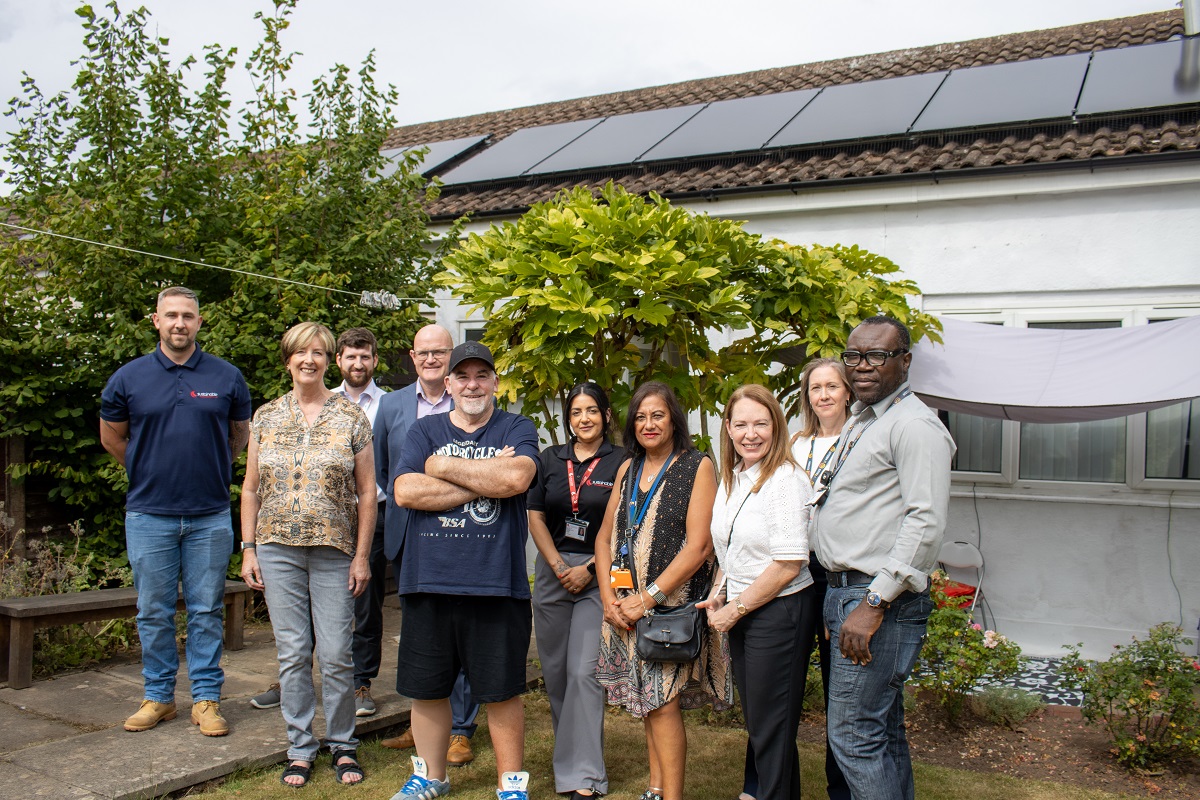
Citizen has completed energy efficiency upgrades to 2,000 Coventry social homes under the Warm Homes: Social Housing Fund Wave Two programme, delivered by contractors Westdale Midlands and Sustainable Building Services. The £67.6m investment targets fabric-first improvements such as insulation and airtightness to cut heat loss and reduce household energy demand. For asset managers and designers, the scale signals accelerating retrofit pipelines and the need to standardise detailing, sequencing and quality control for large multi-contractor housing portfolios.
Associated Asphalt has completed resurfacing a 47-mile (75km) section of the M40 between Warwick and Oxford under UK Highways’ DBFO M40 contract, working alongside National Highways. The summer programme focused on carriageway renewal over this long-distance corridor, requiring tightly sequenced lane closures and night-time working to maintain traffic flow on one of the Midlands–South East strategic freight routes. For pavement and asset managers, the scheme signals ongoing long-term investment in high-volume motorway surfacing performance and lifecycle planning under DBFO arrangements.
An independent wind energy operator has launched a £2.4M crowdfunding bond to repower the single turbine at Faccombe, Hampshire, extending its operational life and boosting local generation capacity. The bond structure targets retail investors via an online platform, with funds earmarked for replacing the existing nacelle and blades with higher-yield equipment on the current tower and foundation. Civil and electrical works will focus on reusing grid connection and access infrastructure, limiting new groundworks and associated planning risk.
Work has begun on the underground power station for Australia’s £6bn Snowy 2.0 pumped hydro scheme, with permanent concrete pours now under way almost 1km below ground in the Snowy Mountains. Crews are preparing to install major generating equipment in the cavern complex, which will house multiple high‑capacity pump‑turbine units linking the Tantangara and Talbingo reservoirs. The phase marks a shift from excavation to heavy civil and electromechanical works, with long-duration access, ventilation and concrete logistics critical at this depth.
Rapidly expanding connectivity in UK critical national infrastructure, coupled with AI‑enabled attackers, is driving what cybersecurity leaders describe as a “rising battlefield” for asset defence. New legislation is pushing operators of energy networks, water treatment works and transport control centres to adopt continuous monitoring, segmented operational technology (OT) networks and incident‑response drills tailored to SCADA and PLC environments. For civil and infrastructure engineers, this means early integration of cyber‑secure architectures into control rooms, sensor networks and remote access systems is becoming as fundamental as structural and geotechnical design.
Balfour Beatty plans to recruit about 2,000 additional UK staff by the end of next year, taking its domestic workforce to roughly 16,000 as major infrastructure programmes accelerate. The expansion is expected to support large rail, highways and energy schemes, where labour availability is already a constraint on delivery and productivity. Contractors and consultants bidding into Balfour Beatty’s supply chain can expect increased demand for site engineers, temporary works designers and specialist subcontractors as workbanks on complex civils projects grow.