Len Smith & Son roof fall: temporary works and HSE lessons for site engineers
Reviewed by Tom Sullivan
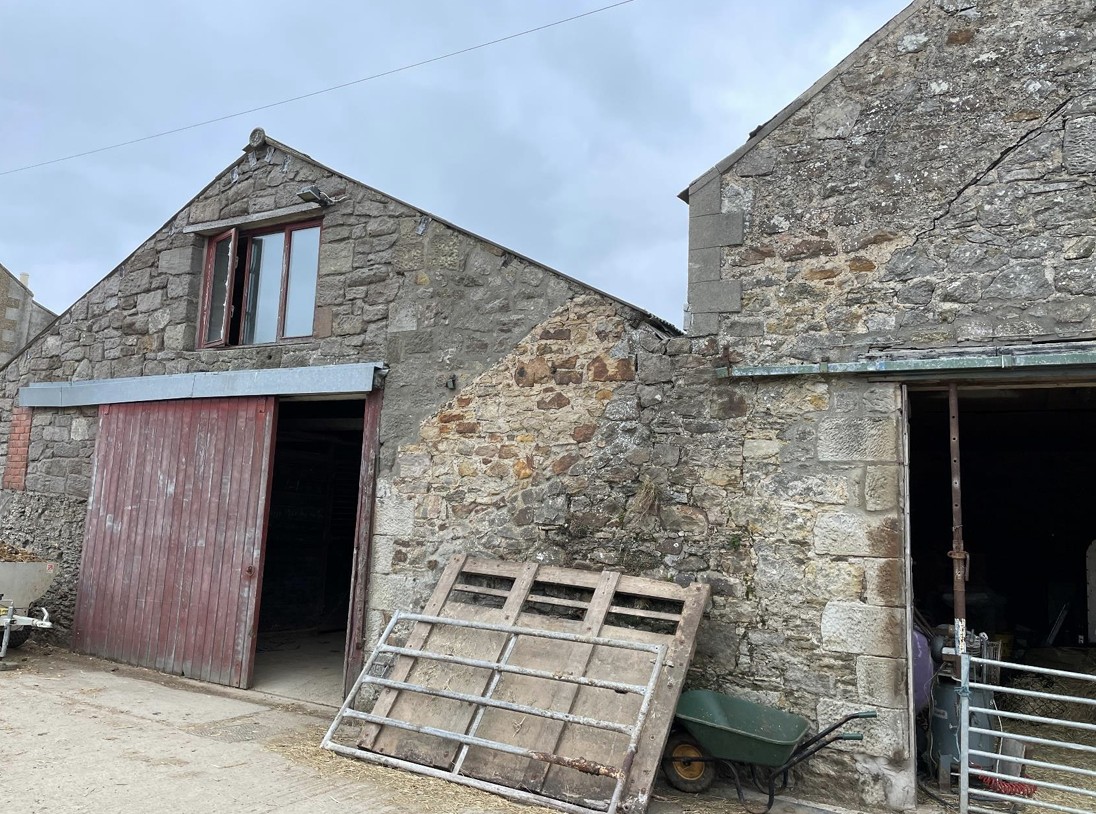
First reported on The Construction Index
30 Second Briefing
Northumberland contractor Len Smith & Son Building Contractors Limited has been fined £20,000 after a bricklayer fell approximately 2.4 m through a fragile roof onto concrete, sustaining two fractured vertebrae. HSE inspectors found there was no safe system of work, with no edge protection, staging, crawling boards or fall-arrest measures in place for accessing the fragile roof surface. The case signals continued regulatory focus on temporary works design and formal method statements for work on fragile roofing elements.
Technical Brief
- Failure mechanism involved direct loading of a fragile roof sheet acting in bending over an unprotected span.
- HSE investigation focused on absence of task-specific risk assessment and documented temporary works / access design.
- Inspectors noted no formal method statement addressing fragile-surface access, load paths, or fall-arrest hierarchy.
- No physical demarcation or signage was installed to identify fragile zones or restrict access routes.
- Edge protection, staging and crawling boards were omitted despite work at height over a hard concrete landing surface.
- Remediation would typically require engineered access platforms, designated load-bearing walkways and collective fall prevention.
Our Take
HSE’s presence here aligns with several other recent prosecutions in our database (Lima Construction, Alchemist DB, Willow Services), signalling that falls from height remain a primary enforcement focus in the UK construction sector rather than isolated incidents.
The serious spinal injuries (two vertebrae broken) in this incident are consistent with other HSE cases where relatively short falls have led to life-changing outcomes, underlining for small contractors that even low-rise roof work demands full edge protection and access planning to avoid disproportionate consequences.
Prepared by collating external sources, AI-assisted tools, and Geomechanics.io’s proprietary mining database, then reviewed for technical accuracy & edited by our geotechnical team.


