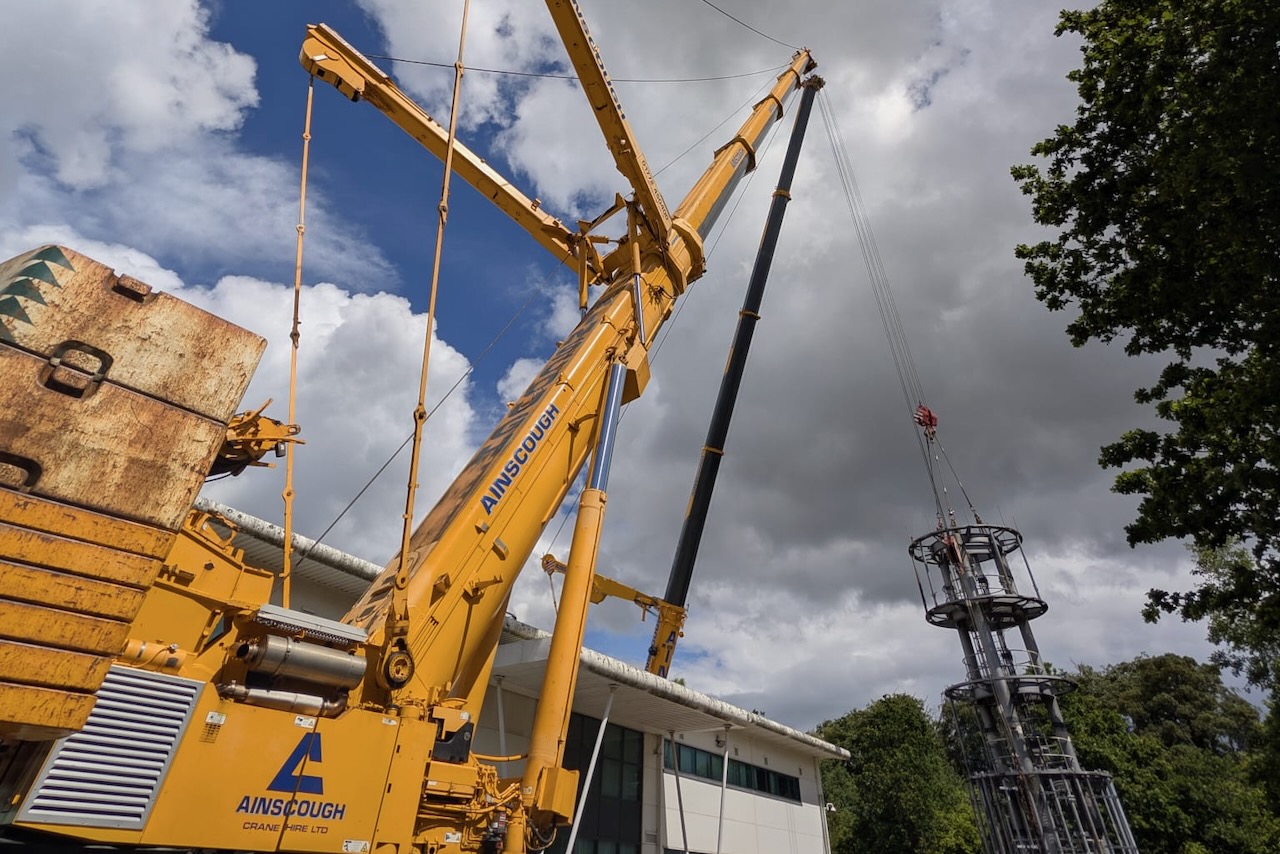
Ainscough Crane Hire has dismantled a 52–53 m, 4 m diameter, ~70 t telecoms mast at a former EE site in Sunderland using a Liebherr LTM1650-8.1 650 t mobile crane as main crane and a Liebherr LTM1500-8.1 500 t unit as tailing crane. Working on an exceptionally confined site with unexpected underground telecoms chambers that invalidated original outrigger positions, the team relied on Liebherr’s VarioBase and VarioBallast systems to reconfigure outrigger spread and ballast radius. The mast was cut and lifted in three ~25 t sections, with detailed lift calculations maintaining 100% safety margins.
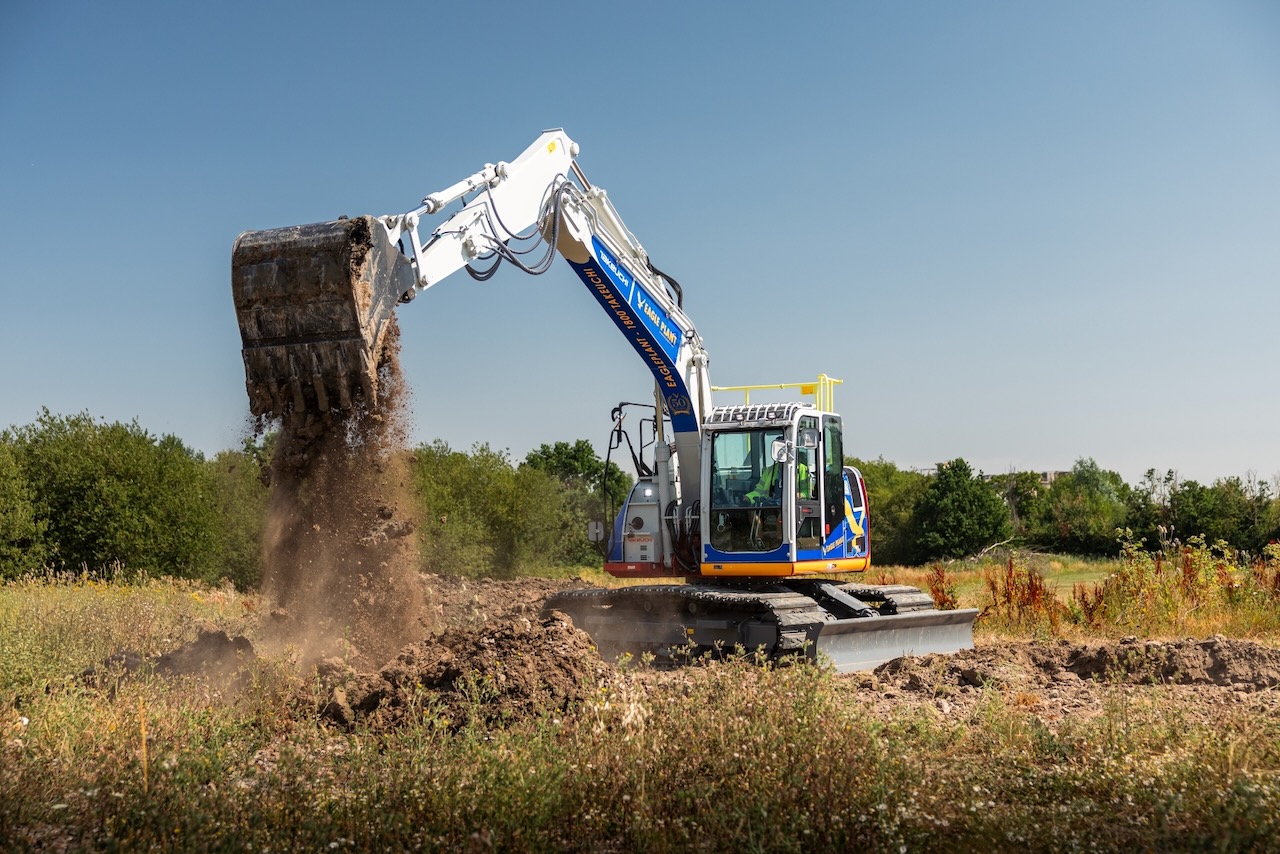
Eagle Plant has added its first 15‑tonne Takeuchi 3‑Series TB3150R excavator, a fixed‑boom, short‑tail model launched at Hillhead, to a UK hire fleet that already includes 600 Takeuchi machines across 23 depots and a cumulative 1,800 units purchased since 1997. The TB3150R is powered by a Yanmar Stage V engine with keyless start and delivers 14% more hydraulic horsepower than the previous TB2150R, improving simultaneous high‑pressure operations. For contractors, the compact 15‑tonne format with higher hydraulic output targets tight urban sites needing heavy digging and lifting capacity.
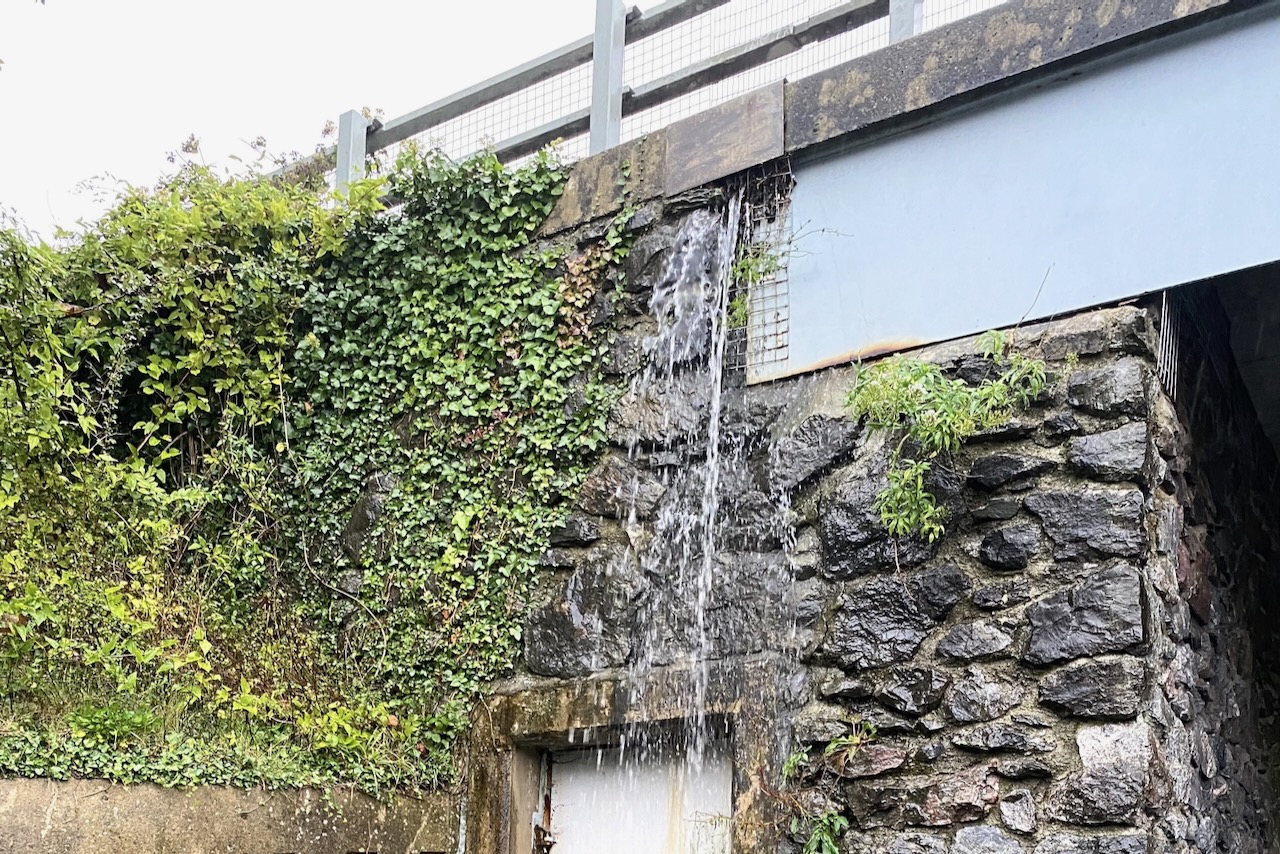
National Highways is investing over £10m in the A38 through Devon to refurbish two ageing viaducts, upgrade pavement layers and improve surface course performance on key dual carriageway sections. Works include new and reprofiled drainage to manage higher-intensity rainfall, plus targeted removal of ash trees affected by dieback to reduce windthrow and root-plate failure risks adjacent to the carriageway. The programme signals sustained structural maintenance on a major south‑west strategic route, with likely phased traffic management and temporary capacity constraints during construction.
Liebherr will return to Vertikal Days on 9–10 September 2026 with a full line-up of mobile cranes, tower crane technologies, component solutions and digital services aimed at lifting and infrastructure contractors. The stand will centre on integrated packages that combine hardware with telematics and planning tools, signalling a push towards more data-driven crane deployment and maintenance. For site engineers, the focus on component division offerings and digital support suggests closer OEM involvement in lifecycle management, from lift planning to condition monitoring.
Lazari has appointed Vert Projects as main contractor for a dMFK-designed refurbishment of the Carreras building at Mornington Crescent, converting the former Carreras Black Cat factory into upgraded office and amenity space with a new 6,458 sq ft reception and lounge and a 5,866 sq ft sixth-floor roof garden. The roof garden will integrate photovoltaic panels, extensive planters, climbers, green walls and a green roof to boost urban greening and biodiversity, while reworking access to connect the structure more directly to the street on all sides. Key design-and-build partners include Gibberd Architects, KPA Electrical, ODH Services, Northvale Construction and Frixos Metalworks, with completion targeted for autumn 2027.
Persimmon has secured Dorset Council approval for 328 “zero‑carbon ready” homes at Chickerell, with 185 units in outline and 143 in detailed consent, including 115 affordable homes for social rent and shared ownership. The scheme incorporates air source heat pumps, roof‑mounted solar panels and EV charging points, and safeguards land for a new primary school plus a new Central Avenue link road to relieve local congestion. Persimmon will also contribute over £2m to local schools, health services, sports pitches, Weymouth Swimming Pool, play facilities and Chesil Beach and Fleet SAC protections.
UK fit-out specialist Structure Tone, part of the US-based STO Building Group, reported gross revenue of £448.8m in 2025, almost triple the £157m recorded the previous year. Profit before tax rose to £12.6m from £1.7m in 2024, signalling a sharp improvement in project margins and workload. For contractors and consultants in commercial interiors and refurbishment, the figures point to strong demand in high-spec office and data-centre fit-outs, with potential pressure on supply chains and specialist trades.
JCB’s Hydromax hydrogen car has set a new FIA world land speed record on the Bonneville Salt Flats, averaging 406.320 mph over two runs (400.623 mph and 412.135 mph) and eclipsing the previous hydrogen internal combustion mark of 185.5 mph set by BMW’s H2R in 2004. The 32‑foot, twin‑engined vehicle uses two production‑based JCB hydrogen digger engines from Foston, Derbyshire, delivering a combined 1,600 bhp and also surpassing the 350.092 mph diesel record of JCB Dieselmax from 2006. For plant and civil contractors, the run provides a high‑load, high‑speed proof of concept for hydrogen ICE powertrains already deployed in JCB construction equipment.
Apprentice enrolments at the Thermal Insulation Contractors Association’s National Training Centre in Darlington have risen to 199 in the current academic year, up from 130 last year and 80 in 2021/22, prompting a further expansion of facilities. TICA has reconfigured part of the building to add a larger theory classroom, smaller classroom, upgraded staff areas and dedicated female changing, following a £250,000 investment in 2024 that created a 434 m² mezzanine for end-point assessments and accreditations. Helen Anderson, deputy CEO, links demand to Net Zero policy drivers and the significant heat loss from uninsulated components such as valves.
Balfour Beatty reported first-half 2026 revenues of £5,563m, up from £5,150m in 2025, with underlying profit from operations rising to £119m from £77m, driven mainly by US buildings and UK power projects. The order book reached £22.9bn, compared with £22.7bn at end-2025 and £19.5bn a year earlier, signalling sustained workload across infrastructure, utilities and transport. Contractors and consultants can read this as continued demand for large-scale civils and grid-related work in the UK and vertical construction in the US.
London’s deputy mayor for transport Seb Dance will give a keynote, “London – adapting transport networks to meet the challenge of a warmer climate”, at the Institution of Civil Engineers’ inaugural Resilient Transport conference. As deputy chair of Transport for London, Dance is expected to address how assets such as deep Tube lines, surface rail and bus corridors can cope with higher peak temperatures, more intense rainfall and flooding. The event signals growing technical focus on retrofit strategies, drainage capacity, and operational resilience for existing urban networks rather than solely new-build schemes.
Completion of three HS2 viaducts on the southern approach to Interchange station in the West Midlands marks a key milestone for the high‑speed rail alignment into the UK’s main parkway hub on the M42/M6 corridor. The structures form part of the grade‑separated approaches carrying twin high‑speed tracks over existing local roads, watercourses and utilities, reducing future interface works near the station box. For geotechnical and civil teams, this locks in finished track levels and embankment tie‑ins, constraining subsequent groundworks, drainage and utility diversions in the Interchange zone.
Marshalls Civils & Drainage has secured a place on Severn Trent Water’s new £6M AMP8 framework to supply precast concrete storm tanks across the utility’s network. The agreement will cover factory-produced units for stormwater storage and attenuation, supporting Severn Trent’s AMP8 capital programme and standardising tank solutions across multiple wastewater and drainage schemes. For civil and drainage designers, this signals wider use of offsite-manufactured precast tanks in UK water projects, with implications for hydraulic design, installation sequencing and site footprint.
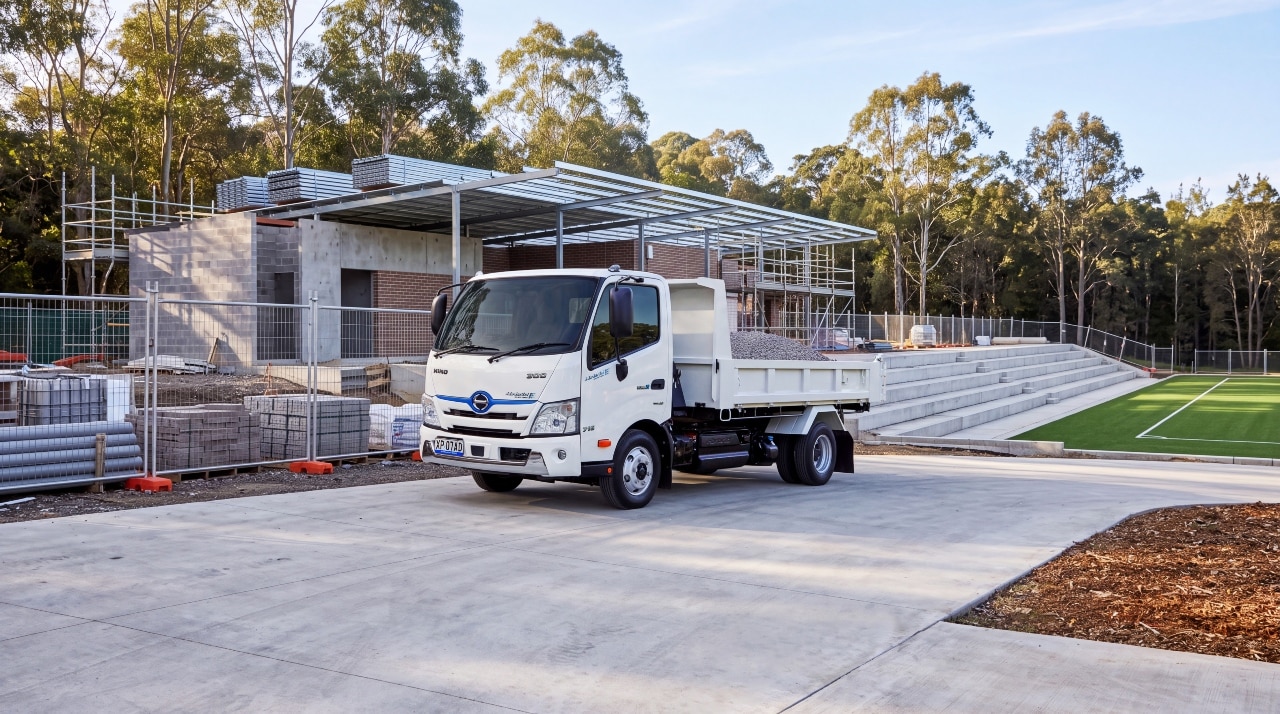
Hino has expanded its 300 Series Hybrid Electric line in Australia with the Tipper Pro, a factory-built Japanese tipper positioned as a faster-delivery, higher-quality alternative to locally converted units. The hybrid driveline, proven over nearly 20 years of Australian operation, targets lower fuel use and emissions on stop–start urban and civil works haulage compared with conventional diesel tippers. For contractors, the key implications are reduced whole-of-life operating costs and simplified procurement for small to medium infrastructure and road maintenance fleets.
Nearly nine in ten South East residents support Thames Water’s proposed £7bn White Horse Reservoir in Oxfordshire, intended to secure regional water supply amid widespread UK drought conditions. The strategic raw water storage scheme would add a major new offline reservoir asset to the Thames system, designed to buffer multi‑year rainfall deficits rather than just seasonal peaks. For civil and geotechnical teams, the scale and cost signal long-term demand for large embankment dams, high-capacity transfer pipelines and associated treatment and distribution upgrades in the region.
Procurement of UK infrastructure projects is again under scrutiny as clients and contractors question whether current lowest-price tendering, late contractor involvement and fragmented design–build packages are driving cost overruns and disputes. Debate centres on shifting risk allocation away from one-sided NEC and FIDIC contracts towards more collaborative models such as alliancing, early contractor involvement and target-cost frameworks on complex rail, highways and water schemes. For geotechnical and civil teams, earlier input on ground risk, temporary works and buildability is seen as critical to avoiding contingency-heavy bids and late-stage redesign.
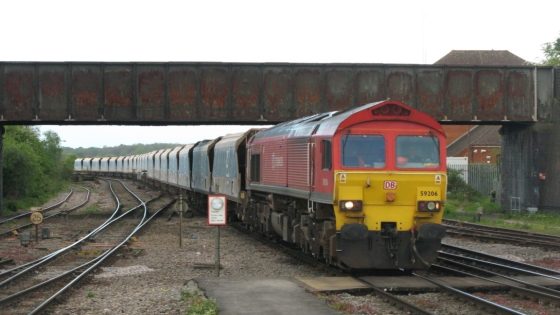
Freight moved by water has exceeded that carried by rail in the UK for more than 24 consecutive years, according to new data from the Parliamentary Advisory Council for Transport Safety (Pacts). The figures indicate that inland and coastal shipping, including bulk movements through major ports, consistently handle a larger tonne-kilometre share than the national rail freight network. For civil and rail engineers, this trend raises questions over long-term investment priorities in rail freight capacity, intermodal terminals and last‑mile connections versus continued reliance on port and waterway infrastructure.
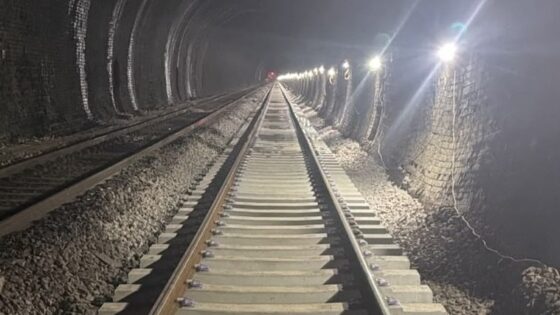
Half a kilometre of track renewals has been completed by Network Rail in Alfreton Tunnel in Derbyshire, on the key Sheffield–Nottingham route. The works involved replacing worn rail and sleepers within the confined tunnel environment, requiring tightly sequenced possessions to maintain traffic on this inter‑urban corridor. For permanent way and civil teams, the project signals continuing pressure to upgrade ageing tunnel trackforms while minimising disruption on intensively used mixed‑traffic lines.
Work on a major improvement scheme along the A52, one of Nottingham’s busiest strategic routes linking the A1 and M1, is nearing completion after a multi-year programme of junction upgrades and capacity works. The package focuses on key bottlenecks between the QMC and Gamston roundabouts, adding new signalised junction layouts, extra approach and exit lanes, and revised pedestrian and cycle crossings to improve traffic flow and safety. For designers and contractors, the scheme consolidates incremental works on an existing urban dual carriageway under live traffic, with long-term implications for maintenance access and future widening.
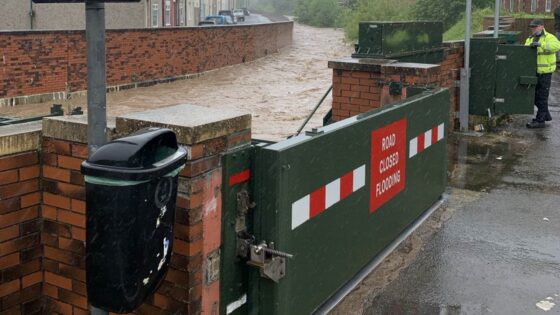
Bam has begun construction of the £13M Skinningrove Flood Alleviation Scheme in North Yorkshire for the Environment Agency, centred on replacing Stone Row Bridge and removing the village’s reliance on manually operated flood gates. The works will modernise flood defence infrastructure on this tidal beck, where existing gates currently require on-site deployment during storm events, exposing operators and creating response delays. For civil and geotechnical teams, key issues will include bridge hydraulic capacity, scour protection and maintaining access while upgrading a constrained coastal channel.
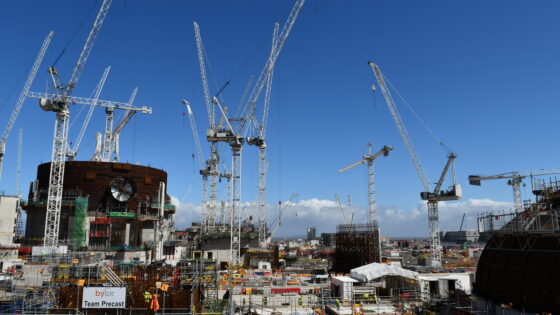
Bouygues Travaux Publics and Laing O'Rourke, working as the Bylor joint venture on EDF’s Hinkley Point C nuclear project, have received two Health and Safety Executive enforcement notices after a panel fell from height and caused “serious injuries” to a worker. Both notices have been formally extended, signalling ongoing regulatory concern over lifting operations and work-at-height controls on the major civil works. Contractors on large nuclear and energy schemes will likely face closer scrutiny of temporary works design, lifting plans and exclusion-zone management.
Nearly three-quarters of England being officially in drought in mid-August has triggered renewed pressure from civil engineers for large-scale investment in water storage, transfer and leakage reduction. With existing reservoirs and strategic transfer schemes sized around historic rainfall patterns, engineers are warning that current deployable output margins are too thin for multi-season deficits and more frequent heatwaves. Likely priorities include new regional transfers, accelerated mains renewal to cut leakage, and upgraded drought permits and abstraction regimes to protect aquifers and river baseflows.
The first section of the new Marshalls Creek Bridge on the Sturt Highway at Wagga Wagga will open to traffic next week, marking the halfway point of the New South Wales Government’s $30 million upgrade. The project will extend the four-lane Sturt Highway corridor through Wagga Wagga to about 4.5 kilometres, with full completion targeted for mid-2027. For designers and contractors, the staged opening signals a shift in traffic loading and work sequencing on the remaining bridge structure and approach embankments.
Safety upgrades on Queensland’s Mount Lindesay Highway at Palen Creek are now complete, targeting a previously high‑risk curved section on this key Scenic Rim freight route. The State Government works re‑profiled the curve and improved road geometry to cut crash risk and improve heavy vehicle stability and travel time reliability for freight operators and local businesses. For geotechnical and civil teams, the project signals continued focus on treating substandard horizontal alignment and sight distance on rural freight corridors rather than full greenfield realignments.
Geomechanics, Streamlined.
© 2026 Geomechanics.io. All rights reserved.