Geomechanics, Streamlined.
© 2026 Geomechanics.io. All rights reserved.
Wirtgen’s new WRC recycler-stabiliser targets heavy-axle pavement damage predicted by the Fourth Power Law by combining high-torque milling, in-situ mixing and cement/lime stabilisation in a single pass. Building on the WR series platform, the WRC is engineered for deep treatment of heavily trafficked base layers, allowing contractors to reprocess existing bound and unbound materials rather than import full-depth replacement. The approach cuts aggregate haulage, cement usage and construction time, with direct implications for life-cycle cost, pavement thickness design and workzone traffic management.
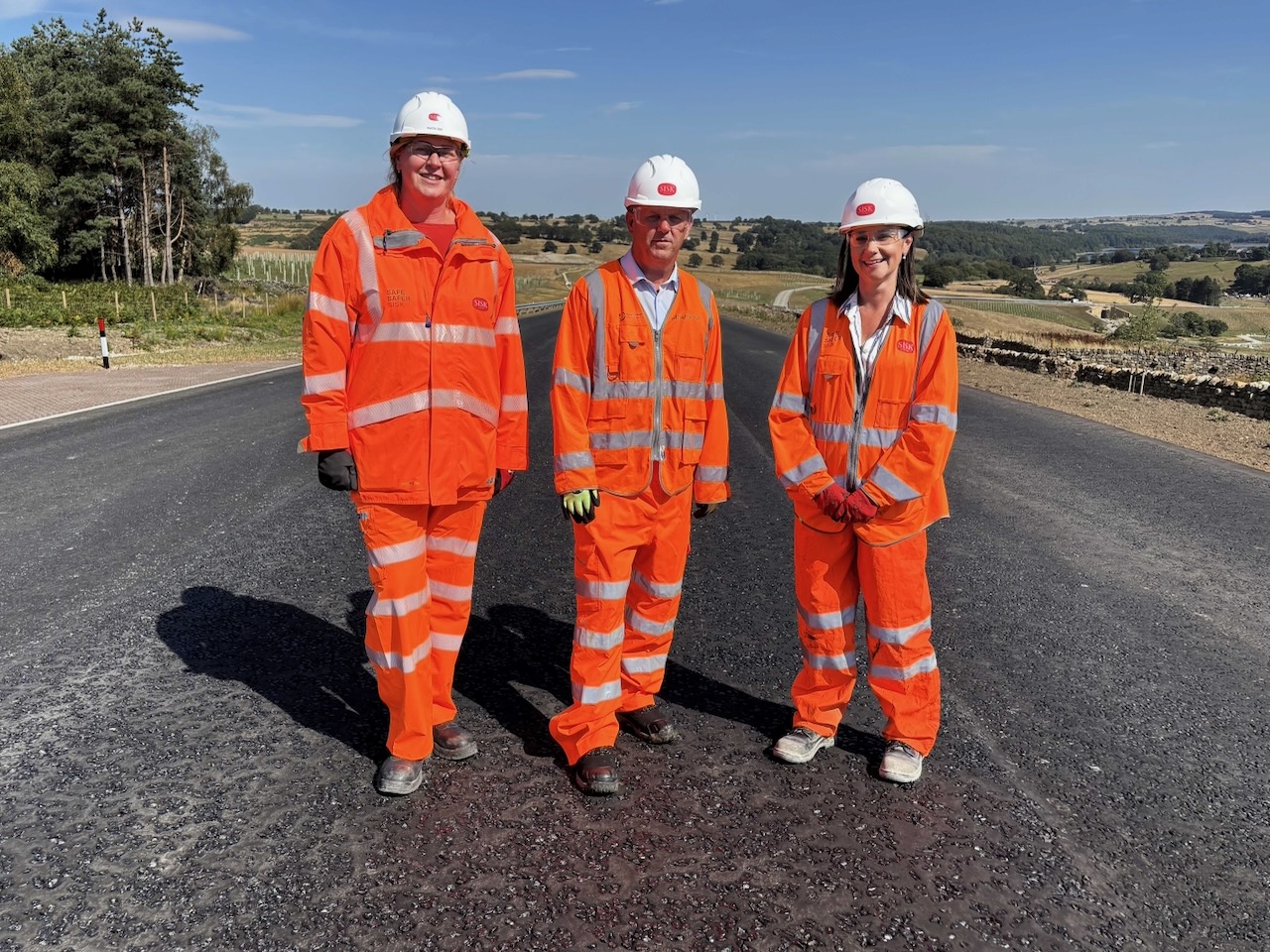
Sisk has completed the main 4.2km realigned section of the A59 at Kex Gill, diverting traffic away from a landslip‑prone stretch that has suffered 15 failures and over £6m in repairs since 2000, with two of the three carriageways due to open before the end of August. Remaining works focus on tie‑ins to the existing network, including a redesigned junction at Church Hill and access improvements around Fewston Reservoir. The scheme adds more than 12,700 native trees, balancing ponds, new NMU routes and 4km of natural stone walls within the Nidderdale National Landscape.
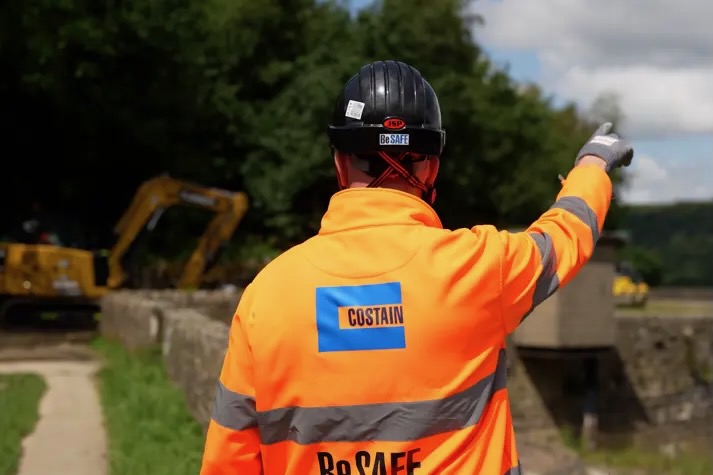
Costain reported first-half 2026 revenues up 3.4% to £543.1m, with adjusted operating profit rising 3% to £17.3m and operating margins holding at 3.2%. The contractor’s forward order book has reached £7bn, a 67% increase over six years, signalling sustained demand in UK transport, water and energy infrastructure frameworks. Stable margins on higher turnover suggest current contract pricing and risk allocation are holding, giving designers and specialist subcontractors some visibility on workload and payment capacity.
Stantec has been appointed by the Tees Valley Combined Authority to help produce a statutory spatial development strategy (SDS), working alongside Camargue, Prior + Partners, Montagu Evans, and Richard Wood Associates. The SDS will coordinate long-term land use, transport, housing, and infrastructure planning across the five Tees Valley local authorities, providing a single strategic framework above individual local plans. For engineers, this signals early-stage definition of future corridors for major transport links, utilities, industrial zones, and brownfield regeneration around assets such as Teesworks and port infrastructure.
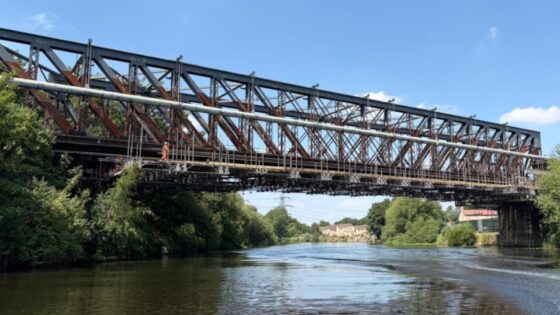
Network Rail will invest £800,000 over the August bank holiday to upgrade the 1903 Brotherton railway bridge near Knottingley, West Yorkshire, on a key route linking local freight and passenger services. Works are expected to focus on structural refurbishment of the ageing steel and masonry elements, including deck and bearing repairs plus corrosion protection, to extend service life under current loading patterns. Possession over the long weekend will concentrate disruption, so planners and contractors will need tight sequencing for access, temporary works and track interface.
A Southern Rail passenger train derailed near Lewes, East Sussex, at about 15:55 on 13 August, prompting Network Rail to deploy specialist inspection and track engineering teams. Crews are assessing potential damage to rails, sleepers, ballast and signalling assets, and checking for any misalignment or deformation of the formation that could affect line speed and gauge. Findings will determine the extent of re-railing, tamping, ballast renewal or signalling repairs required before services can safely resume.
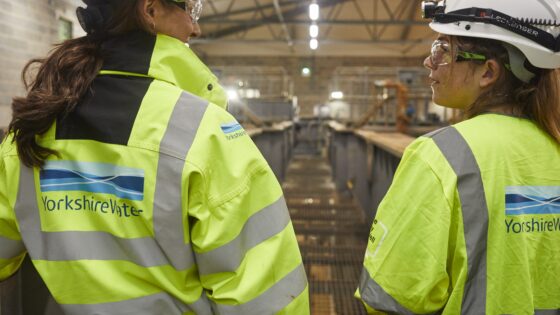
Yorkshire Water is recruiting 90 engineers and project managers into its asset delivery team to accelerate a £8.3bn, five-year capital investment programme across its water and wastewater network. Roles will support design and delivery of treatment works upgrades, trunk main renewals and resilience schemes tied to AMP8 performance commitments on leakage, storm overflows and service resilience. The scale-up signals a sustained pipeline of civils, MEICA and programme management work for contractors and consultants in the Yorkshire region.
Neath Port Talbot County Borough Council has launched a procurement for a conservation architect-led multidisciplinary design team to deliver the £1.375M “Reimagining Margam Castle” National Lottery Heritage Fund project. The commission will cover full design services for the Grade I-listed, neo-Gothic castle and its setting, including structural and fabric conservation, building services upgrades and access improvements. Heritage-led interventions are expected to require careful coordination of stonework repair, moisture management and reversible modern insertions within the existing loadbearing masonry and historic interiors.
Sustainability leadership in infrastructure is framed as a shift from ever‑higher net zero rhetoric to practical, outcome‑driven delivery amid increasingly polarised debates on climate action, economic growth and energy security. The focus is on decisions that directly affect project pipelines and asset performance, such as prioritising buildable low‑carbon materials, realistic whole‑life carbon targets and grid‑compatible energy solutions over abstract ambition. For engineers, this signals greater scrutiny of deliverability, cost and programme impacts when proposing decarbonisation measures on major schemes.
AtkinsRéalis, Jacobs and Stantec have secured places on Hampshire County Council’s new four-year, £80M transport, highways and infrastructure consultancy framework. The multi-disciplinary lot will cover planning, design and asset management services for local roads, structures and associated civil works across the county’s network. Consultants can expect work on schemes such as junction upgrades, corridor improvements and resilience measures, with framework call-offs likely to favour teams experienced in UK highways standards and whole-life asset strategies.
HS2 Ltd is seeking market views on potential 10-year partnering arrangements to supply professional services for the remaining phases of the UK’s high-speed rail programme, including design, project management and technical advisory roles. The proposed long-duration framework is expected to cover route-wide engineering support for track, civils and systems on Phase 2 and associated interfaces with existing classic rail infrastructure. Consultants and multidisciplinary teams will need to consider resource commitments, risk allocation and digital delivery capability over a decade-long pipeline.
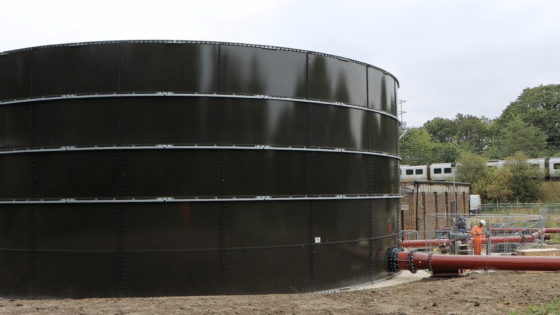
A £2M upgrade to increase storm storage capacity at Anglian Water’s Poppy Hill Water Recycling Centre in Bedfordshire is nearing completion, aimed at holding larger storm inflows before treatment. The project focuses on expanding storm tank capacity to reduce combined sewer overflows to local watercourses during intense rainfall events, in line with tighter UK water quality and discharge consents. Civil and geotechnical teams will be watching performance under first major storm events to assess tank hydraulics, settlement behaviour and inlet/outlet structure resilience.
NMITE reports that its engineering undergraduates without A-level Mathematics are matching or outperforming peers with traditional maths and physics entry profiles on first-year assessments. The institute uses intensive “maths for engineers” bootcamps, problem-led studio teaching and continuous assessment instead of high-stakes exams to close gaps in calculus, statistics and mechanics. This challenges conventional Russell Group-style entry requirements and could widen the pipeline for civil, structural and infrastructure engineers if other providers adopt similar foundation-style models.
WSP has secured Wiltshire Council’s £200M term highways consultancy contract following a competitive procurement, covering strategic design, asset management and technical support across the county’s road network. The commission is expected to span multiple years and will support maintenance and upgrade planning for A-roads, rural routes and associated structures such as bridges, retaining walls and drainage systems. For civil and geotechnical teams, the framework signals steady demand for pavement design, condition surveys, geotechnical assessments and resilience planning under tighter local authority budgets.
Nuclea Energy has agreed to acquire Moltex Energy’s advanced nuclear technology assets, including the Stable Salt Reactor–Wasteburner (SSR‑W) molten salt fast reactor and the Waste To Stable Salt (WATSS) spent fuel recycling process, developed with over C$96 million in Canadian and US funding. The deal adds 80 granted patents across nine families and nine pending patents in fuel recycling, plus design work that has already completed Phase 1 of the Canadian Nuclear Safety Commission Vendor Design Review. Nuclea plans to integrate these reactor and fuel‑cycle technologies with its Morpheus lead‑cooled, factory‑built micro‑modular reactor platform.
Australian and New South Wales governments have struck a long-term power agreement with Tomago Aluminium, securing electricity supply for Australia’s largest aluminium smelter near Newcastle and giving Rio Tinto and other owners cost certainty. The deal is framed around “reliable, internationally competitive power” pricing to keep the 24/7, high-load operation viable, protecting hundreds of megawatts of continuous demand that underpins grid stability in the Hunter region. For process engineers and power planners, the arrangement reduces curtailment risk and supports ongoing investment in potline maintenance and modernisation.
Specialist broker Credeq is promoting unsecured guarantee capacity as an alternative to traditional bank guarantees and cash-backed performance bonds that can cap contractors’ ability to bid for large road and civil packages. By arranging surety bonds through non-bank insurers, contractors can secure performance security without tying up working capital or fixed assets, freeing bank facilities for plant, materials and project delivery. The approach targets mid-tier contractors facing bonding limits on multi-year D&C or alliance contracts, where aggregate security requirements can otherwise stall growth.
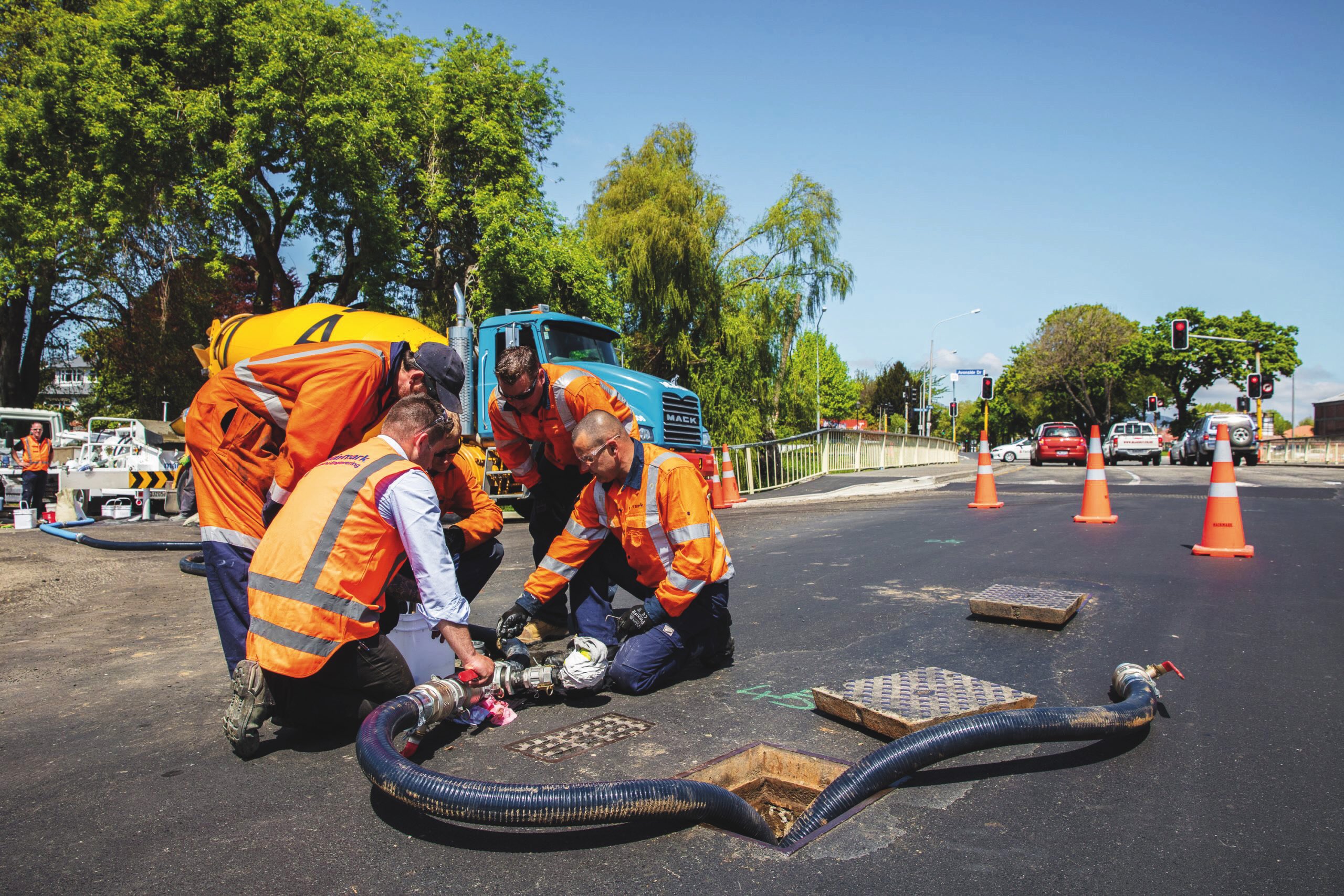
Mainmark is urging Australian road authorities to prioritise early pavement rehabilitation over full reconstruction as freight loads increase and severe weather accelerates rutting, cracking and subgrade failure. Chief Growth Officer Amy Williams and Group Technical and Innovation Manager Theo Hnat point to targeted ground improvement and resin injection techniques to re-level slabs, re-establish bearing capacity and seal voids without full-depth excavation. The approach aims to keep existing pavements in service longer, reduce lane-closure durations and defer high‑capex rebuilds across stressed freight corridors.
A $6.7 million upgrade of the Lincoln Highway–McBryde Terrace signalised intersection in Whyalla, South Australia, is now complete, improving a key freight and tourist link that carries about 7000 vehicles per day between the city’s industrial precinct and the Eyre Peninsula corridor. Works by the SA Department for Infrastructure and Transport focused on regional road safety and smoother traffic flow, with geometric reconfiguration and new pavement expected to better accommodate heavy vehicle turning movements. For civil designers, the project signals continued investment in freight pinch-point remediation on constrained urban arterials.
AMD Contract Services has taken delivery of Scotland’s first JCB 420X, a 40‑tonne tracked excavator powered by a Cummins L9 dual-certified engine rated at 241kW (323hp) and fitted with a 2.6m³ heavy-duty bucket giving 10% more capacity and 11% higher lifting performance than the 370X. The machine’s wider, longer undercarriage and JCB UX cab with 10-inch touchscreen, storing settings for up to 15 attachments, target stability and rapid tool changes on civil engineering and plant hire work. It joins AMD’s mixed JCB fleet, which already includes e-tech electric mini diggers and dumpers.
The Structural Timber Association has appointed Iain McIlwee as CEO from November, succeeding Andrew Orriss and signalling continuity of sector-focused leadership for structural timber in UK construction. McIlwee previously led the Finishes and Interiors Sector (FIS) from 2018, where he grew membership, set up an e-learning academy and expanded research and policy work, and earlier spent seven years as Chief Executive of the British Woodworking Federation. He also sits on the Industry Competence Steering Group, is treasurer of the Conflict Avoidance Coalition and a non-executive director of SKA Rating, linking STA more closely to competence, dispute-avoidance and sustainability frameworks.
CCL Facades has been appointed to deliver the façade package on Wolverhampton’s Bicycle Works, a 331-home residential scheme where Caddick Construction is main contractor for English Cities Fund (a Homes England, Legal & General and Muse partnership). The appointment consolidates façade and main works under a single corporate group, which should streamline design coordination, interfaces and programme control on the multi-block development. For contractors and designers, the move signals continued use of integrated delivery teams on large urban housing projects to manage façade performance, sequencing and warranty risk.
ABAX has launched Vision AI, a single or dual in-vehicle camera system with edge processing that uses high-definition video and AI incident detection to capture collision footage and monitor risky driver behaviour in real time. The unit issues in-cab audio alerts for hazards such as harsh braking or distraction, auto-uploads event clips to the cloud without SD cards, and links video to specific trips, drivers and routes to support claims defence, including staged “crash for cash” incidents. The dual-camera option uses event-triggered recording and controlled access to protect driver privacy, with UK contracts including professional installation and free installation of the first unit on qualifying deals.
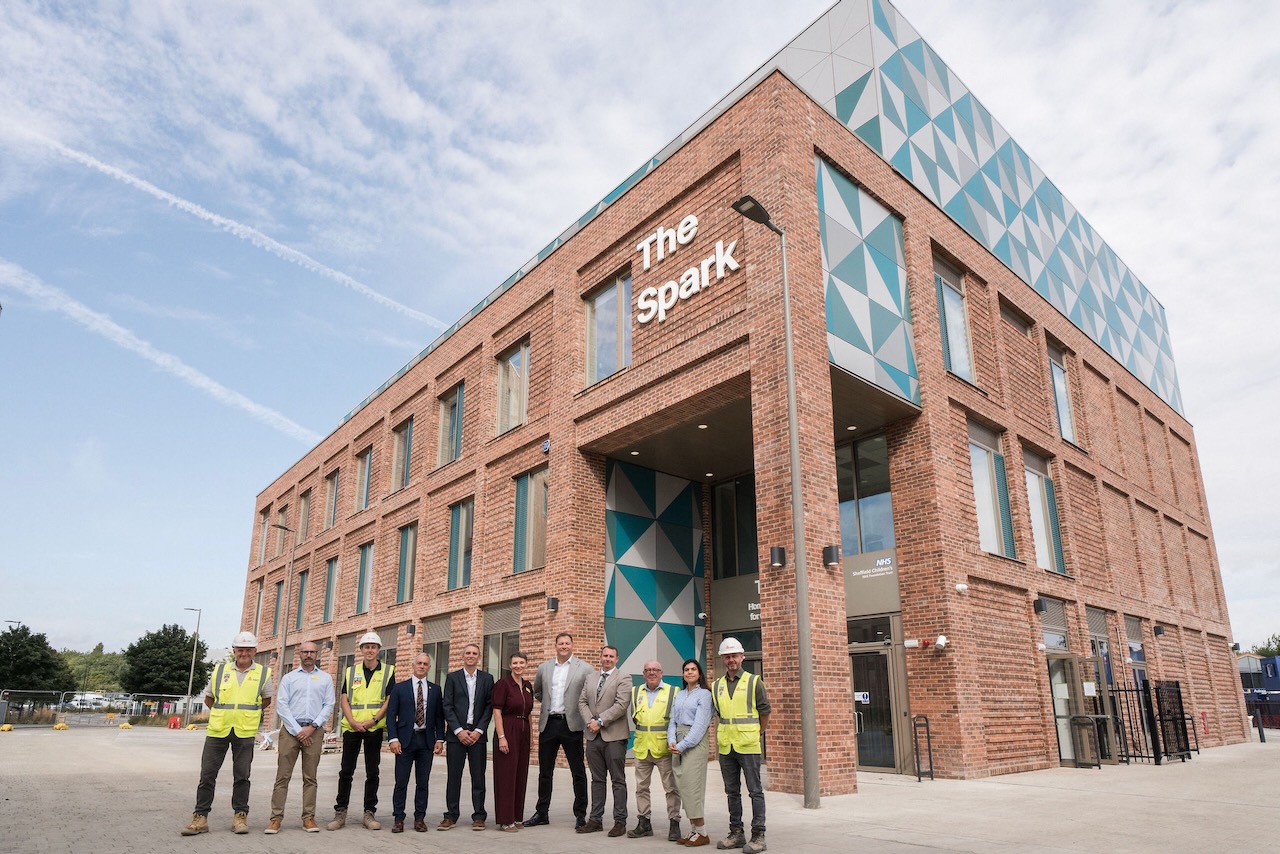
HBC Construction has completed The Spark in Sheffield, a £17m facility that will house the National Centre for Child Health Technology (NCCHT), with operations due to start later this year. The building is designed as a dedicated hub for paediatric health technology research and clinical innovation, consolidating specialist laboratories, clinical spaces and digital health development under one roof. For civil and building engineers, the project signals continued investment in highly serviced, technically complex healthcare infrastructure requiring tight integration of MEP, clinical fit-out and digital systems.