Geomechanics.io

  • Free Tools
Sign UpLog In

Geomechanics.io

Geomechanics, Streamlined.

© 2026 Geomechanics.io. All rights reserved.

Geomechanics.io

CMRR-ioGEODB-ioHYDROGEO-ioQCDB-ioFree Tools & CalculatorsBlogLatest Industry News

Industries

MiningConstructionTunnelling

Company

Terms of UsePrivacy PolicyLinkedIn
    AllGeotechnicalMiningInfrastructureMaterialsHazardsEnvironmentalSoftwarePolicy
    Product
    Sustainability
    Projects

    Legrand green steel cable management: embodied carbon cuts explained for project teams

    March 17, 2026|

    Reviewed by Joe Ashwell

    Legrand green steel cable management: embodied carbon cuts explained for project teams

    First reported on The Construction Index

    30 Second Briefing

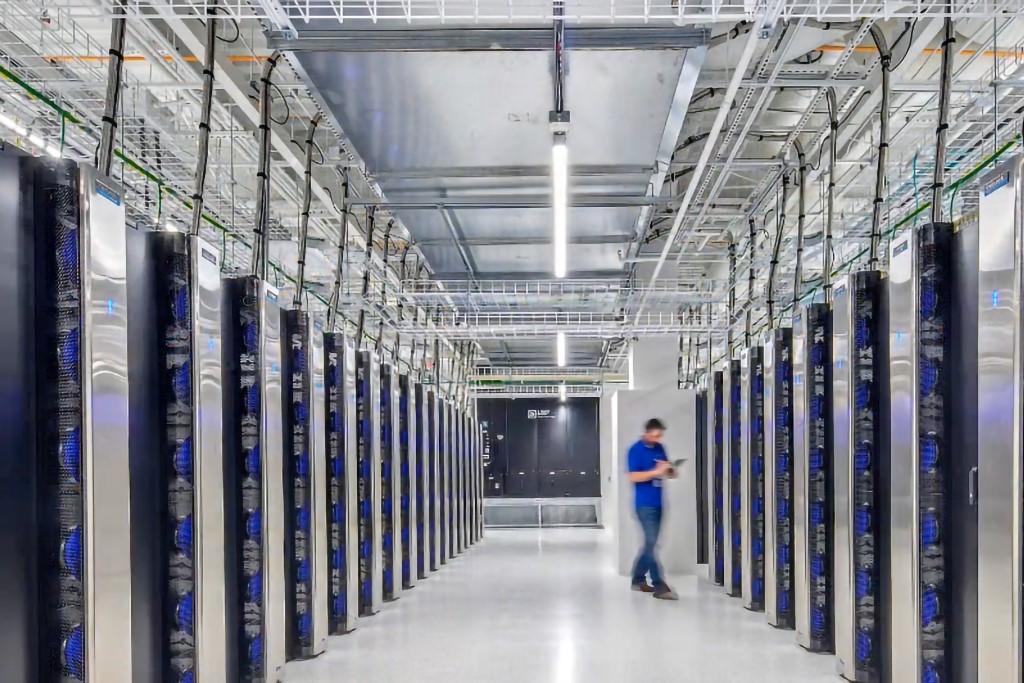
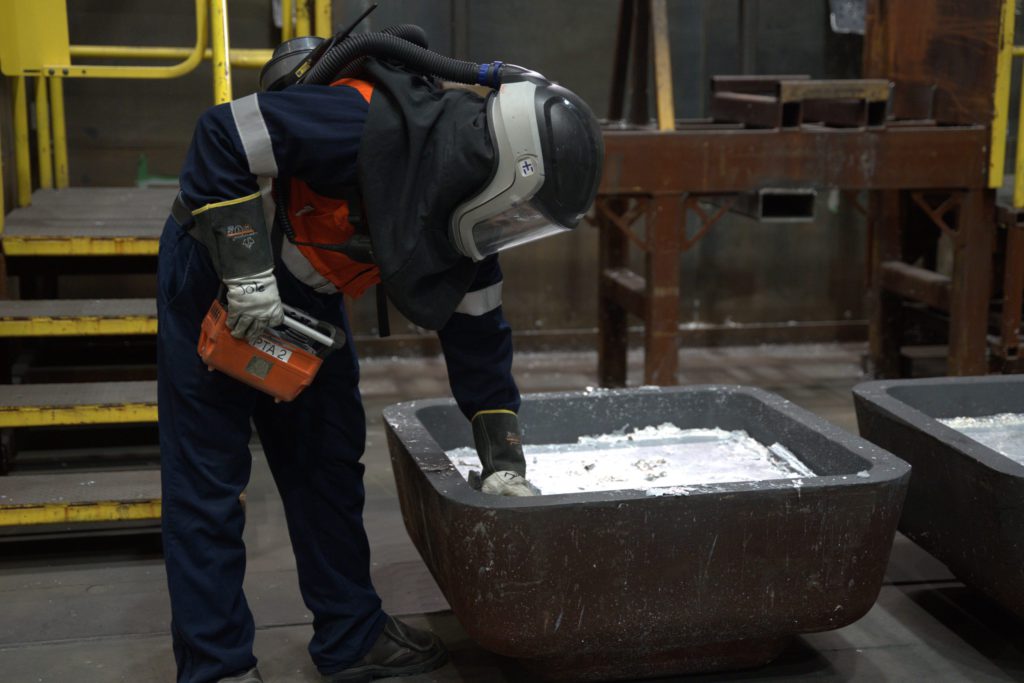
    Legrand is now supplying cable management systems made with 34% green steel, targeting high‑demand data centre projects that can require hundreds or thousands of kilometres of cabling. The green steel uses at least 75% scrap in electric arc furnaces powered by certified renewable electricity, cutting embodied carbon from about 2.38t CO2e to as little as 799kg CO2e per tonne of finished cold‑rolled steel, a 70% reduction versus blast furnaces. This shift is already lowering Legrand’s Scope 3 supply‑chain emissions and offers contractors a straightforward route to reduce project embodied carbon.

    Technical Brief

    • Emissions for finished cold‑rolled green steel are reported as low as 799 kg CO2e per tonne.
    • Conventional blast furnace route cited at 2.38 t CO2e per tonne of comparable cold‑rolled steel.
    • Scope 3 reductions from green steel build on prior Scope 1 and 2 cuts at UK operations.
    • Additional decarbonisation measures include solar PV at Consett and Cramlington plus wider renewable electricity procurement.

    Our Take

    Using green steel with at least 75% scrap content at Consett and Cramlington positions Legrand ahead of many UK building-products suppliers in our coverage, where most low-embodied-carbon offerings still rely on incremental efficiency gains rather than wholesale feedstock changes.

    The drop from 2.38 t CO2e to as little as 799 kg CO2e per tonne of cold-rolled steel suggests that specifying Legrand UK & Ireland cable management could make a measurable difference to whole-of-building embodied carbon calculations on BREEAM- or LEED-driven projects.

    Being rated in the top 1% by EcoVadis gives Legrand a third‑party credential that procurement teams in UK and Irish infrastructure projects increasingly use as a pre-qualification filter, which may favour its systems over lower-cost but less transparently rated competitors.

    Geotechnical Software for Modern Teams

    Centralise site data, logs, and lab results with GEODB-io, CMRR-io, and HYDROGEO-io.

    No credit card required.

    • Save and export unlimited calculations
    • Advanced data visualisation
    • Generate professional PDF reports
    • Cloud storage for all your projects

    Prepared by collating external sources, AI-assisted tools, and Geomechanics.io’s proprietary mining database, then reviewed for technical accuracy & edited by our geotechnical team.

    Related Articles
    £377M to keep Scunthorpe blast furnaces open: supply and risk lens for engineers
    Materials
    2 days ago

    £377M to keep Scunthorpe blast furnaces open: supply and risk lens for engineers

    Government spending of £377M over nine months has been required to keep British Steel’s two Scunthorpe blast furnaces operating following emergency intervention by the Department for Business and Trade in April 2025, the National Audit Office has reported. The support covers ongoing operation of the integrated works, including coke ovens and basic oxygen steelmaking, which supply long products and rail sections critical to UK infrastructure projects. Engineers face continued uncertainty over future capacity, investment in low‑carbon steelmaking routes, and long‑term security of domestic steel supply for major schemes.

    Rio Tinto–Prysmian low‑carbon aluminium rod: implications for cable designers
    Materials
    6 days ago

    Rio Tinto–Prysmian low‑carbon aluminium rod: implications for cable designers

    Rio Tinto has completed an industrial trial with Prysmian to produce low‑carbon aluminium rod for power cables, blending metal from its hydro-powered Alma smelter in Quebec with ELYSIS inert-anode technology that eliminates direct smelting greenhouse gas emissions and generates oxygen. The trial sits within a five-year supply agreement signed in October 2023 to roll out lower‑carbon aluminium cable solutions for energy transmission and data centres. CRU forecasts data centres will grow from about 7% of North American cable demand in 2025 at roughly 17% CAGR to 2030, with aluminium gaining share for campus power distribution.

    Hydrogen to decarbonise asphalt production: performance insights for UK pavement engineers
    Materials
    7 days ago

    Hydrogen to decarbonise asphalt production: performance insights for UK pavement engineers

    Hydrogen has been used by Heidelberg Materials UK to decarbonise asphalt production on an industrial scale for the first time in the UK, replacing conventional fossil fuel combustion in the drying and heating phase of the mixing process. The trial, conducted in a full-scale asphalt plant rather than a laboratory rig, demonstrates that hydrogen burners can maintain production temperatures and binder performance within standard specification limits. For pavement designers and contractors, this signals emerging scope to cut Scope 1 emissions from asphalt plants without changing mix designs or laying procedures.

    Related Industries & Products

    Construction

    Quality control software for construction companies with material testing, batch tracking, and compliance management.

    CMRR-io

    Streamline coal mine roof stability assessments with our cloud-based CMRR software featuring automated calculations, multi-scenario analysis, and collaborative workflows.

    HYDROGEO-io

    Comprehensive hydrogeological testing platform for managing, analysing, and reporting on packer tests, lugeon values, and hydraulic conductivity assessments.

    GEODB-io

    Centralised geotechnical data management solution for storing, accessing, and analysing all your site investigation and material testing data.