Geomechanics, Streamlined.
© 2026 Geomechanics.io. All rights reserved.
Uranium mining equities fell 3.9% in the first half of 2026 and junior miners 7.4%, even as the long-term uranium price climbed to US$94 per lb, its highest level in 18 years, and spot rose 4.3%. Sprott Asset Management, which controls 81.4 million lb of U₃O₈ via the Sprott Physical Uranium Trust (NAV about US$7.1 billion), argues this disconnect reflects risk-off sentiment rather than weaker fundamentals. It points to tightening utility contracting, US$17.5 billion in conditional US DOE reactor loans, and China’s 38 reactors under construction as key demand and supply-tightening drivers.
Getchell Gold’s revised PEA for the Fondaway Canyon open-pit project in Nevada assigns an after-tax NPV of US$905 million at an 8% discount rate and US$3,200/oz gold, with a 53.1% IRR, two-year payback and initial capex of US$265.3 million. The plan envisages a 10.1-year, 8,000 t/d conventional mill producing about 150,000 oz gold annually, with life-of-mine operating costs of US$1,373/oz and cash costs of US$1,740/oz. The economics draw on an April 2026 resource of 22.1 Mt at 1.40 g/t Au indicated and 45.6 Mt at 1.24 g/t inferred, excluding underground and non-central open-pit potential.
China’s decision to weaponise rare earth exports and ban processing technology in 2023 has triggered coordinated investment by the US, EU, Japan, Australia, South Korea and others in non-Chinese mining, separation and magnet manufacturing, including Malaysia becoming the first country outside China to separate heavy rare earths. Despite China still controlling about 90% of heavy rare earth separation and 93% of permanent magnet output, a new G7 deal caps sourcing at 60% from any single non-G7 country by 2030. The Pentagon’s 49% stake in a planned Saudi refinery, plus backing for MP Materials, Lynas and Alkane, signals a shift towards integrated mine–separation–magnet value chains, with stranded-asset risk for standalone projects.
UK nationalisation of British Steel has triggered a legal challenge from former owner Jingye Steel, which claims the 2025 government takeover stripped it of all shareholder rights in breach of its 2020 acquisition agreement. A UK National Audit Office report cited by Jingye estimates the intervention could cost taxpayers up to £1.5 billion by 2028, with an independent review to decide any compensation. Ministers justify the move as a last‑resort to keep plants operating, protect jobs and push British Steel faster towards low‑carbon production.
Copper futures on Comex jumped 3.3% to $6.55/lb ($14,440/t), within 2% of June’s US record, as the New York premium over LME metal doubled to nearly $600/t on expectations of a phased US tariff of 15% in 2027 rising to 30% in 2028. Physical tightness is acute in China, with Shanghai Futures Exchange copper stocks down 82% since early May, Yangshan import premiums at $103/t, and 56% of LME inventories (166,025 t of 296,625 t) on cancelled warrants. Smelting constraints add further pressure, with Earth‑i’s SAVANT index showing 16% of global capacity inactive and Chilean smelter inactivity at 25.4%, alongside record‑low treatment charges and the planned closure of Japan’s 354,000 t/y Onahama smelter by early 2027.
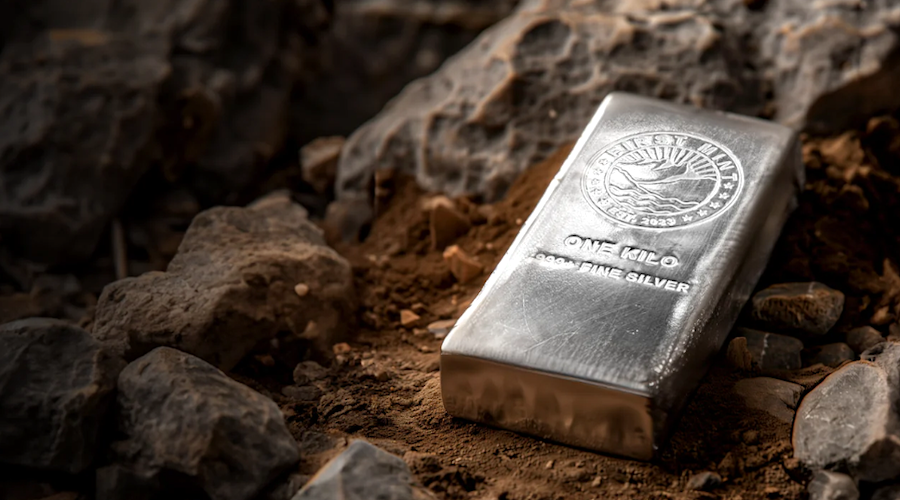
Silver jumped as much as 5% intraday with Comex September futures at $59.11/oz and spot rebounding from an eight‑month low near $55.50, while Comex August gold climbed 1.6% to $4,080.90/oz, again holding the $4,000 support despite a 10‑day US‑Iran exchange of strikes. ING’s Ewa Manthey attributes silver’s outperformance to safe‑haven flows plus stronger industrial‑metal sentiment, with around 50% of silver demand industrial and India paying dealer premiums of $6.50/oz amid import‑driven shortages. Russia’s central bank has instead sold 43.5 tonnes of gold in H1 2026, cutting reserves to 73.4 million ounces, while Chinese wholesale demand and ETFs remain weak.
Permitting reform in the United States is emerging as a critical constraint on efforts to challenge China’s dominance in critical minerals, with mining lawyer Scot Anderson arguing NEPA-driven reviews and litigation that can stretch to 20 years must be cut to roughly three to five years, in line with Chile. The G7 has agreed that no single country should supply more than 60% of its rare earth imports by 2030, yet China still refines over 90% of global rare earths and controls more than 70% of critical mineral processing. Anderson adds that recycling and tailings reprocessing will not meet surging demand for copper, lithium, cobalt, nickel and rare earths without substantial new mines and processing capacity.
Electronics recycler ERI and rare earths specialist Cyclic Materials are partnering to build “one of the largest rare earth recovery ecosystems in the US”, combining ERI’s eight US recycling centres and more than one million pounds per day of e‑waste throughput with Cyclic’s magnet-focused recovery and refining technologies. Feedstock will be routed mainly to Cyclic’s Arizona facility, which can process up to 25,000 tonnes of end‑of‑life components annually, and to a new McBee, South Carolina campus designed for 2,000 tonnes of magnet material per year, expandable to 6,000 tonnes. The collaboration targets domestic recovery of rare earths plus copper and aluminium, and includes joint bids on commercial and government RFPs for circular critical‑materials supply chains.
Movie producer and Penske Media co-founder Lee Caplin has joined NovaRed Mining’s advisory board to steer commercialisation and IP strategy for its MetalCore AI platform, which applies artificial intelligence, machine learning, computer vision and predictive analytics to more than 4.1 million geological records to generate exploration targets. The move follows the contentious appointment of former US Homeland Security secretary Kristi Noem, which prompted retired Navy commander Phil Ehr to resign from the board. NovaRed is positioning MetalCore AI as a second business pillar alongside its Wilmac copper-gold and Lamont Ridge projects in southern British Columbia, with shares closing at C60¢ for a C$23.4 million valuation.
US Departments of Energy and Labor have signed a five-year MoU to accelerate deployment of AI, automation and advanced sensors across US mining, linking DOE’s Hydrocarbons and Geothermal Energy Office and Office of Critical Minerals and Energy Innovation with DOL’s Mine Safety and Health Administration. The partnership will run joint research, testing and demonstration projects with the National Energy Technology Laboratory Coal Center of Excellence, focusing on next‑generation mining systems and hazard detection. Workstreams include digitising legacy mining data, improving public mineral resource datasets on federally managed lands, and expanding technology-focused training for miners.
Mill relining systems OEM RUSSELL MINERAL EQUIPMENT has completed the final milestone of its transitional sale agreement with Resource Capital Funds, bringing Singapore-based industrial and technology investor Novo Tellus onto the share register. The deal, signed on 16 November 2024, secures new growth capital for RME’s specialised mill relining machines and liner handling systems used on large SAG and ball mills worldwide. For mine operators, the move signals continued OEM backing for high-availability relining services and potential acceleration of automation and digital tooling across shutdown-critical mill maintenance.
Eldorado Gold has fed first ore through the crushing circuit at its Skouries copper-gold project in northern Greece, marking the transition from construction to commissioning. The company reports that Skouries is in the final stages of build-out and is targeting first production of copper-gold concentrate in the September quarter of 2026. For mine planners and process engineers, the milestone confirms that primary crushing infrastructure is mechanically complete and that downstream concentrator commissioning is imminent.
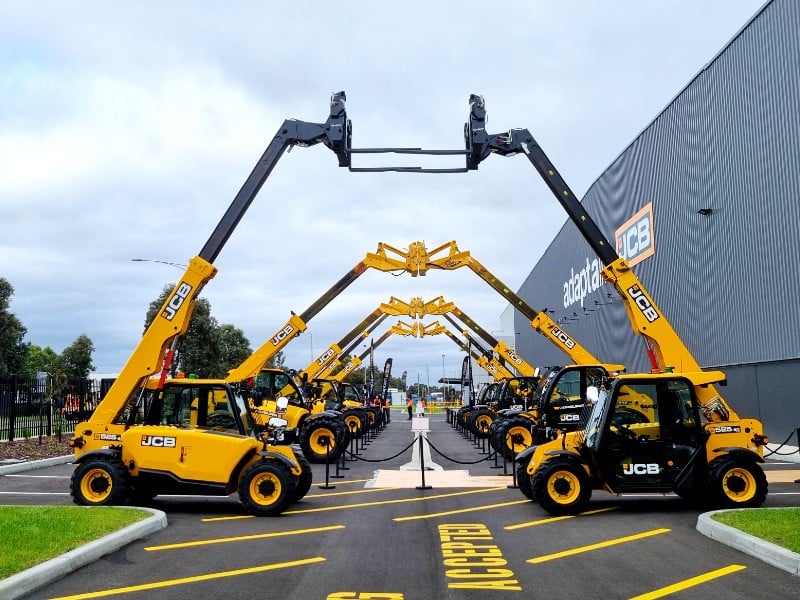
JCB has formally launched its partnership with Adaptalift Group at the Australian dealer’s Truganina facility in Melbourne, following an April signing that made Adaptalift an authorised JCB distributor. The collaboration brings JCB’s earthmoving and materials handling range into Adaptalift’s national rental and fleet management network, which already services large civil and infrastructure contractors across Australia. For project teams, the tie-up should streamline access to JCB excavators, telehandlers and loaders through integrated hire, maintenance and parts support under Adaptalift’s existing asset management systems.
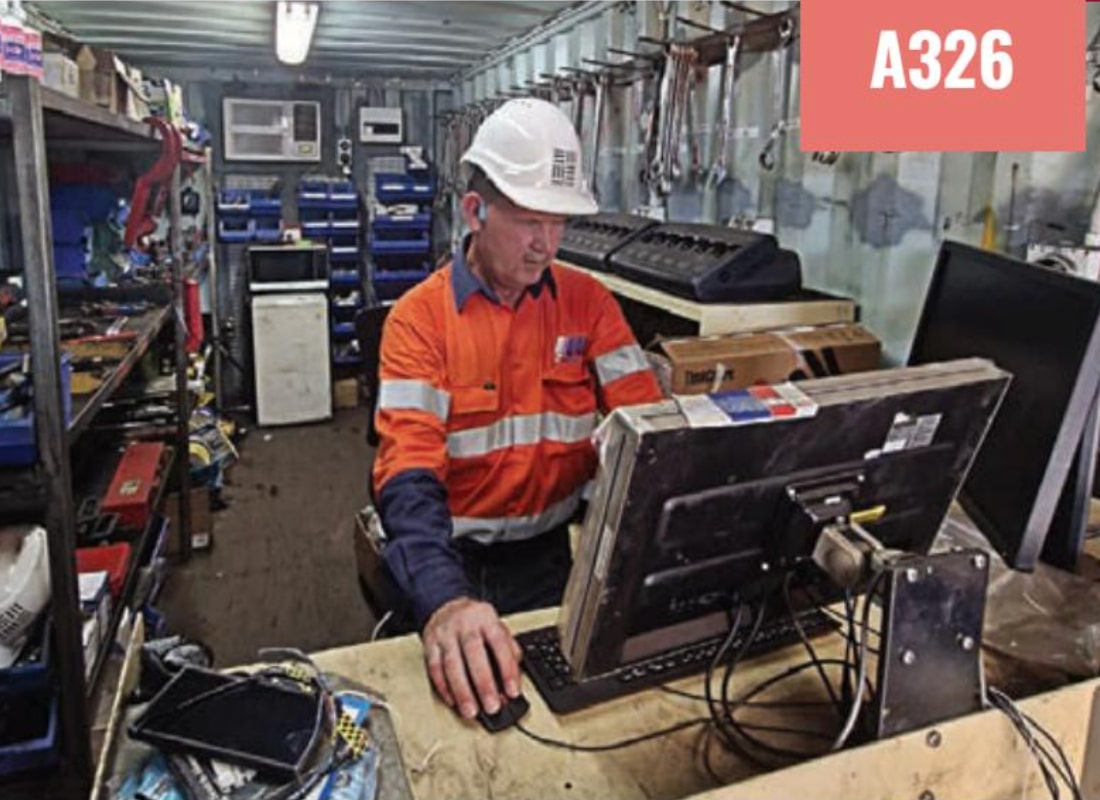
MyEasyAction will use QME 2026 to demonstrate a real-time asset tracking and enterprise architecture platform aimed at tightening operational control and accountability on mining sites. The system links field assets and workflows into a single digital environment to improve “digital discipline”, with live status visibility intended to reduce unplanned downtime and coordination gaps between mobile plant, fixed infrastructure and maintenance teams. For geotechnical and processing operations, the approach targets more reliable data capture across dispersed equipment, supporting traceable decisions on asset condition and utilisation.
Fenix Resources shipped a record 4.4Mt of iron ore in FY26 and has set FY27 production guidance at 4.7–5.3Mt as it ramps up operations at its Western Australian projects. The June quarter delivered record mining, haulage and shipping performance, including 1.299 million wet metric tonnes shipped, signalling sustained logistics capacity across pit, road and port. For mine planners and contractors, the higher guidance points to continued high utilisation of haulage fleets and port stockyard infrastructure, with potential pressure on regional road and export corridors.
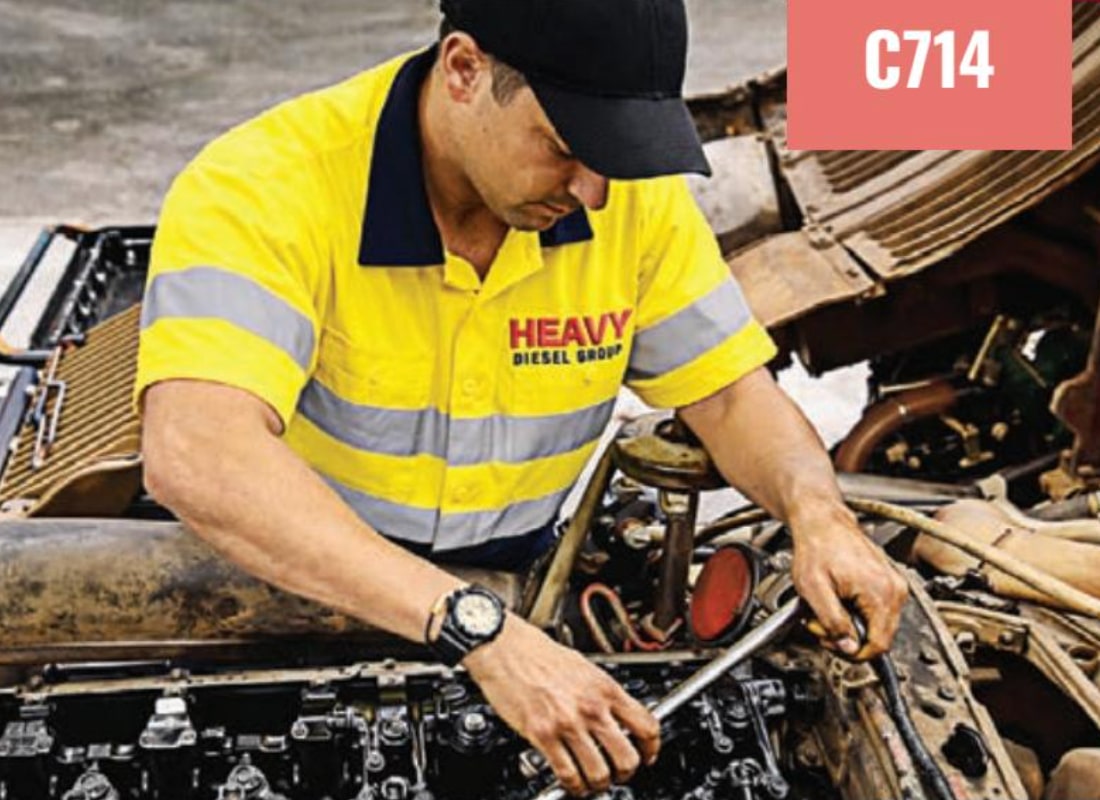
Heavy Diesel Group will use QME 2026 in Mackay to showcase its integrated mechanical, hydraulic, parts and heavy truck support model aimed at maximising uptime for Queensland mine fleets. The company combines field service for large mobile plant, on-site hydraulic cylinder and hose repair, and rapid parts supply through a single coordination point to cut response times when excavators, haul trucks or ancillary gear fail. For operators, the pitch is fewer hand-offs between contractors, clearer accountability, and faster recovery from unplanned stoppages that can cascade across load–haul–crusher circuits.
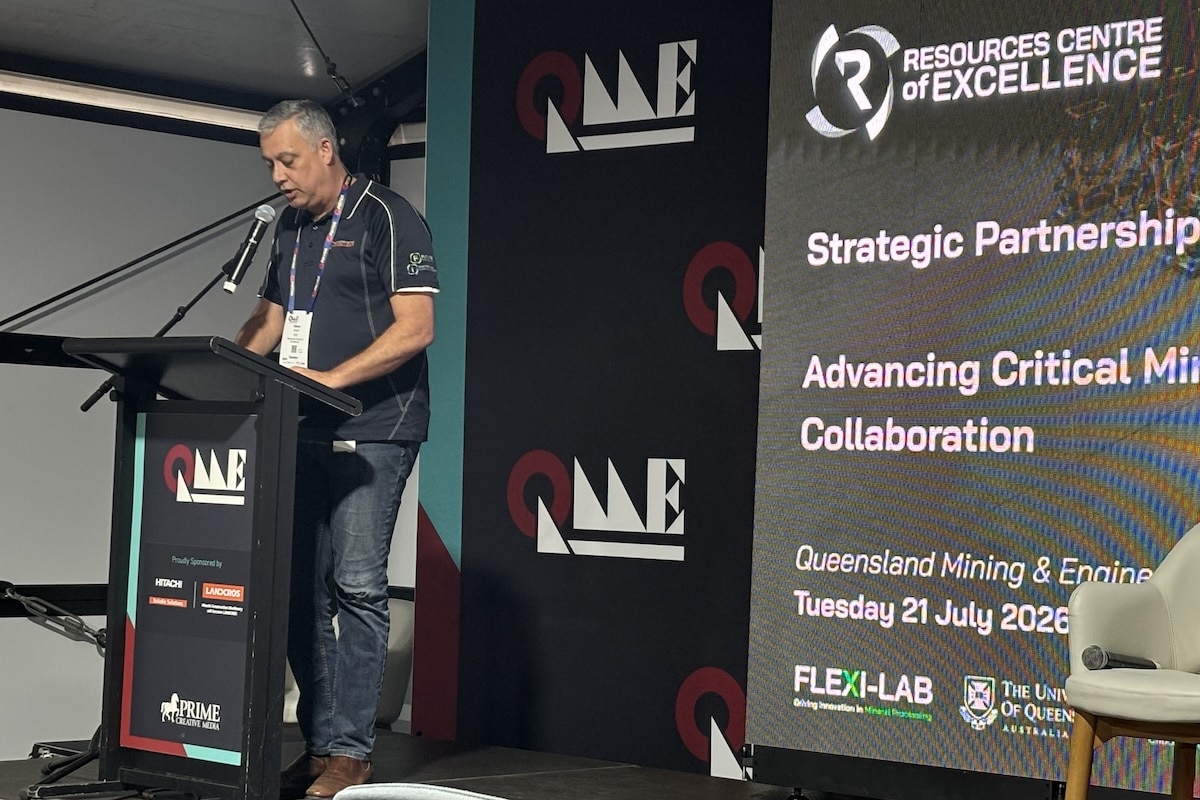
A new strategic partnership between the Resources Centre of Excellence (RCOE), The University of Queensland and Mining3, launched at the Queensland Mining & Engineering Exhibition in Mackay, will focus on accelerating commercialisation of critical minerals technologies. The collaboration is designed to link laboratory-scale research with field deployment, using RCOE’s Mackay facilities as a testbed for mining equipment, processing flowsheets and digital tools. For engineers, this signals more opportunities to trial critical-mineral extraction and processing innovations in operating Queensland coal and metalliferous mines.
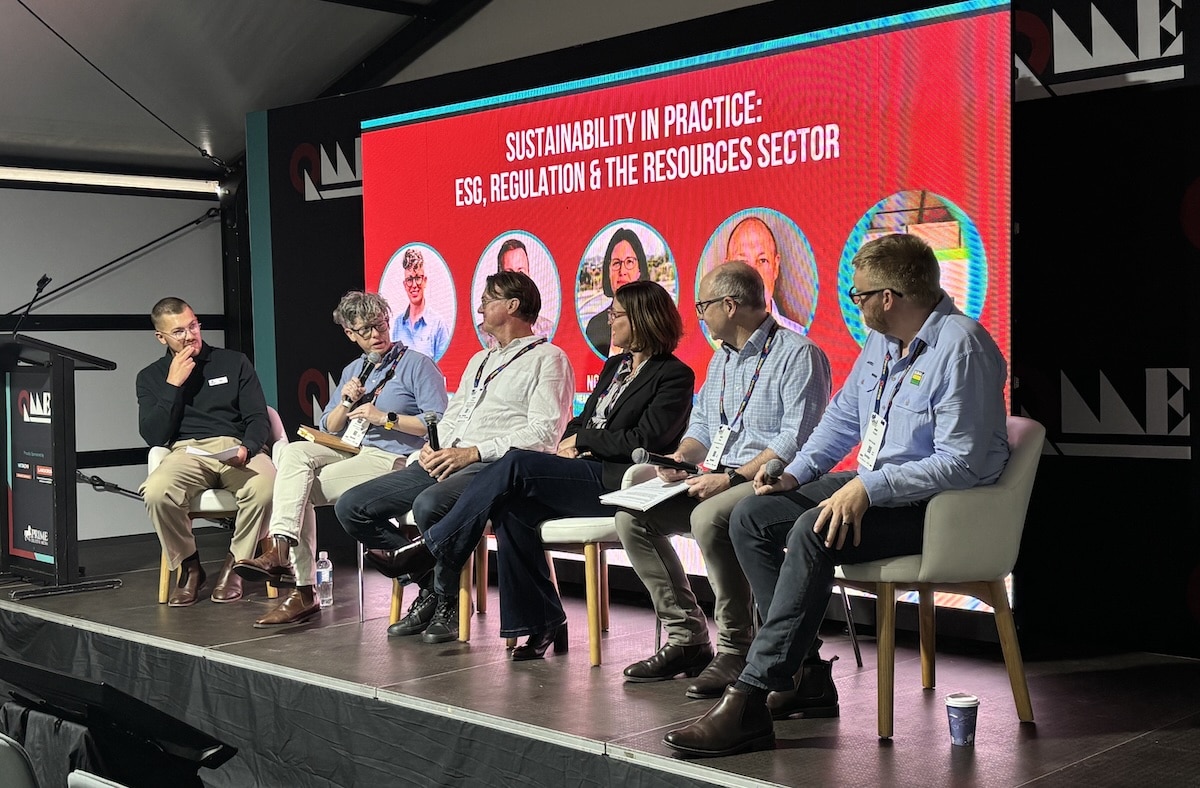
Queensland Mining & Engineering Exhibition 2026 has opened in Mackay, returning to the Mackay Showgrounds with its largest footprint yet, including an expanded 9000m² exhibition area. The three-day event brings together Queensland and national miners, OEMs and service providers to showcase new technology, with a strong focus on equipment, automation and decarbonisation solutions for coal and metalliferous operations. For engineers, QME offers direct access to suppliers, live demonstrations and technical discussions concentrated in a single regional hub.
Places for London, Heathrow, Lower Thames Crossing and Gallagher Group have partnered with Fatima Whitbread’s charity to create a route for care leavers into construction, using employer-backed training and site placements. The initiative is linked to The Skills Centre, whose courses have already led two care-experienced young people into apprenticeships with Marlborough Highways. For contractors and infrastructure clients, this signals a growing pipeline of entry-level labour tied directly to major projects, with structured support for candidates who typically face higher barriers to CSCS accreditation and site readiness.
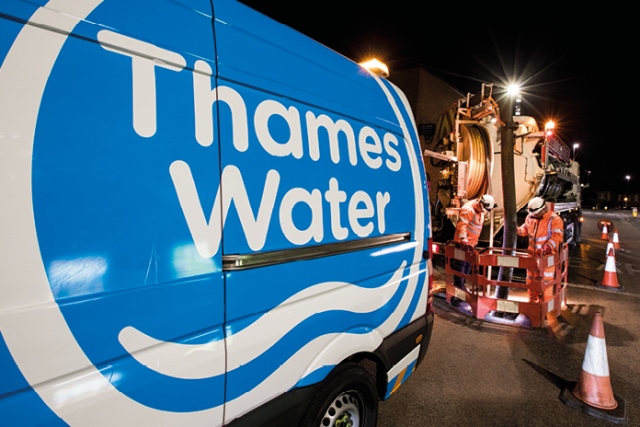
Thames Water is tendering a £227m framework for sewer rehabilitation, CCTV surveys and cleaning across its entire region, covering both gravity and rising mains with methods including structural lining, pipe replacement, patch repairs, leak-tight lining, pipe bursting and associated manhole sealing. The scope also includes minor civils, inspection reporting, waste disposal and street works, with some packages requiring work adjacent to railway infrastructure. The framework is split into two lots above and below £3m, with up to six suppliers per lot from April 2027–2030 and potential extension to 2035.
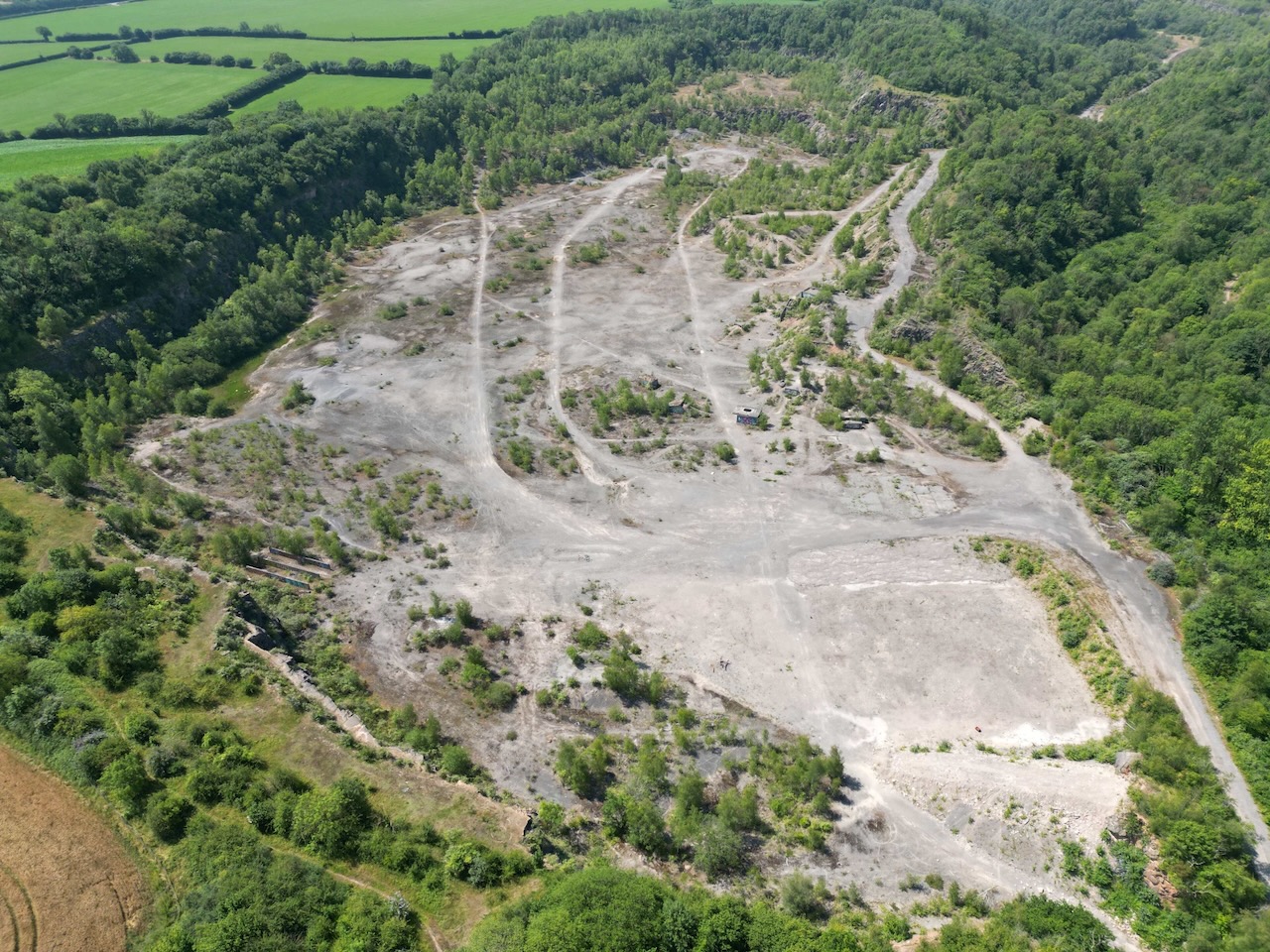
Heidelberg Materials UK has secured planning conditions from Somerset Council to reopen the 160m‑tonne Westdown limestone quarry near Frome, with site preparations starting autumn 2026 and production targeted for the second half of 2027. Operations will be confined to the former quarry boundary, with hedgerows and edge woodland retained, plus 44 acres of new habitat and native broadleaved planting on screening bunds to create species‑rich connected woodland and grassland. Combined aggregate output from Westdown and the nearby rail‑connected Whatley quarry will not exceed Whatley’s current permitted tonnage, with Whatley focusing on national rail markets to reduce HGV traffic through local villages.
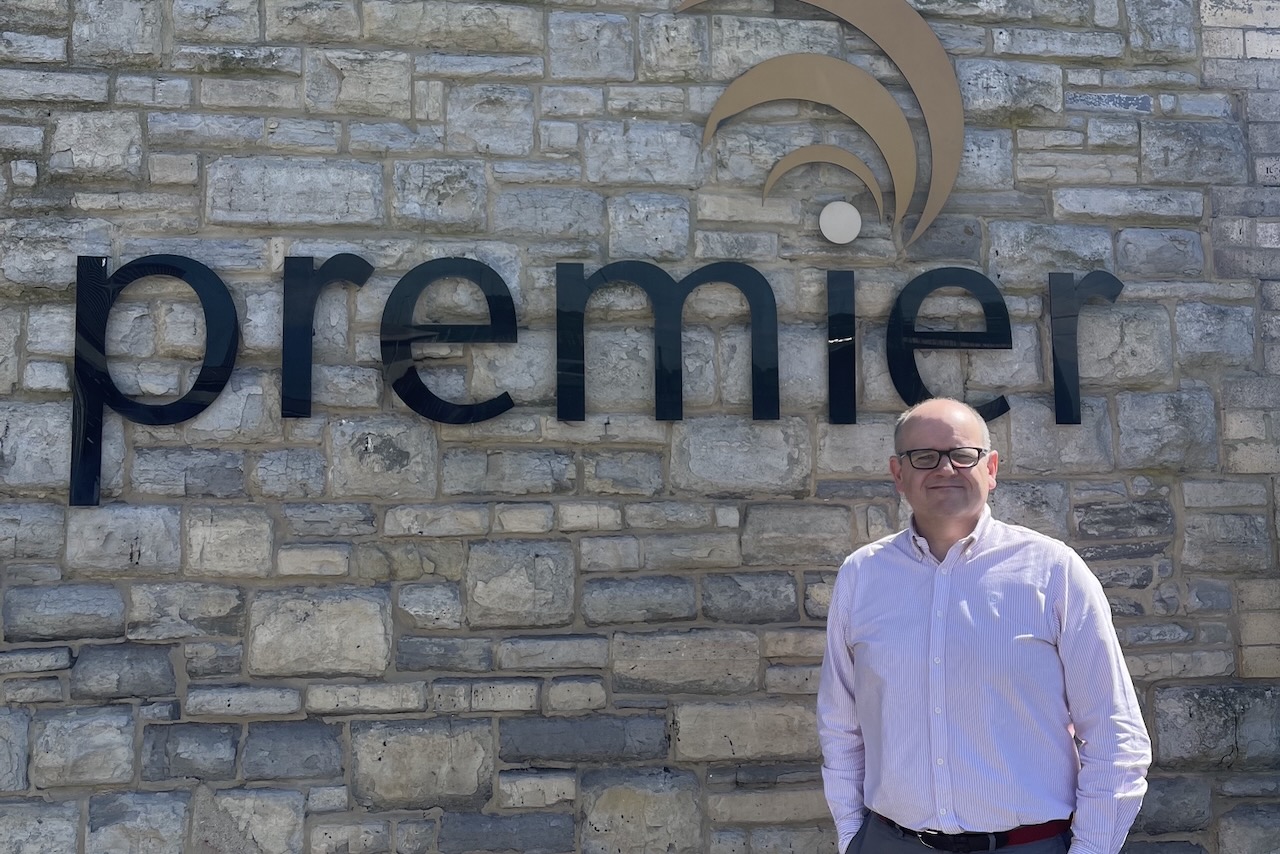
Premier Forest Products is restarting operations at its leased Croespenmaen site in south Wales, converting the former SDL Sawmills facility into a centre of excellence for fencing and landscaping timber with an on-site timber treatment plant. Several former SDL employees will transfer, with long-serving staff Deborah Llewellyn appointed operations manager and Rhys Watkins sales manager to retain local process knowledge and customer links. The site is intended as a key hub in Premier’s UK-wide manufacturing and distribution network, improving national coverage for treated timber products.
Arada has unveiled a £2.5bn plan for the 47‑acre Thameside West site in London’s Royal Docks, targeting at least 5,000 homes with 35% affordable, green space over roughly half the site and a 1km active waterfront. The first phase will deliver 1,500 homes in six buildings plus a major public park, with Arup, Gensler and landscape architect Planit appointed to lead design updates to current building safety and regulatory standards. Arada aims to submit the first-stage planning application this summer, start on site by early 2028, and open a new DLR station with TfL in time for initial occupation.
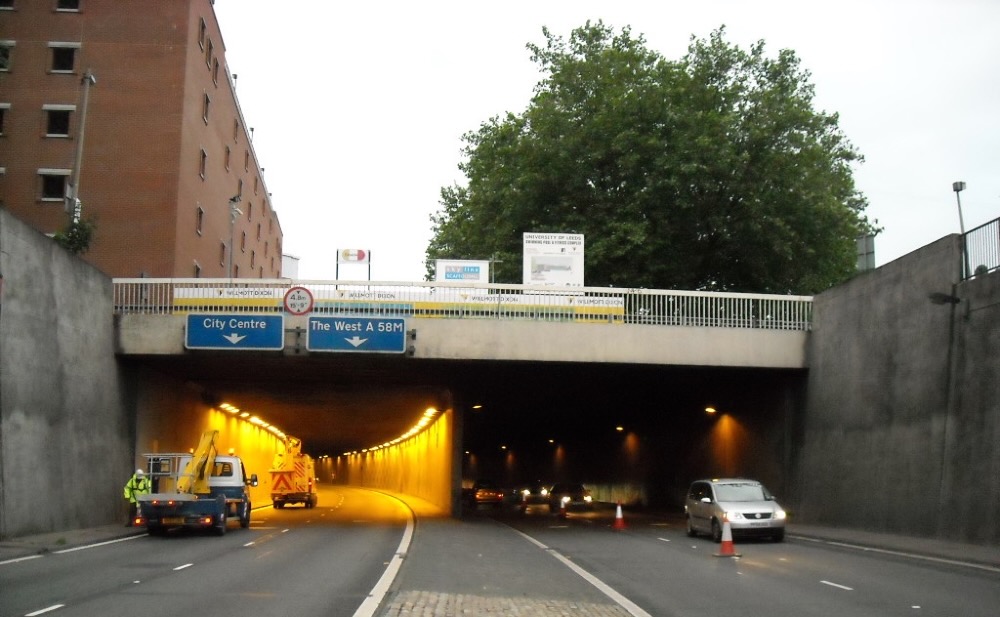
Balfour Beatty has secured a seven‑year, up to £120m contract from Leeds City Council to maintain and upgrade the 2.5‑mile inner ring road, which carries more than 83,000 vehicles per day and includes over 135 structures such as bridges, tunnels and major retaining walls. Works under the Leeds Contractors Major Works Framework will combine annual planned maintenance with design-and-build strengthening and refurbishment of four bridges and viaducts, three tunnels and one footbridge. Routine maintenance starts immediately, with major structural interventions from 2027 and overall completion targeted for 2032.