Geomechanics, Streamlined.
© 2026 Geomechanics.io. All rights reserved.
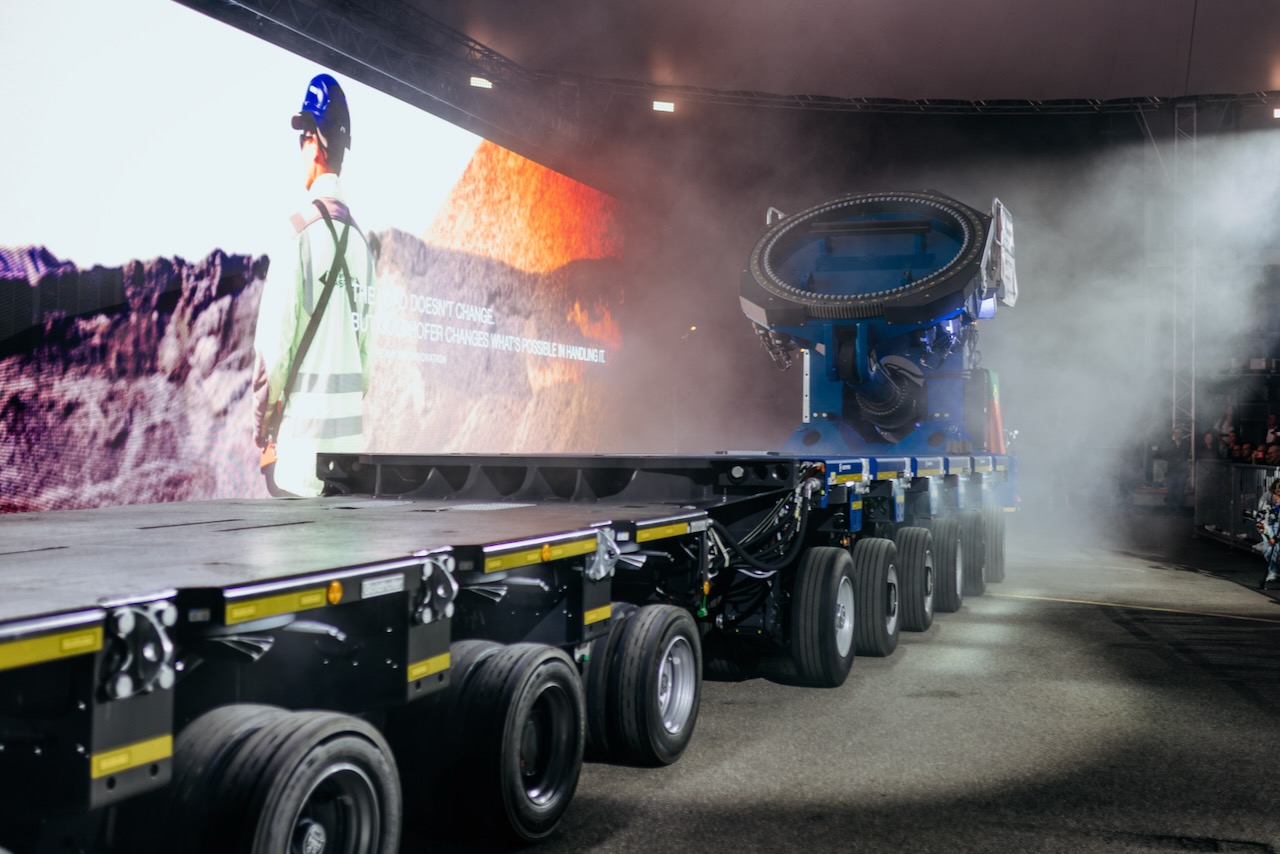
Goldhofer has unveiled the PST/SL-ES (285) heavy transport module with hydraulically adjustable track width, allowing operators to switch from a standard 3.0 m width to 3.3 m while achieving lateral stability comparable to a 5.3 m-wide 1+1 parallel combination using 2,430 mm modules. The unit offers an axle load of 48.4 tonnes, tractive force of 162 kN and high bending moment capacity, enabling single-width moves that previously needed parallel lines. For wind turbine blades and other tall or top-heavy loads, this reduces pre-planning compromises between route clearance and rollover resistance.
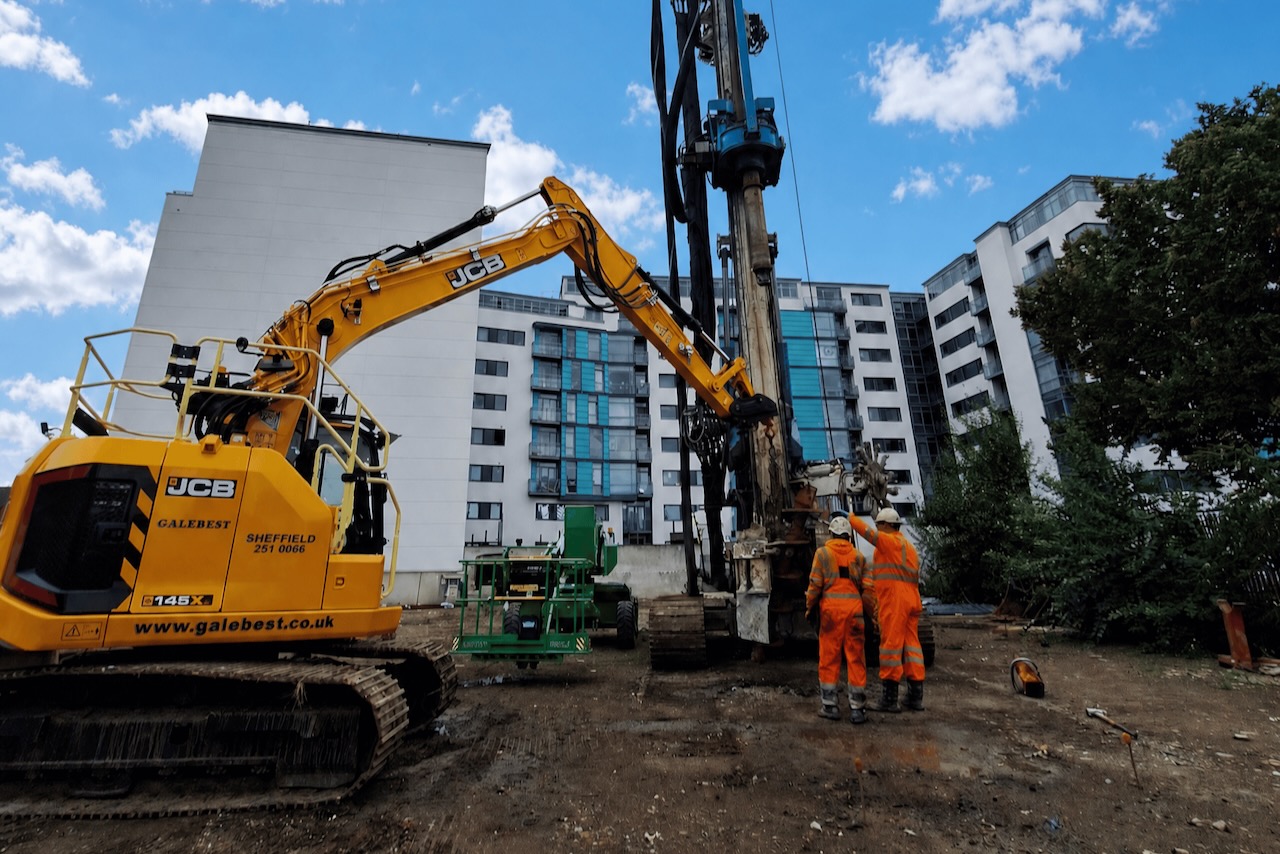
Gateway 2 approval from the Building Safety Regulator has cleared Hyve Living and Elite Realty Invest’s £32m The One Residence scheme in Leeds’ South Bank to proceed with construction. The 125-apartment development now has regulatory sign-off for foundations, the building core and the structural frame, removing a key programme risk under the post-Grenfell safety regime. Over 70% of units are already sold, signalling strong pre-completion demand that should support contractor procurement and cashflow through the main build phase.
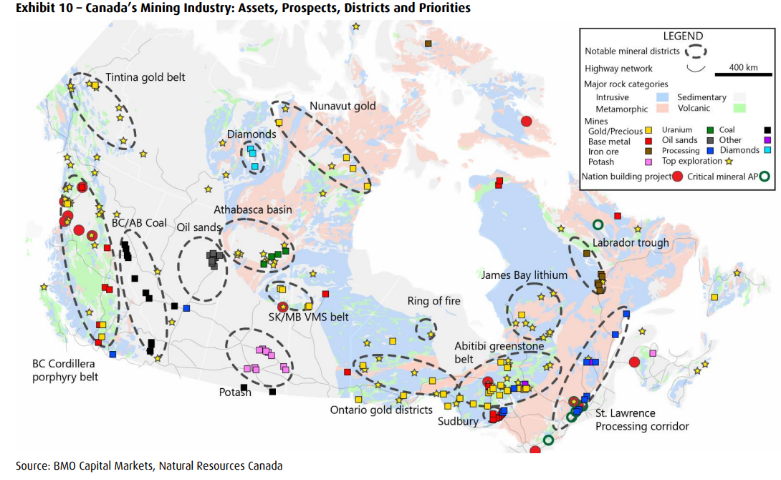
Canada is positioning for a larger share of global mining capital as BMO Global Metals & Mining flags C$120 billion in planned project spending in Natural Resources Canada’s 10‑year Major Projects Inventory and forecasts more than 11% annual growth in development capex over the next two years. BMO urges investors to shift from purely upstream projects towards domestic copper smelting and refining, battery precursor materials, rare earth separation and by‑product capture to build end‑to‑end supply chains. The bank also points to separating mine and infrastructure financing, tapping under‑allocated Canadian pension assets (C$4.5 trillion), and targeting new districts from BC to Ontario’s Ring of Fire and Nunavut.
Rail services between Watford Junction and London Euston were disrupted on 11 September by a lineside fire and a burst water main that flooded adjacent track, forcing service suspensions and diversions on the West Coast Main Line. Network Rail incident response teams were dispatched to extinguish the fire, inspect overhead line equipment and check for heat damage to ballast and sleepers, while separate crews worked to isolate the main and pump water clear of the formation. Engineers will need to assess subgrade softening, track geometry and signalling integrity before full line speed can be restored.
Edinburgh’s Granton Waterfront regeneration has secured a £38.4M loan from the UK Government’s National Wealth Fund to deliver enabling works for the first development phase on the former gasworks and harbourfront brownfield site. The funding is expected to cover site remediation, new primary infrastructure including roads, utilities and drainage, and coastal public realm works to unlock a multi-phase mixed-use scheme of thousands of homes and commercial units. For civil and geotechnical teams, early packages will centre on ground treatment, contamination management and flood-resilient shoreline structures.
Plans for a £1bn fleet of British-built battery-electric trains for the Transpennine Route Upgrade signal a shift towards discontinuous electrification with on-board energy storage bridging unelectrified gaps. The proposal would allow zero-emission running through sensitive sections such as long tunnels and constrained urban corridors where full overhead line equipment is difficult or costly to install. For civil and rail engineers, this supports leaner electrification designs, reduced substation and feeder requirements, and potentially lower clearance interventions on legacy structures.
Gemfields’ first commercial-quality emerald auction in nine months raised $29.6 million, selling all 44 lots from its 75%-owned Kagem mine in Zambia at an average $9.72 per carat after intense buyer activity in Jaipur from 24 August to 10 September. The cash inflow follows a 17% cut in group operating costs, the $50 million sale of Fabergé and a $30 million rights offer, all aimed at stabilising finances after production disruptions at Kagem and the Montepuez ruby mine. Despite firmer prices for higher-quality stones, Gemfields faces rising fuel costs and potential diesel supply “pinch points” at its Zambian and Mozambican operations.
EU regulators are preparing a formal antitrust warning on China-backed MMG’s $500 million acquisition of Anglo American’s Brazilian ferronickel business, which includes two operating plants and two greenfield projects supplying European stainless steel mills. The European Commission’s DG COMP is examining whether MMG, controlled by China Minmetals, could divert Brazilian ferronickel away from Europe despite Anglo citing expanding non-Brazilian output and customers’ ability to switch feedstocks. Critics counter that Brazilian ferronickel’s specific nickel content, quality and low-carbon hydro-powered profile make substitution difficult, turning the case into a test of how far Brussels will factor geopolitical supply risk into merger control.
Talon Metals has abandoned plans for a new North Dakota mill for its Tamarack nickel-copper-cobalt project in Minnesota, opting instead to process ore at the existing Humboldt mill in Michigan acquired with the Eagle mine from Lundin Mining. The switch is expected to cut upfront capex, reduce financing needs and potentially accelerate Tamarack’s schedule, while Talon negotiates with the US Department of Energy over the future of a US$114.8 million award originally tied to the North Dakota plant. Technical upside continues, with hole 25TK0562A returning 13.37% Ni and 16.54% Cu from 753 m, the project’s longest sulphide intercept to date.
USA Rare Earth has broken ground on a $1.2 billion, 800,000-square-foot rare earth metal and NdFeB magnet manufacturing plant on a 124-acre site in Bailey Industrial Park, Blacksburg, South Carolina, expected to create about 490 manufacturing jobs. The facility is targeting 6,400 tpa of sintered neodymium-iron-boron magnets and 5,000 tpa of strip-cast metal and alloy from 2028, complementing its Stillwater, Oklahoma line for a combined 10,000 tpa domestic NdFeB capacity. USAR has also taken a minority stake in France’s Carester to support expansion of a rare earth processing plant opening later this year.
Glencore and Mercuria are in talks with the Venezuelan government over a potential deal to take over operations at Venalum, the country’s largest aluminium smelter with installed capacity of about 430,000 tonnes of primary aluminium per year in Puerto Ordaz. Any agreement would likely secure offtake rights to Venalum’s output and leverage nearby hydroelectric power and bauxite reserves to restart a plant crippled by chronic power shortages and underinvestment. Mercuria is working with private mining investor Heeney Capital, while Glencore would be deepening its long-standing financing ties to Venezuela’s state aluminium sector.
Mining projects dominate Prime Minister Mark Carney’s leaked C$1 trillion, five‑year investment pitchbook, with 63 of 167 opportunities spanning lithium, nickel, graphite, rare earths, gold and copper, and including proposals such as Canada’s first uranium refining and conversion plant in more than 40 years. Confirmed entries range from LithiumBank’s Boardwalk lithium brine project in Alberta, with 5.2 million measured and indicated tonnes LCE at 81.6 mg/L, to Surge Copper’s Berg copper‑molybdenum project, scoped for a 28‑year life and 176 million lb copper per year. Despite a 75% year‑on‑year rise to C$10.1 billion in TSX/TSXV mining equity raisings, pension and sovereign funds remain cautious on finite‑life mines, making long‑life assets and midstream processing plants more likely to secure capital.
The US Department of Energy has awarded US$73 million through its Mine of the Future initiative to four projects creating national-scale mining testbeds in West Virginia, Colorado, Arizona, Missouri and Texas. Innovative Wireless Technologies will integrate underground and surface sites in Julian, Blacksburg and Idaho Springs to validate next‑generation digital, connectivity and automation systems, while the University of Arizona and University of Missouri will build underground and comminution proving grounds focused on electrification and energy management. Southern Methodist University will repurpose a heavily instrumented Navasota drilling site into a “synthetic mine” for repeatable testing of drilling, sensing and autonomous workflows, aiming to de‑risk commercial deployment.
Cyclic Materials has opened a 144,000-square-foot rare earth magnet recycling plant in Mesa, Arizona, designed to process up to 25,000 tonnes per year of magnet-bearing end-of-life products using its proprietary MagCycle mechanical separation technology. The feedstock-agnostic facility is already running at 8 tonnes per hour, producing Mag-Xtract rare earth magnet material and recovering copper, aluminium and steel for sale to US smelters, with over 7,000 tonnes of material already delivered. Backed by more than US$20 million in investment, the plant is intended as a replicable model ahead of a planned South Carolina rare earth recycling campus.
Immersive thermal management for heavy-duty electric mining machinery is emerging as a key constraint and enabler as non-road mobile machinery is projected to rise from 16% to 37% of global NOx emissions by 2050. Developers are moving beyond simple liquid cooling to tightly integrated systems that co-optimise battery packs, inverters and high-power traction motors under high-load, low-speed duty cycles typical of underground haul trucks and loaders. For engineers, the message is that thermal design now directly governs achievable power density, duty cycle length and battery life in next-generation electric fleets.
Nokia has launched its Cognitive Operations (CO) platform, combining mission-critical private wireless networks with accelerated edge computing and operational AI to support field operations where downtime is unacceptable, including large, distributed mine sites. CO ingests data from site communications infrastructure and connected assets to build real-time “site and asset intelligence”, supporting use cases such as maintaining always-on pit-to-plant connectivity and coordinating emergency response vehicles. For mining engineers, the platform signals tighter integration of OT networks, edge analytics and AI-driven decision support directly at the mine edge rather than in remote data centres.
Komatsu has opened a new full-service parts distribution centre in St. Albert, near Edmonton, to support its Canadian mining fleet with faster access to critical components. The facility is designed to expand parts availability and shorten distribution lead times for dealers, improving turnaround on major items such as truck and shovel components and planned maintenance kits. For mine operators running large Komatsu haul trucks and loading equipment in remote Alberta and northern sites, the move should reduce downtime risk linked to long-distance parts logistics.
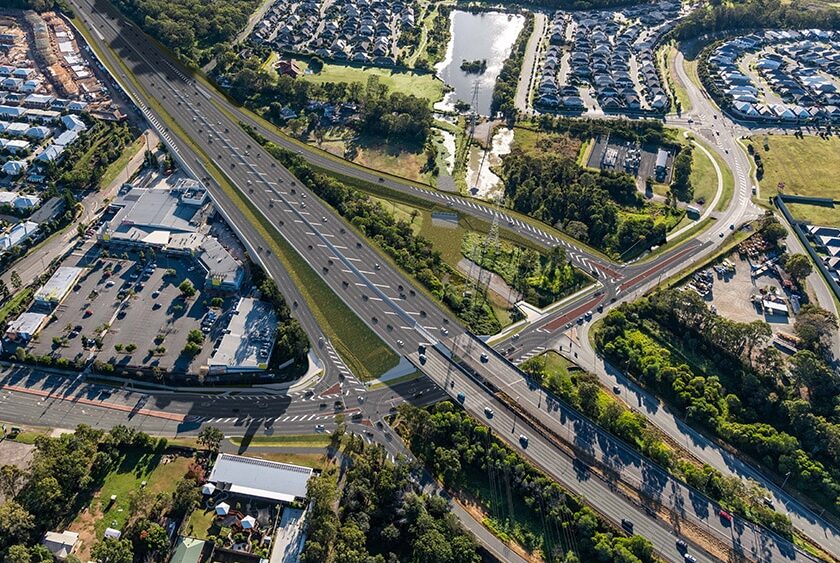
Safety upgrades on Queensland’s Bruce Highway have been completed at the Barton Road intersection at Kolonga, north of Gin Gin, with new turning facilities and reconfigured approaches to reduce conflict points. Works focus on safer right- and left-turn movements on and off the highway and improved sight distances for through traffic, addressing a known rural intersection risk profile. For designers and contractors, the project signals continued priority on low-cost, high-impact treatments on high-speed two-lane highways rather than major realignments.
The Federal Government has appointed Professor Eva Hanly and Christopher Rayner to the High Speed Rail Authority Board, strengthening governance for the planned Sydney–Newcastle high-speed corridor. Hanly brings nearly 30 years’ experience in procuring, delivering and operating complex transport, mining and energy infrastructure, including major PPP-style projects and multi-billion-dollar linear assets. Their appointments signal upcoming decisions on corridor protection, staging and procurement strategy that will shape geotechnical investigation programmes, interface with existing rail, and long-lead materials and construction planning.
Black Cat Syndicate has extended the mineralised footprint of its Trojan gold deposit in Western Australia, with a 56‑hole reverse‑circulation programme totalling 6804m intersecting gold beyond the current resource boundary in zones earmarked for early mine development. Drilling targeted down‑dip extensions to steeply dipping lodes in the northern sector and shallow, flat‑lying mineralisation, indicating potential for both underground and near‑surface extraction options. The results point to resource growth opportunities that could influence pit shell design, decline positioning and early production scheduling at Trojan.
OTR Tyres Wheels Service has expanded its underground mining range to cover both hard rock and coal operations, supplying specialised wheel assemblies from compact 20‑inch drill rig wheels up to larger underground loader and shuttle car fitments. The offering targets harsh, abrasive headings and wet coal roadways with purpose-designed rims, tyre compounds and bead seat configurations to reduce sidewall damage and unplanned downtime. For mine operators, the move signals broader local support for customised underground wheel–tyre packages, which are often critical constraints on fleet availability and tramming productivity.
Maritana Minerals has lifted the Burbanks gold project mineral resource to 13.7 million tonnes at 1.7g/t for 755,000oz, adding 290,000oz and taking its total company mineral resource inventory above 2Moz. The Western Australian project’s previous estimate was 6.1Mt at 2.4g/t, so tonnage has more than doubled while grade has fallen, implying a larger, lower‑grade envelope. For mine planning and geotechnical teams, this shift points to potentially expanded pit shells or underground footprints, altered stripping ratios, and revised economic cut-off assumptions.
BME is expanding its underground blasting offering in Australia as mines chase deeper, more complex gold, base metal and critical mineral orebodies, with acting general manager Dr Rakhi Pathak emphasising tighter control of development rates and costs. The company is deploying electronic detonators and advanced blast design to improve blast predictability, reduce overbreak and manage vibration in constrained headings. For geotechnical and mining engineers, the focus is on maintaining advance per blast while protecting ground support, minimising dilution and meeting stricter environmental limits.
Workday has been named a leader in the Gartner Magic Quadrant for Cloud HCM Suites for 1000-plus Employee Enterprises for the 11th consecutive year, reinforcing its position in large-scale workforce management. The NASDAQ-listed platform (WDAY) integrates HR, finance and IT functions, using enterprise AI to connect HR data, business processes and analytics in a single cloud environment. For mining operators running multi-site workforces above 1000 staff, this signals continued vendor stability for centralised rostering, skills tracking and compliance management.