Geomechanics, Streamlined.
© 2026 Geomechanics.io. All rights reserved.
Metso has appointed Jonathan Allen as chief growth officer effective 1 May 2026, tasking him with driving expansion across its minerals processing, aggregates and metals refining businesses. The role will sit on Metso’s executive team and focus on scaling solutions such as large SAG/ball mill circuits, high-capacity cone crushers and filtration systems for tailings and concentrate dewatering. For mine operators, the move signals continued investment in OEM-led process optimisation, brownfield throughput upgrades and integrated equipment–service packages.
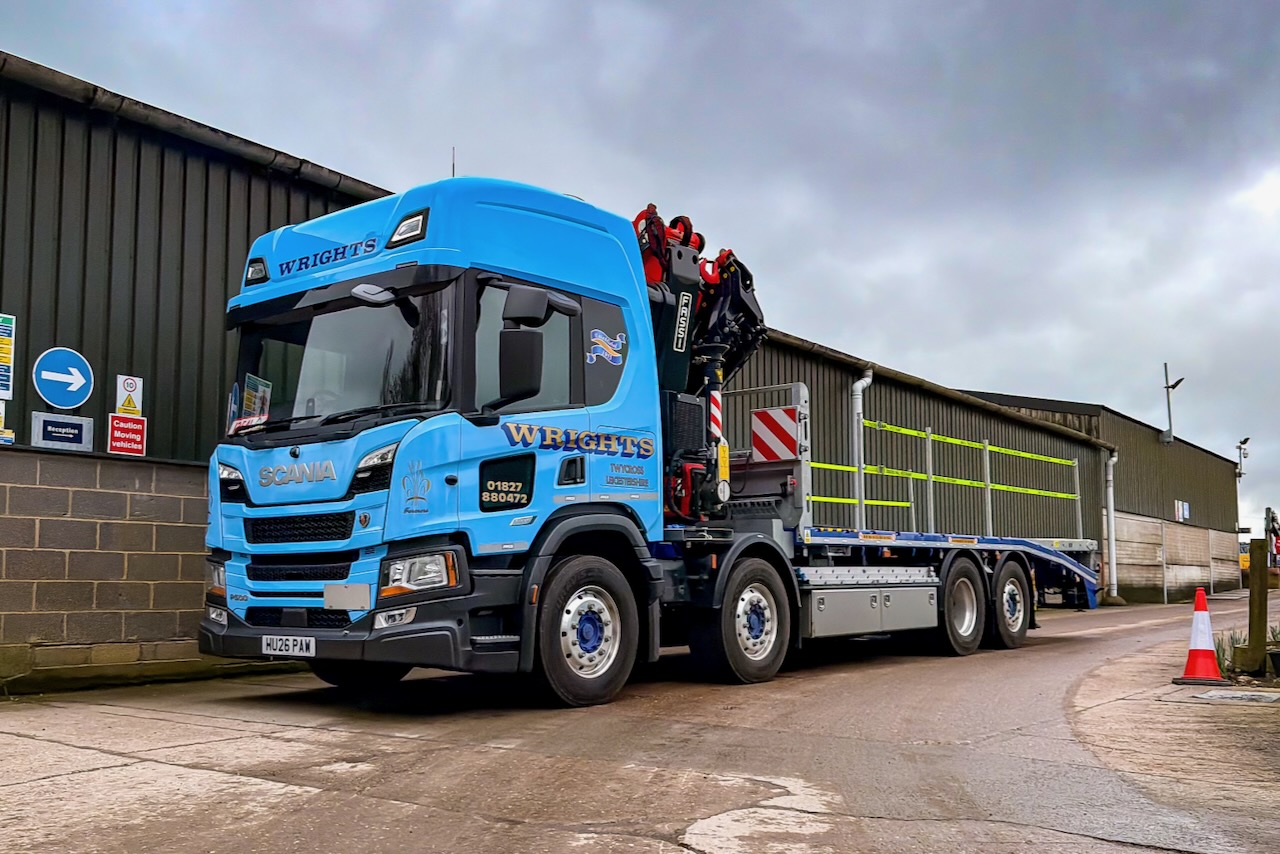
Wrights of Twycross has added its first Fassi unit, a Scania P500 Highline 8x2 32-tonne rigid from Mac’s Truck Sales fitted with a F545RA.2.25 loader crane rated to lift 3,080kg at 14.2m and a heavy-duty Mac’s Spec cheesewedge body providing a 10-tonne payload. The truck, turned around in four weeks from a stock build, also carries a VBG drawbar coupling for additional trailer capacity roughly twice a week. It will operate five to six days weekly on containers, pipework, holding tanks, trackway matting and heavy plant, supporting Wrights’ one-driver, one-truck policy.
Egis has appointed Afshan Rasheed to lead a new UK environmental consultancy practice, positioned alongside its existing energy, water and transport teams. The unit will deliver environmental impact assessment and wider environmental services across Egis’s major infrastructure and engineering portfolio, embedding sustainability criteria from early optioneering through to construction delivery. Rasheed, who has previously held senior roles at major engineering consultancies, is tasked with scaling specialist environmental capability and building high-performing, multidisciplinary teams across the UK business.
Natural Resources Wales and the Coal Authority’s Mining Remediation Authority used a PDG helicopter to place 109 bags of stabilisation material along the Nant y Bai riverbank at Nant y Mwyn lead mine, Carmarthenshire, where about 300m³ of spoil was at immediate risk of being washed into the river. The airlift avoided haul roads and heavy plant, limiting ground disturbance and allowing follow‑up hand work to protect rare grassland around the site. Reducing severe spoil erosion is expected to cut cadmium and zinc loading to the Afon Tywi, currently elevated for up to 25 km downstream.
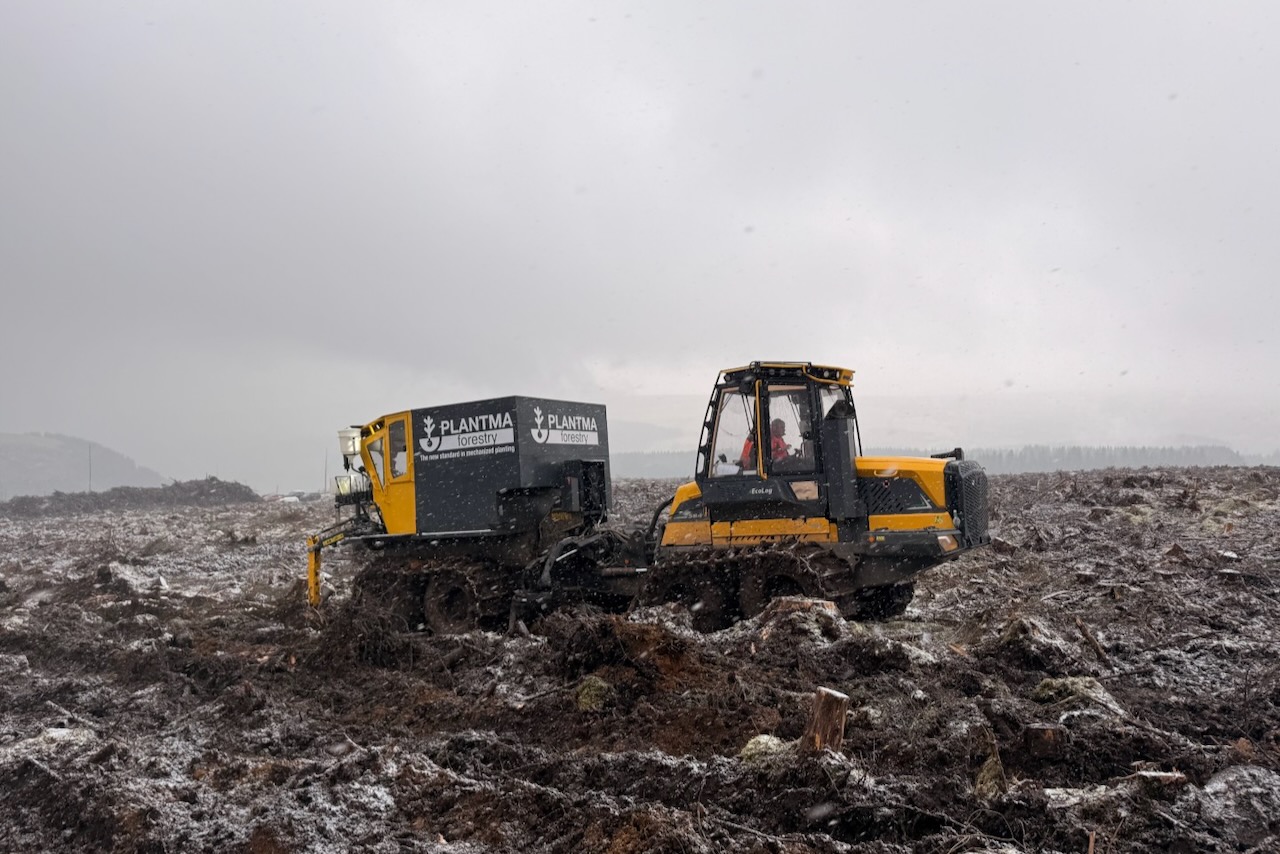
Tilhill Forestry has begun UK trials of the Swedish Plantma Forestry PlantMax automated planting system to accelerate woodland restocking and new planting. The machine combines ground scarification support with twin automated planting arms featuring adjustable compaction, and early trials show consistent planting quality across multiple site types at commercially viable rates. Performance is being benchmarked against manual methods over several seasons, with particular focus on terrain, drainage and ground preparation constraints, and on deployment in hard-to-reach areas where mechanised planting could materially reduce exposure for planting crews.
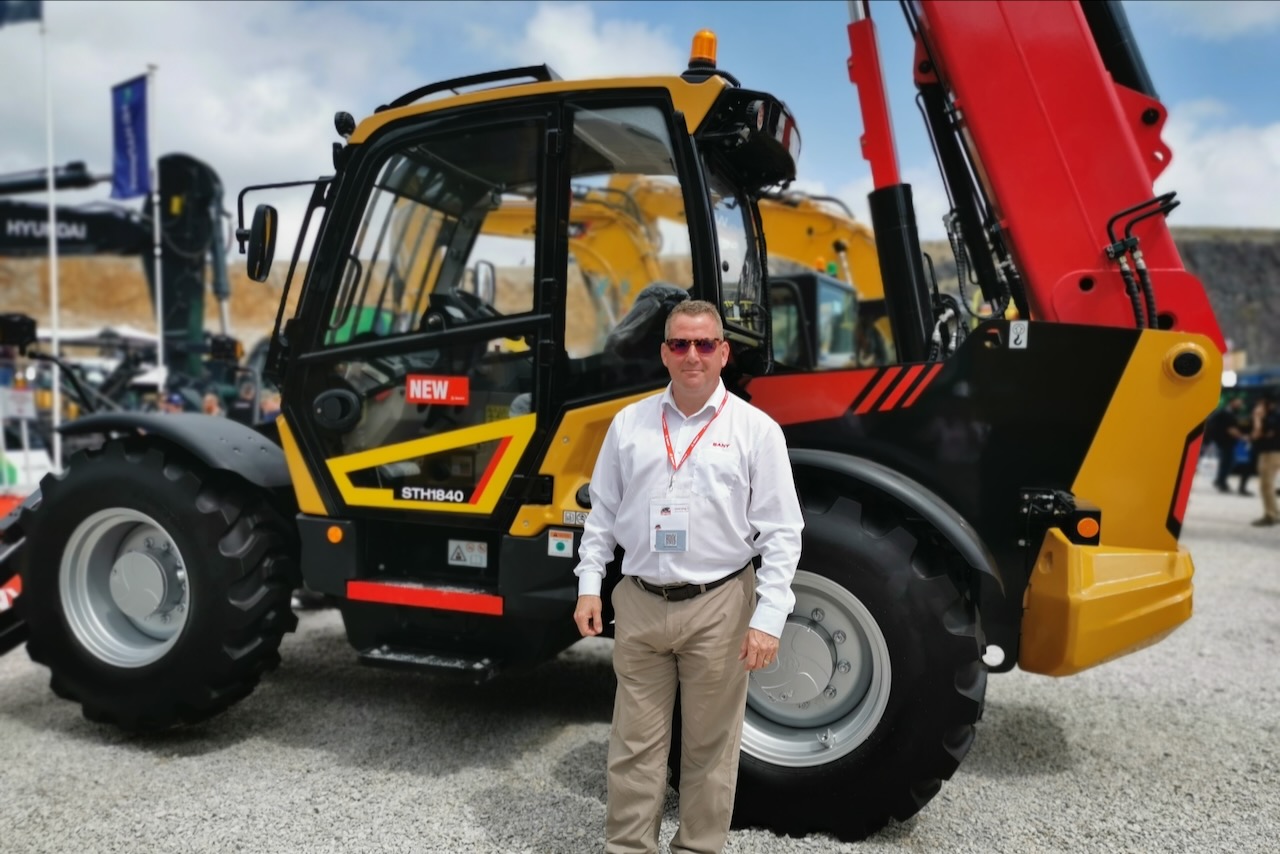
Sany has promoted Philip Boddy to global product director for telehandlers, moving him up from his previous Europe-focused product manager role to steer worldwide platform strategy and specification. Christopher Jarvis has been appointed head of telehandler sales for the UK and Ireland, taking responsibility for dealer networks and regional market growth. The moves signal a push to standardise Sany’s telehandler offering across markets while sharpening commercial focus in key rental and construction segments in Britain and Ireland.
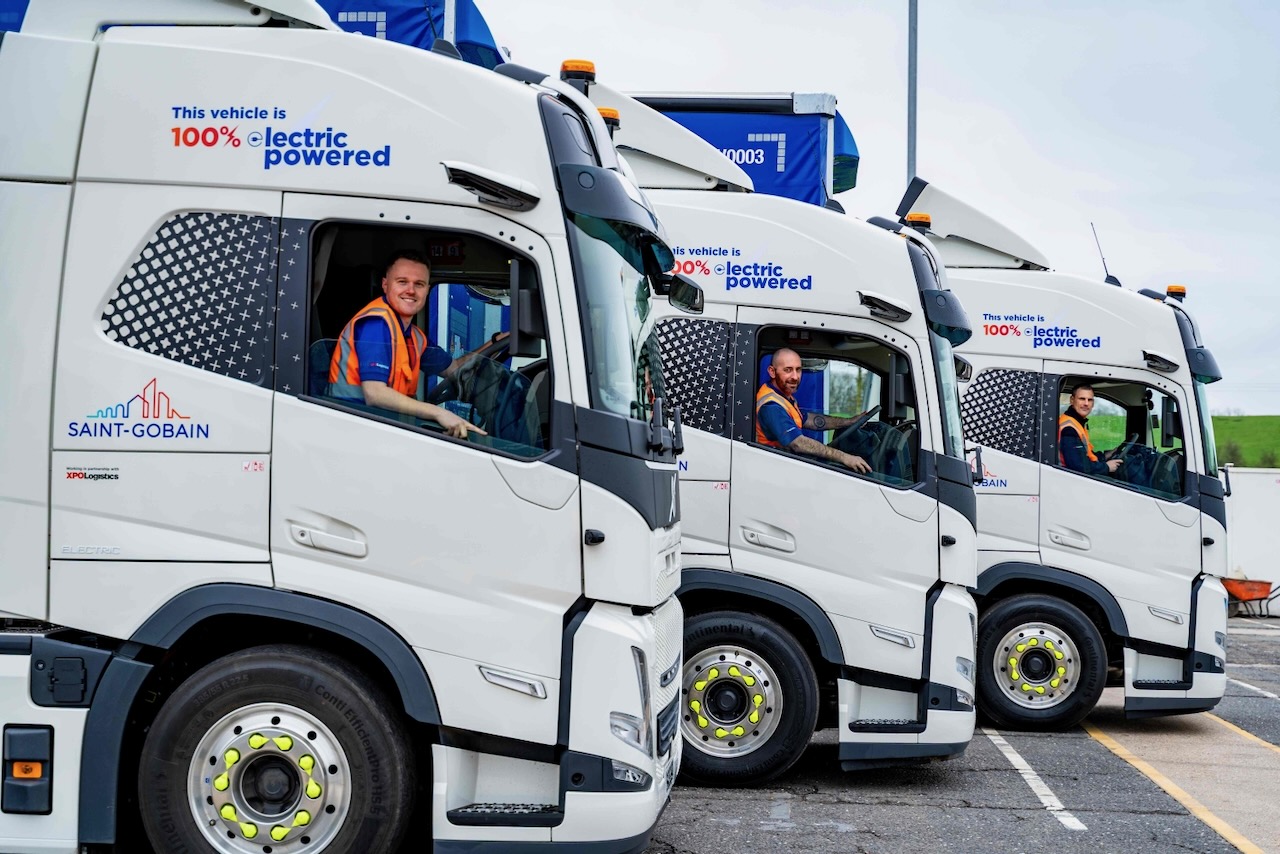
Saint-Gobain has deployed six Volvo electric HGVs with XPO Logistics for a five‑year operational trial from its Midlands logistics hub, supported by UK Government ZEHID funding. Gridserve is installing four 350 kW chargers on site, capable of charging each eHGV to 80% in 90 minutes and to full capacity in under two hours, enabling two delivery cycles per vehicle per day. The fleet is expected to complete around 12,000 deliveries to more than 50 regular UK construction and merchant customers, providing real‑world data on all‑electric heavy freight operations.
Groundforce Shorco has installed nine modular hydraulic props to brace a 4m-deep, 50m by 40m basement excavation for a new six-storey, 108-bed Clore Manor care home with underground parking in Hendon, north London. A secant-piled retaining wall is supported by six MP150 raking props (7.3–10.3m) along the northern edge and three high-stiffness MP375 props on the eastern side, adjacent to the Great North Way and a deeper attenuation-tank excavation. Deflection was limited to ±10mm, driving the choice of MP375s for stiffness rather than their 375t (3,677kN) axial capacity.
Strabag has agreed a £58.8m cash offer for UK ground engineering contractor Van Elle, paying 52.3p per share – a 58.5% premium to the 8 April closing price – with shareholders holding about 45% of the stock already backing the deal. Strabag plans to fold Van Elle’s piling, ground improvement and geotechnical services into its UK infrastructure portfolio, targeting residential, water, energy and transport schemes. The move is aimed at broadening in-house ground engineering capability and creating cross-selling opportunities on major civils projects.
Morgan Sindall Construction has secured a £29.3m contract from Ealing Council to redevelop Villiers High School in Southall, centred on a new three-storey Eco teaching block. The scheme will replace outdated accommodation with a modern block designed to improve energy performance and support expanded capacity, although detailed fabric, MEP and low‑carbon system specifications have not yet been released. Contractors and designers should note the project as another London borough commissioning higher‑value, sustainability‑branded school infrastructure, with procurement and design standards likely to track current DfE low‑energy school guidance.
Strabag UK has acquired Crofton Engineering Limited, a Linton, Cambridgeshire-based specialist in structural steelwork, architectural metalwork and turnkey fire training infrastructure including training buildings and towers. Crofton will continue trading under its own name from its existing fabrication and installation facilities, with the current senior management team retained to maintain project and client continuity. Strabag MD technical Ian Burford said the deal is a core part of Strabag’s UK growth strategy, pairing its wider resources with Crofton’s specialist steel fabrication and fire-training structures expertise.
Trant Engineering has opened a new regional office in Exeter to service its five‑year AMP8 Amplify Framework contract with South West Water, located close to the client’s headquarters for tighter programme and site coordination. The hub will support project delivery across Devon, Cornwall and Somerset, including western Wessex Water framework schemes and newly secured Bristol Water works. Trant plans to use the base to consolidate design, construction and MEICA delivery for water, energy and defence infrastructure in the South West.
Laing O’Rourke has secured BSI certification to PAS 2080:2023 for carbon management in buildings and infrastructure, confirming its organisation-wide processes for assessing and reducing whole-life emissions. The updated PAS 2080:2023 specification extends beyond linear infrastructure to cover buildings and mandates value-chain collaboration, transparent governance and quantified carbon reduction pathways aligned with net-zero targets. For contractors and consultants, this signals that major Tier 1 clients may increasingly require verifiable PAS 2080-compliant carbon management on design, procurement and construction packages.
Brogan Group is expanding its scaffolding operations across the Midlands and North of England, appointing industry specialist Jon Cooke to lead growth in combined access solutions for regional projects. The move follows investment in powered access, particularly construction hoists, and builds on the October 2025 acquisition of Sunbelt’s hoist division. A Wigan depot will act as a central hub for large-scale scaffolding, powered access, common tower, Atlas loading gantry and crane deck projects, consolidating temporary works logistics for major sites.
Kier has mobilised a 100-strong team to deliver a £700M Norfolk highways and infrastructure services agreement, signalling the full operational start of the long-term contract. The programme will cover routine and structural maintenance of the county’s road network, associated structures and local infrastructure assets, with Kier responsible for planning, inspection and on-the-ground works. Contractors and suppliers can expect sustained demand for pavement materials, drainage upgrades and asset condition surveys across Norfolk’s strategic and local routes over the contract period.
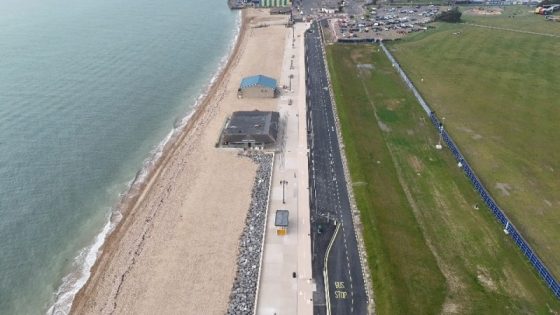
VSBW, the VolkerStevin–Boskalis Westminster joint venture, has opened the latest phase of the Southsea Coastal Scheme, delivering a new engineered frontage on the Portsmouth seafront. The section forms part of the multi-phase tidal flood defence upgrade designed to protect thousands of low-lying properties from coastal flooding and overtopping events. For geotechnical and coastal engineers, the scheme is a live reference for complex urban seawall construction, ground improvement and phased works in a constrained, heavily used waterfront environment.
American Ocean Minerals Corp. is merging with Odyssey Marine Exploration in an all‑stock reverse takeover to form a roughly $1 billion Nasdaq‑listed deep‑sea miner (ticker AOMC), backed by over $225 million in recent equity financings and chaired by former Rio Tinto CEO Tom Albanese. The company is assembling a polymetallic nodule portfolio across the Cook Islands EEZ and US‑regulated international waters, including the Clarion‑Clipperton Zone and Penrhyn Basin, targeting nickel, copper, cobalt, manganese, iron and rare earths. AOMC has already met compliance for two US exploration applications under the Deep Seabed Hard Mineral Resources Act, covering more than 1.4 billion tonnes of inferred resources and moving towards prefeasibility and environmental studies as regulation evolves.
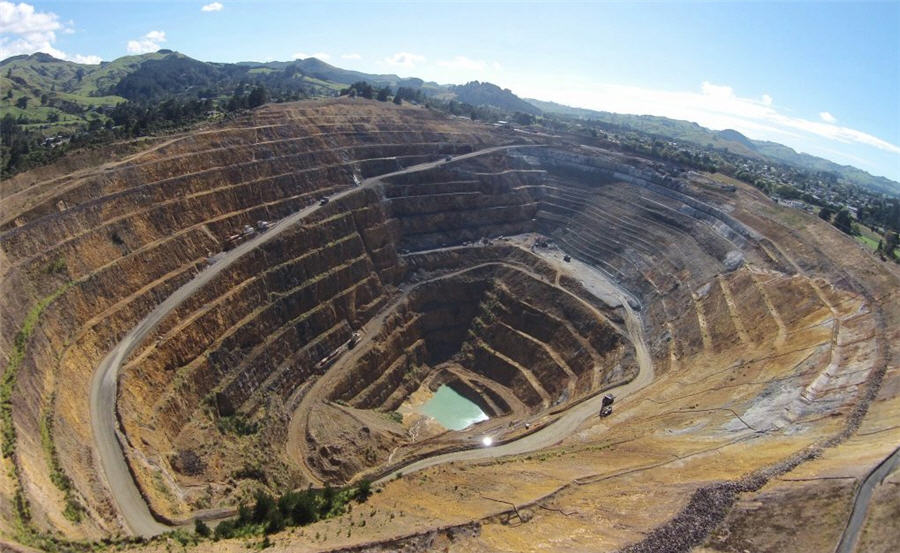
AI-driven subsurface intelligence is shifting mining from drilling more holes to connecting fragmented datasets, with 51% of geoprofessionals already using or considering AI despite only 39% of organisations having a defined data framework. At OceanaGold’s Waihi mine in New Zealand, a cloud-based AI tool re-analysed legacy drill data to identify a previously unmodelled vein in 60 minutes, adding an estimated US$10 million in value, while PT Stargate reports a 10% gain in grade control efficiency and an 80% reduction in drilling. Dynamic, traceable geological models are emerging as key to faster permitting, more defensible risk assessments, and tighter control of drilling-related environmental impacts.
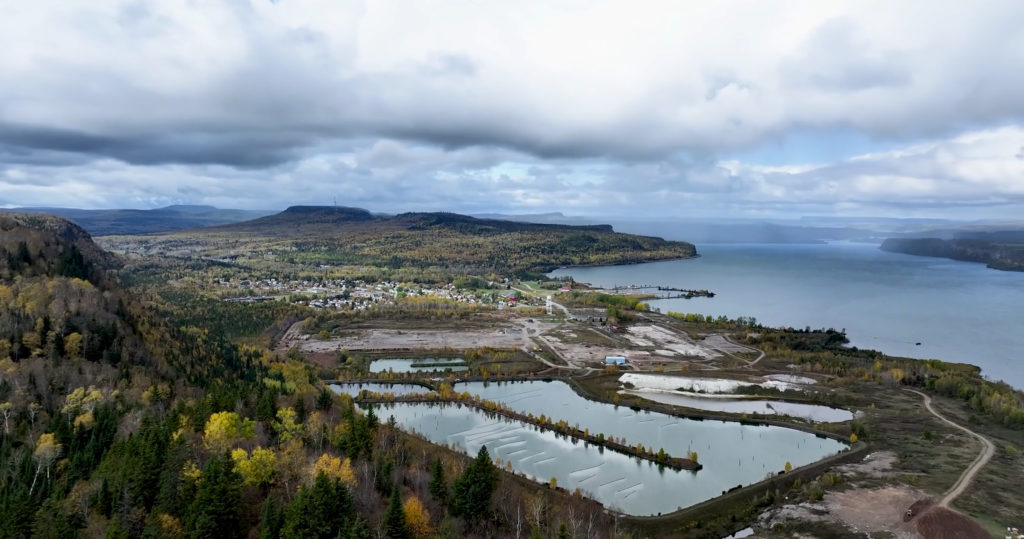
Rock Tech Lithium has secured a C$200 million investment from Canadian developer BMI Group to advance its Red Rock lithium converter in northern Ontario, designed to produce up to 32,000 tonnes per year of battery-grade lithium carbonate equivalent using a fully engineered and permitted converter design from its Guben, Germany operation. The 337-acre former Norampac paper mill site, about 100 km east of Thunder Bay, offers rail and road access plus roughly 120 MW of power capacity, with up to C$30 million earmarked for engineering, permitting and early works ahead of a 2026 final investment decision. Feedstock is planned from Rock Tech’s Georgia Lake project 60 km north, which has 10.6 million indicated tonnes at 0.88% Li₂O and 4.2 million inferred tonnes at 1% Li₂O, with mine capex estimated at about C$291 million for a nine-year life and converter start-up targeted for 2029.
Brazil’s Superior Court of Justice has reinstated criminal charges against former Vale CEO Fábio Schvartsman over the 25 January 2019 Brumadinho Córrego do Feijão tailings dam collapse, which killed more than 250 people and erased about US$19 billion from Vale’s market value in a single day. Federal prosecutors cited extensive internal documentation alleging Schvartsman assumed the risk of death by not acting on known instability issues at the upstream tailings structure, overturning a Minas Gerais court’s habeas corpus ruling. The decision restores 16 defendants, including ex‑Vale staff and TÜV SÜD consultants, with over 160 witnesses scheduled and hearings expected to run into next year, keeping corporate accountability for dam safety in sharp focus.
Gold jumped as much as 3% to a three-week high above $4,850/oz after the US and Iran agreed a two-week ceasefire, easing fears that Middle East-driven oil price spikes would lock in higher inflation and delay US Federal Reserve rate cuts. Prices are still down about 9% since the war began and remain below the near-$5,600/oz record hit earlier in 2026, with analysts warning the rebound is fragile and highly sensitive to any breakdown around the Strait of Hormuz. Longer term, Goldman Sachs and Wells Fargo maintain bullish targets of $5,400/oz and $6,300/oz respectively.
First Quantum Minerals has partnered with the International Finance Corporation to align the Taca Taca copper project in Salta Province, Argentina, with IFC Performance Standards on Environmental and Social Sustainability, a move aimed at improving access to debt financing. The open-pit project is scoped for 40 Mtpa throughput with expansion potential to 60 Mtpa, requiring about $4.2–5.25 billion in capex and targeting roughly 291,000 tonnes of copper per year over the first decade of a 35‑year mine life. Construction is expected to create up to 4,000 jobs and 2,000 operational roles, with IFC emphasising local skills development and infrastructure build‑out.
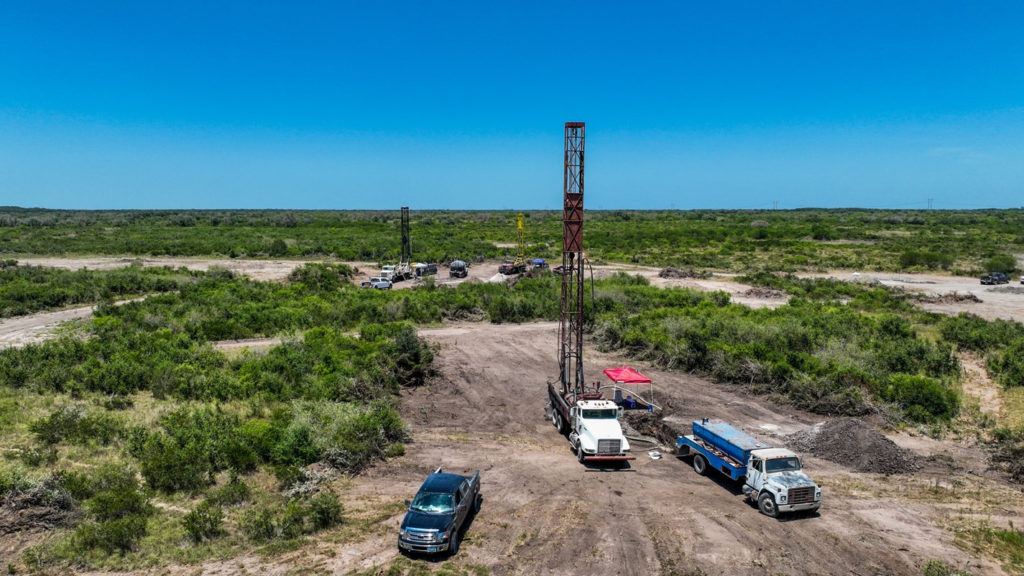
Uranium Energy Corp has started production at its Burke Hollow project in Texas, the first new US in-situ recovery (ISR) uranium operation in more than a decade and now the country’s largest ISR wellfield, with measured and indicated resources above 6.15 million lb on a 20,000-acre property. The Vancouver-based miner now runs two active ISR operations, adding Burke Hollow to Christensen Ranch in Wyoming, with a third planned at Ludeman next year. ISR solutions from Burke Hollow will be piped to the Hobson Central Processing Plant, licensed for up to 4 million lb U₃O₈ per year.
The Metals Royalty Company has listed on Nasdaq under ticker TMCR, offering investors a royalty exposure to TMC’s NORI deep-sea polymetallic nodule project in the Pacific Ocean targeting nickel, cobalt and copper. Chief executive Brian Paes-Braga positions the structure as a conventional mining royalty model applied offshore, with returns linked to future production from nodules on the Clarion-Clipperton-type seabed rather than equity in TMC (NASDAQ: TMCWW). For mining financiers and project developers, the move signals growing capital-market appetite for seabed resource plays despite unresolved regulatory and production-risk questions.