Geomechanics, Streamlined.
© 2026 Geomechanics.io. All rights reserved.
PLS has commissioned Australia’s first mine-site lithium mid-stream processing facility at its Pilgangoora Operation in Western Australia, with Premier Roger Cook officiating the opening, marking a shift from exporting raw spodumene concentrate towards higher-value battery materials. The Mid-Stream Demonstration Plant is integrated directly with the existing open-pit and concentrator complex, enabling on-site conversion steps that are normally performed at distant chemical refineries. For mine planners and process engineers, this signals growing interest in co-locating beneficiation and mid-stream refining to cut logistics, reduce intermediate handling and tighten quality control.
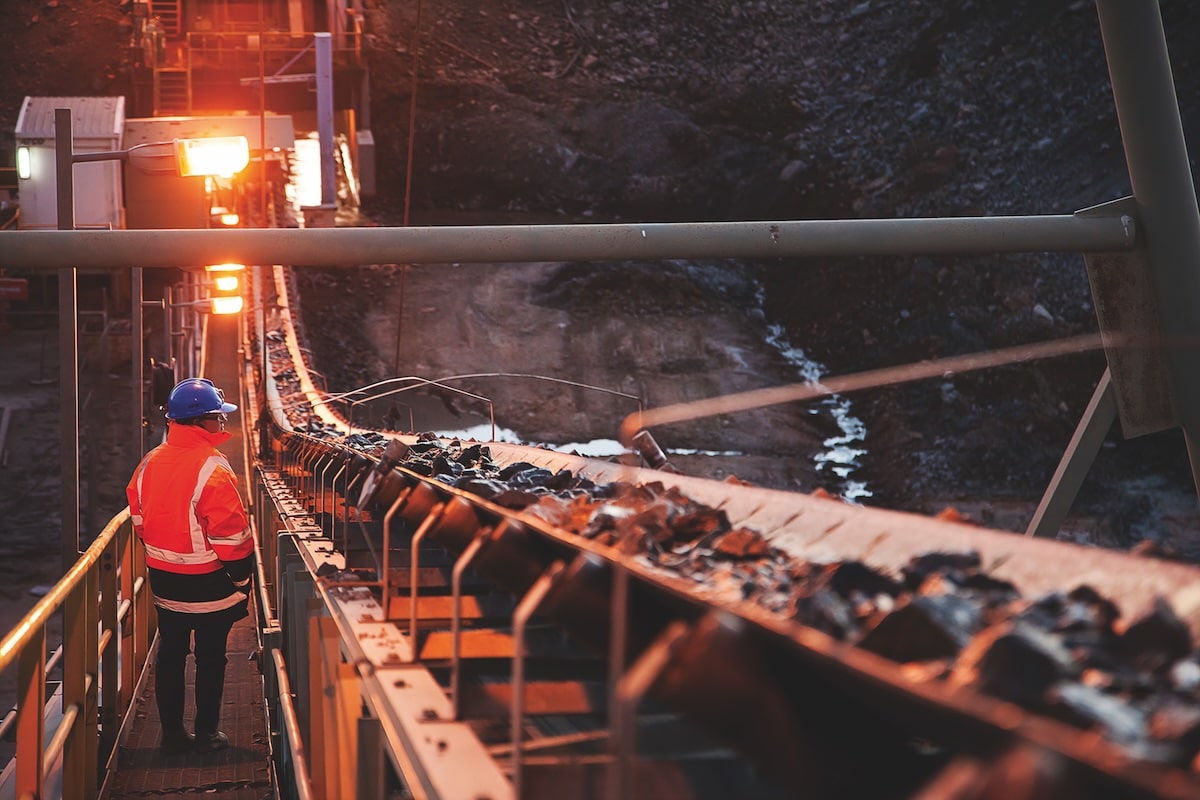
Boton is deepening conveyor technology collaboration with BHP and Hancock Iron Ore, hosting senior delegations at its Wuxi headquarters to review performance of its high-wear belt materials and advanced splice designs on large iron ore overland systems. Discussions reportedly centred on extending belt life in abrasive Pilbara ores, optimising idler spacing and troughing angles for higher tonne-per-hour capacities, and integrating condition monitoring for early detection of misalignment and shell wear. For mine operators, the work signals continued incremental gains in conveyor availability and reduced maintenance shutdown frequency on long-haul ore routes.
Weichai-controlled LOVOL Heavy Industry has delivered its first FR2000F hydraulic mining excavator, a 212 t class machine, to an open-pit mine customer in China. The FR2000F is powered by a Weichai 12M33 low-speed, high-torque, fully electronically controlled engine with quad-turbocharging and an advanced modular design, aimed at high-load, continuous mining duty. The 200 t class size positions it for pairing with ultra-class haul trucks, potentially altering fleet configurations and loading cycle times on large benches.
Knights Brown has reported 2025 turnover of £136m, up from £116m, with a gross margin of £15m and EBITA of £5.4m, equivalent to a 4% margin. The civils and construction contractor is active in coastal defence, port infrastructure and energy schemes, signalling a workload mix weighted to heavy civil engineering rather than building. Management is now positioning for AMP8 water-sector frameworks, where long-duration, programme-based contracts could materially influence future cashflow stability and resource planning for marine, pipeline and treatment-plant works.
MKM Building Supplies chief operating officer Dave Castle has been appointed board adviser to the Builders Merchants Federation, returning to the BMF Board as MKM expands its UK branch network. Castle, MKM’s first-ever COO with over 21 years’ experience in the building materials sector, has been working directly with branch directors, suppliers and customers to support ongoing investment in branches, people and services. His role at BMF will focus on training, safety, government lobbying and promoting careers in merchanting, giving MKM direct input into industry-wide policy discussions.
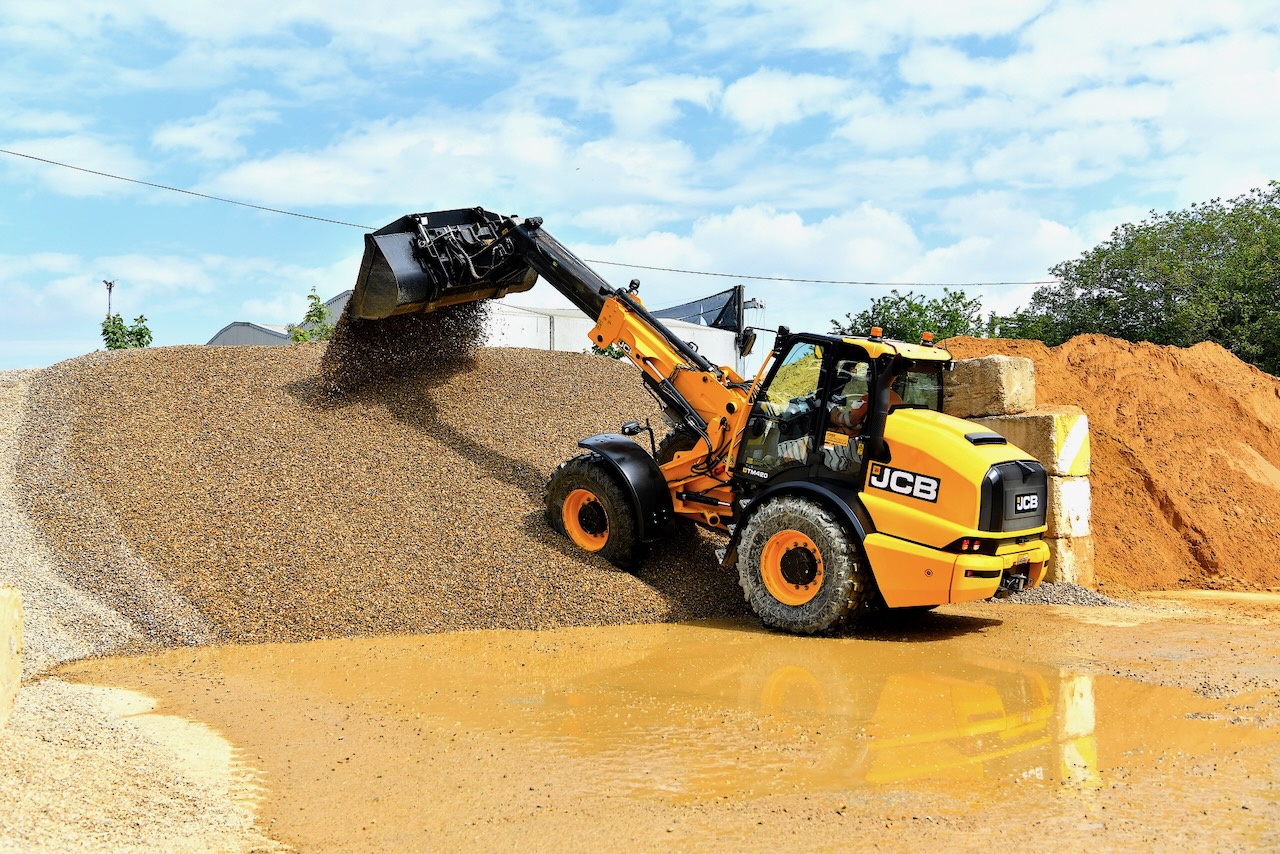
Base Concrete in Hemel Hempstead has purchased a second JCB TM420 telescopic wheel loader from Greenshields JCB to handle sand, cement and aggregate loading for its mobile batching lorry fleet. The TM420’s bucket capacity and boom extension were selected to match truck dimensions and cycle times in a constrained yard, avoiding both oversize machines that cannot manoeuvre and undersize units needing multiple passes. Director Paul MacGregor cites the balance of loading speed, bucket size and manoeuvrability as critical for reliable on-site concrete production.
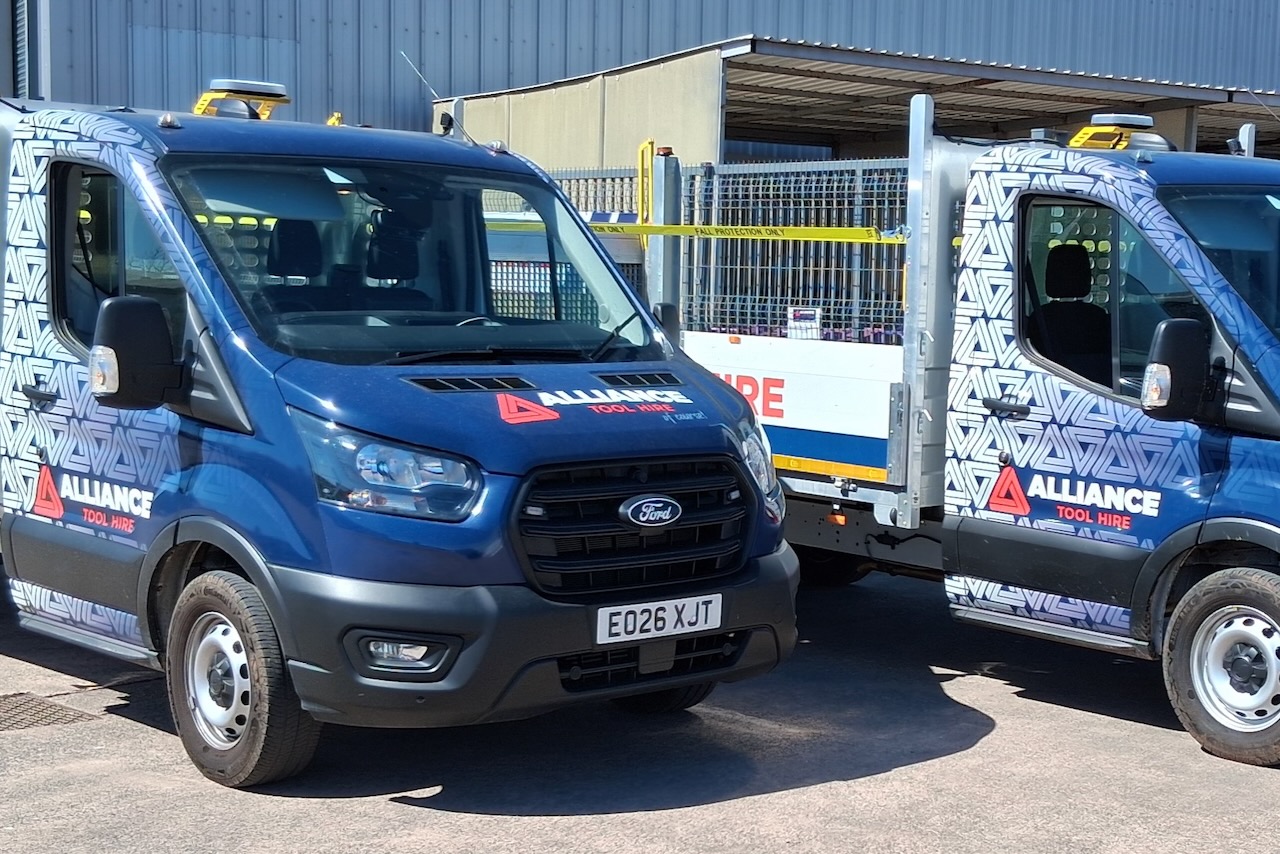
Alliance Tool Hire has invested £900,000 in more than 20 new delivery vehicles, adding 3.5‑tonne Ford Transit 350 Leader L4 dropside vans and smaller Transit L3 models to support operations from its 10 UK depots. The Poole-headquartered firm services sites from Bath, Bristol, Salisbury, Poole, London (north, south and east), Kent, Gatwick and Newport, supplying power tools, access and survey equipment, and lifting hire and sales. Increased dropside capacity and mixed vehicle sizes should improve tool and small plant logistics to congested urban and regional infrastructure projects.
Turner & Townsend has reported 2025 global gross revenue of £5.76bn, a workforce of 22,000 and a real estate major-projects portfolio approaching £3tn in capital investment, including the UK New Hospital Programme and Barclays’ New York headquarters. Infrastructure growth is being driven by Heathrow Airport expansion, Anglian Water’s long‑term capital investment programme and the Clyde 2070 defence programme, plus new airport commissions in Vietnam, Bangalore and Perth. In energy and natural resources, the firm has been appointed a critical partner on Rolls‑Royce’s nuclear programme, extending its nuclear work across six continents.
CITB has launched an Accelerated Apprenticeships programme targeting 1,680 starts over four years to support the government’s 1.5m homes by 2029, cutting typical training duration from 2–3 years to 14–18 months for bricklaying, carpentry and roofing. Delivery uses intensive front‑loaded learning plus structured block release and on-site experience through an initial five programmes at FE colleges and training providers, expanding to 20 by mid‑2029. The first phase prioritises Greater Manchester, West Yorkshire, West Midlands, Kent, and Bedfordshire/Hertfordshire, feeding into a new National Construction Mayoral Network.
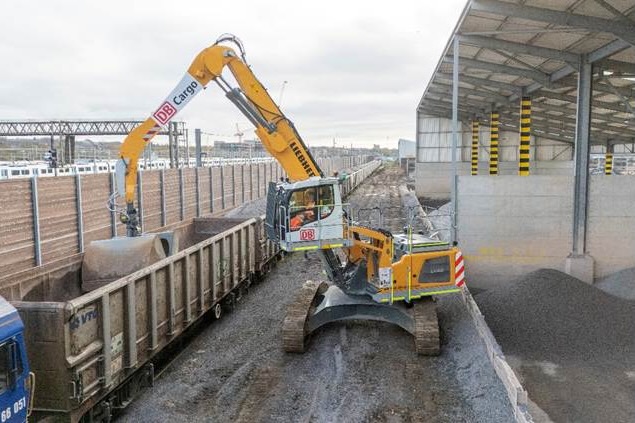
DB Cargo UK has invested £8.5m, financed via a Siemens Financial Services credit line, to purchase seven Liebherr LH 40 material handlers for its rail-served aggregate terminals. The diesel-electric LH 40 units will load construction aggregates onto freight trains, supporting higher throughputs and shifting material from road to rail. For civil and rail engineers, the move signals continued build-out of dedicated aggregate handling capacity to back large UK infrastructure and housing projects with lower-carbon logistics.
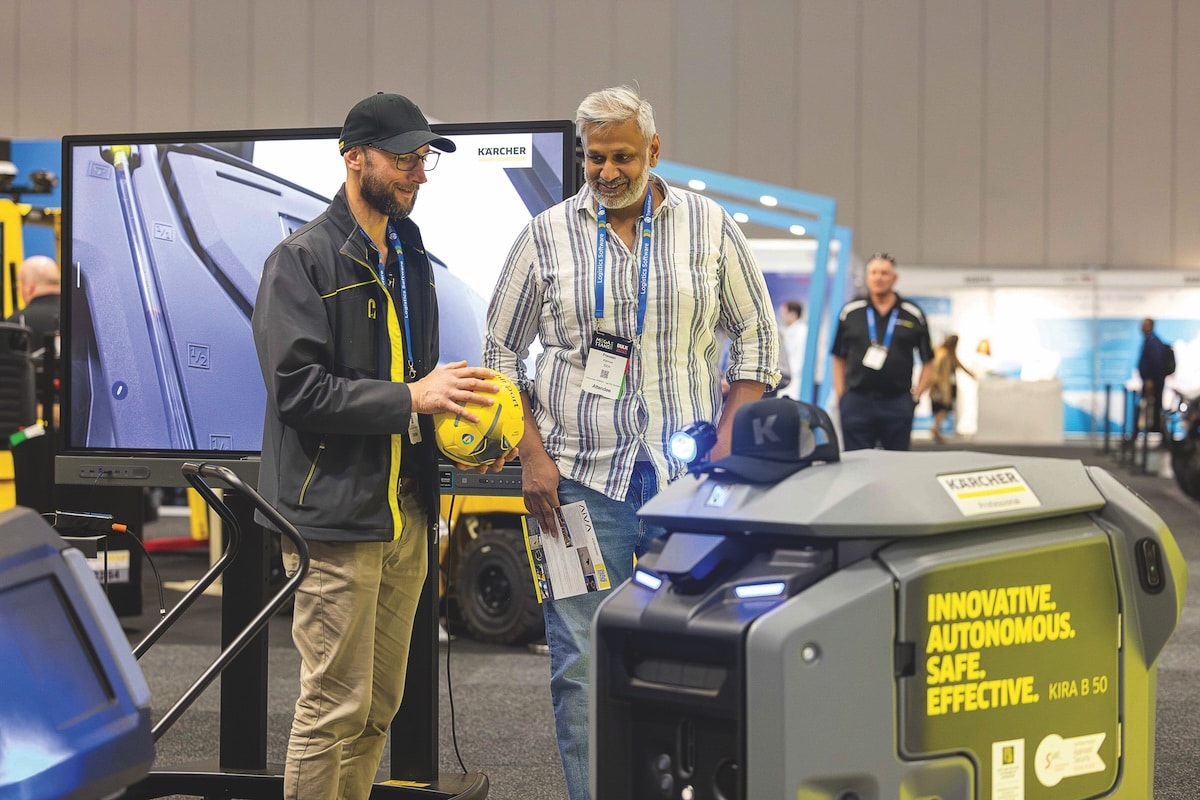
BULK2026 in Melbourne will focus on protecting productivity, safety and material integrity across the bulk handling chain, from flow control equipment to large-scale storage such as silos, stockpiles and export terminals. Technical sessions are expected to cover dust and spillage control, belt conveyor reliability, chute design, and condition monitoring for increasingly long, high-capacity conveyor systems. For mining engineers, the event signals growing emphasis on managing fire, explosion and structural risks in larger, more complex bulk handling plants rather than just maximising throughput.
Fresh international demand, tightening energy markets and rapid data centre expansion are giving Australia’s thermal and metallurgical coal sector renewed momentum, with India emerging as a key growth market. Energy security concerns in Asia are supporting long-term offtake for high‑CV thermal coal from Queensland and New South Wales, while steel demand keeps coking coal exports competitive against alternative suppliers. For mine planners and infrastructure owners, the signals point to sustained port throughput, rail capacity utilisation and potential brownfield mine life extensions rather than rapid phase‑out.
Aureka has defined multiple new high-priority gold exploration targets at its 100 per cent-owned Irvine project in Victoria’s Stawell Corridor after completing an airborne magnetic geophysical survey. The higher-resolution magnetic dataset sharpens imaging of subsurface structures, enabling more precise interpretation of the structural architecture that controls mineralisation along strike from the Stawell and Magdala gold systems. This will guide follow-up drilling and ground geophysics, concentrating spend on structurally focused targets rather than broad, reconnaissance-style drilling.
Queensland has launched Australia’s largest high‑resolution airborne gravity survey, a project of up to $4 million covering 40,000km north of Mount Isa to pinpoint new critical minerals targets. Flown in partnership with Geoscience Australia, the survey will capture detailed gravity data over the North-West Minerals Province, improving subsurface models beyond existing magnetics and radiometrics. For explorers, the dataset should sharpen drill targeting for commodities such as copper, rare earths and vanadium in structurally complex basement terranes.
BHP has committed $160 million to community infrastructure in Port Hedland, including an $80 million upgrade of Hedland Senior High School, a new aquatic centre and dedicated service worker accommodation. The package, announced by BHP Australia president Geraldine Slattery, is the company’s largest-ever community investment in Western Australia and targets long-term liveability in the iron ore hub. For mining project planners, the spend signals continued emphasis on social licence and workforce retention in a town already constrained by housing and services capacity.
Transport Scotland has issued a £1.94bn contract notice for a multi‑lot delivery framework to dual the five remaining single‑carriageway sections of the A9 between Perth and Inverness, completing the roughly £4bn corridor upgrade. The framework will cover design and construction of new dual carriageway, associated structures and junctions, and online/offline widening through constrained Highland terrain. Contractors will need to manage complex phasing, traffic management on a live trunk road, and geotechnical risks linked to variable glacial deposits and peat.
Yorkshire Water is setting up a £50M professional services framework to reinforce design and project delivery capacity for its expanding AMP8 capital programme. The framework will procure specialist resources such as civil and structural designers, project managers and cost consultants to support treatment works upgrades, network resilience schemes and major pipeline renewals across its 31,000km water and 52,000km wastewater networks. Consultants should expect multi-year call-off commissions focused on programme management, constructability, and delivery assurance rather than standalone design-only packages.
Five engineers have been shortlisted for the final of the Beyond Design Early Careers Bridges Challenge, run by New Civil Engineer with the Adept National Bridges Group and the Rochester Bridge Trust to promote innovative bridge solutions. The competition targets early-career professionals working on real-world bridge problems such as asset management, resilience and whole-life performance, rather than purely conceptual designs. For bridge owners and consultants, it signals a pipeline of young engineers being pushed to engage with durability, inspection and maintenance challenges under realistic client constraints.
Lynas Rare Earths has appointed chief operating officer Pol Le Roux as interim chief executive officer, effective when long‑serving CEO Amanda Lacaze retires later this month. Le Roux currently oversees Lynas’ processing operations in Malaysia and Western Australia, including plant performance, supply chain and major project delivery across its rare earths value chain. The leadership change comes as Lynas advances capacity expansions and process upgrades at its WA mining and concentration assets and downstream cracking and separation facilities in Kuantan.
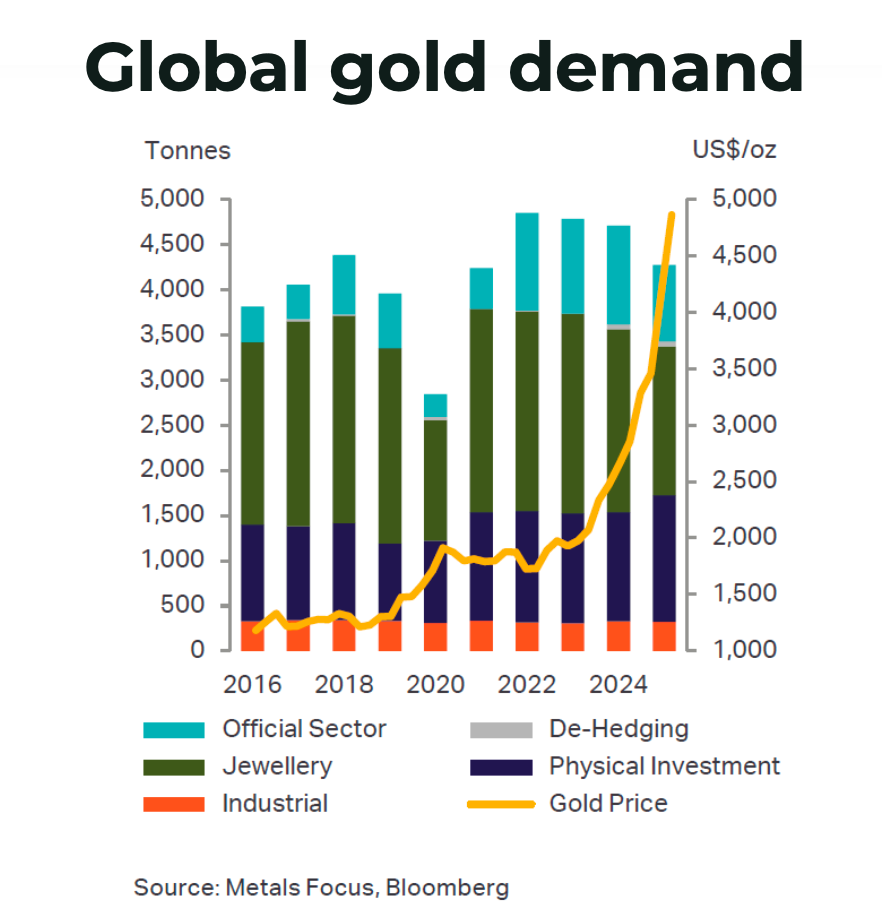
Gold prices are forecast by Metals Focus to average a record $4,920/oz in 2026, with total supply up 3.1% as mine production rises 2.4% to 3,907 tonnes and recycling grows 5.1%. Physical investment, which jumped 16% in 2025 and drove 803 tonnes of ETF inflows, is expected to overtake jewellery as the largest demand segment, while fabrication falls another 11% after a 19% drop to 1,646 tonnes last year. Central bank net purchases are seen staying high at 848 tonnes despite a 22% decline, reinforcing bullion’s role as a macro hedge.
Resource nationalism is shifting from tax and royalty changes to export bans, production quotas and processing mandates, with China’s October 2025 rare earth export controls framework and the DRC’s 2025 cobalt export ban-turned-quota regime exposing supply chains to abrupt political risk. Indonesia’s nickel export ban has pulled in billions of dollars of downstream smelting and refining, while Vietnam’s ban on raw rare earth exports and Chile’s state-led lithium model tighten state control over value addition. Gibson Dunn warns that stabilisation clauses, force majeure terms and bilateral investment treaties are being stress-tested, making contract design, ownership structures and processing locations as critical as ore grades for lithium and rare earth projects.
Canada has launched an industry-led Mining and Minerals Workforce Alliance, led by the Mining Industry Human Resources Council with Mining Association of Canada support, to tackle labour shortages across critical minerals, advanced manufacturing and major infrastructure projects. Backed by C$81 million over five years as one of six national workforce partnerships, the initiative targets a sector that contributed C$112 billion to GDP in 2024 and directly employs about 438,000 workers. Success hinges on converting employer–educator–Indigenous collaboration into concrete training, apprenticeship and recruitment pipelines for specialised trades, technical roles and remote operations.
Seabridge Gold’s C$8.8 billion KSM project in B.C.’s Golden Triangle remains unbuilt 12 years after federal and provincial environmental approvals, despite 2.29 billion tonnes of reserves grading 0.64 g/t gold and 0.14% copper, as a 12.5 km Mitchell Treaty Tunnel segment crosses Tudor Gold’s Treaty Creek mineral claims. The province has invested C$1.2 billion in early works at KSM and designated it a priority, while Tudor advances a PEA on the 912.3 million tonne Goldstorm deposit (0.85 g/t Au, 5.07 g/t Ag, 0.15% Cu). Parallel federal reforms, including proposed one-year review timelines and ministerial approvals for fish-bearing tailings impoundments and Navigable Waters permits, aim to cut years from major mine permitting but leave DRIPA-related Indigenous rights risks unresolved.
Ivanhoe Mines’ Kipushi operation in the DRC set a new monthly record in May with 25,677 tonnes of zinc concentrate, driven by 72,003 tonnes milled at 36.2% Zn feed grade and 93% recovery, putting year-to-date output at about 110,000 tonnes. At this run rate, Kipushi would rank as the world’s fourth-largest zinc producer in 2026, within guidance of 240,000–290,000 tonnes, while a second tailings storage facility is 90% complete with first deposition targeted for October 2026. The performance comes as LME zinc trades near $3,630/t, close to a four-year high.