Geomechanics, Streamlined.
© 2026 Geomechanics.io. All rights reserved.
Fortuna Mining has secured Senegalese government approval of the environmental and social impact assessment for its Diamba Sud gold project in eastern Senegal, clearing a key hurdle ahead of a mining permit decision following its 4 Feb 2026 application. A 2025 preliminary economic assessment reported an after-tax IRR of 72% and a US$563 million NPV (5% discount rate) at US$2,750/oz gold, with a 2026 project budget of US$100 million and final investment and construction decision targeted by mid‑2026. For engineers, the ESIA decree signals regulatory alignment for detailed design, site preparation and construction planning.
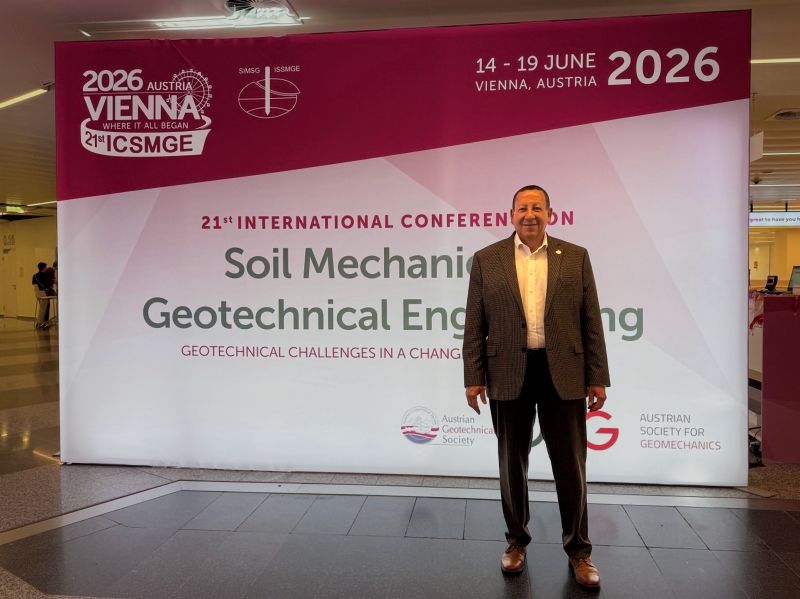
Professor Lyesse Laloui has been elected President of the International Society for Soil Mechanics and Geotechnical Engineering (ISSMGE) for 2026–2029 at the Vienna Council Meeting held alongside the XXI ICSMGE 2026. Laloui, Chair Professor at EPFL and director of its Laboratory for Soil Mechanics, brings a portfolio of more than 560 publications and 19,000+ citations spanning constitutive modelling, energy geostructures, CO₂ storage and multiphase porous media. The Council also confirmed XXII ICSMGE for Shanghai in November 2029 and the next Council Meeting in Istanbul, 20–25 August 2028.
ABB has launched Grinding Connect, a global digital service suite for gearless mill drive (GMD) systems that aggregates real-time condition data from critical grinding assets into a secure cloud platform. The service enables remote diagnostics, anomaly detection and predictive maintenance scheduling for large SAG and ball mills, aiming to cut unplanned GMD outages and optimise planned shutdowns. For process and maintenance engineers, the key change is earlier visibility of drive and stator issues, allowing targeted inspections and spares planning rather than time-based overhauls.
Normet has launched the Spraymec 2100, a self‑propelled concrete sprayer aimed at small to mid‑size underground mine envelopes where compact dimensions and manoeuvrability are critical. The unit is described as meeting current safety and emission requirements, offering a modernised option for sprayed concrete in headings too constrained for larger Spraymec models. For geotechnical and mining engineers, it signals another OEM push to standardise mechanised shotcrete in smaller drives, potentially reducing reliance on manual spraying in narrow vein or selective mining operations.
Scott Technology has secured a major contract to supply an Automated Modular Solution (AMS) crush cell to one of the world’s largest testing, inspection and certification providers, its first deployment of the Rocklabs AMS platform in a large-scale commercial minerals laboratory rather than an on-site mine lab. The modular crush cell automates sample receiving, crushing and splitting, aiming to standardise preparation workflows and reduce manual handling in high-throughput commercial assay operations. For geometallurgy and grade control teams, this signals growing availability of off-the-shelf automation in third‑party lab chains, not just bespoke mine-site systems.
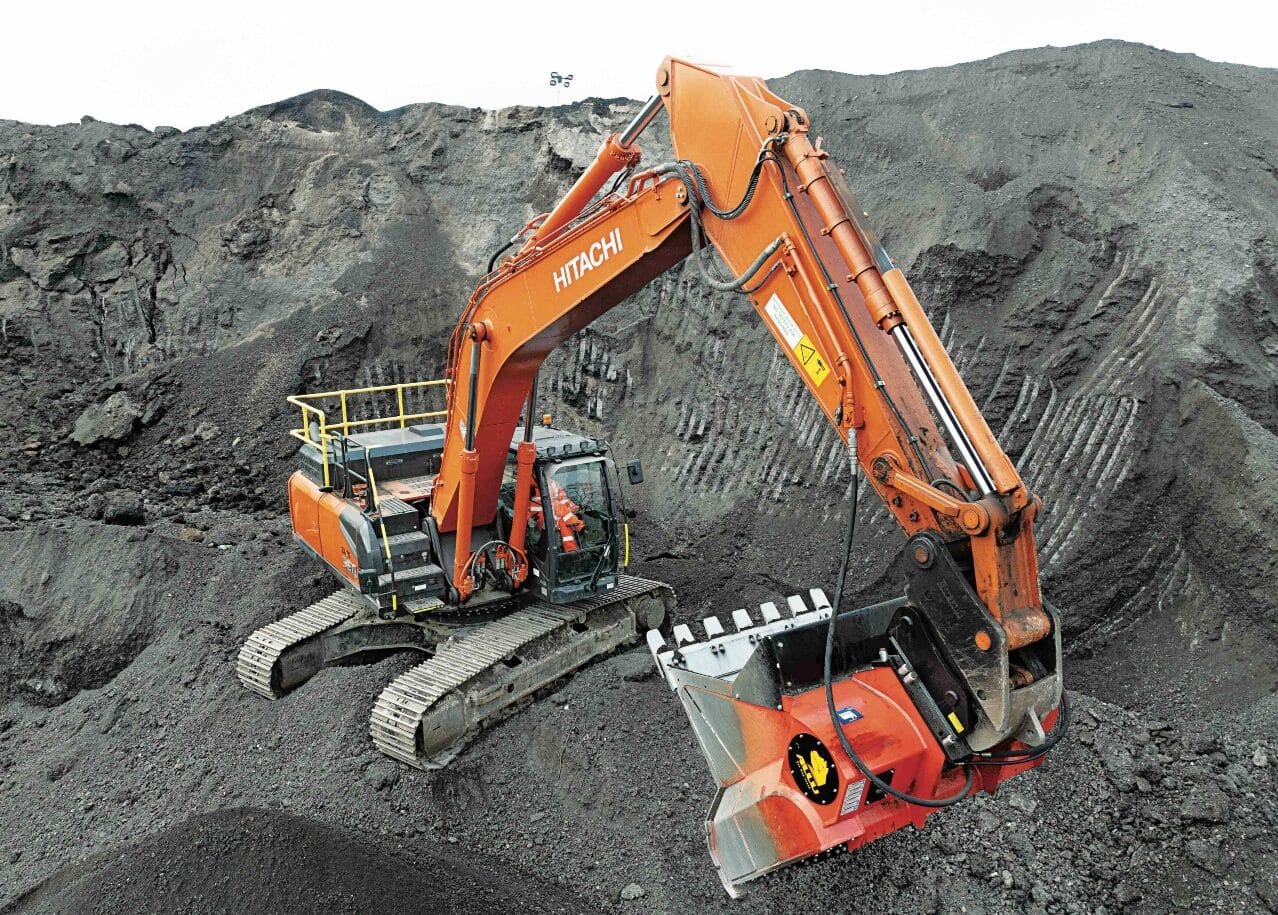
ALLU’s specialised Asphalt Recycling Bucket, designed for attachment to heavy-duty excavators and wheel loaders, screens and crushes cold-milled asphalt and reclaimed asphalt pavement (RAP) in a single pass to produce reusable aggregate on site. Developed over six years by the Finnish manufacturer founded in 1985, the bucket targets waste and recycling applications where mobile plants are impractical or uneconomic. For road contractors and pavement recyclers, the unit reduces haulage of millings, supports higher RAP contents in new mixes, and enables small-batch, on-demand processing at the jobfront.
Western Sydney International Airport (WSI) is scheduled to open on 25 October 2026 as a new curfew-free, full‑service hub for international, domestic and dedicated freight operations in Sydney’s west. The greenfield airport has undergone years of planning and construction plus a full year of operational testing, signalling imminent commissioning of its airside pavements, terminal systems and landside access roads. For civil and geotechnical contractors, attention now shifts to final performance verification of pavements, drainage and ground improvement works under 24‑hour operating conditions.
New South Wales will invest a record $2.1 billion under the 2026/27 State Budget in a Rail Reliability Plan to maintain track, signalling and power assets and improve incident response across the Sydney Trains network. Funding is directed to faster incident management, expanded use of digital monitoring and control technologies, and upgraded passenger communications during disruptions. Contractors can expect increased demand for rail systems integration, condition monitoring installations and on-corridor works within a live, high-frequency suburban network.
A new heavy vehicle rest area on Tasmania’s Bass Highway near Westbury is now operational, providing dedicated parking, seating, lighting and toilet facilities for freight operators on the key Deloraine–Westbury freight corridor. The site is the first of two planned rest areas on this highway section, aimed at improving fatigue management and scheduling for B-double and other high-mass vehicles. For road designers and pavement engineers, the project signals ongoing investment in heavy vehicle infrastructure on Tasmania’s primary east–west freight route.
Ballard Mining has extended the Pluto prospect at its Mt Ida gold project in Western Australia with new intercepts including 5m at 10.2g/t gold from 98m, 7m at 3.7g/t from 19m and 1m at high grade over narrower width north of the Baldock deposit. The results confirm shallow mineralisation from 19m downhole and deeper high-grade zones near 100m, supporting both open-pit and potential underground targeting. For mine planners and resource geologists, the data justify tighter step-out drilling and updated block models around Pluto’s northern extensions.
Bellevue Gold is testing a potential sixth standalone mining area at its Bellevue operation in Western Australia after early underground drilling at Tribune South intersected visible gold mineralisation south of the current ore reserve. The campaign is the first drilling this far south of the defined reserve envelope and is specifically targeting down-plunge and along-strike extensions to existing high-grade lodes. Any additional resource in this area could support new mine development fronts, altered stope sequencing and revised life-of-mine scheduling for the underground operation.
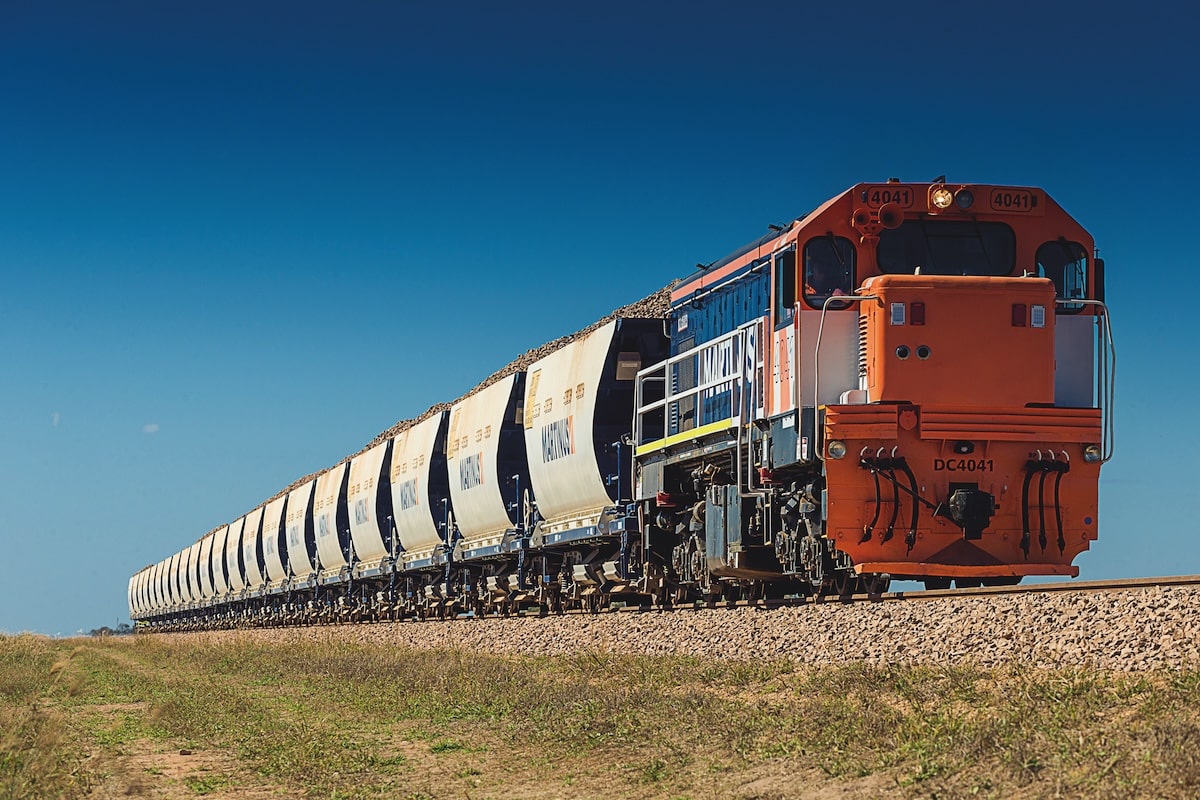
Martinus is expanding large-scale heavy-haul rail infrastructure for Australian mining, integrating track construction, signalling and overhead wiring with bulk haulage expertise for iron ore, grain and coal corridors. The contractor delivers turnkey packages including earthworks, formation, drainage, ballast, sleepers and continuous welded rail, tailored to axle loads and tonnages typical of Pilbara-style operations. For mine owners, the key shift is a single interface covering greenfield rail spurs, brownfield upgrades and logistics optimisation, reducing interface risk at the rail–port–mine supply chain nodes.
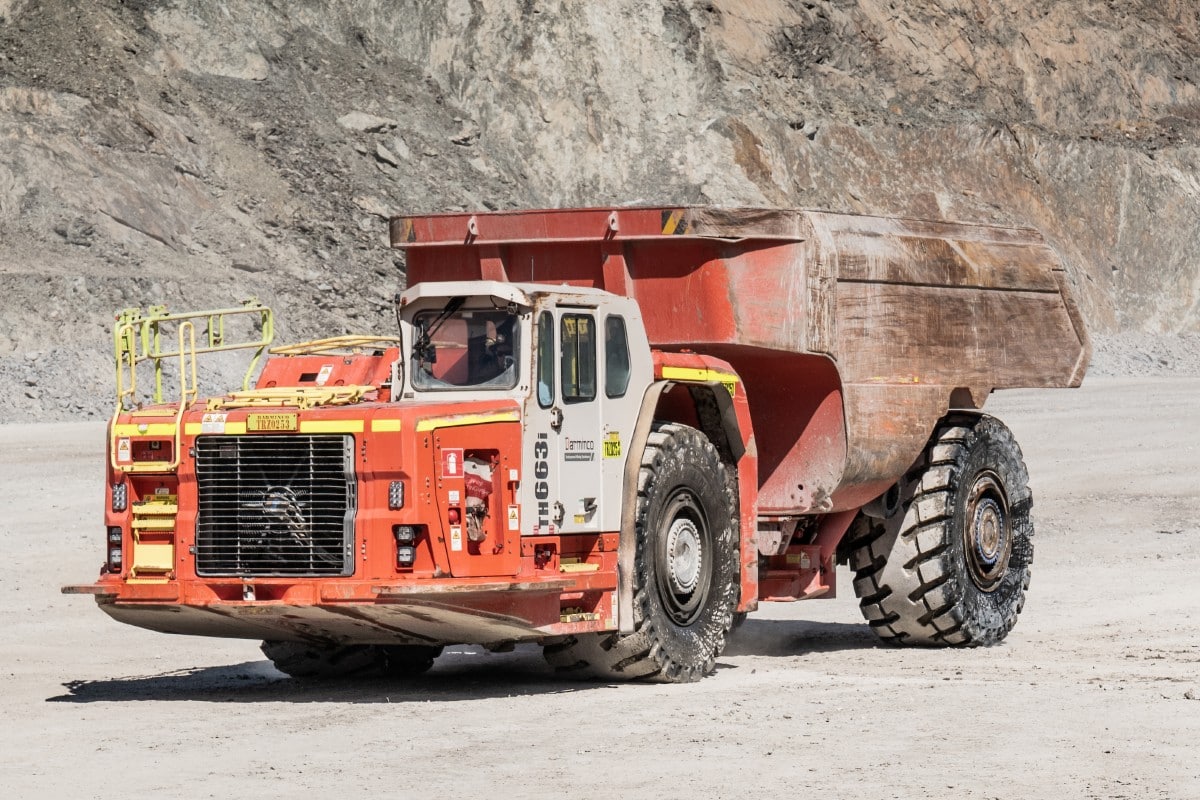
Barminco has ordered a 23-unit Sandvik fleet for Bellevue Gold in Western Australia, comprising seven Toro TH663i 63‑tonne trucks, six Toro LH517i 17‑tonne loaders, five Sandvik DL432i longhole drills and five Sandvik DD422i development drills. The DD422i units will be supplied with Sandvik’s dual controls, allowing both cabin and remote operation for development headings. For mine planners and engineers, the standardised i-series fleet simplifies digital monitoring, maintenance planning and potential future automation across haulage, loading and longhole stoping.
Tivan has secured $141,237 in Northern Territory Government funding under Round 19 of the Geophysics and Drilling Collaborations program to support new exploration drilling at its Molyhil tungsten project. The grant will co-fund targeted drilling aimed at defining additional tungsten zones and expanding the existing resource base to underpin updated mine development studies. For geotechnical and mine planners, the work should refine orebody geometry, improve confidence in grade continuity, and feed into revised pit designs and scheduling for this Northern Territory deposit.
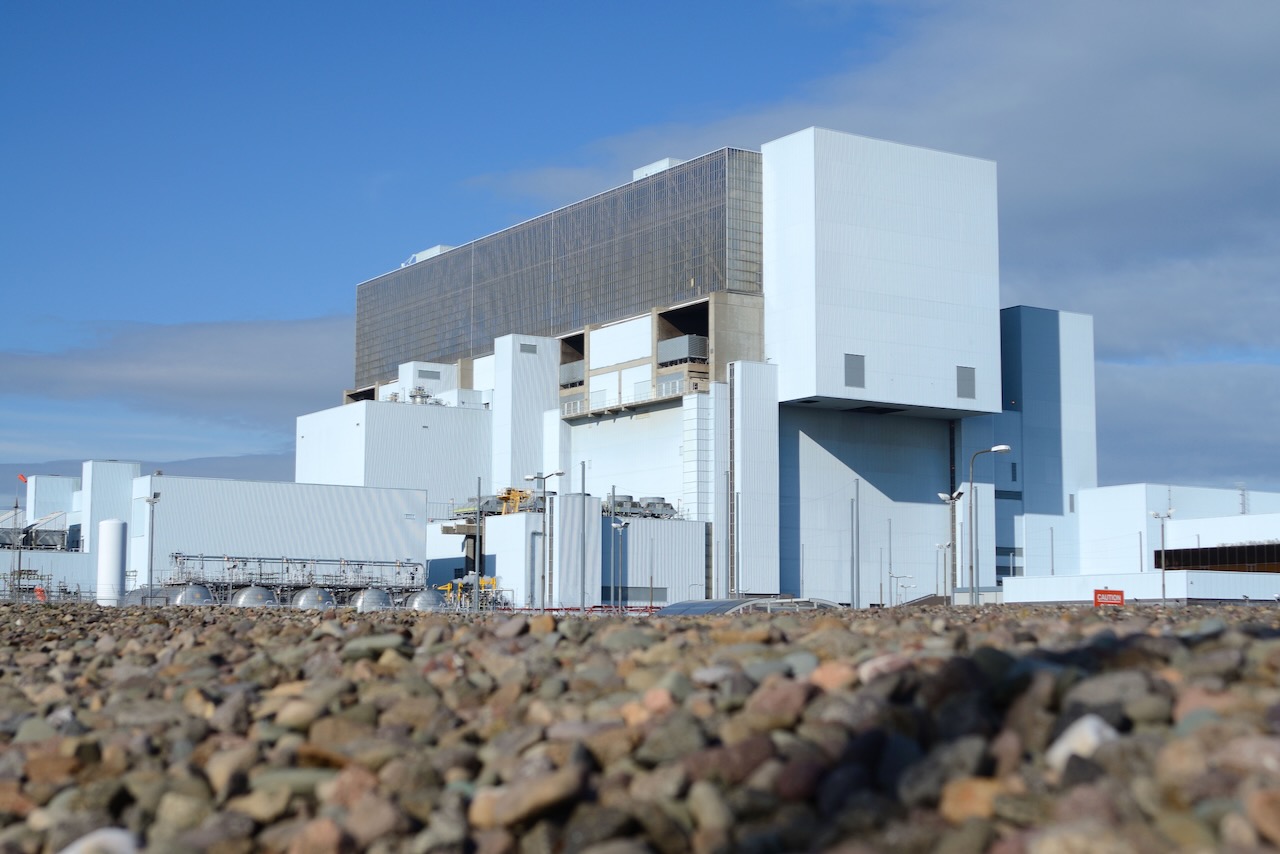
Improvement notices have been served by the Office for Nuclear Regulation to EDF and Trillium Flow Services UK Ltd after potential asbestos exposure during a March 2026 valve overhaul on the steam system at Torness Nuclear Power Station, East Lothian. ONR found asbestos had been identified and removed from a similar valve in 2024 but not entered into the site asbestos register, which is meant to be the central record for location and condition of asbestos and was reportedly not consistently consulted in maintenance planning. EDF has suspended all in-house asbestos removal while it addresses failures under the Health and Safety at Work etc Act 1974 and Control of Asbestos Regulations 2012, with Trillium also cited for inadequate work-log close-out and pre-maintenance asbestos assessment.
Strabag UK has completed the acquisition of ground engineering specialist Van Elle, which posted revenues of about £130m in 2025 and will operate as a new subdivision. The deal brings Van Elle’s established geotechnical survey and ground engineering capability into Strabag’s portfolio, with a focus on building, water and energy projects alongside major civil works such as HS2. For contractors and clients, the combined business signals more in-house piling, foundations and investigation capacity on UK infrastructure and building schemes.
Winvic has secured delivery of a £130m build-to-rent scheme in Leeds for Marrico Asset Management and Helios Real Estate joint venture Lisbon Street Developments Limited, following Gateway 2 approval for a 578-apartment complex. The project, on Lisbon Street in the city centre, will add large-scale high-density residential stock to a constrained urban site, demanding careful staging of foundations, utilities and vertical construction. Contractors and consultants can expect tight logistics, limited laydown space and significant interface with existing streets and buried services.
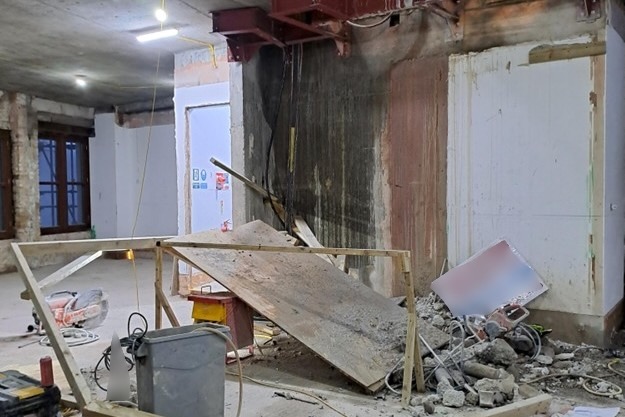
Temporary platform collapse on a Roots Contractors Limited site left drilling operative Steve Zschoch with a fractured neck after he was “folded up like a concertina” beneath the failed structure while working for subcontractor Diacutt Limited. Both firms have now been fined for safety failings relating to the design, installation and verification of the temporary working platform, which was being used for drilling operations. The case reinforces the need for formal temporary works design checks, competent supervision and load-path verification for access platforms on small civil and infrastructure projects.
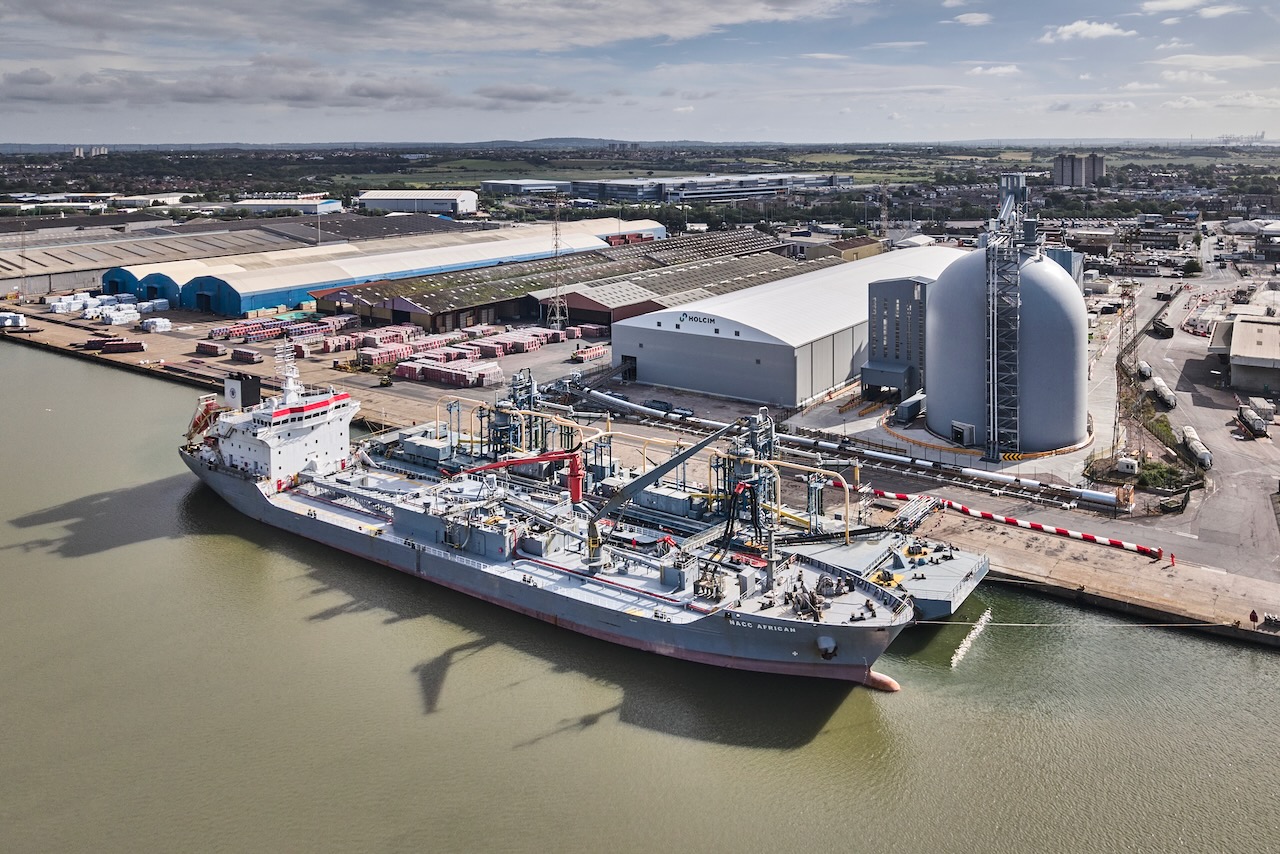
Holcim’s Tilbury Cement Works has begun importing cementitious materials via a deep‑water berth at the Port of Tilbury, using a new ship‑to‑shore conveyor, enclosed belt conveyors and the UK’s first 30,000‑tonne cement dome silo to feed six loading heads and five weighbridges. A vertical roller mill due in late 2026 will grind GBFS and recycled concrete fines to produce GGBFS and blended cements, with ECOPlanet and ECOPlanet with ECOCycle products scheduled for early 2027. The site has been built using circular practices, reusing 25,000m³ of crushed concrete and 10,000 tonnes of reclaimed asphalt.
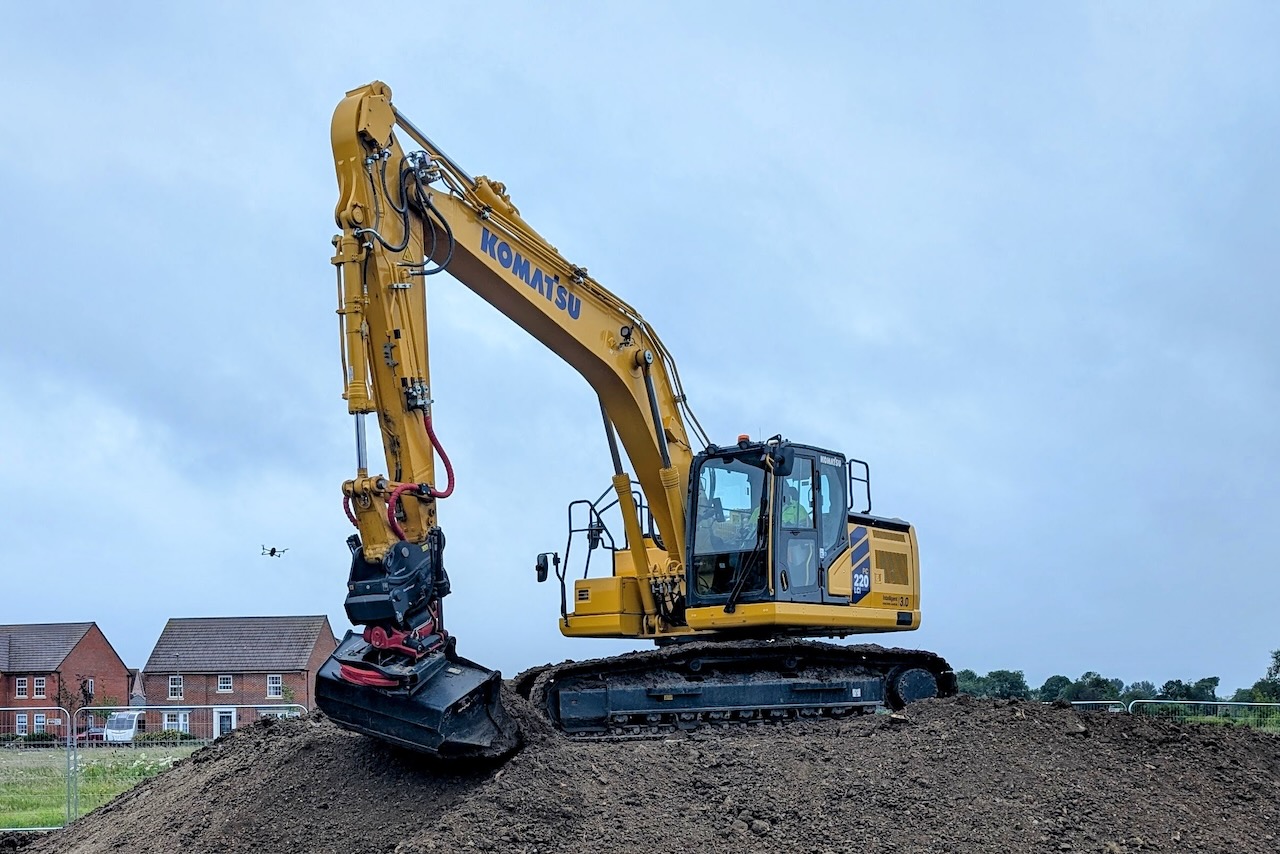
Komatsu has launched its PC220 excavator at a week-long customer and distributor event, pairing a 129 kW (173 HP) Komatsu engine with a maximum bucket capacity of 1.8 m² for mid-range earthmoving and utility work. The machine introduces a larger operator cab and upgraded digital controls, aimed at improving visibility, ergonomics and precision digging compared with earlier PC200‑class models. Contractors can expect higher cycle productivity in bulk excavation and trenching, with the power-to-bucket ratio suited to typical 20–25 tonne fleet roles.
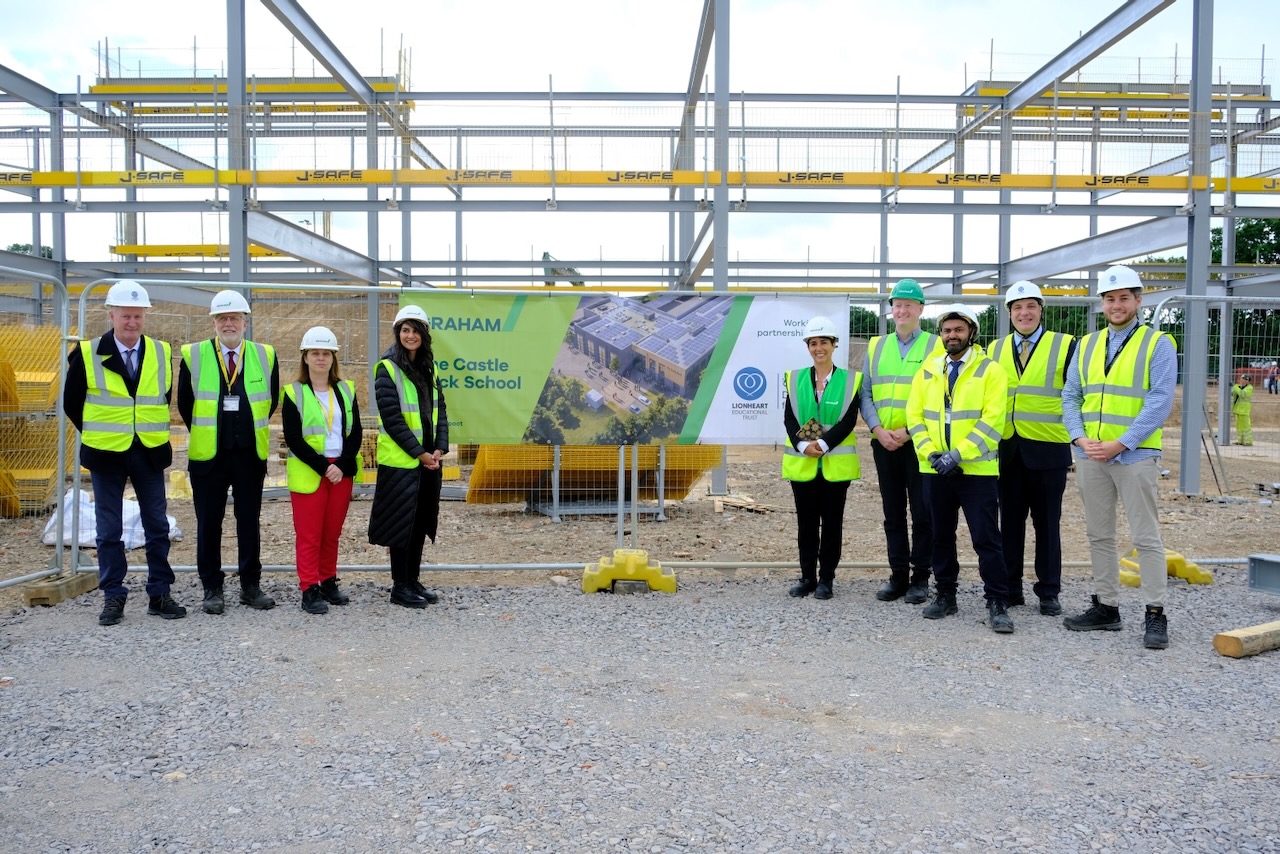
Graham has begun structural steel erection for the new Castle Rock School in Coalville, Leicestershire, being delivered for the Department for Education and Lionheart Educational Trust. The steel frame phase establishes the primary load-bearing structure and grid, setting out future integration of precast floor units, façade systems and M&E penetrations. For civil and structural teams, this marks the point where foundation performance, column base tolerances and connection detailing will start to be tested against design assumptions on programme-critical timescales.
Calls for the UK government to move from signalling to delivery on its National Infrastructure Strategy centre on giving investors certainty over multi‑decade assets such as major rail upgrades, strategic road renewals and regulated water networks. Commentators warn that repeated policy reversals on projects like HS2 and delays to the £40bn+ pipeline for energy transition assets are pushing up risk premia and diverting capital to markets with clearer frameworks. For contractors, consultants and materials suppliers, the message is to plan around regulatory stability, long‑term funding models and credible delivery timetables rather than headline announcements.
£31M safety upgrades at Lambeth Bridge have been completed by Transport for London and the Tarmac Kier Joint Venture, reconfiguring both the northern and southern roundabouts at what has been labelled one of London’s most dangerous junctions. Works focus on segregated cycle lanes, simplified traffic movements and redesigned pedestrian crossings to cut conflict points between vehicles, cyclists and foot traffic. For civil and highways engineers, the scheme signals continued investment in complex urban junction remodelling, with emphasis on geometry changes and user separation rather than purely signal-control solutions.
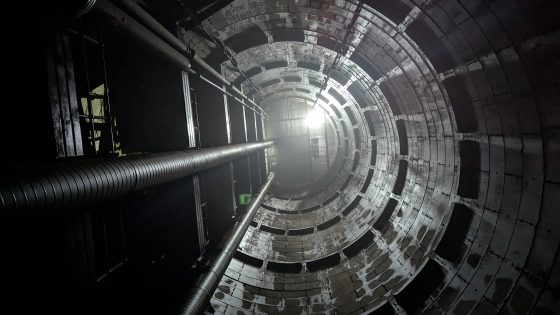
Barhale has secured a £12.5M contract from Thames Water to carry out statutory inspection and maintenance on the Thames Water Ring Main (TWRM) and key North London Abstraction and New River Zone raw water tunnels. The programme will focus on large-diameter, deep tunnel assets that form the core of London’s potable water transfer system, where access, ventilation and confined-space working will be critical planning constraints. Geotechnical and structural findings from the inspections are likely to drive future lining repairs, leakage control and long-term asset life modelling for these strategic tunnels.