Taseko’s Florence Copper output: production ramp and capex signals for mine planners
Reviewed by Tom Sullivan
First reported on MINING.com
30 Second Briefing
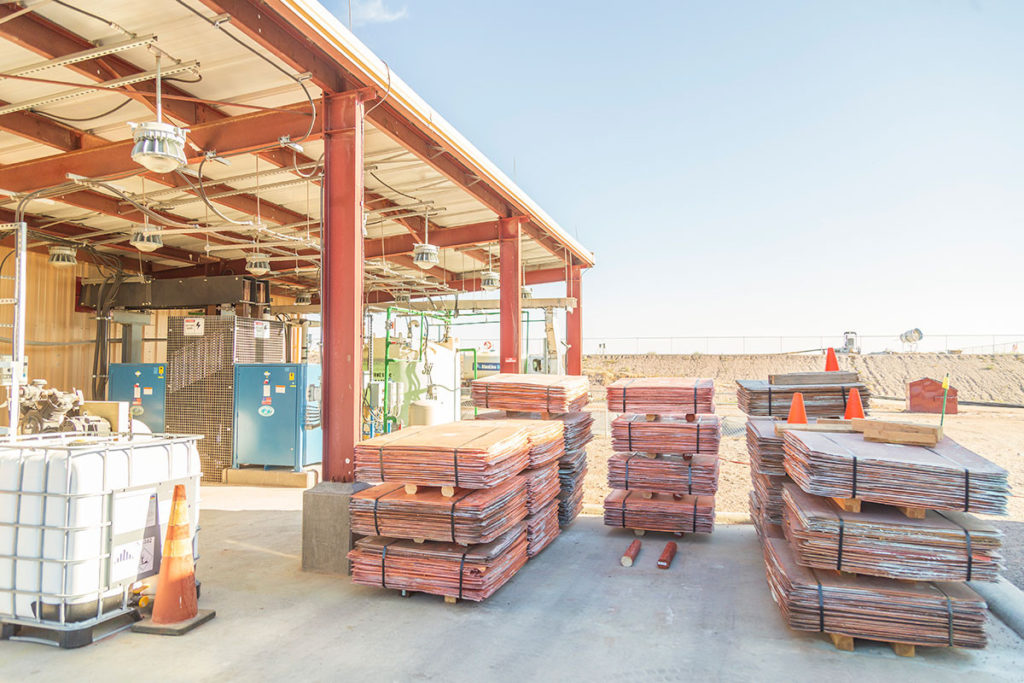
Taseko Mines has started cathode production from the newly commissioned solvent extraction and electrowinning (SX/EW) plant at its Florence Copper in-situ operation in Arizona, targeting 30–35 million lb of copper cathode in 2026 and 85 million lb of LME Grade A copper at full run-rate. Gibraltar in British Columbia produced 98.1 million lb of copper and 1.9 million lb of molybdenum in 2025, with 2026 copper output guided at 110–115 million lb as mining advances in the Connector pit. Despite C$673 million in 2025 revenue and C$230 million adjusted EBITDA, Taseko’s net loss widened to C$30 million and its shares fell nearly 6%, valuing the company at C$3.75 billion.
Technical Brief
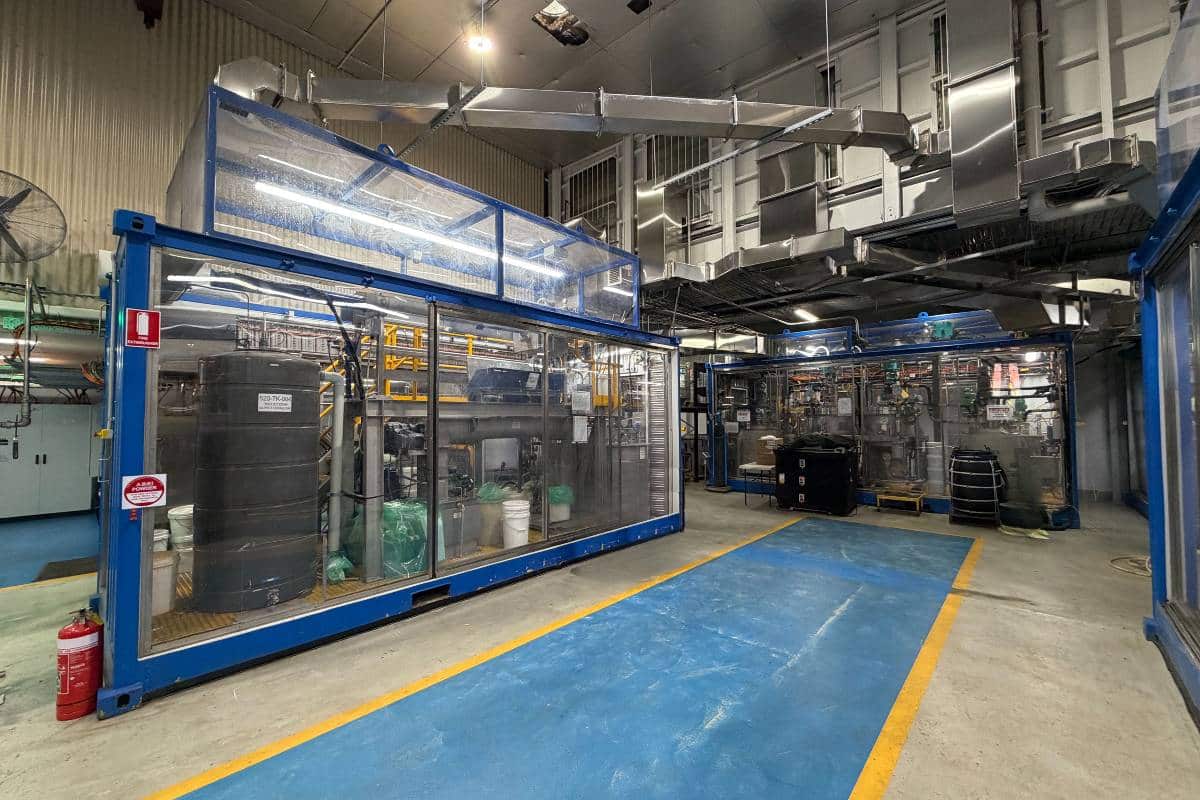
- Solvent extraction and electrowinning (SX/EW) plant at Florence Copper is now fully operational and plating.
- Injection-well solutions began in Q4 2025, with wellfield hydraulic/chemical performance meeting or exceeding design expectations.
- Molybdenum production at Gibraltar rose from 1.4 to 1.9 million lb on higher grades and better recoveries.
- 2025 revenues of C$673 million came from sales of 99 million lb copper plus 1.9 million lb molybdenum.
- Adjusted EBITDA increased slightly year-on-year to ~C$230 million, yet net loss deepened to C$30 million.
- Share price fell ~6% on the results, leaving Taseko’s market capitalisation at about C$3.75 billion.
- For similar in-situ leach SX/EW projects, rapid wellfield ramp-up versus plant nameplate will be a key scheduling risk.
Our Take
Once Florence Copper reaches its planned 85 million lb. per year output, Taseko’s total copper production target of 110–115 million lb. in 2026 implies Gibraltar in British Columbia will effectively be flat to slightly down versus its 2025 level, signalling Florence is being used more to offset Gibraltar’s maturity than to drive aggressive volume growth.
The earlier January 2026 piece on Florence’s in-situ commissioning in Arizona highlighted strong wellfield performance; pairing that with today’s guidance suggests Taseko is confident enough in the leach response to underwrite a step-change in company-wide copper exposure despite still reporting net losses.
With copper and molybdenum appearing in over 260 keyword-matched pieces in our database, Taseko’s move to an in-situ Arizona asset alongside the Gibraltar molybdenum by-product stream positions it squarely among operators trying to blend lower-capex North American copper growth with incremental value from secondary metals.
Prepared by collating external sources, AI-assisted tools, and Geomechanics.io’s proprietary mining database, then reviewed for technical accuracy & edited by our geotechnical team.
Related Articles

Related Industries & Products
Mining
Geotechnical software solutions for mining operations including CMRR analysis, hydrogeological testing, and data management.
CMRR-io
Streamline coal mine roof stability assessments with our cloud-based CMRR software featuring automated calculations, multi-scenario analysis, and collaborative workflows.
HYDROGEO-io
Comprehensive hydrogeological testing platform for managing, analysing, and reporting on packer tests, lugeon values, and hydraulic conductivity assessments.
GEODB-io
Centralised geotechnical data management solution for storing, accessing, and analysing all your site investigation and material testing data.