Geomechanics, Streamlined.
© 2026 Geomechanics.io. All rights reserved.
EnergyX has signed an MoU with Compass Minerals to build a 30,000 tpa direct lithium extraction and refining plant at Compass’s existing Ogden brine operation near Utah’s Great Salt Lake, using an established brine stream and returning processed brine to the current sulphate of potash and magnesium chloride system. Compass has already invested an estimated $70–80 million in lithium-related equipment, cutting upstream drilling and CapEx risk and potentially simplifying permitting. EnergyX is targeting a 2028 construction start and plans to produce lithium carbonate on-site without additional Great Salt Lake water withdrawals.
Clean TeQ Water has secured a design-and-construct contract from Broken Hill Operations for an ATA® Tailings Dewatering Plant at the Rasp Mine in Broken Hill, New South Wales, supporting the site’s production ramp-up. The plant will apply Clean TeQ’s proprietary ATA® (Advanced Tailings Aggregation) technology to dewater tailings, enabling higher-density deposition and reduced reliance on conventional tailings storage. For geotechnical and processing teams, this signals a shift towards drier stacked or thickened tailings strategies at a long-established lead-zinc-silver operation.
GR Engineering Services has been named preferred EPC contractor by Ora Banda Mining to deliver a 3 Mt/y gold process plant for the Davyhurst Expansion Project in Western Australia. The appointment follows Ora Banda’s ASX update outlining a step-up from the current 1.2 Mt/y Davyhurst plant, signalling a major throughput increase across its existing open pits and underground resources. For plant designers and contractors, the project points to upcoming demand for larger comminution, leach and tailings handling circuits in the Eastern Goldfields.
XCMG all‑electric heavy‑duty trucks have completed trial runs on the 700 km haul route between Codelco’s Chuquicamata copper mine and the port of Mejillones in northern Chile with zero reported malfunctions. The route, crossing the western Andean foothills, tests traction, braking and battery performance under high-altitude gradients, long downhill sections and desert temperatures. Successful operation over this distance signals growing feasibility of battery-electric haulage for mine‑to‑port logistics, with implications for charging infrastructure design, duty‑cycle planning and fleet energy management.
Anglo American has agreed to sell its Australian steelmaking coal portfolio to Dhilmar Ltd for up to US$3.875 billion, including US$2.3 billion in upfront cash and a price-linked earnout. The divestment covers multiple hard coking coal operations supplying blast furnace markets, signalling further strategic retreat from thermal and metallurgical coal. For mine planners and contractors in Queensland and New South Wales, new ownership by Dhilmar may trigger revised life-of-mine schedules, contract renegotiations and potential changes in capital spend on underground development and CHPP upgrades.
Meiteng’s ZhiMei Master large AI model for coal preparation was showcased at a CCPUA technical exchange in Jincheng on 24–25 April 2026, hosted with Jinneng Holding Equipment Manufacturing Group. Built on domain data from dense medium separation, flotation and dewatering circuits, the model targets intelligent control of product ash, yield and reagent dosage across complex coal washing plants. For process engineers, the move signals rapid deployment of plant-level AI optimisation in China’s large state-owned coal operations, with implications for retrofitting existing preparation facilities.
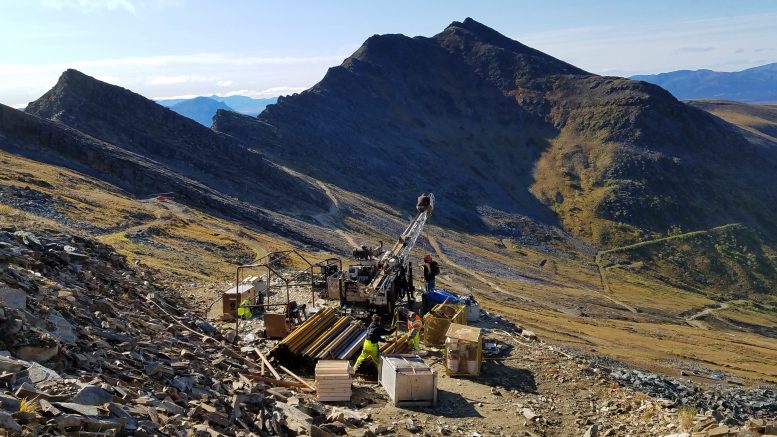
Strong gold intercepts at Forrestania Resources’ Mt Palmer project in Western Australia include multiple high‑grade zones, boosting the project’s exploration momentum and follow‑up drilling plans. The historic Mt Palmer mine area, which previously produced significant ounces from narrow high‑grade veins, is now returning modern RC and diamond drilling results that confirm mineralisation continuity along strike and at depth. For geotechs and mine planners, the combination of steeply dipping lodes and remnant underground workings points to selective underground extraction scenarios rather than bulk open‑pit designs.
Pilbara Ports lifted April 2026 throughput to 65.9Mt, a 2 per cent increase on April 2025, driven primarily by iron ore exports through Port Hedland and Dampier. The result keeps the operator tracking near its typical annualised rate of more than 700Mt, sustaining high utilisation of deep-water berths, shiploaders and channel capacity in the Pilbara supply chain. For miners and logistics planners, the steady uplift signals continued pressure on rail–port interfaces, stockyard management and dredged channel maintenance in a region already operating close to nameplate capacity.
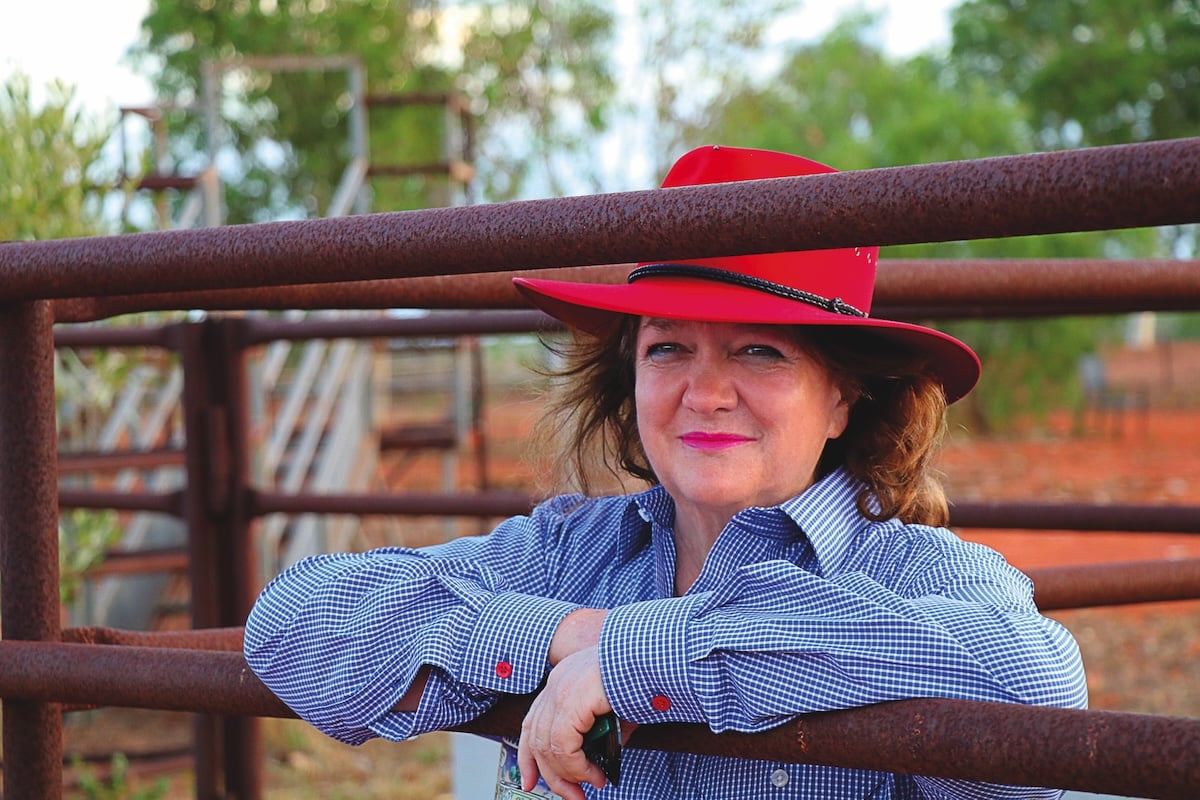
Hancock Prospecting, backed by Gina Rinehart, is reportedly moving to develop a billion‑dollar lithium project in Western Australia as lithium prices recover from 2023–24 lows. The proposed operation would add another large hard‑rock source to WA’s existing spodumene belt, where typical deposits exceed 1% Li₂O and support high‑throughput open‑pit mining and dense media separation plants. For geotechnical and civil contractors, the scale signals upcoming demand for pit slope design, waste dump and tailings storage facilities, haul road construction and associated processing infrastructure.
Wildcat Resources is fast‑tracking development of its Tabba Tabba lithium project in Western Australia’s Pilbara, shifting to a staged, lower‑capex start‑up aimed at bringing initial spodumene concentrate production forward. The company is re‑sequencing mine development and plant construction to prioritise near‑surface pegmatite zones and modular processing units, rather than a single large‑scale concentrator build. For geotechnical and civil teams, the approach points to shorter design horizons for early pits, leaner earthworks around a compact plant footprint, and scope for later expansion once cash flow is established.
Trilogy Metals’ Arctic copper-zinc project in Alaska’s Ambler Mining District has been accepted into the US federal FAST-41 permitting programme, shortly after filing its Clean Water Act Section 404 application with the US Army Corps of Engineers. The 50/50 joint venture with South32 covers an indicated 35.7 million tonnes grading 2.98% copper and 4.09% zinc, with a 2023 technical report outlining a 13-year mine producing 149 million lb. Cu and 173 million lb. Zn per year plus lead, gold and silver. TD Securities forecasts construction could start in 2029 with first production in 2031, while the nearby Bornite deposit could extend district copper output beyond 30 years.
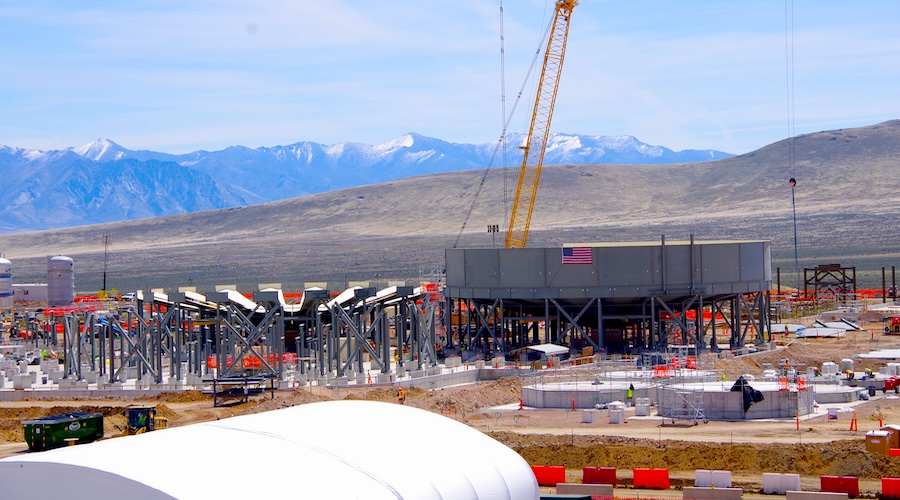
US steel tariffs, Iran-linked inflation and shipping disruption around the Strait of Hormuz are expected to add US$80–120 million to construction costs at Lithium Americas’ Thacker Pass lithium project in Nevada, on top of the original US$2.93 billion Phase 1 capex. Detailed engineering is nearing completion, procurement has passed 70%, and more than 75% of structural steel from the UAE is already in transit or on site after rerouting via Saudi Arabia’s Port of Jeddah. Construction spend of US$1.3–1.6 billion is planned for 2026, targeting 40,000 t/y lithium carbonate from late 2027.
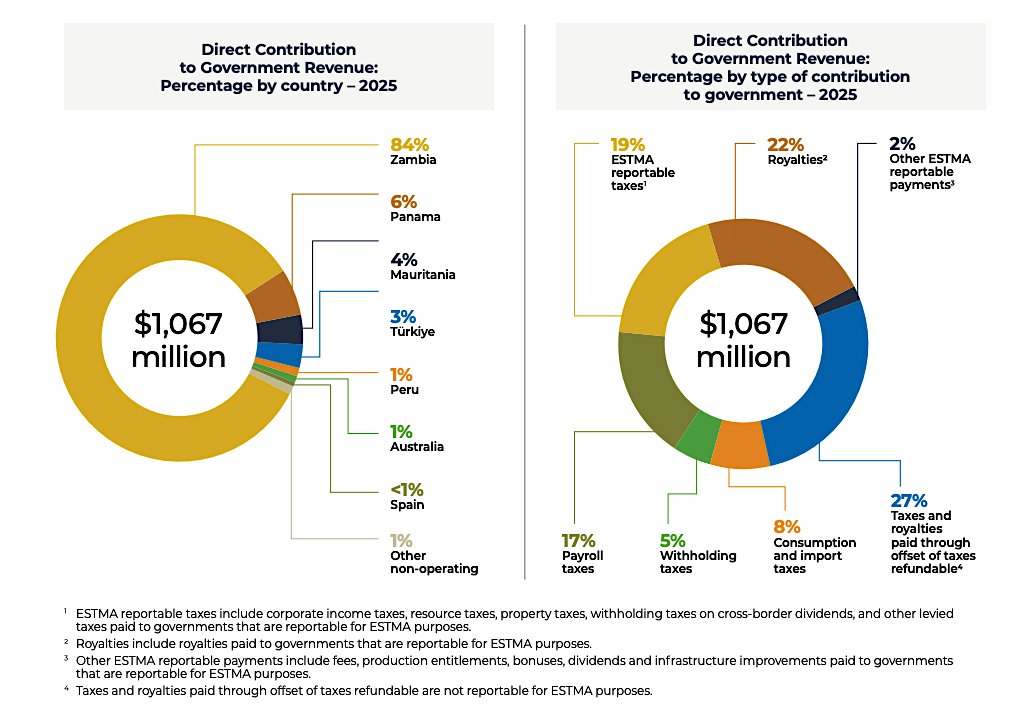
Suspension of First Quantum’s Cobre Panamá copper mine has cost Panama an estimated $3.5 billion in forgone economic contribution over 2024–25, including about $1.1 billion in lost taxes and royalties, underlining the fiscal impact of keeping one of the world’s largest copper operations in preservation mode. First Quantum’s 2025 tax transparency report shows the mine would have added at least $1.8 billion to Panama’s 2025 economy alone, with more than $600 million in government revenue, over $250 million in wages and nearly $930 million in local procurement. Despite the shutdown, preservation activities and export of 122,520 dmt of stockpiled concentrate in 2025 still supported more than 1,700 workers, $107 million in local procurement and roughly $30 million in royalty payments while the company seeks a “durable resolution” with the government.
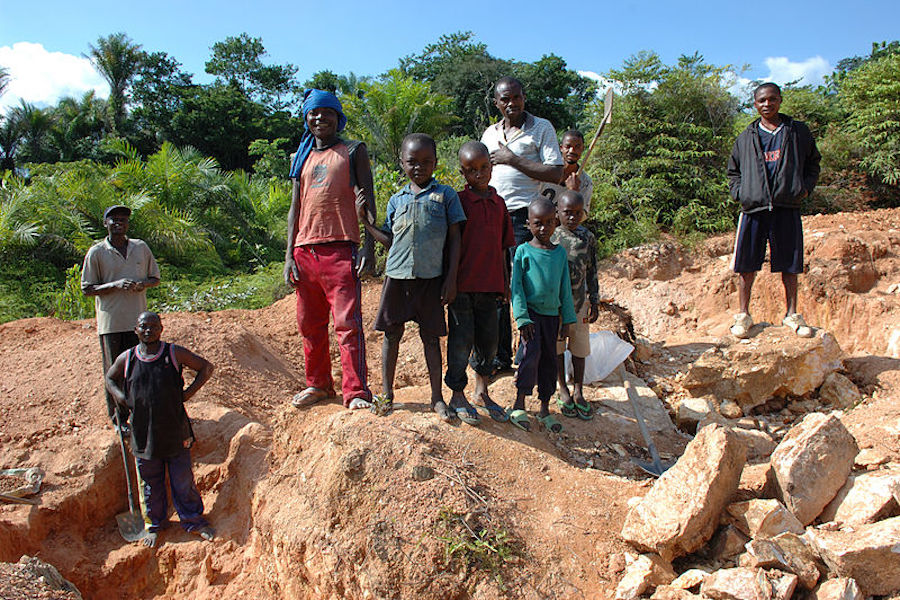
Nearly half of 72 recent mining projects missed delivery deadlines and about 62% of permitting delays were linked to environmental concerns or community opposition, with social conflict costing up to US$20 million per week in lost production. As Washington deploys more than US$30 billion in loans and strategic initiatives to rewire critical mineral supply chains, Andrew Bogrand of Oxfam argues that weak traceability, poor Indigenous engagement and attacks on human rights defenders are now core supply risks. He calls for binding use of IRMA and IFC Performance Standards, free, prior and informed consent, and full mine-to-market transparency.
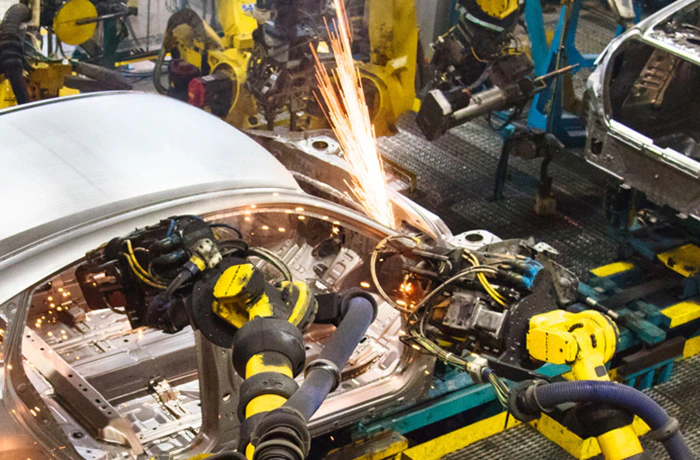
Honda has indefinitely suspended its planned C$15 billion EV and battery complex at Alliston, Ontario, which was designed for 240,000 vehicles per year, an upgraded assembly plant, a standalone battery facility and two component plants, despite up to C$5 billion in pledged federal and provincial funding. The decision follows Honda’s first-ever full-year loss of ¥423.9 billion (US$2.7 billion) and ongoing US tariffs of up to 50% on core metals such as steel, aluminium and copper. Ontario is pivoting towards defence metals but is still fast-tracking upstream projects including Canada Nickel’s Crawford and Frontier Lithium’s PAK.
Gold fell as much as 3% towards $4,500/oz on Friday, erasing two weeks of gains as surging global bond yields and a stronger US dollar followed renewed inflation fears tied to the Iran war and closure of the Strait of Hormuz. Silver and copper also dropped sharply, by about 10% and 3% respectively, as higher crude prices and stalled China–US talks on ending the conflict reinforced expectations of further rate hikes, with markets now pricing over a 50% chance of a US move in January. ANZ has pushed back its $6,000/oz gold target to mid‑2027, even though bullion is still up 6% year‑to‑date after January’s near‑$5,600/oz peak.
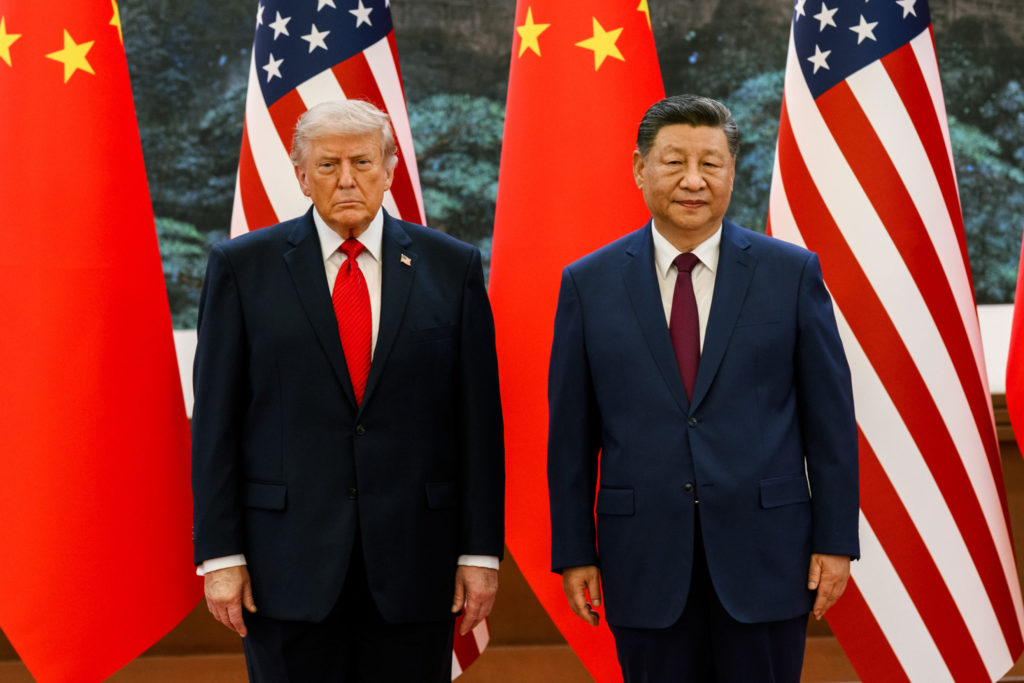
Trump’s two-day summit in Beijing ended without a rare earths agreement, leaving China’s control of roughly 90% of global refining/processing and over 60% of mined supply unchanged. Export curbs imposed after Trump’s ‘Liberation Day’ tariffs still have teeth, with shipments of yttrium, dysprosium and terbium to the US down about 50% versus pre-control levels, contributing to previous auto plant shutdowns in the US and Europe. US Trade Representative Jamieson Greer reported only a gradual recovery in imports, while analysts warn allies cannot “out-mine or out-process China” quickly enough to build near-term resilience.
Nouveau Monde Graphite has approved construction of the Matawinie open-pit mine in Saint-Michel-des-Saints, Quebec, designed to produce about 106,000 tonnes per year of graphite concentrate over more than 25 years and powered by the provincial hydroelectric grid. The company has secured roughly $644.5 million in equity and debt, with total capex for Matawinie and the Bécancour battery material plant now estimated at about $634 million after downsizing the plant from the 2025 feasibility study. A 30‑month build is planned to reach full production by end‑2028, with 75% of output under offtake, including a seven‑year, 30,000‑t/y fixed‑price contract with the Government of Canada.
MAX Power Mining has signed an MOU with the City of Moose Jaw, Saskatchewan, to advance natural hydrogen commercialisation in the Regina–Moose Jaw Industrial Corridor, centred on the Lawson Natural Hydrogen system near Central Butte, about 80 km northwest of the city. Core desorption tests from nine samples in Cambrian Basal sands above the Basement Complex discovery returned helium values up to 8.7%, averaging 4.4%, indicating a potentially valuable hydrogen–helium system. The partners aim to leverage existing regional infrastructure and policy support to move the project towards commercial validation.
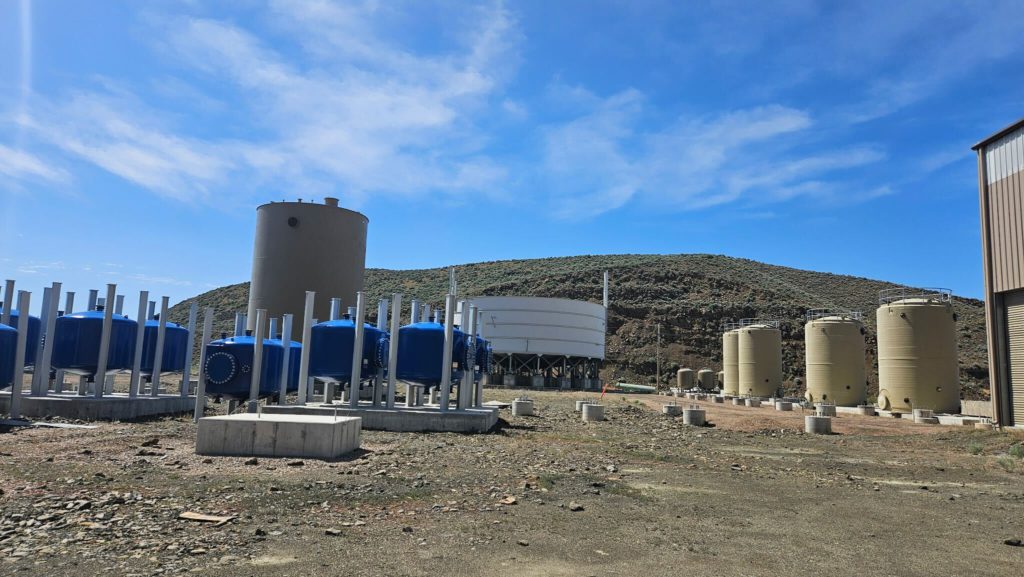
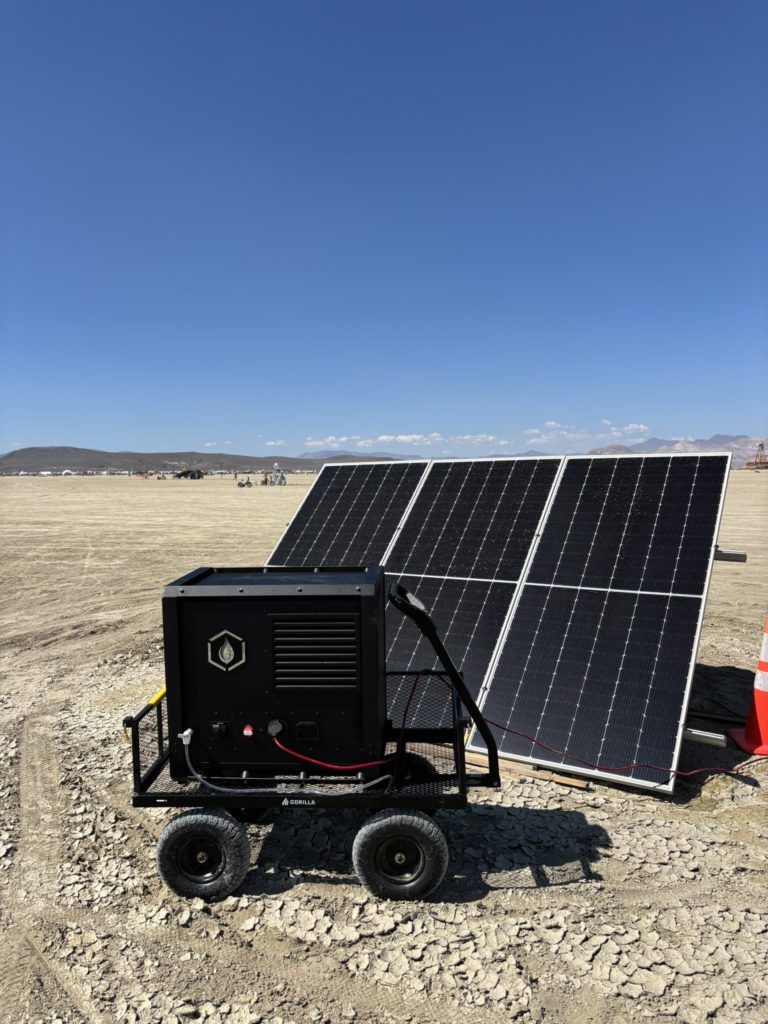
Water scarcity and multi‑year permitting delays—often two to four years for discharge and dewatering approvals in the western US—are increasingly stalling otherwise bankable mines, with water risk now affecting project schedules, financing and national credit profiles. Consultants such as Woodard & Curran report that “credible water stories” are becoming as critical as ore grades, pushing operators towards closed‑loop recycling and non‑traditional sources. US firms Genesis Systems and Atoco are deploying atmospheric water generation units, including Genesis’ containerised WaterCube systems producing over 1,000 gallons per day off‑grid, now trialled at mine sites.
Trafo Power Solutions is supplying 13 dry-type transformers for modular e-houses at a remote Pakistani copper-gold project being developed on one of the world’s largest undeveloped deposits. The South Africa-based firm is working through an EPC contractor to build out the mine’s medium-voltage power distribution, using dry-type units suited to high dust loads and fire-risk constraints typical of arid, remote sites. For engineers, the move signals growing reliance on pre-assembled e-houses and low-maintenance transformer technology to accelerate large greenfield mine electrification.
Datamine has taken a strategic equity stake in Brisbane-based Commit Works, whose Fewzion and Visual Ops platforms are used for operational planning and short interval control in underground and open-pit mines. The deal links Datamine’s long-range and tactical planning tools with Commit Works’ shift-level scheduling and frontline execution, aiming to close the gap between weekly plans and 4–12 hour operating windows. For engineers, this signals tighter integration of mine design, production data and work management on a single digital stack.
Rio Tinto has appointed Trudi Charles, currently senior vice president and head of legal for BP’s gas and low carbon energy business, as its new chief legal officer, governance and corporate affairs. Charles brings experience in large-scale energy project approvals, cross-border M&A and climate-related disclosure from BP’s global portfolio, signalling continued focus on regulatory risk and ESG scrutiny across Rio’s iron ore, aluminium and copper operations. Her remit will cover board governance, major project approvals and stakeholder engagement in jurisdictions with complex permitting and Indigenous land rights frameworks.
Alkane Resources has reported a record quarterly net profit of $93 million, its strongest result to date, driven by what management calls a “power of three” strategy across its gold operations and project pipeline. The result comes from higher-grade ore feed and improved recoveries at its existing gold assets, combined with disciplined cost control and advancing its Boda porphyry discovery in New South Wales. For mine planners and geotechs, the cash build strengthens Alkane’s capacity to fund further drilling, resource definition and potential underground development without immediate external capital.