Geomechanics, Streamlined.
© 2026 Geomechanics.io. All rights reserved.
Euro Mine Expo 2026 opens next week at Skellefteå Kraft Arena in northern Sweden, with a fully booked exhibitor floor and delegates expected from more than 40 countries. Organisers are positioning the exhibition area as a “leading arena for the green transition”, with suppliers showcasing low‑carbon mining equipment, electrified fleets and process optimisation technologies tailored to Nordic underground and open‑pit operations. For engineers, the event offers concentrated access to OEMs and technology developers working on decarbonised haulage, energy‑efficient comminution and digital monitoring of mine infrastructure.
XCMG has unveiled the XES55 ultra-class electric rope shovel at its International Customer Festival in Xuzhou, expanding its high-end open-pit mining line beyond the XES35 launched in 2023. Positioned for ultra-large surface mines, the XES55 targets pairing with 220–300 t class haul trucks and long-life benches, signalling China’s push to localise production of large-capacity electric shovels traditionally dominated by Western OEMs. For mine planners and owners, the new model introduces another domestic option for high-throughput truck–shovel fleets in Chinese and Belt and Road projects.
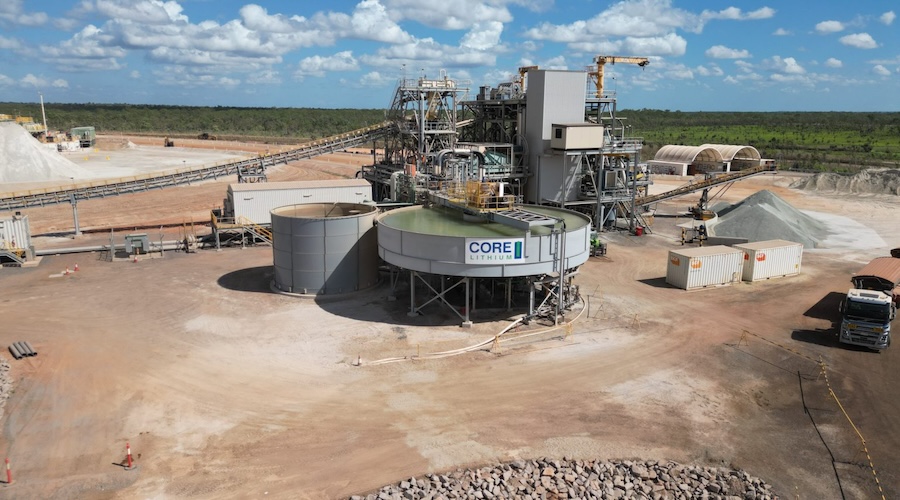
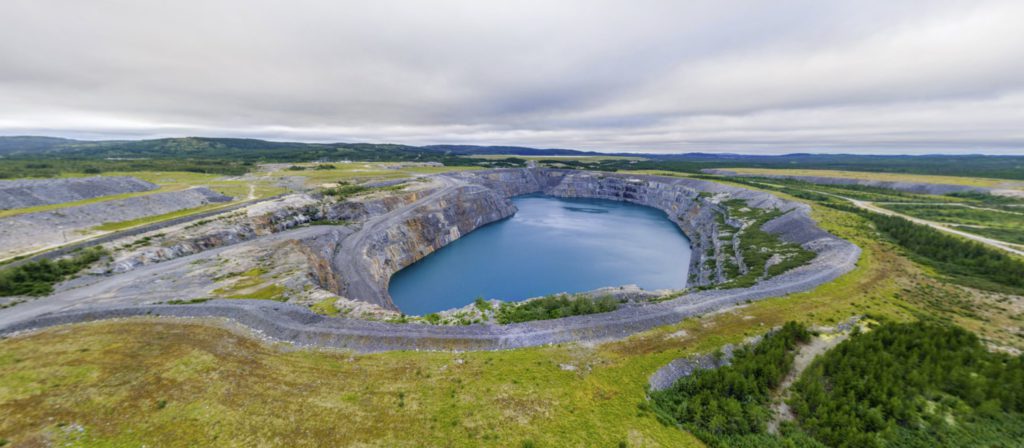
Core Lithium has begun blasting and excavation at the Grants open pit within its Finniss lithium project, signalling the restart of mining in the Northern Territory operation. Finniss is targeting a return to spodumene concentrate production in the December quarter of 2026, after being placed on care and maintenance amid weak lithium prices. The schedule gives contractors and suppliers a roughly two‑year window to plan drill-and-blast, load-and-haul, and dewatering capacity for the pit’s ramp-up phase.
Hillgrove Resources has signed a binding farm-in agreement giving it the right to earn up to an 80 per cent interest in Havilah Resources’ Mutooroo copper project in South Australia, centred on leveraging nearby rail access and existing processing infrastructure. The deal envisages railing Mutooroo ore to Hillgrove’s Kanmantoo processing plant, avoiding construction of a greenfield concentrator and associated tailings facility. For engineers, the partnership shifts project economics towards a lower-capex, transport‑linked development model, contingent on rail logistics, plant capacity and metallurgical compatibility.
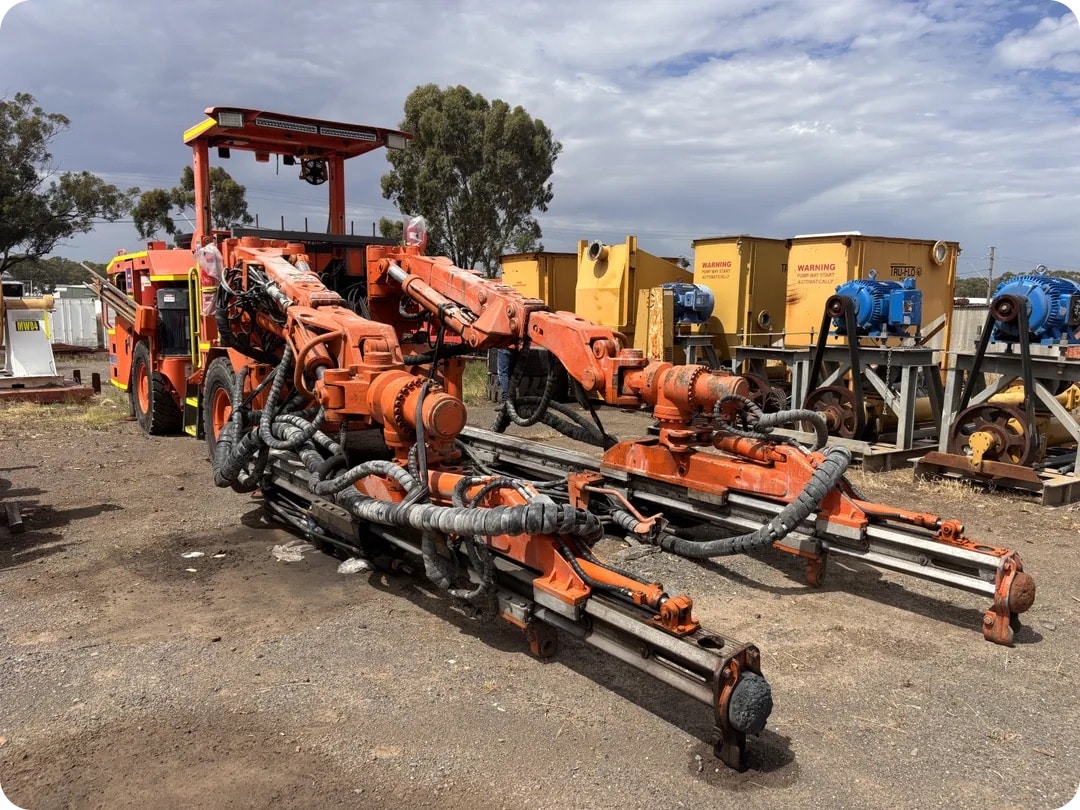
Expressions of interest have opened through Slattery Auctions for heavy mining assets across Australia, including wheel loaders, dozers, dump trucks and a Tamrock Axera D7-240 boomer directional drill. The campaign is being coordinated nationally, with inspections organised via Slattery’s contact Richard Tucker (mobile 0477 477 906). Buyers of production-scale mobile plant and underground drilling equipment may find opportunities to expand or refurbish fleets without long OEM lead times.
Arafura Rare Earths has taken final investment decision to start construction of the Nolans rare earths project, a neodymium–praseodymium (NdPr) mine and processing plant 135km north of Alice Springs backed by a $840m Northern Australia Infrastructure Facility loan and $840m in export credit agency debt. The integrated operation will mine, beneficiate and chemically process phosphate-hosted ore on site, targeting separated NdPr oxide for permanent magnets used in EVs and wind turbines. Long lead items, including the sulphuric acid plant and kiln, are already ordered, with first production aimed for 2027.
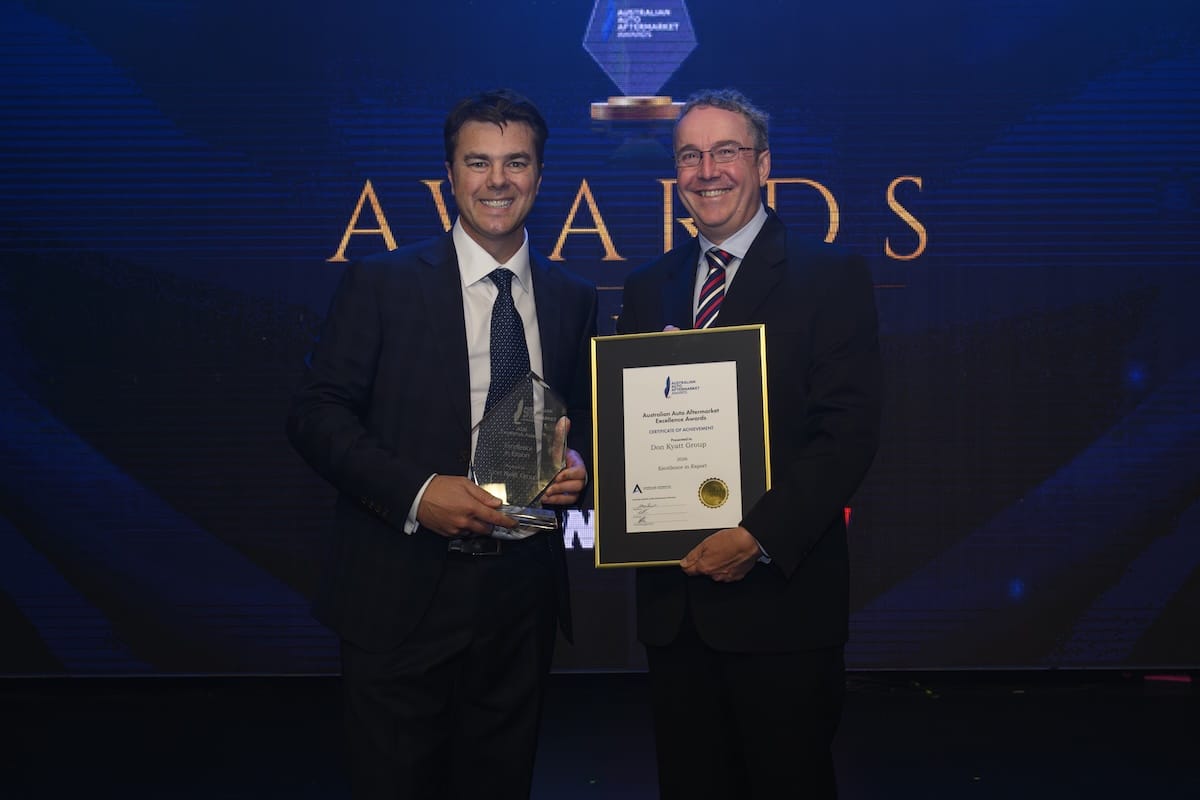
Don Kyatt Spare Parts’ Terrain Tamer 4WD Parts brand has won the 2026 Australian Auto Aftermarket Excellence in Export Award, recognising rapid international growth of its heavy‑duty driveline, filtration and suspension components for mining and off‑road fleets. The Melbourne-based supplier now exports Australian‑engineered parts for LandCruiser, Hilux and other high‑utilisation platforms into multiple mining regions, supporting standardisation of spares across mixed underground and surface operations. For site engineers, this signals stronger aftermarket support for remote operations seeking extended service intervals and reduced downtime on 4×4 light‑vehicle fleets.
Boston Metal has raised $75 million, taking total funding above $500 million, to accelerate deployment of its Molten Oxide Electrolysis (MOE) platform for emissions-free production of steel and critical metals. The capital will be used to scale MOE cells and associated high-temperature power electronics for commercial plants in the US and other regions, moving from pilot-scale units towards industrial modules. For mining and metallurgical projects, this signals growing investor backing for alternative smelting routes that can bypass coke-based blast furnaces and potentially alter future project flowsheets.
EACON has started commissioning six Komatsu HD1500 rigid trucks retrofitted with its autonomous haulage system in the Havana Pit at Norton Gold Fields’ gold mine in Western Australia, owned by Zijin Mining. The trucks are already running fully autonomous load–haul–dump cycles in an active operating pit, integrating with live traffic and production schedules rather than a segregated test area. For mine planners and geotechnical teams, this signals growing deployment of retrofit AHS on mixed fleets, with implications for ramp design, traffic management, and berm and intersection geometry.
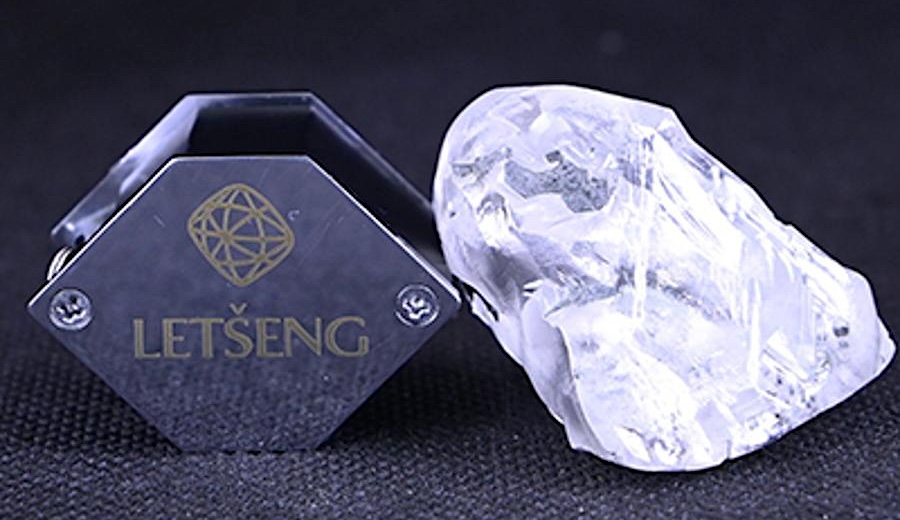
Gem Diamonds reported quarterly revenue of $32.1 million as sales of large high-value stones from the Letšeng mine offset a 21% drop in carats sold to 16,727 and weaker sector-wide pricing. The first export sale averaged $1,501 per carat, up 17% quarter-on-quarter, with a separate parcel of ten +10.8-carat stones, including a 191.82-carat Type IIa white diamond, adding $7 million. Letšeng treated 1.33 million tonnes of ore (down 3%) and recovered 21,605 carats (up 3%), with production weighted to the lower-grade Main Pipe but still yielding two +100-carat stones.
Core Lithium has restarted blasting and excavation at the Finniss hard-rock spodumene operation in Australia’s Northern Territory after securing a A$290 million funding package and benefiting from a sharp rebound in spodumene concentrate prices to their highest level in over two years. The staged restart targets first exports of spodumene concentrate in the December quarter, following Finniss being placed on care and maintenance in 2024 amid the lithium price slump that began in late 2022. The move coincides with Mineral Resources’ plan to restart the Bald Hill mine and renewed progress at Gina Rinehart–backed Andover with SQM.
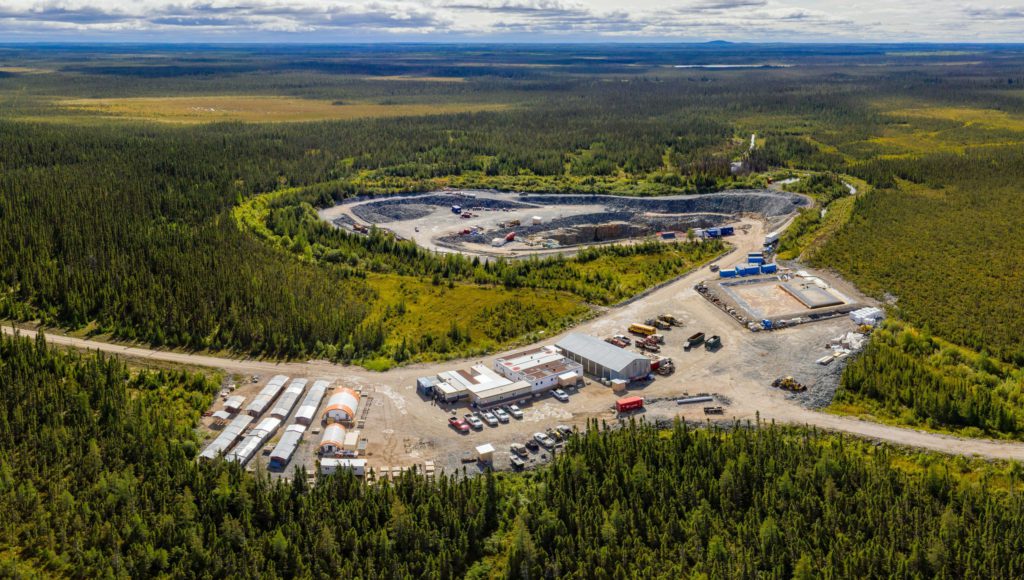
Strong assays from Troilus Mining’s West Rim zone in Quebec, including 19 metres at 2.69 g/t gold and 3.24 g/t silver from 99 metres (with 5 metres at 7.76 g/t gold), extend mineralisation outside current reserves and support a potential higher-grade satellite deposit near planned pits. All six reported holes sit close to infrastructure defined in the 2024 feasibility study, which outlines a 22-year operation producing on average 244,600 oz gold and 17.3 million lb copper annually from 380 million tonnes of probable reserves. With a post-tax NPV5 of C$1.2 billion, initial capex of C$1.4 billion and up to $2.3 billion in combined ECA-backed and syndicate debt support, analysts see Troilus as a strong takeover target as it approaches a construction decision.
Freeport Indonesia plans to restore the Grasberg complex in Papua to full output by end-2027, with CEO Tony Wenas confirming operations are back to 50% capacity and targeting 65% later this year after last September’s fatal mudslide at the Grasberg Block Cave (seven deaths) forced a force majeure shutdown. Underground mining has resumed at the Deep Mill Level Zone and Big Gossan, while wetter-than-expected ore at GBC is requiring chute modifications and new water-management infrastructure. Output is forecast at 800 million lb copper and 700,000 oz gold in 2026, rising to 1.2 billion lb and 1 million oz in 2027, with $20 billion earmarked for post-2041 investment following a permit-extension MoU.
Agnico Eagle Mines has more than doubled its stake in Wallbridge Mining, buying about 244 million new shares in a C$22.44 million private placement at C$0.092 per share, lifting its holding to 19.62% (potentially 19.9% with warrants) alongside a matching 19.9% partially diluted stake for Waratah Capital Advisors. Wallbridge will use the C$56 million raise to fund infill drilling and a pre-feasibility study for the Fenelon gold project, which currently carries 1.75 million oz indicated and 1.65 million oz inferred, with a 2025 PEA outlining a 16-year, 107,000 oz/y operation and C$706 million NPV (5%) at 21% IRR. The 598 km² Sunday Lake deformation zone land package, on trend with Agnico’s Detour Lake mine, plus a proposed 20:1 share consolidation and rebrand to Sunday Lake Gold, signal a push towards construction-ready status.
GeoRedox Corporation and Canada Nickel have signed an MOU to develop the world’s first stimulated geologic hydrogen well at the Crawford nickel sulphide project near Timmins, Ontario, using GeoRedox’s proprietary process to generate zero‑carbon hydrogen from ultramafic rock. GeoRedox will fully fund the demonstration, while Canada Nickel provides site access, core samples and technical data across the Timmins Nickel District, where it holds over 20 ultramafic‑hosted projects. If successful, the pilot could supply large‑scale carbon‑free hydrogen and exploit in situ carbon storage capacity to support a zero‑carbon industrial cluster producing nickel, chromium and cobalt.
Nth Cycle has signed a joint development and licensing deal with Ionic Rare Earths (ASX: IXR) to integrate its modular electro-extraction technology into IonicRE’s rare earth recycling and refining operations, starting at the Belfast facility in Q4 2026. The partners aim to replace the conventional oxalic-acid-based precipitation step with Nth Cycle’s closed-loop, electricity-driven process to produce high-purity rare earth oxides from recycled swarf, creating a refining pathway that bypasses Chinese chemical supply. Nth Cycle’s platform, already applicable to nickel, cobalt and copper, follows a separate 10-year, $1.1 billion offtake agreement with Trafigura signed in March.
Open-pit mining has started at Core Lithium’s Grants deposit, part of the wholly owned Finniss Lithium Operation near Darwin in Australia’s Northern Territory, with initial works focused on drill-and-blast and bulk excavation. The start of pit development moves Finniss from project build into active ore extraction, enabling the company to progress towards first spodumene concentrate from the Grants open pit. Geotechnical teams will now be validating pit wall performance and blast fragmentation in local lithologies to optimise slope design and downstream processing.
Rio Tinto has reached a cumulative 8 billion tonnes of iron ore shipped from Western Australia’s Pilbara region, 60 years after its first export cargo to Japan. The milestone consignment left Cape Lambert port on 19 May 2026 aboard the bulk carrier Juno Horizon, destined for Nippon Steel Corporation. The scale and longevity of Pilbara exports underline continued demand for high-volume seaborne ore and the long-term performance of Rio Tinto’s integrated mine–rail–port infrastructure in the region.
Epiroc is rolling out a global, integrated suite of digital mine planning tools that combines its recently acquired OreInventory solution with existing platforms such as Mobilaris Mining Intelligence and Underground Manager. The consolidated offering links long‑term planning, short‑interval control and real‑time production data, aiming to give engineers a single environment for blast design, scheduling, stockpile tracking and reconciliation. For operations teams, the move signals tighter integration between fleet data, geology models and inventory management, reducing manual data handling and improving the fidelity of mine‑to‑mill planning.
Agnico Eagle Mines has approved investment in the Hope Bay project in Nunavut after a preliminary economic assessment outlined an underground mine feeding a 6,000 t/d processing plant. The 2026 study targets annual gold output of 400,000–435,000 oz, a step change from historic production at the previously operated complex. For mine planners and process engineers, the scale implies high-capacity underground materials handling, paste backfill or similar ground support strategies, and a concentrator sized for Arctic logistics and power constraints.
Decoda is expanding its haul road monitoring technology into Chile and Brazil through a partnership with TECWISE Latam, targeting large open-pit truck fleets in two of the world’s biggest mining markets. Early deployments have shown gains in truck availability, extended tyre life and higher haulage productivity by continuously assessing road condition and driving behaviour. For mine operators, the move offers a data-driven route to optimise haul road design, maintenance intervals and speed policies without major changes to existing truck fleets.
Westgold Resources is divesting its Chalice gold project in Western Australia to Corazon Mining, signalling a tighter capital focus on its core producing assets such as the Meekatharra and Bryah operations. The transaction hands Corazon a brownfields gold project in an established WA mining district with existing drilling data and historic resource work, rather than a greenfields exploration play. For geotechnical and mining teams, the deal points to continued consolidation of non-core gold assets and potential near-term re-evaluation of Chalice’s pit designs, geotech models and processing options under new ownership.
Meeka Metals has intersected further gold mineralisation at its Murchison gold project in Western Australia, with step-out drilling extending known lodes beyond the current resource envelope. The latest reverse circulation and diamond holes are targeting down-dip and along-strike extensions near existing open-pit and underground designs, aiming to convert exploration success into additional JORC-compliant ounces. Results will influence pit shell optimisation, underground access layouts and future mine scheduling across the Murchison tenement package.
South Australia booked a record $25.6 million in mining royalties for April, driven largely by BHP’s Olympic Dam copper-uranium operation and higher output from other copper assets. Premier Peter Malinauskas used the result to press for accelerated copper growth, backing BHP’s expansion ambitions at Olympic Dam and its broader SA copper portfolio. For miners and contractors, the signal is stronger state support for new copper projects and associated infrastructure, with a clear focus on fast-tracking approvals and investment while prices remain favourable.