Rio Tinto–Chinalco Brazil aluminium deal: asset integration notes for mine planners
Reviewed by Joe Ashwell
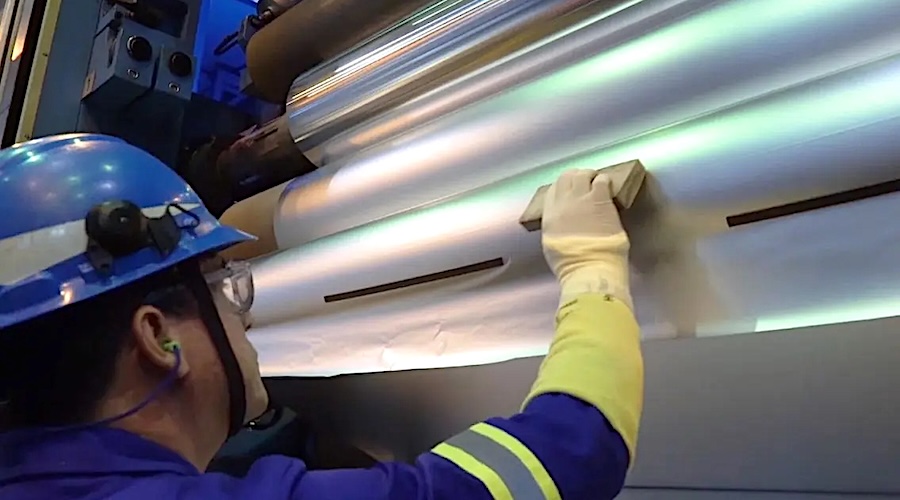
First reported on MINING.com
30 Second Briefing
Rio Tinto and Chinalco have secured unconditional CADE approval for their joint R$4.69 billion ($910 million) acquisition of a controlling stake in vertically integrated aluminium producer Companhia Brasileira de Aluminio (CBA), triggering a tender offer for remaining shares. The stake will be held via a joint venture 67% controlled by a Chinalco subsidiary and 33% by Rio Tinto, adding CBA’s bauxite mines, alumina refineries and smelters to their portfolios. CBA’s 23 hydroelectric generators, additional wind assets and 0.36 Mt of 2024 aluminium output bolster Rio’s existing 3.38 Mt/y hydropowered aluminium platform.
Technical Brief
- CADE’s unconditional clearance, published in Brazil’s official gazette, removes all competition-related constraints on closing.
- Transaction consideration to Grupo Votorantim is R$4.69 billion, implying a premium to CBA’s prior market value.
- CBA’s market capitalisation reached about R$6.7 billion on approval, framing upside for the pending tender offer.
- Joint venture governance gives Chinalco 67% and Rio Tinto 33% control over CBA’s integrated bauxite–alumina–smelting chain.
- Chinalco already owning 14.55% of Rio Tinto adds an additional layer of strategic alignment and cross-shareholding influence.
- CBA’s 23 hydroelectric generators and multiple wind farms directly feed its smelters, materially reducing grid-dependence risk.
- CBA’s smelting network produced 0.36 Mt aluminium in 2024, providing immediate brownfield capacity rather than greenfield ramp-up.
- Rio Tinto’s 3.38 Mt aluminium output from hydropowered smelters in Canada and Australasia sets a benchmark for integrating CBA’s low-carbon assets.
Our Take
With Rio Tinto already producing 3.38 Mt of aluminium annually, adding control in Brazil positions it more firmly in the low‑carbon segment, as CBA’s 23 hydroelectric generators give any integrated bauxite–alumina–aluminium chain a stronger renewable power base than many peers in Latin America.
The 4.69 billion‑real M&A deal in Brazil echoes other capital‑intensive moves in the country in our database, such as La Mancha Resource Capital’s C$427 million backing of G Mining Ventures’ Tocantinzinho gold project in Pará, underscoring Brazil’s continued pull for large-scale metals investment across multiple commodities.
Chinalco’s 14.55% equity stake in Rio Tinto, combined with a 67/33 operating split in the Brazilian aluminium joint venture, suggests Chinese operators will have significant influence over strategic decisions in this Latin American asset, which may affect future offtake patterns for bauxite and alumina into China.
Prepared by collating external sources, AI-assisted tools, and Geomechanics.io’s proprietary mining database, then reviewed for technical accuracy & edited by our geotechnical team.
Related Articles


Related Industries & Products
Mining
Geotechnical software solutions for mining operations including CMRR analysis, hydrogeological testing, and data management.
CMRR-io
Streamline coal mine roof stability assessments with our cloud-based CMRR software featuring automated calculations, multi-scenario analysis, and collaborative workflows.
HYDROGEO-io
Comprehensive hydrogeological testing platform for managing, analysing, and reporting on packer tests, lugeon values, and hydraulic conductivity assessments.
GEODB-io
Centralised geotechnical data management solution for storing, accessing, and analysing all your site investigation and material testing data.