Geomechanics, Streamlined.
© 2026 Geomechanics.io. All rights reserved.
SEW‑EURODRIVE is expanding its Australian industrial gear service capability with a national network of service centres backed by large local inventories of complete gear units and critical spares to cut shutdown durations. The company focuses on fast overhaul and replacement of helical, bevel-helical and planetary drives used on conveyors, mills and apron feeders, using OEM test rigs and factory-spec assembly to restore original torque ratings and thermal performance. For mine operators, the approach reduces the need for emergency imports and supports planned maintenance on high-power drives in remote locations.
Australia’s mining sector is being primed for a possible 2026 upswing as major iron ore, lithium and critical minerals projects in Western Australia’s Pilbara and Queensland’s north-west minerals province move through feasibility and early works. Analysts are watching Rio Tinto’s Pilbara expansion plans and several 5–10Mtpa-scale lithium and nickel projects whose final investment decisions hinge on mid-2025 commodity price signals and grid connection approvals. For geotechs and civil contractors, this points to a likely surge in bulk earthworks, tailings storage lifts and haul road construction demand within 12–24 months.
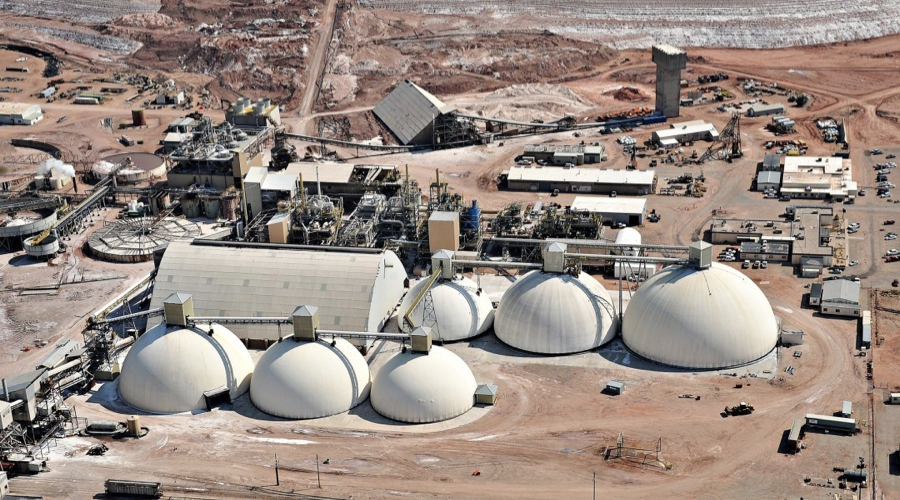
Intrepid Potash, working with Aquatech International and Adionics SAS, has produced battery-grade lithium carbonate from post-process brine at its Wendover, Utah potash facility using direct lithium extraction, achieving 92.9% lithium recovery and >99.5% lithium chloride purity. Aquatech’s downstream processing converted the lithium-rich brine to ≥99.5% lithium carbonate meeting battery manufacturing specifications, and the partners will continue evaluating a dedicated lithium plant under their existing Joint Development Agreement. Intrepid plans to leverage existing evaporation and brine-handling infrastructure while limiting new capital exposure, positioning lithium as a margin uplift alongside its core muriate of potash operations.
TBM Xihe, a 7.3m-diameter, 100m-long, 1,000-tonne Herrenknecht slurry machine, has completed the up-track drive to the future Tung Chung West Station and has begun boring the down-track tunnel towards Tung Chung Station for MTR’s Tung Chung Line Extension in Hong Kong. The Bouygues Travaux Publics–Dragages Hong Kong JV turned the TBM underground within the launch shaft using a push-pull method and self-propelled modular transporter, avoiding full disassembly and surface transport. About 1.3km of new twin-bore tunnels are being driven close to existing rail and urban structures, with commissioning targeted for 2029.
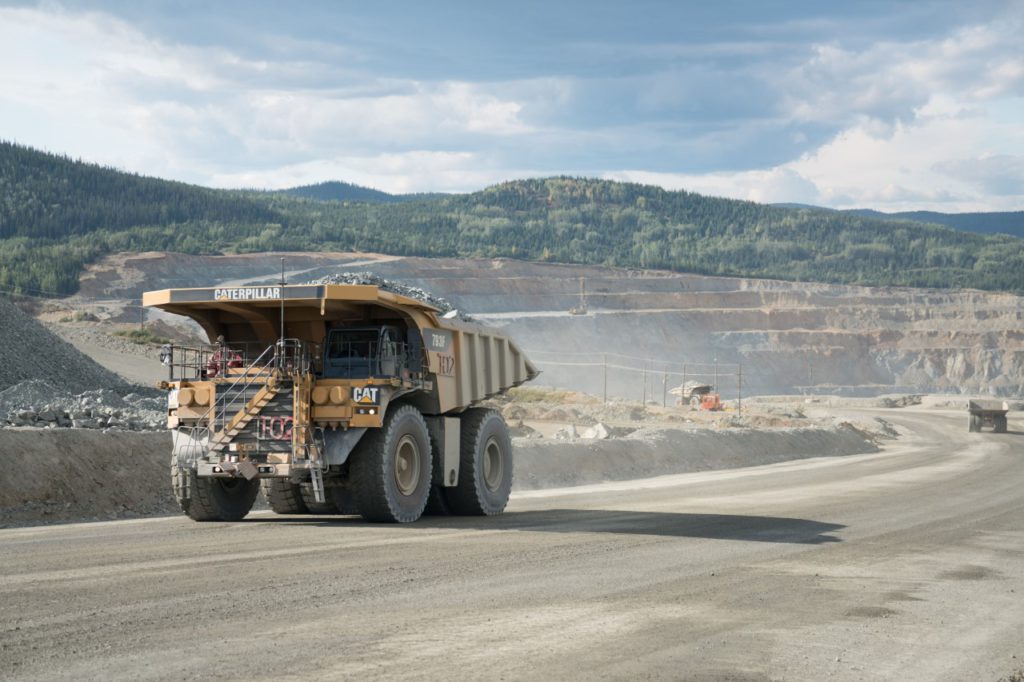
Caterpillar has launched Cat AI Assistant, a generative AI tool that lets mine operators query mixed fleets, parts catalogues and digital applications in natural language to support buying, maintenance and operations decisions. The assistant integrates with existing Cat digital platforms such as VisionLink and MineStar, drawing on telematics, condition monitoring and work order histories to propose actions like optimised maintenance windows or component replacements. For geotechnical and mining teams, this could speed fault diagnostics on critical assets such as haul trucks and loaders and tighten planning around equipment availability and downtime.
Austral Resources beat its 2025 Q4 copper production guidance at the Lady Annie heap leach–SXEW operation in northwest Queensland despite record rainfall and flooding that shut nearby mines and cut regional road access. Continuous irrigation of leach pads, maintaining solution management and access to the 30,000tpa SXEW plant, allowed copper cathode output to stay above budget while avoiding major geotechnical instability on stacked heaps. The performance signals robust wet-weather operating procedures and drainage design for future extreme rainfall events in the Mount Isa–Cloncurry district.
Dr Vanessa Torres has been appointed chair of the Minerals Research Institute of Western Australia (MRIWA), taking over leadership of the state-funded body that directs minerals R&D investment. MRIWA typically co-funds applied research in areas such as tailings management, orebody characterisation and decarbonisation of mining fleets across Western Australia’s iron ore, gold and battery minerals sectors. Torres’ appointment signals continuity for industry–research collaboration on high-impact geotechnical and processing projects, with funding decisions directly affecting mine design, waste storage strategies and technology trials in operating sites.
Western Australia has opened a new funding round under its Clean Energy Future Fund (CEFF), making $9 million available for clean energy projects that cut emissions or reduce energy costs. Mining, minerals processing and remote industrial operations are eligible, with typical projects including on-site solar and battery storage, high‑efficiency electrification of diesel loads, and demand‑side management technologies. The scheme targets projects that can be replicated across WA’s grid‑connected and off‑grid sites, signalling scope for miners to de‑risk low‑emission power trials at existing operations.
Northern Star Resources has reported a difficult December quarter but says it is on track for a stronger second half of the 2025–26 financial year, with production and cost guidance unchanged across its Australian gold operations. Management is banking on improved performance at key assets such as Kalgoorlie and Yandal, supported by ongoing capital spend on underground development and processing upgrades. For mine planners and geotechs, the message is to expect tighter operating discipline rather than major cutbacks, with current mine schedules and longer-term reserve development largely intact.
Manuka Resources is preparing to restart unhedged gold and silver production in the Cobar Basin in the June quarter of 2026, targeting its Mt Boppy and Wonawinta operations in New South Wales. The restart centres on existing open-pit and heap leach infrastructure, with processing focused on silver-rich oxide stockpiles and remnant gold ore rather than new large-scale development. Operating without price hedging exposes project economics directly to bullion price volatility, which will be critical for mine planning, cutoff grade strategy and sequencing of remaining reserves.
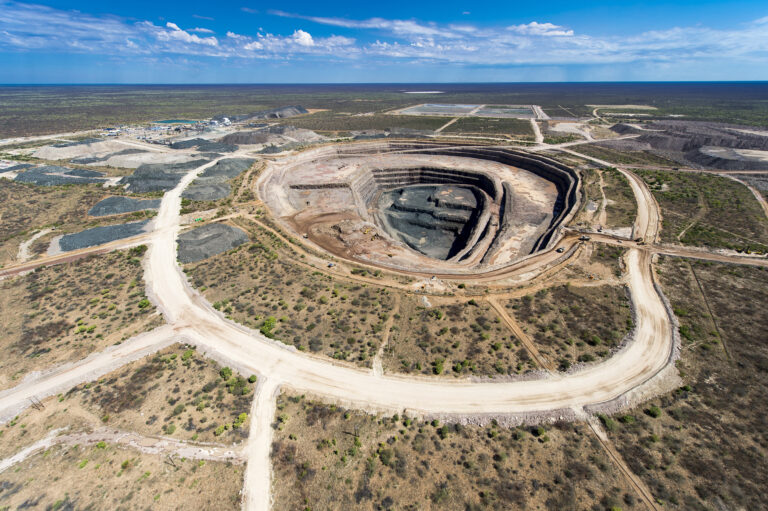
Lucara Diamond is proceeding with the Karowe underground expansion in Botswana after an updated feasibility study projected recovery of 4.5 million carats over a 10‑year mine life and an after‑tax NPV of $432 million, despite a sharp downturn in natural diamond demand and competition from lab‑grown stones. Open‑pit mining will cease before June 2026, with stockpiles sustaining the 2.85‑million‑tonne‑per‑year plant while underground production ramps to commercial output in H1 2028. The $779 million project, already $436 million spent, targets the high‑value South Lobe of the AK6 kimberlite and is expected to generate over $1.3 billion in net income through 2038.
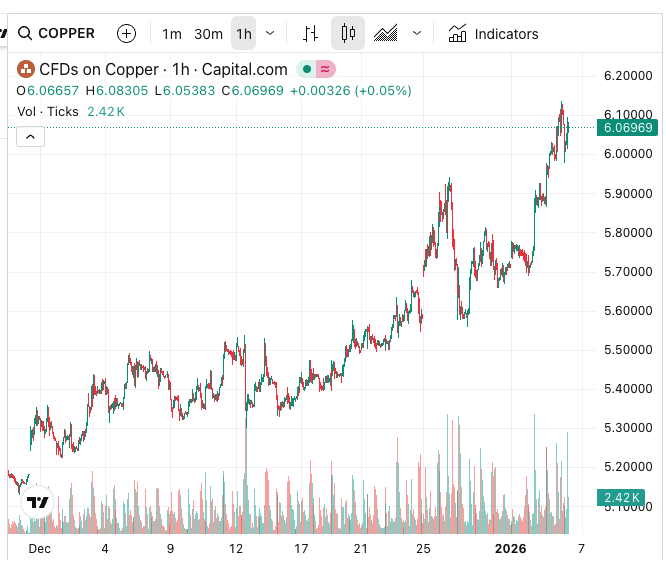
Copper prices set a new record on Tuesday, with LME three‑month copper up 1.8% in open outcry to $13,225/t after touching an all‑time high of $13,387.50/t, extending a 6.6% gain so far in 2026 after a 42% surge last year. Supply risks centre on a strike at Capstone Copper’s Mantoverde copper‑gold mine in northern Chile and delays to Tongling Nonferrous’ Mirador phase‑two project in Ecuador, while US tariff rhetoric is pulling material into the country and distorting trade flows. Traders are increasingly split on whether speculative inflows are now outrunning physical fundamentals.
Gold’s best annual performance since 1979, with a 65% gain and a Boxing Day peak of $4,549.71/oz, has prompted Morgan Stanley to project a rise to $4,800/oz by Q4 2026, driven by falling rates, possible Fed leadership change and sustained central bank and fund buying. Bank of America, led by metals head Michael Widmer, expects 2026 gold to average $4,538/oz, with North American mine output from 13 majors slipping 2% to 19.2 Moz and all‑in sustaining costs rising 3% to about $1,600/oz. Widmer also sees silver between $135–$309/oz based on a gold‑silver ratio now around 59, while Morgan Stanley flags upside for silver, aluminium and copper amid Chinese export licence constraints, industrial demand and ongoing copper supply disruptions.
Centerra Gold has secured British Columbia Environmental Assessment Office approval to run the Mount Milligan open-pit copper-gold mine to 2035, authorising an 11% throughput increase to 66,500 tonnes of ore per day, an 80-hectare expansion of the disturbance area and a 26-metre raise of the tailings storage dam to 1,121 metres above sea level. The amendment also permits a revised haulage route, new site infrastructure 155 km north of Prince George, and updated reclamation and closure plans. A recent pre-feasibility study envisages potential operation to 2045, with annual output of 150,000 oz gold and 69 million lb copper from reserves of 483.2 million tonnes at 0.28 g/t Au and 0.16% Cu.
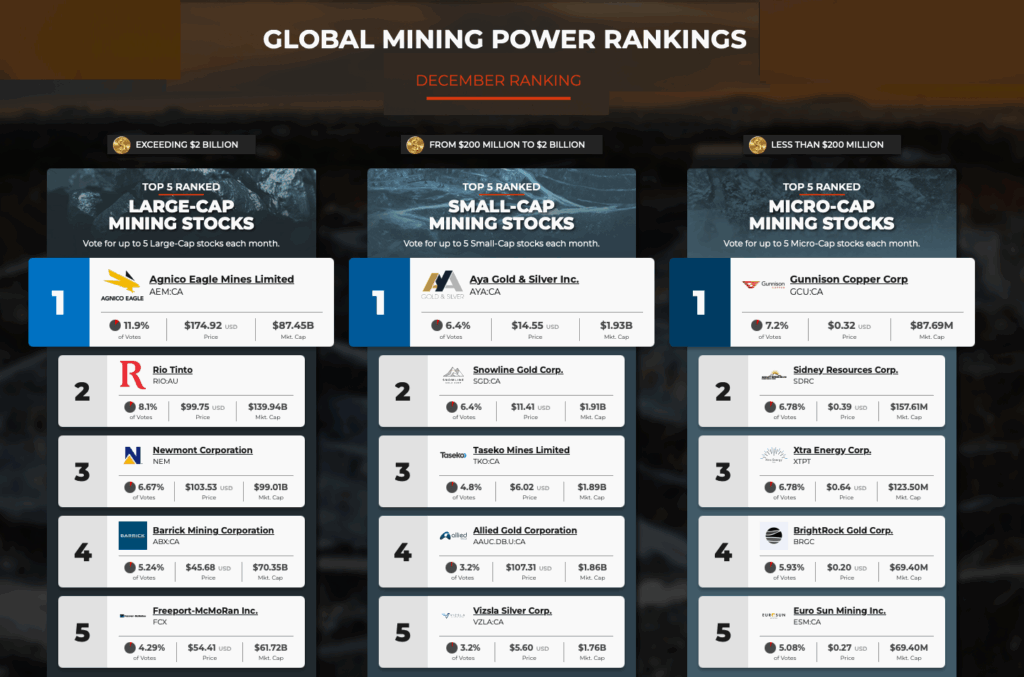
Agnico Eagle, Aya Gold & Silver and Gunnison Copper led MINING.COM’s December Global Mining Power Rankings, with Agnico securing 11.9% of large-cap votes on the back of a reaffirmed 2025 output of 3.3–3.5 Moz, about $3.1 billion free cash flow in nine months and full debt elimination targeted by Q4 2025. Aya’s Zgounder mine in Morocco reached commercial production post-expansion and a PEA for its 85%-owned Boumadine project outlines an 11-year, multi-pit and underground polymetallic operation, supported by a roughly 160% silver price surge. Micro-cap winner Gunnison Copper produced first copper cathode at Johnson Camp in Arizona in 2025, began sales in September and secured about $13.9 million in US DOE Section 48C tax credits, signalling momentum for US in-situ copper supply.
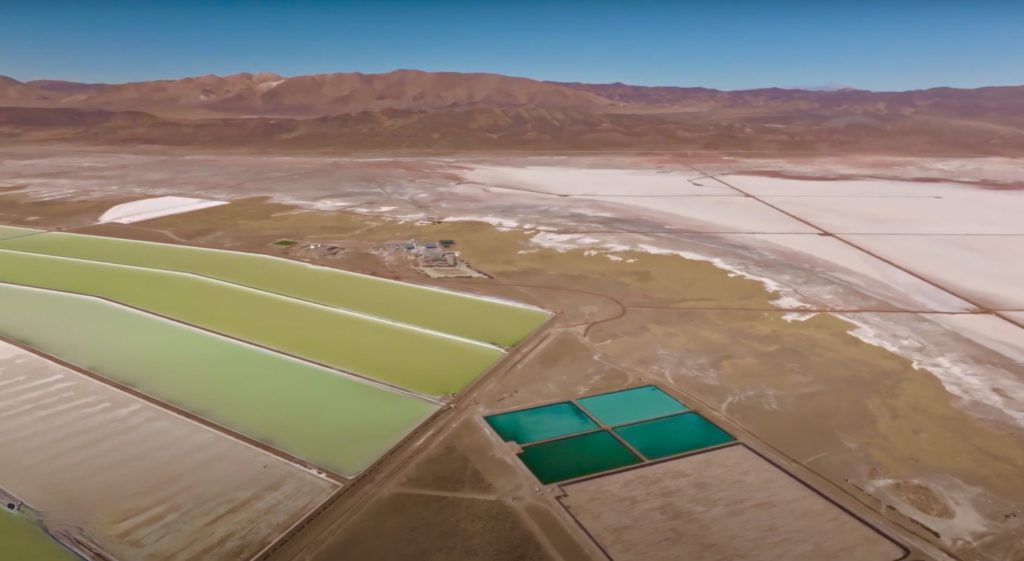
Lithium Argentina’s Cauchari-Olaroz brine operation in Jujuy hit 2025 guidance with about 34,100 tonnes of lithium carbonate, running at 97% of nameplate in Q4 and cutting cash operating costs below $6,000/t, down from $6,285/t in Q3. The $1 billion first-stage JV with Ganfeng (47%), Lithium Argentina (45%) and JEMSE (8.5%) is seeking environmental and RIGI approvals to add 45,000 t/y capacity and is evaluating direct lithium extraction to boost recoveries and reduce water use. A separate PPG salar project in Salta targets 50,000 t/y in phase one with about $1.1 billion initial capex.
Nova Minerals has played down a Financial Times report that it agreed to buy over 100 tonnes of Pakistani antimony concentrates for about $2 million in early 2026, saying talks with a local partner were only “preliminary” and “exploratory”. The clarification came as Nova’s shares rose more than 6% in New York, valuing the company at about $396 million, while it pushes ahead with a feasibility study on its Estelle gold project in Alaska, a 500 km² claim block in the Tintina Gold Belt. Estelle currently hosts nearly 10 million oz. of gold across four large, near-surface intrusion-related deposits along a 35 km corridor, with associated antimony mineralisation underpinning plans for an Alaska-based mining and refining hub for military‑grade antimony trisulphide backed by $43.4 million in US Defense Production Act funding.
From Chile’s 1971 copper nationalisation under Salvador Allende and creation of Codelco to the 2026 US “Operation Absolute Resolve” that captured Venezuelan president Nicolás Maduro, control of copper and oil has repeatedly triggered coups, sanctions and direct military intervention. Venezuela’s mining output has collapsed despite large reserves, with official gold production falling from 5.95 tonnes in 1999 to about 30 kg in 2023, iron ore from 14.1 Mt to 2.5 Mt, and bauxite from over 4 Mt to roughly 250,000 t. GEM’s Juan Ignacio Guzmán sees near-term opportunity in rehabilitating idle mines and plants within one to three years, contingent on power, infrastructure, sanctions relief and legal stability.
Power tool manufacturer Milwaukee Tools has opened a 13,250-square-foot UK Experience Centre at Westcott Venture Park in Aylesbury under a 10-year lease, offering trade users extended access to its full cordless and corded product range. The facility combines indoor training bays with outdoor testing areas so contractors can trial drills, breakers and saws under realistic site-like conditions before committing to fleet purchases. For site managers and procurement teams, this enables more informed tool selection, potentially reducing downtime, misuse and compatibility issues across large projects.
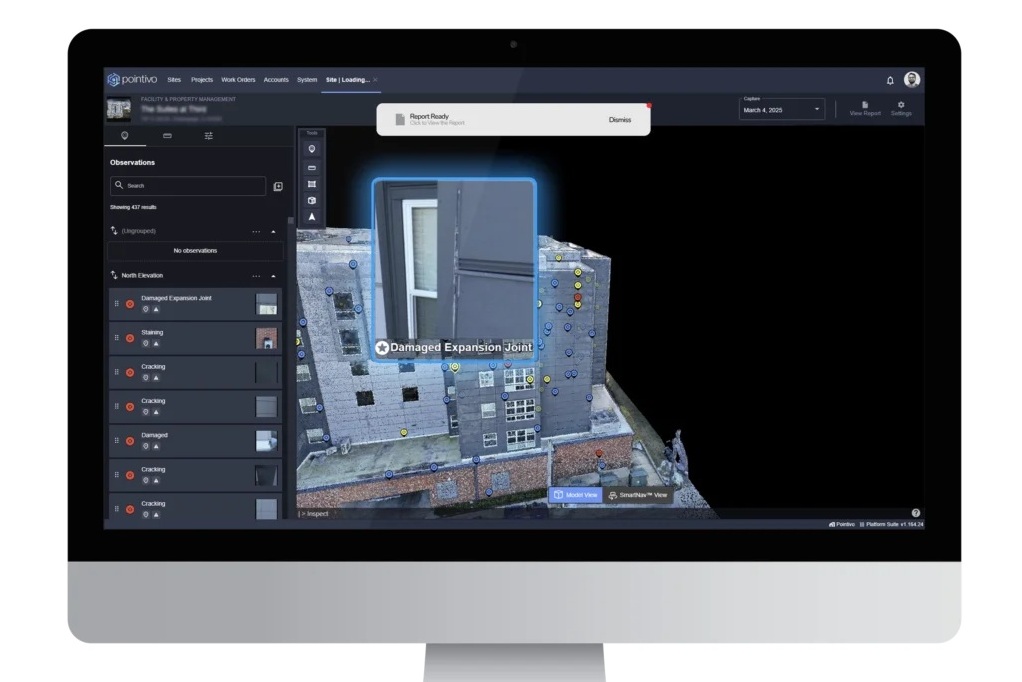
Bentley Systems has acquired Talon Aerolytics and the drone-data and AI assets of Pointivo Technology to expand its Bentley Asset Analytics portfolio, which already includes OpenTower iQ for telecom towers and Blyncsy for road networks. Talon brings an inspection and asset digitisation platform used across wireless telecom, broadband and electric utilities, combining workflow automation, digital twins and AI for recurring tower and line inspections. Pointivo adds patented AI-driven inventory and damage detection, advanced point-cloud processing, automated measurement and geolocated drone capture, aimed at continuous condition assessment for 5G roll-outs and grid modernisation.
Seddon has promoted Mark Walker to managing director of Seddon Housing Partnerships after seven years with the firm, succeeding Peter Jackson, who is stepping down after almost 20 years. Walker, previously commercial director, has led major regeneration schemes including 152 replacement homes at Whitebirk and 93 social rent homes at the Shadsworth estate in Blackburn. His remit covers new-build and retrofit programmes with social housing providers across the north of England and the Midlands, with a stated focus on scheme viability, capacity support and tenant-led estate renewal.
Laing O’Rourke has appointed Wayne Davis as chief people officer, adding HR representation to its overarching group executive committee for the first time from 12 January 2026. Davis joins from Premier Technical Services Group after 18 months and previously spent five years as senior vice president for HR at Emirates, following a long career across General Electric businesses. Group chief executive Cathal O’Rourke links the move to planned organisational transformation and talent development as the contractor pursues a “new delivery paradigm” for construction.
Nottingham Forest has submitted new plans to expand the City Ground from 30,445 to about 52,000 seats, replacing last year’s approved but smaller 35,000-capacity scheme focused on rebuilding the Peter Taylor Stand. The revised project team is led by KSS Design Group, with Buro Happold, Gleeds and Savills advising, and owner Evangelos Marinakis committing “significant investment” for a “sustainable and iconic” redevelopment. For civil and structural engineers, the jump to a 52,000-seat bowl signals substantially larger crowd loading, egress, services and transport interface requirements on an already constrained riverside site.
Kier Group’s new chief executive Stuart Togwell has restructured the business from five divisions to three, creating a single Kier Infrastructure unit by merging Transportation with Natural Resources and Nuclear & Networks, and appointing current chief people officer Louisa Finlay as chief operating officer with added responsibility for digital technology. Former Laing O’Rourke leader Martin Staehr becomes group managing director for Kier Construction, while James Askew moves from interim construction lead to group commercial director overseeing procurement, pre-construction and business development. Tom Hinton joins as chief financial officer and Abi Cooke becomes chief of staff, ahead of a trading update on 20 January and interim results on 3 March.