Geomechanics, Streamlined.
© 2026 Geomechanics.io. All rights reserved.
Iltani Resources has secured an $8 million investment to accelerate drilling across its Australian base and precious metals portfolio, signalling continued capital appetite for greenfield exploration despite cost pressures. The funding will support step-out and infill programmes targeting high-grade zones, with a focus on expanding JORC-compliant resources and fast-tracking metallurgical testwork. Alongside the raise, the past week saw new executive appointments and asset divestments across the sector, reshaping exploration pipelines and reallocating budgets towards drill-ready prospects.
McLanahan is promoting structured maintenance strategies for its feeder breakers, which combine controlled chain-feeding with primary size reduction for underground and surface coal operations. The company stresses regular inspection of pick segments, conveyor chains and flight bars, plus correct torqueing of gearbox and drive couplings, to prevent unplanned downtime on high-impact duty cycles. Guidance focuses on planning component change-out intervals around known wear patterns and ensuring OEM-spec parts and clearances are maintained to protect motors, gearboxes and crusher rolls in abrasive, high-throughput environments.
Ardea Resources has secured up to $1 billion in non-binding debt funding support from US EXIM Bank and Export Finance Australia for the Goongarrie Hub nickel–cobalt project, part of its Kalgoorlie Nickel Project in Western Australia. The proposed joint venture targets laterite ore to produce mixed hydroxide precipitate for battery-grade nickel and cobalt, aiming to leverage existing rail and power infrastructure north of Kalgoorlie. The scale of the facility signals continued government-backed appetite for large hydrometallurgical battery metals projects despite weak nickel prices.
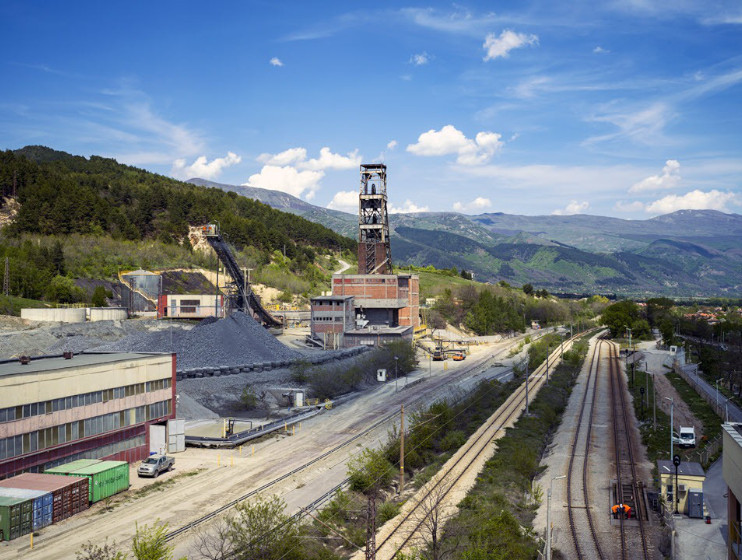
DPM Metals has extended the Chelopech gold-copper mine in Bulgaria to a 10-year life after a 20% increase in measured and indicated resources to 15.3 million tonnes grading 2.18 g/t gold, 9.19 g/t silver and 0.64% copper, plus 9.1 million inferred tonnes at slightly lower grades. Updated reserves now total 1.6 million oz. gold, 6.23 million oz. silver and 308 million lb. copper, supporting roughly 160,000 gold-equivalent oz. per year based on a higher US$2,300/oz gold price assumption. The model incorporates the Sharlo Dere prospect but excludes the Wedge Zone Deep discovery, 300 m below current workings, where new drilling results are due in Q2.
Rio Tinto scrapped merger talks with Glencore in under 24 hours after deciding no structure could deliver sufficient value, rejecting Glencore’s push for its shareholders to hold about 40% of a combined $232 billion group. The core dispute was valuation: Rio wanted a split near the market-implied 69–31 with full control of both chair and CEO roles, while Glencore argued for roughly 60–40 to reflect its coal, trading arm and 10 copper growth projects, or a clear takeover premium. A deal would have doubled Rio’s copper output to around 1 Mt of future growth and reduced its iron ore dependence, but divergent views on commodity cycles and portfolio value killed the transaction.
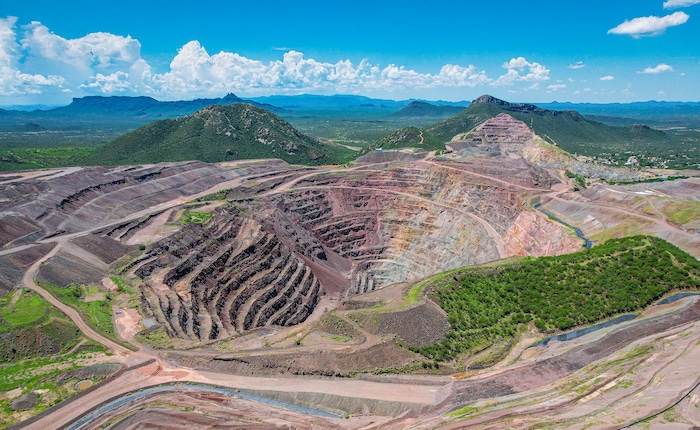
Heliostar Metals has poured first gold from the restarted San Agustin open-pit mine in Durango, Mexico, its second producing asset after La Colorada, with remaining reserves expected to yield about 45,000 oz. The company’s 2026 guidance calls for 50,000–55,000 oz of gold, including 30,000–32,700 oz from San Agustin, at an all-in sustaining cost of US$2,000/oz, after restarting the operation on time and on budget. A 10,000–15,000 m drilling campaign is targeting additional oxide mineralisation beyond the current 14‑month mine life based on 7.36 Mt at 0.29 g/t Au (68,000 oz probable reserves).
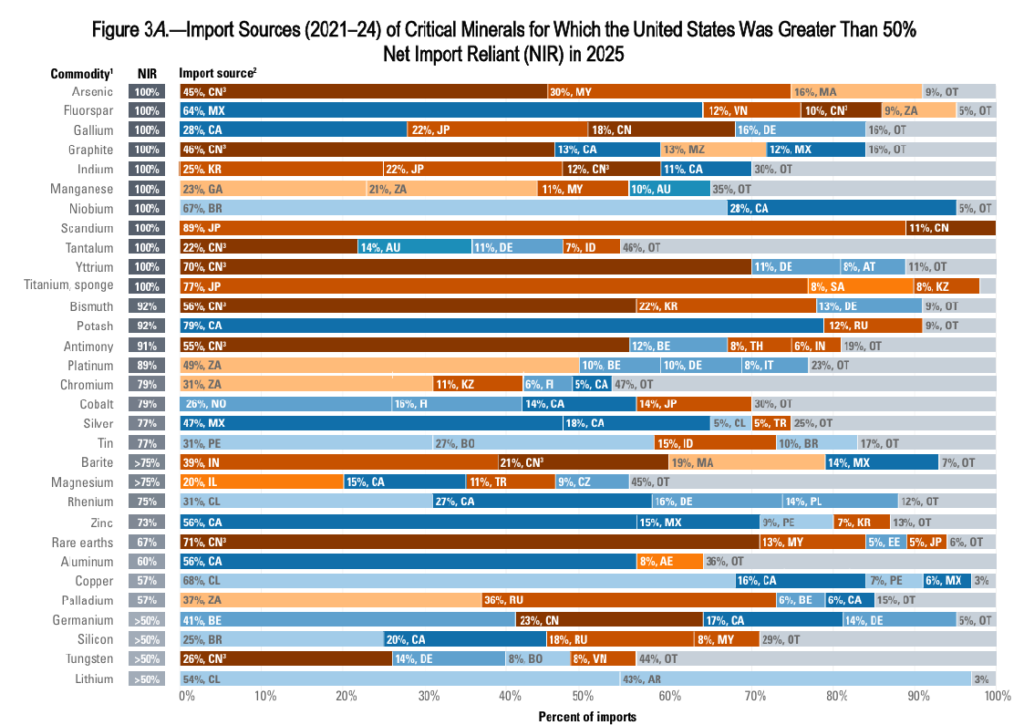
US mineral supply chains became more exposed in 2025, with the USGS reporting 100% import reliance for 16 of 90 tracked non-fuel commodities and more than 50% reliance for 54 minerals, up from 15 and 46 respectively in 2024. The US is totally dependent on imports of arsenic, natural graphite, manganese, niobium, tantalum, titanium sponge and 10 other minerals, with China supplying nearly half of arsenic and graphite, 55% of antimony and 70% of rare earths. In response, the Trump administration has proposed a $12 billion critical minerals stockpile and a JD Vance-led allied trade bloc, while industry warns US mine permitting still averages 29 years.
Wheaton Precious Metals will appoint current president Haytham Hodaly as president and CEO and Board member from 31 March 2026, with long-serving CEO and co‑founder Randy Smallwood moving to non‑executive Chair and current Chair George Brack becoming Lead Independent Director. Hodaly, a mining engineer and former RBC mining analyst, has led over US$11 billion in streaming transactions since joining Wheaton in 2012, shaping its deal pipeline and technical due diligence. The succession keeps strategic continuity at one of the sector’s largest precious metals streaming companies as it targets new gold and silver projects.
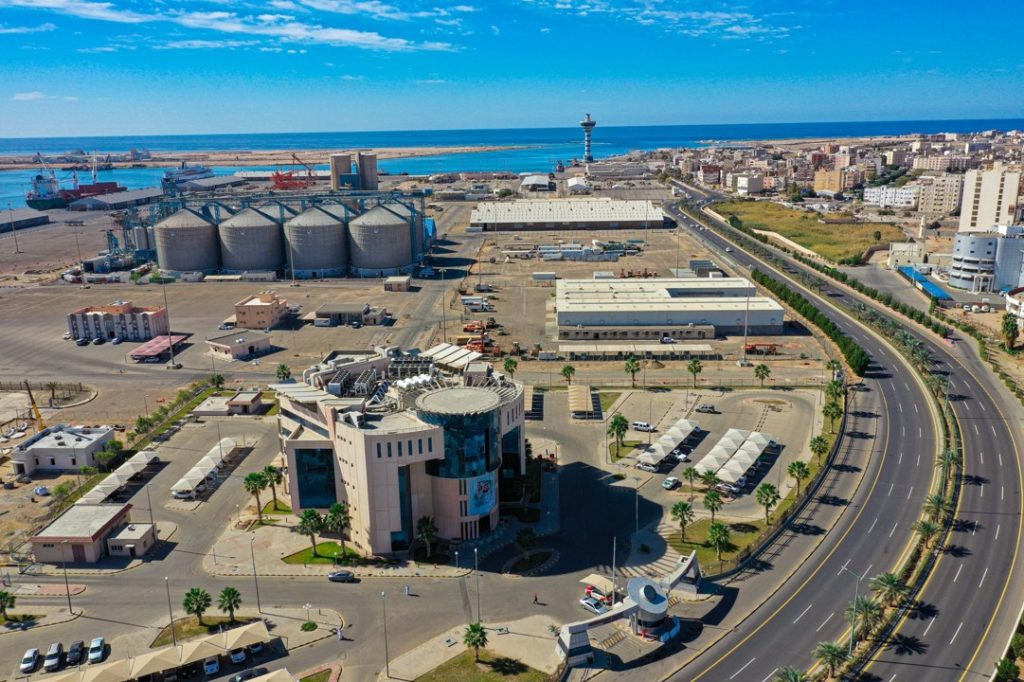
Northern Graphite will prioritise a US$200 million battery anode material plant at Yanbu, Saudi Arabia, with initial capacity of 25,000 tonnes per year from 2028, supplied by the restarted Okanjande graphite mine in Namibia (planned 31,000 t/y over 10 years at a restart cost of about US$35 million). Partner Al Obeikan will hold 51%, lead local debt raising, and tap the Saudi Industrial Development Fund to cover 50–75% of capex, leveraging fast permitting. Planned 20,000 t/y plants in Baie-Comeau, Quebec and France are now secondary, with CEO Hugues Jacquemin calling the Saudi deal a “wake-up call” for stronger power allocations and incentives.
Advanced Magnet Lab (AML) is scaling a wire-like manufacturing process for permanent magnets, enabling samarium nitride and manganese-bismuth compositions that are poorly suited to conventional press-and-sinter NdFeB routes dominated by China. Operating at pilot scale and targeting roughly 100 tonnes per year rather than 10,000-tonne megaprojects, AML is qualifying MnBi magnets with motor OEMs and ramping NdFeB output for defence and specialty uses, with samarium nitride furthest advanced. OEMs are reportedly paying US$10–20/kg premiums for diversified, traceable supply, while magnet-making equipment faces 14–20 month lead times.
Rosh Pinah Zinc has commissioned Namibia’s first paste backfill plant at the Rosh Pinah zinc-lead-silver mine, enabling cemented paste backfilling of underground stopes to cut dilution, reduce surface tailings and improve ore recovery while being run by a locally trained operations team. The RP2.0 expansion, now over 85% complete and targeting Q3 2026 completion, includes a new portal and decline, new paste fill and processing facilities, a SAG mill and water treatment plants. In parallel, RPZ is executing more than 80 km of diamond drilling to 2027, covering infill, step-out and regional targets to extend mine life.
Margins at Scottish and Northern Irish plumbing and heating firms are being squeezed despite solid workloads, with 47% of SNIPEF’s 700 member companies reporting falling profit margins in Q4 2025, up from 35% in Q3, while 93% face rising input costs. Confidence in individual businesses has improved to 45% confident or very confident, but only 9% feel positive about the UK economy and 51% are pessimistic. Acute labour constraints persist, with 67% reporting low local availability of skilled plumbers, yet 64% say they are very unlikely to recruit an apprentice in the next six months due to training costs.
Profit warnings from FTSE Construction & Materials companies more than trebled in 2025, rising to 18 from five in 2024, with 33% of listed firms issuing at least one warning – the highest level since the 33 alerts seen in 2020. EY-Parthenon attributes 50% of these warnings to contract and order cancellations or delays, with policy change and geopolitical uncertainty cited in 28% and rising costs in 17%. Increasing regulatory complexity around the Building Safety Act, legacy liabilities and labour shortages are eroding margins and straining working capital across project supply chains.
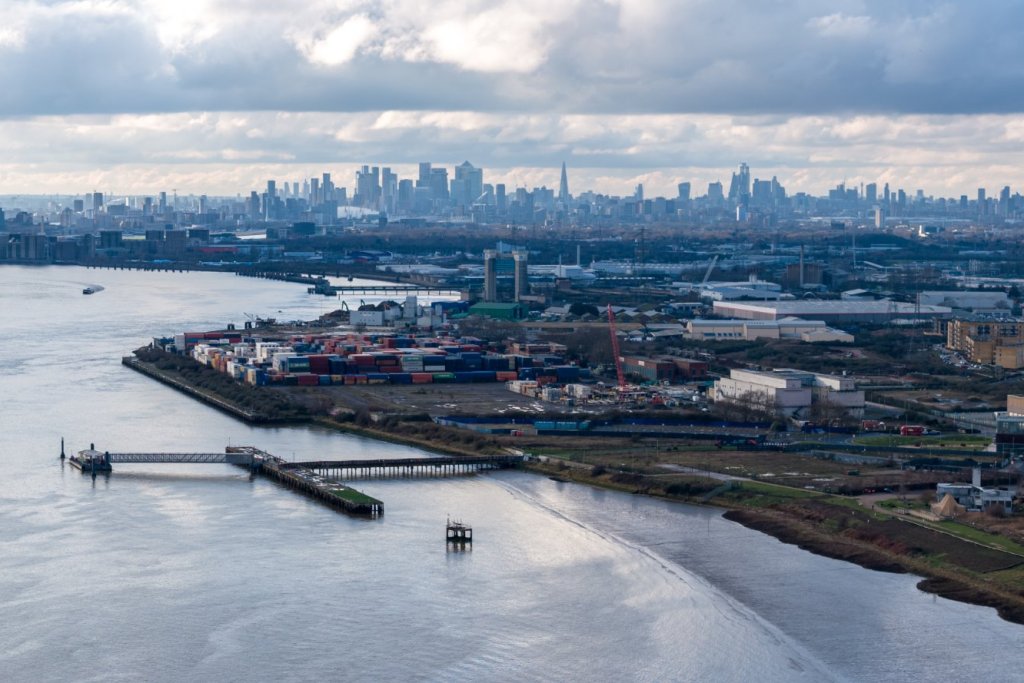
Mackley has secured a £12m contract from Barking Riverside Limited to remodel 500 metres of Thames foreshore in east London, raising the flood defence crest from +7.1mOD to +8.2mOD in line with the Thames Estuary 2100 strategy. Works, starting February 2026 and lasting about 14 months, will use regrading, reinforced concrete walls and localised sheet piling, with surface water managed via swales, attenuation basins and storage tanks. The scheme adds a new riverside terrace east of Barking Riverside Pier, upgraded pedestrian routes and 1,250 m² of new intertidal habitat, integrating utilities corridors, fire access and ecological mitigation.
Cost estimates for restoring the Palace of Westminster have risen to £18.7bn, nearly triple the £5.7bn upper figure set a decade ago, with current maintenance already running at £1.5m per week. The R&R Client Board proposes a £3bn, seven‑year first phase starting this year, including temporary debating chambers, new office space, underground works, a river delivery jetty and preparation for restoring Cloister Court and refurbishing Victoria Tower. MPs must now choose between a full decant taking 19–24 years at up to £11.5bn, or an EMI+ in‑occupation scheme lasting up to 45 years at £18.7bn, with each year’s delay adding £70m plus £250m–£350m in inflation.
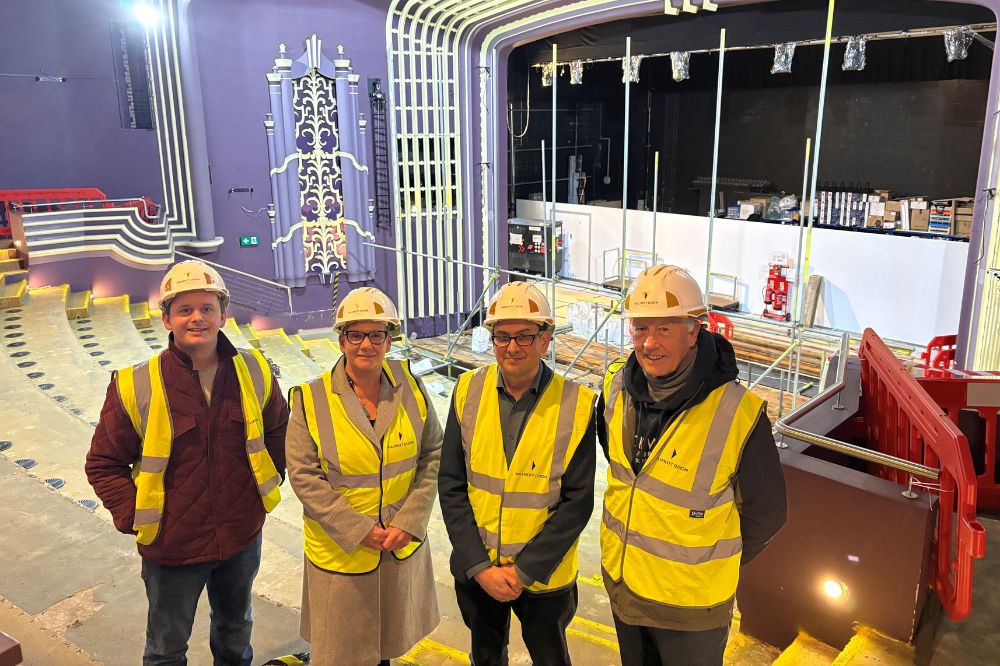
Willmott Dixon Interiors has secured a £10m contract from Horsham District Council to deliver the first major refurbishment of The Capitol theatre since 2002, covering the main auditorium, cinema screens, toilets, bar areas and box office. Works include full mechanical, electrical and plumbing upgrades to suit a new internal layout, improved viewing positions and seating for disabled visitors, and decorative enhancements to front-of-house spaces and the external façade. The venue is planned to reopen in late 2026, with the contractor drawing on experience from Brent Civic Centre and The Amelia Scott cultural centre.
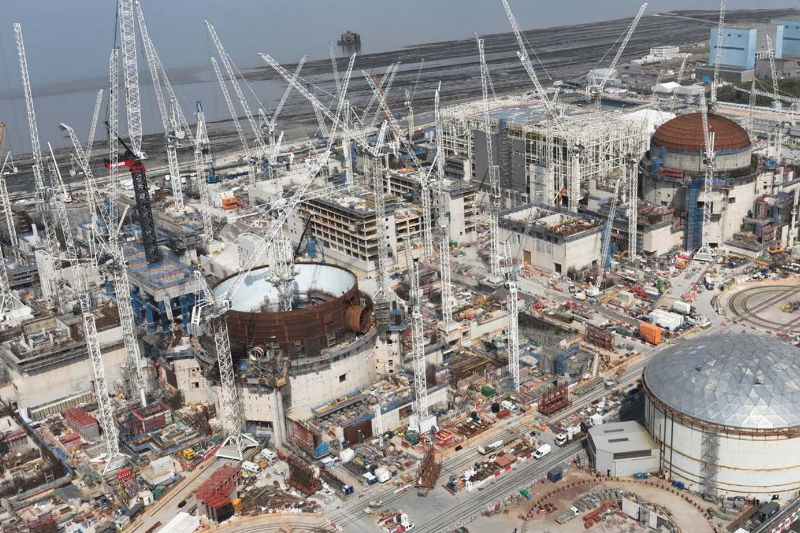
Fire enforcement notices have been served by the Office for Nuclear Regulation on all five MEH alliance contractors at Hinkley Point C – Altrad Babcock, Altrad Services, Balfour Beatty Kilpatrick, Cavendish Nuclear and NG Bailey – following a December 2025 inspection of the Unit 1 HF electrical building. Inspectors found no suitable fire risk assessment, inadequate means of escape with too few emergency exits for current workforce numbers, and combustible materials stored in a designated emergency stairway. The firms must now embed compliant fire arrangements, while main works contractors Bouygues Travaux Publics and Laing O’Rourke Delivery are separately facing court action over safety breaches.
The UK Treasury has issued a slimmed‑down Green Book, revising the appraisal rules that govern billions of pounds of public investment in transport, flood defences and other major infrastructure. The update is intended to give “overlooked” regions a stronger case in cost‑benefit analysis by rebalancing how wider economic impacts, distributional effects and place‑based regeneration are valued alongside pure benefit–cost ratios. Civil and geotechnical schemes in lower‑income or lower‑productivity areas could now score better in business cases for road upgrades, rail links and resilience works.
Short-term confidence among London construction contractors has dipped, with Aecom’s latest survey citing rising input costs and persistent skills shortages across key trades. Firms report pressure from higher prices for materials such as steel and concrete, alongside difficulty recruiting experienced site managers, project planners and specialist subcontractors. The survey points to tighter margins on major infrastructure and commercial schemes in the capital, with contractors likely to price in greater risk allowances and become more selective about bidding.
National Grid Electricity Distribution and UK startup Space Solar have begun a feasibility study into using wireless power transmission on Britain’s electricity network, assessing whether high-frequency radio or microwave links could move bulk power without new overhead lines or buried cables. The project will examine integration with existing 132kV–400kV infrastructure, potential use between substations or across constrained corridors, and impacts on grid stability, conversion efficiency and electromagnetic compatibility. Outcomes could influence future routing strategies where planning, geotechnical or wayleave constraints block conventional transmission assets.
Greatland Resources has added a Cat 6060 hydraulic mining shovel to the Telfer gold-copper mine fleet in Western Australia’s Paterson Province, its first Caterpillar unit supplied by local dealer WesTrac. The ultra-class shovel, which typically pairs with 220–250 t haul trucks and offers around 60–70 t nominal payload per pass, took three weeks to assemble on site. The deployment signals a move towards higher-capacity loading at Telfer, with implications for matching truck fleets, pit floor stability and dig face design.
Eramet’s Grande Côte mineral sands operation in Senegal has achieved IRMA 50 performance level, the first site in the group to complete an audit under the Initiative for Responsible Mining Assurance standard. The voluntary assessment, aligned with Eramet’s 2022 CSR roadmap “Act for Positive Mining”, covers mine planning, tailings and water management, labour and community relations, and closure planning. For engineers, IRMA 50 signals external verification of baseline practices on issues such as dredge mining impacts, rehabilitation of coastal dune systems, and control of process-water circuits.
Pronto.ai has launched Pronto AHS VLR and Pronto AHS VLR 360, extending its OEM-agnostic autonomous haulage portfolio beyond the existing Vision-Only system into a three-tier “Pronto Editions” architecture. The new VLR variants are aimed at variable labour and resource environments, offering different sensor and compute configurations to match site constraints rather than a single fixed-spec AHS package. For mine operators, this tiered approach allows phased autonomy deployment across mixed fleets and pit conditions, potentially lowering upfront capex and easing integration with legacy haul trucks.
Komatsu North America has agreed to acquire the assets of SRC of Lexington, a Kentucky-based specialist in remanufactured components and parts for construction and mining equipment, with closing targeted by the end of February 2026 subject to standard conditions. SRC’s portfolio covers major wear and high-value items such as engines, transmissions and hydraulic components, supporting life-extension strategies for large haul trucks and shovels. The deal signals further consolidation of the reman supply chain, with OEM-backed reman seen as a way to stabilise component availability and rebuild cycles at remote mine sites.