Geomechanics, Streamlined.
© 2026 Geomechanics.io. All rights reserved.
A 10 August 2025 rockslide in Alaska’s Tracy Arm Fjord sent more than 64 million m³ of rock and debris into the water, generating a megatsunami with an estimated maximum run-up of about 481 m along the steep fjord walls, the second-highest recorded after Lituya Bay 1958. The failure was linked to support loss from South Sawyer Glacier’s retreat, with the narrow fjord geometry strongly amplifying wave heights. No casualties occurred, but the near miss for cruise traffic signals a rising landslide–tsunami hazard in deglaciating fjords that must be factored into navigation and infrastructure risk assessments.
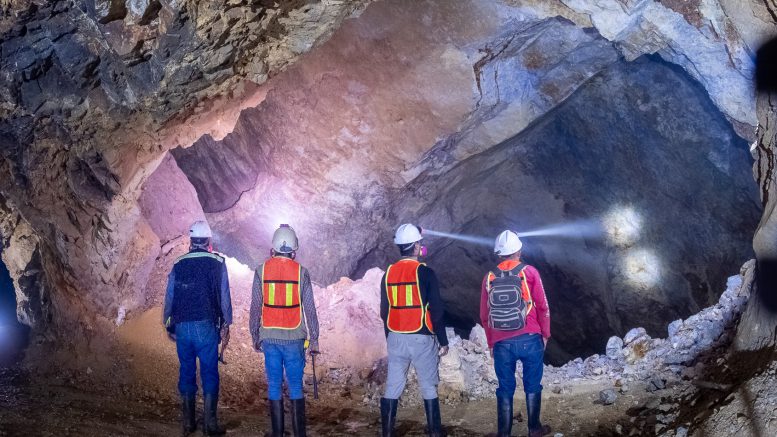
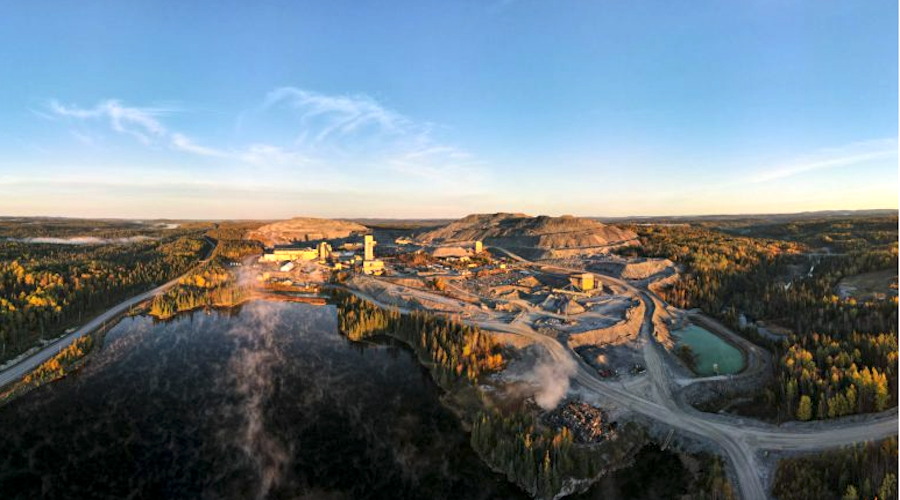
Master Drilling has commissioned its first remote drilling system in Canada at Agnico Eagle’s Odyssey Mine in Quebec, starting with reaming a 220-m hole using a 5.5-m diameter reamer. The RD7 raiseboring machine is operated remotely, removing personnel from the immediate drilling area while maintaining tight control of alignment and breakthrough. For geotechnical and mine planning teams, the successful large-diameter, long-hole trial signals growing viability of remote raiseboring for ventilation shafts and service raises in deep Canadian operations.
BME’s General Manager for Operational Excellence & SHERQ, Dr Ramesh Dhoorgapersadh, told the SAFEX International Congress XXI in Portugal that sustainable mine safety demands a “critical evolution” towards integrating health, wellness and broader human factors into risk management. His research links operational safety performance not only to traditional controls around blasting, explosives handling and SHERQ systems, but also to workers’ physical and mental health status. For mine operators, this points to embedding wellness metrics and human-factor diagnostics alongside conventional lagging and leading safety indicators.
Elemental Royalty is acquiring Vizsla Royalties in a $239 million (C$327 million) deal, offering a 31% premium and securing a 2%–3.5% uncapped NSR royalty over Vizsla Silver’s Panuco silver-gold project in Jalisco, including 3.5% on the Silverstone and 2% on the Rio Panuco concessions. Panuco’s 2025 feasibility study outlines 17.4 million oz silver-equivalent per year over 9.4 years, with Vizsla Royalties estimating about 7,500 oz gold-equivalent annually to Elemental once in production. The transaction, backed by holders of 23% of Vizsla Royalties’ shares, is expected to close in Q3 2026.
Appian Capital Advisory is buying Omico Copper to take a 95% stake in Namibia’s Omitiomire project and plans to invest over $400 million to build a 30,000 t/y copper mine with a 15-year life and first production in about three years, 140 km northeast of Windhoek. The deal follows Appian’s 2023 purchase of the Rosh Pinah zinc mine and sits within a $1 billion partnership with the IFC targeting African and Latin American assets, including Santa Rita nickel in Brazil and Asante Gold’s Ghana operations. With copper trading near $14,000/t and S&P Global projecting demand to exceed 42 Mt by 2040, the move signals continued capital flow into technically advanced, near-development copper projects.
Gold held near record levels on Thursday, with spot bullion at about $4,693 an ounce after a 0.6% drop, as US wholesale inflation in April rose at the fastest pace since 2022 and 10-year Treasury yields approached their highest since July. Kevin Warsh’s narrow confirmation as Federal Reserve chair has revived concerns over Fed independence, echoing the January spike when such fears helped push gold to fresh highs. Silver has surged 18% so far in May to around $87 an ounce, driven by speculative trading in thin liquidity and momentum across silver, zinc and copper.
Volta Metals’ Springer rare earths project, 70 km east of Sudbury with road access and grid power on site, now hosts 56.6 million indicated tonnes at 0.7% TREO plus 119.5 million inferred tonnes at 0.58% TREO, including a near-surface high-grade core of 11.5 million tonnes at 1.1% TREO. A 1,638-metre drill campaign delivered an 11-fold resource increase over the historical estimate, with more than 5,000 metres planned to support a preliminary economic assessment by end-2026. Fall drilling also intersected 131.9 metres at 81.2 g/t Ga2O3 and 1.4% TREO from 59.6 metres, positioning Springer as a potential primary gallium resource pending recovery testwork.
Hemlo Mining has reported a standout intercept of 16.1 g/t gold over 8.1 m from 99 m depth in South‑Rim hole 7652606 at its Ontario mine, including a 2 m interval at 59.7 g/t, as part of a 130,000 m 2026 drilling campaign. South‑Rim sits 50–150 m from the producing C‑Zone and is interpreted as part of a plunge‑controlled structure extending >1.5 km vertically within a 300 m‑wide east‑west corridor, with five underground and one surface rig currently active. All seven completed South‑Rim holes hit mineralisation, which remains open along strike and down plunge, while step‑out work is shifting east towards the largely untested B‑Zone.
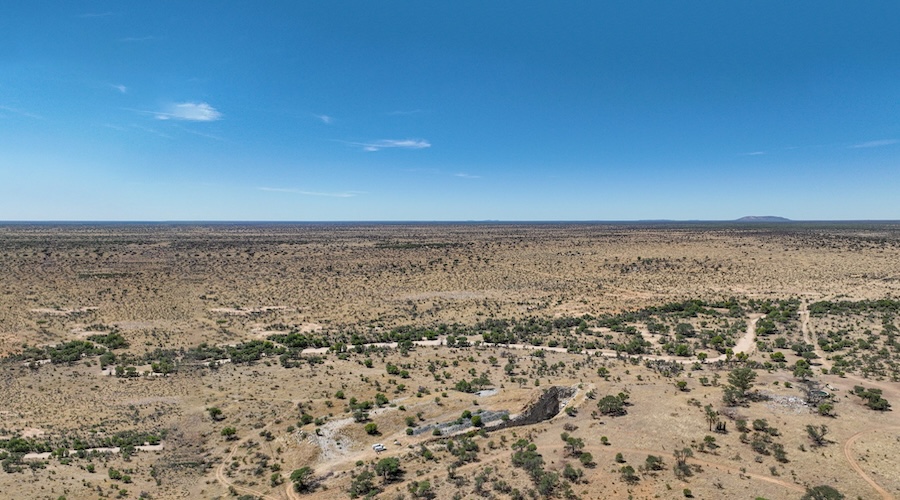
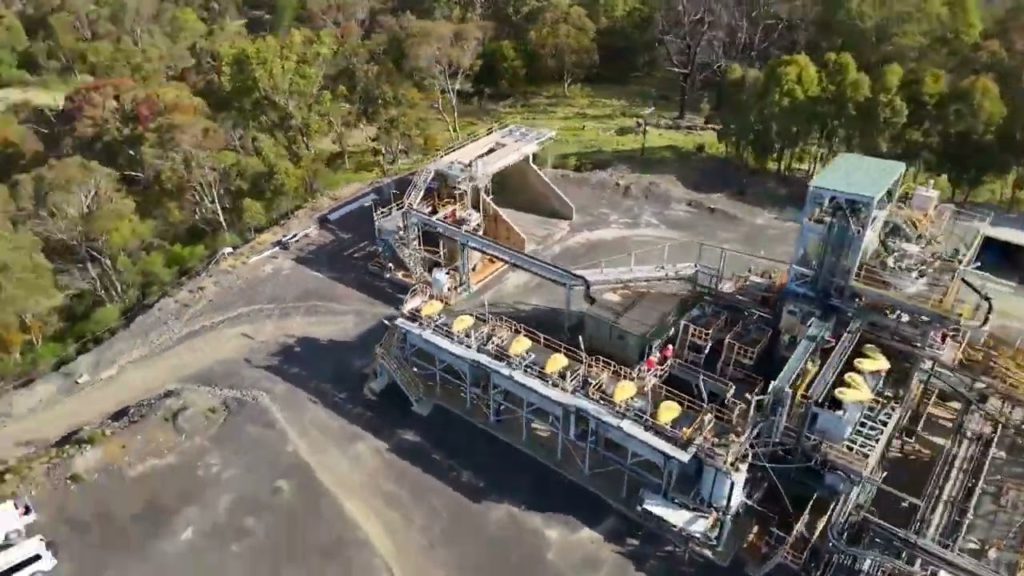
Larvotto Resources’ initial flotation testwork on tailings storage facility 1 at the Hillgrove antimony-gold project in New South Wales reports 80–95% antimony and 40–75% gold recoveries from about 1.4 million tonnes of legacy tailings. The material, deposited over ~20 years from an antimony-focused plant, also carries significant gold and tungsten, with earlier work showing 90% tungsten recovery and a 16-fold grade upgrade into a saleable concentrate. Larvotto plans to run the same conventional flotation circuit in its upgraded plant from August 2026, coupling metal recovery with rehabilitation of a facility beside a 500-metre gorge.
Sandvik’s Digital Mining Technologies division, created in 2021 to drive underground electrification, automation, digitalisation and end-to-end optimisation, is now deploying interoperable systems across planning, execution and processing. The business integrates Deswik mine planning, Newtrax IoT and OptiMine/Fleet management with AutoMine automation to link real-time telemetry from loaders, trucks and drills to short-interval control and production scheduling. For engineers, the key shift is from siloed fleet and planning tools to a single data environment that can support dynamic haulage routing, energy use tracking and condition-based maintenance.
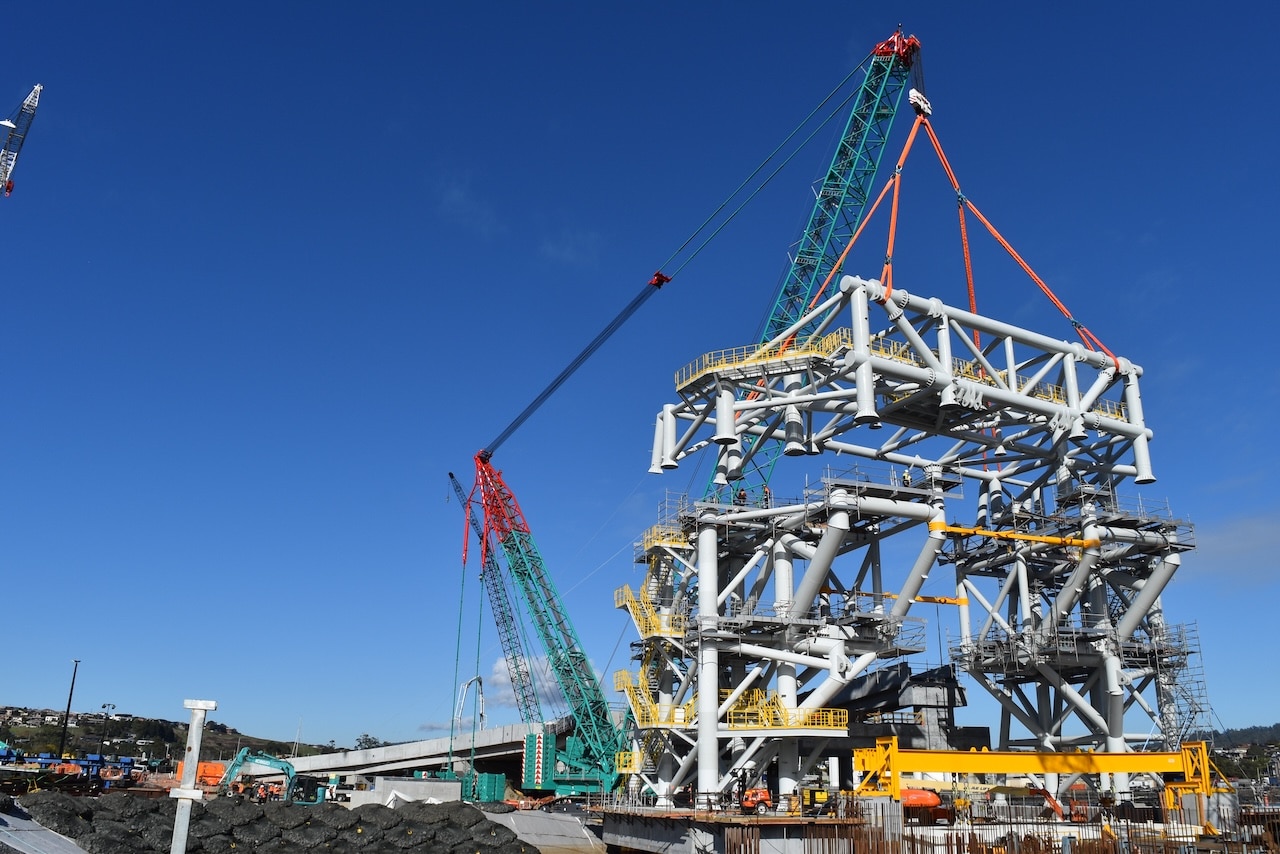
Tasmania’s Devonport Berth Three project has reached a key milestone with completion of the final gantry superstructure lift for the new Spirit Quay ferry terminal. The works will relocate the Spirit of Tasmania’s operational base from the existing Terminal One to Spirit Quay, designed to handle the larger Spirit of Tasmania vessels on the Devonport–Geelong route. Structural completion of the gantry frame now allows fit-out of ship-loading equipment, mooring infrastructure and associated landside civil works to proceed on programme.
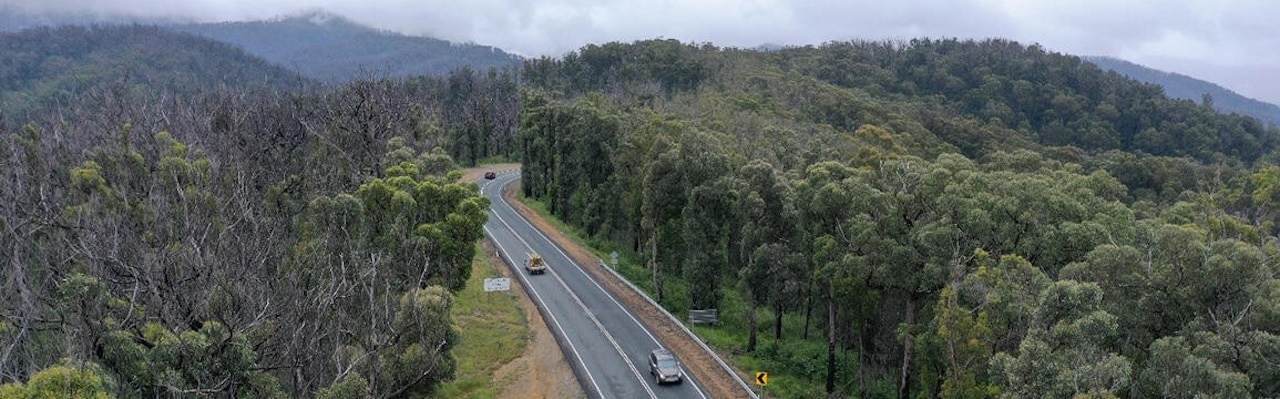
Two engineering consortia have been shortlisted by the New South Wales Government to design and deliver a fix for Mitchells Causeway on the Great Western Highway at Victoria Pass, closed since March after substantial cracking and ground movement were detected. The move follows an industry briefing and on-site inspection involving 20 Australian and international firms, signalling complex geotechnical and structural stabilisation requirements on this steep Blue Mountains section. Outcomes will directly affect detour durations, heavy vehicle access and long-term slope and pavement performance on this key freight and commuter corridor.
Nearly $14 million in New South Wales Government funding is being directed this month to safety and reliability upgrades on the Kings Highway, a key freight and commuter link between the ACT and the South Coast carrying general freight and agricultural loads. Works are expected to target high‑risk sections and curves, intersections and overtaking opportunities to cut crash risk and improve travel time reliability for heavy vehicles. Geometric improvements, pavement strengthening and roadside safety treatments will be central for designers and contractors planning traffic staging and temporary works.
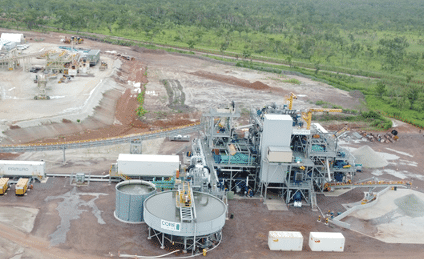
Core Lithium has awarded a $274 million underground mining contract at the Finniss lithium project near Darwin to Dev Mining Services, a subsidiary of Development Global, as part of its restart strategy after open-pit operations were suspended in 2024. The deal covers underground development and production at the BP33 deposit, targeting spodumene ore beneath the existing pit using decline access rather than further cutbacks. For geotechnical and mine planners, the shift to underground at BP33 signals a focus on higher-grade zones and tighter control of strip ratios and operating costs in a volatile lithium price environment.
High-grade gold intercepts at Pantoro Gold’s Racetrack target are extending the Norseman project’s growth pipeline in Western Australia, with multiple lodes now defined over several hundred metres of strike and remaining open at depth. Recent drilling has returned narrow but very high-grade zones, including visible gold in quartz veining adjacent to existing infrastructure at the Scotia Mining Centre. The results support near-mine resource growth and potential low-capex mill feed, with Pantoro planning further step-out and infill drilling to refine underground mine designs.
BHP president Americas Brandon Craig describes a “massive opportunity” to lift copper output from Tier‑1 assets such as the Escondida open pit in Chile and the Olympic Dam underground operation in South Australia. He points to latent capacity in existing concentrators, debottlenecking of haulage and crushing circuits, and incremental leaching projects as lower‑risk growth options compared with greenfield builds. For geotechnical and mining teams, the focus is on optimising pit slopes, underground ground support and tailings storage to sustain higher throughput without major new footprints.
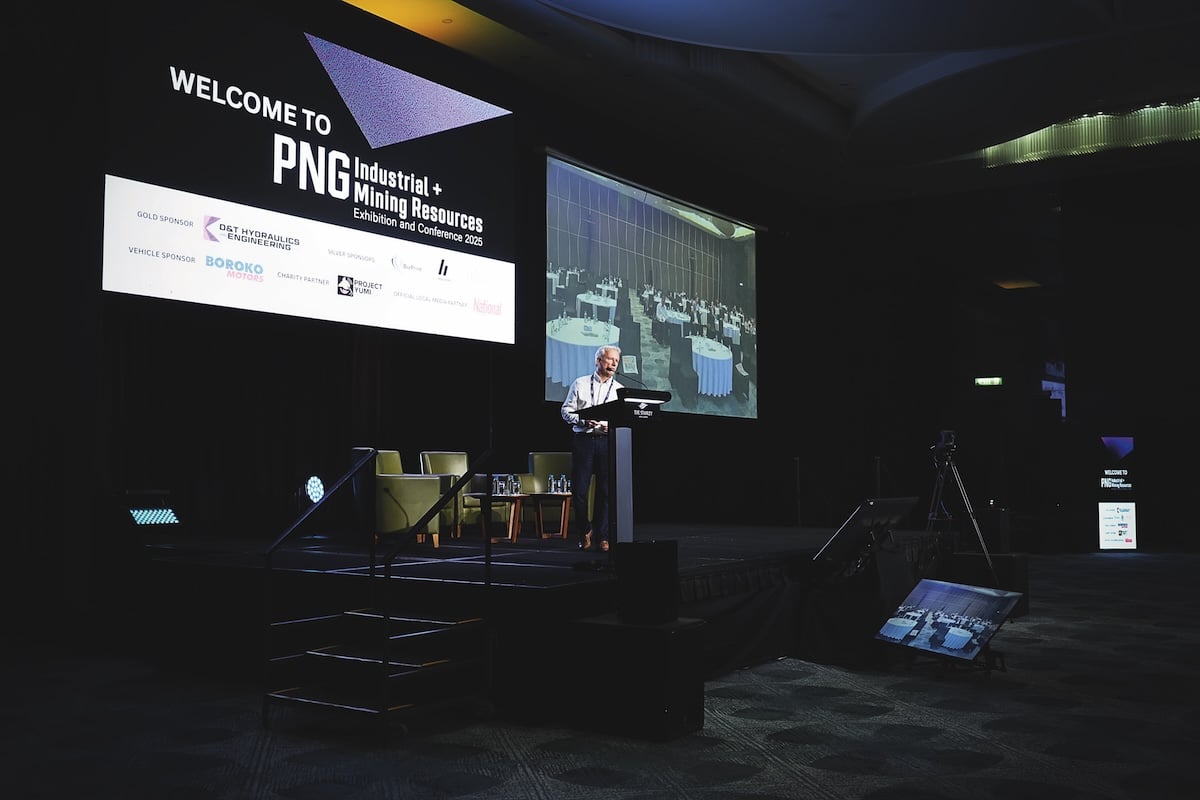
Rapid expansion across Papua New Guinea’s resources sector is driving the PNG Expo in Port Moresby as a key forum for miners, contractors and OEMs to negotiate new projects and supply contracts face to face. Delegates are targeting upcoming large-scale copper–gold and LNG developments, with particular interest in local haul road construction, modular camp infrastructure and power solutions for remote high-rainfall sites. For geotechnical and civil teams, the event signals growing demand for slope stability design, tailings storage planning and logistics corridors across highly weathered tropical terrain.
Fortescue has joined the CoRE Learning Foundation as a garnet-level sponsor, backing its national STEM education program aimed at building a future workforce for mining, resources and renewable energy projects. The partnership supports CoRE’s project-based learning model, which links school curricula to real-world mine planning, orebody modelling and decarbonisation challenges faced by operators such as Fortescue. For geotechnical and mining engineers, this signals stronger pipelines of graduates familiar with digital geology tools, pit design concepts and energy-transition technologies before entering tertiary study or apprenticeships.
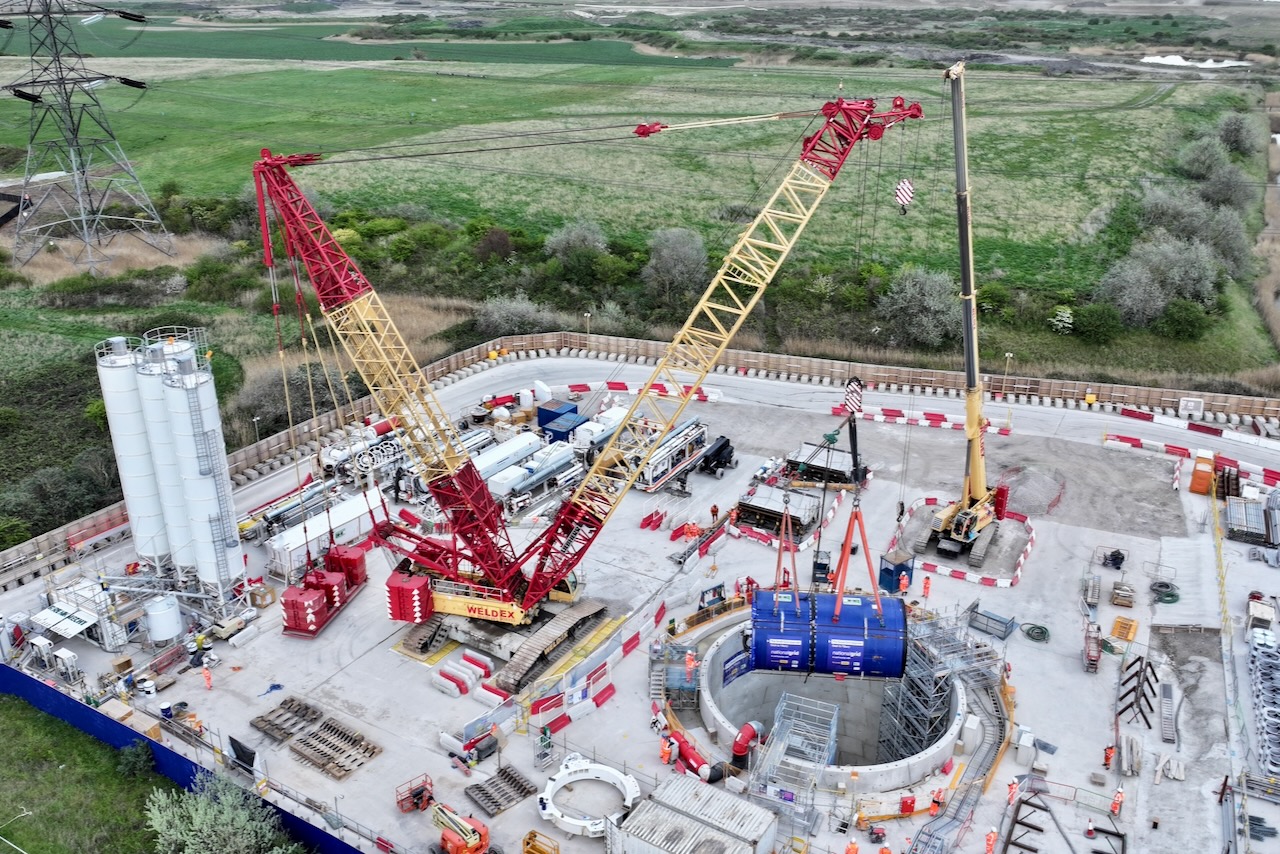
A Herrenknecht Mixshield TBM has begun driving a 2,200m National Grid cable tunnel under the Thames between Gravesend and Tilbury for the Ferrovial Bemo JV, following excavation of the launch shaft with a Herrenknecht Vertical Shaft Sinking Machine. The 4,730mm diameter, 108m-long, 464t machine is designed for mixed chalk–flint ground with compressive strengths up to 1,000MPa and water pressures up to 4.5 bar at 41m depth, using multiple sealing systems and a personnel airlock for hyperbaric interventions. The TBM installs 4.0m ID / 4.5m OD precast segmental lining on a 350m radius alignment, with hydraulic overcutter, mini gripper, anti-roll fins, face drilling rig, telescopic camera, VMT navigation and a dedicated separation plant and multi-service vehicles.
Cameron Homes has secured East Staffordshire Borough Council approval for a £39m residential scheme delivering 119 homes on the former Bamford Works factory site in Uttoxeter, in partnership with JCB. Redevelopment of the brownfield industrial plot will require remediation of legacy manufacturing ground conditions and reconfiguration of existing utilities and access. The scheme signals further intensification of housing on ex-factory land in the Midlands, with geotechnical investigation and contamination management likely to be key early packages.
M Group has appointed Andrew English as managing director for energy infrastructure to expand its delivery of complex, large-scale engineering solutions across the UK network. English will oversee programmes to modernise critical assets and integrate battery storage, EV charging infrastructure and solar power into existing grids, supporting net-zero transition and grid resilience. He brings senior delivery experience from Skanska and John Holland in UK and Australian utilities and transport, signalling a push to scale M Group’s Energy Infrastructure and In-Home business lines in rapidly changing energy markets.
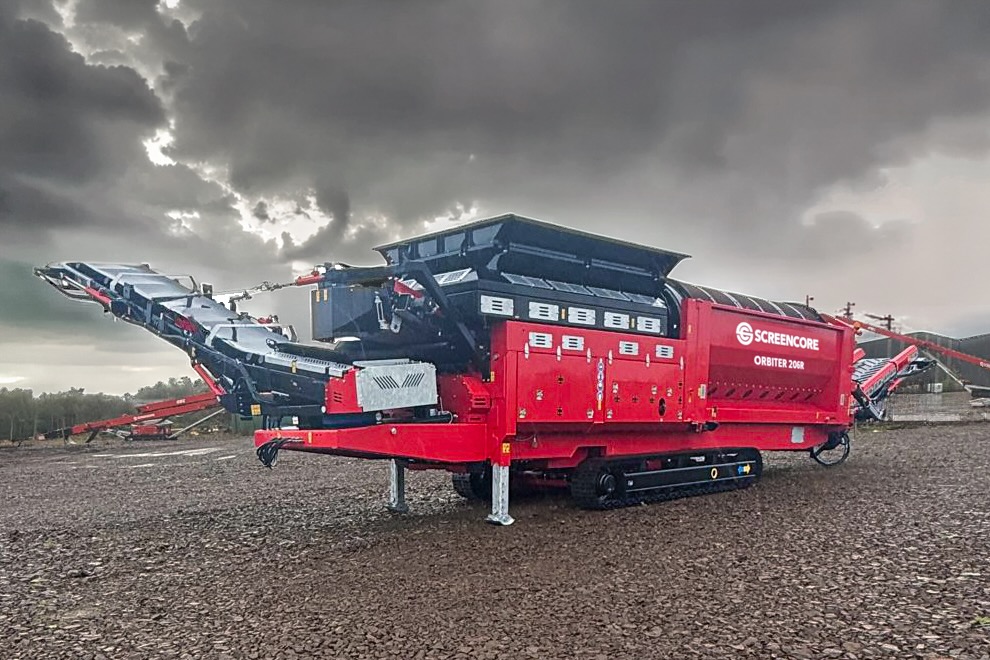
Screencore has launched the Orbiter 206R trommel, a 31‑tonne unit with a 7m³ hopper, 1,200mm heavy belt, and variable feed angle designed to maintain unencumbered material flow. The machine uses independent, radio‑controlled belt speed controls and a large PLC interface with full‑auto functionality, plus a Cat engine on 4m tracks with two‑speed drive and remote control for site mobility. A 180° radial fines conveyor with radio remote and auto‑functionality targets higher stockpile volumes and reduced loader rehandling on constrained sites.
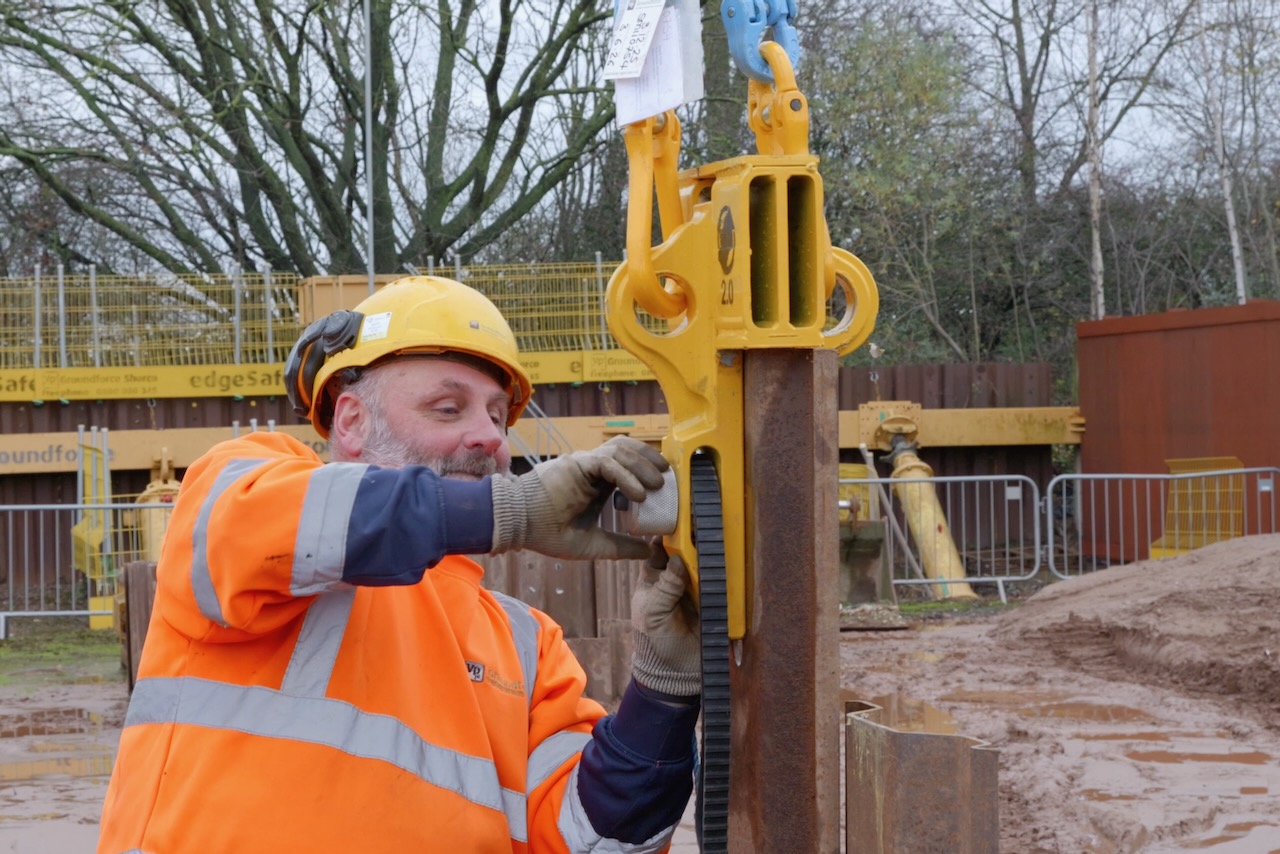
Groundforce Shorco has launched SheetMaster 2.0, a 10‑tonne SWL multi-function trench sheet handling attachment with a ratchet release mechanism designed to prevent accidental sheet drops and remove the need for quick-release shackles. The unit lifts sheets to vertical, incorporates a driving cap to protect pile heads, and acts as an extractor, consolidating three separate tools into one while requiring no formal retraining for operators. Trials with JN Bentley, Seymour Construction, United Infrastructure and J Murphy & Sons report cutting personnel in excavator exclusion zones from up to four to one or two and eliminating work at height during sheet installation.
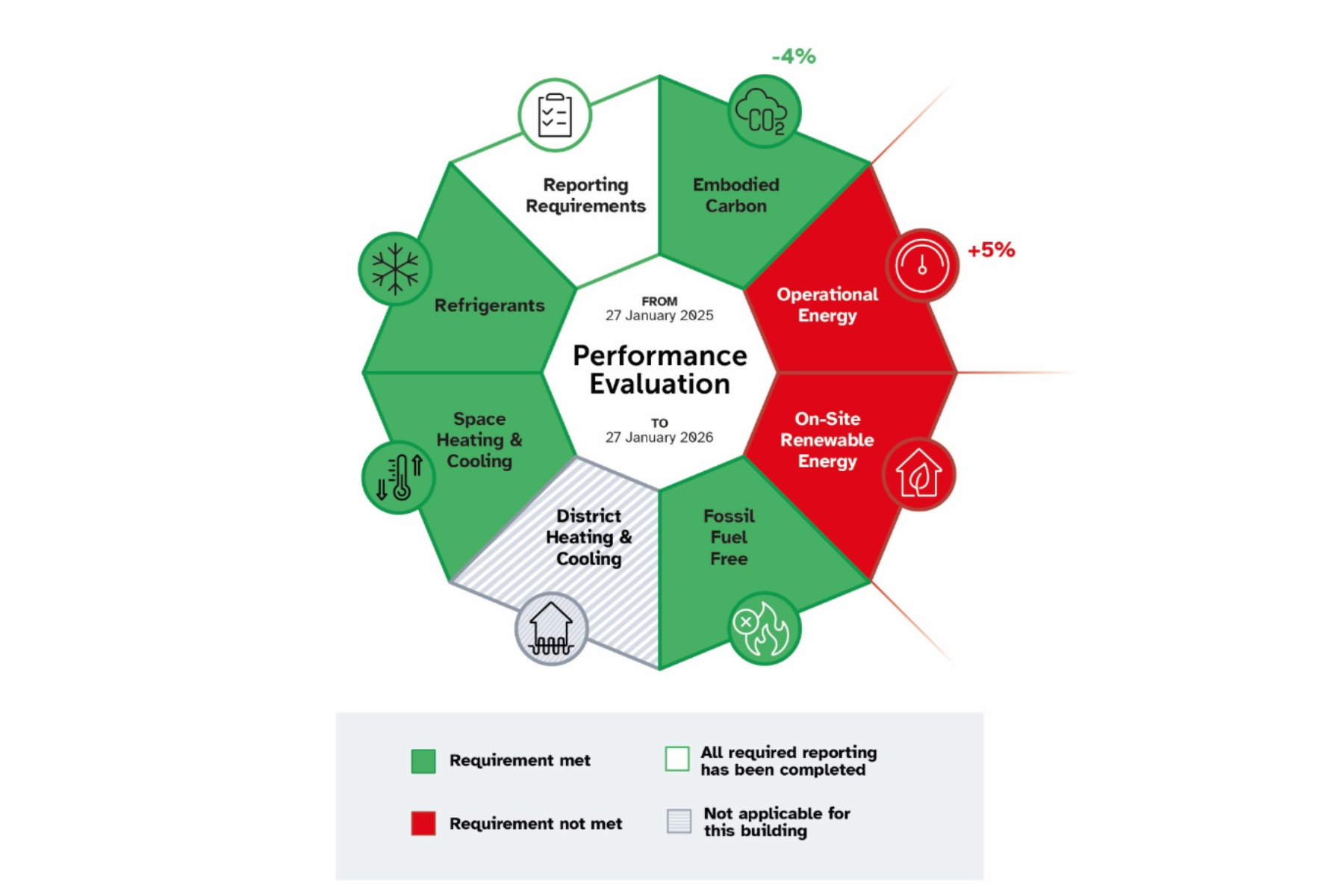
A new performance evaluation under the Net Zero Carbon Building Standard now lets buildings that are not yet fully compliant benchmark operational and embodied carbon using the same metrics as aligned assets. The framework standardises reporting of whole-life carbon, enabling consistent comparison of energy use, material emissions and retrofit performance across mixed portfolios. For engineers, this supports more granular targeting of fabric upgrades, services optimisation and low‑carbon materials, while still working within existing design, occupancy and budget constraints.