Geomechanics, Streamlined.
© 2026 Geomechanics.io. All rights reserved.
King Charles’s 2026 speech sets out bills aimed at unlocking UK airport expansion and accelerating major transport infrastructure construction. Measures are expected to streamline planning and consenting for runway extensions, terminal upgrades and associated surface access works, and to simplify approvals for large rail and highway schemes. Civil and geotechnical engineers should anticipate tighter programme windows, earlier ground investigation and design commitments, and greater emphasis on integrating airfield works with surrounding road and rail capacity upgrades.
A temporary weight limit will be imposed on London’s Vauxhall Bridge from 1 July to “ensure safety for all bridge users”, signalling concern over current load effects on the early-20th-century steel and granite structure. While the exact tonnage has not been disclosed, the restriction will immediately affect heavy goods vehicles and abnormal loads using this key Thames crossing on the Inner Ring Road. Asset managers and bridge engineers will be watching for follow‑on measures such as detailed structural health monitoring, lane loading changes, or accelerated strengthening works.
Four mining technologies from the ARC Training Centre for Integrated Operations for Complex Resources are now ready for field trials, including a digital twin platform for complex orebodies, real-time sensor fusion for ore characterisation, and AI-based decision support for integrated mine-to-mill control. The suite targets data-driven optimisation of drilling, blasting, and processing, with pilots seeking partners across hard-rock operations and brownfield plants. For engineers, the work signals near-term opportunities to plug advanced analytics and automation into existing fleets and control rooms without full greenfield redesigns.
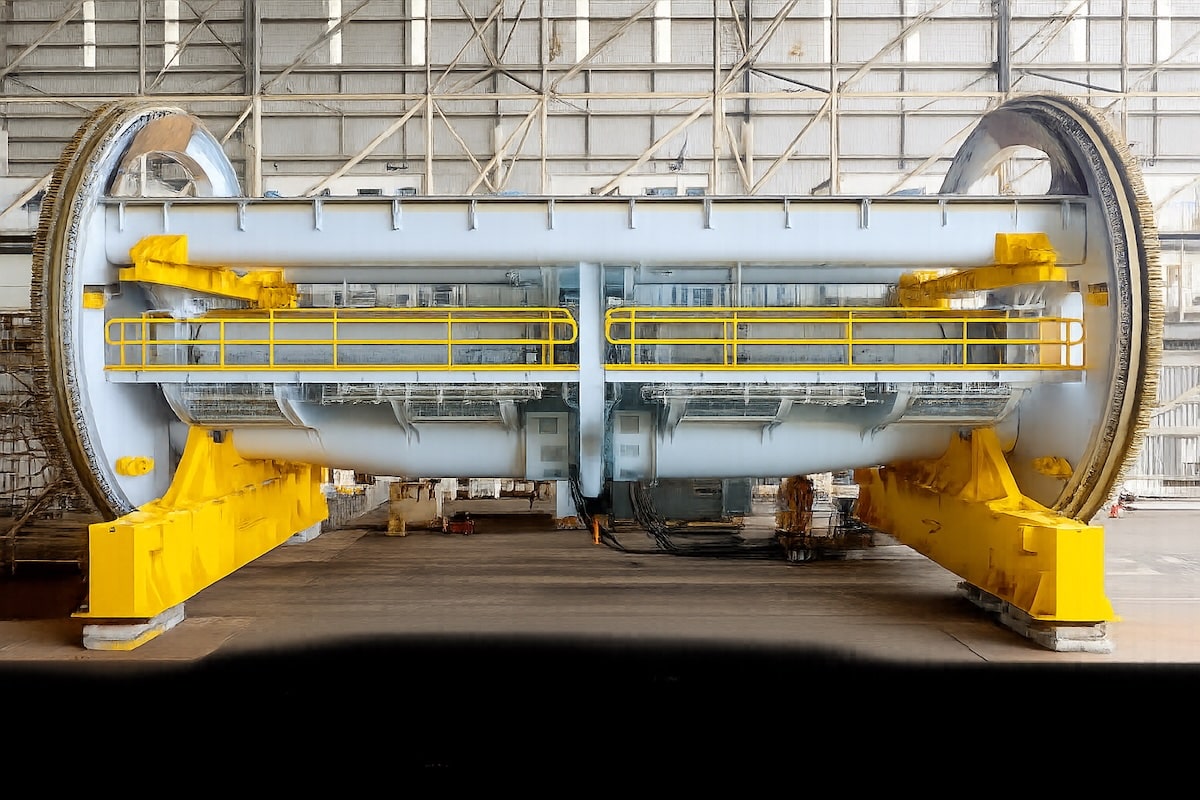
Motion is deploying in-situ machining services to Australian mine sites, bringing line-boring, flange facing and journal repair directly to assets such as car dumpers, draglines and large gearboxes that are too large or time-critical to dismantle. Using portable CNC and orbital machining rigs, technicians can restore bearing seats, slew rings and mill trunnions to tolerance without removing them from foundations or structural frames. The approach reduces crane lifts and transport of multi-tonne components, cutting outage durations and geotechnical or structural risk associated with repeated disassembly.
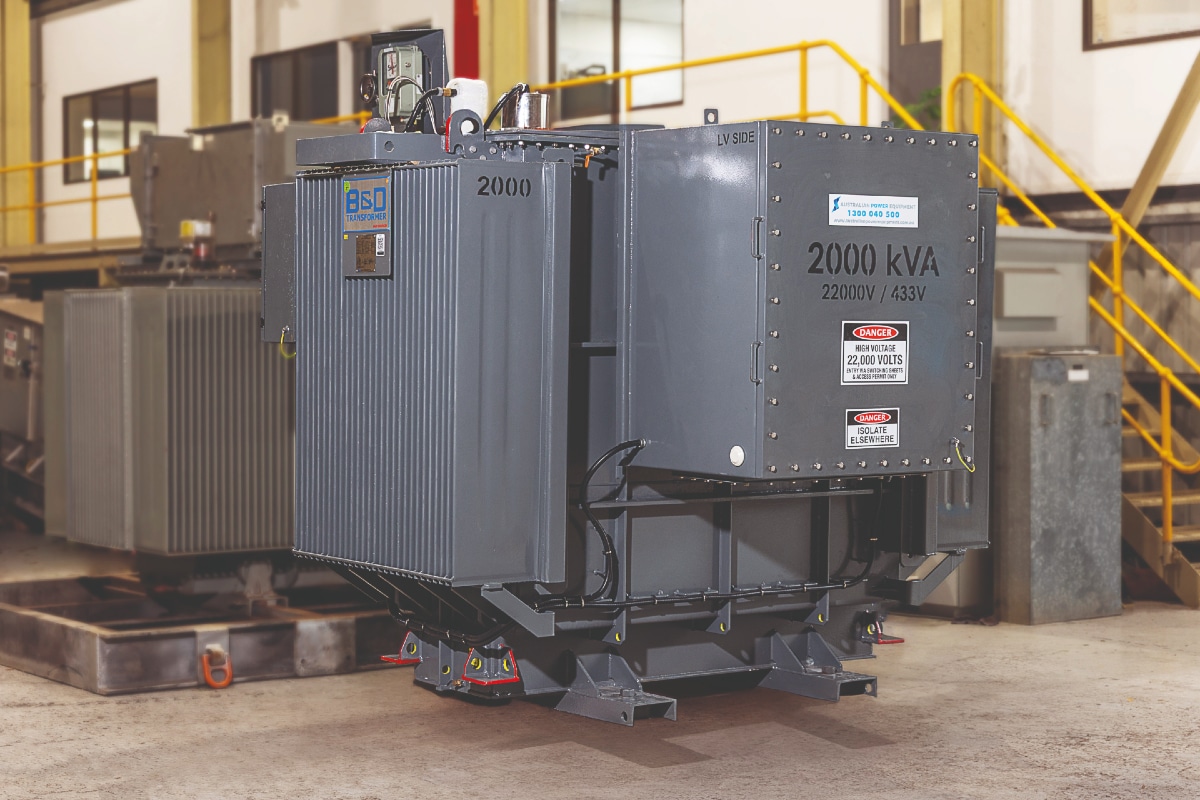
Australian Power Equipment is reframing mine-site optimisation around transformer reliability, availability and lifecycle performance rather than lowest upfront cost, supplying B&D transformers filled with FR3 natural ester fluid instead of mineral oil or diesel-based coolants. The FR3 ester offers higher fire point and biodegradability, enabling compact substation layouts closer to plant and reduced bunding requirements, which can simplify brownfield expansions. For engineers, the shift pushes whole-of-life asset modelling, factoring in longer insulation life, fewer unplanned outages and reduced supply chain risk for critical electrical equipment.
Equinox Gold’s US$18.5 billion acquisition of Orla Mining will create a North America-focused gold producer targeting 1.1 Moz/year initially, with a development pipeline that could lift output about 70% to 1.9 Moz/year. The combined portfolio will span operating and growth assets in Canada, the US, Mexico and Nicaragua, including the Greenstone and Valentine projects plus Orla’s Musselwhite mine, with Equinox CEO Darren Hall staying as chief executive and Orla’s Jason Simpson becoming president. The new entity will also assume Orla’s roughly US$400 million arbitration claim over the stalled Cerro Quema project in Panama.
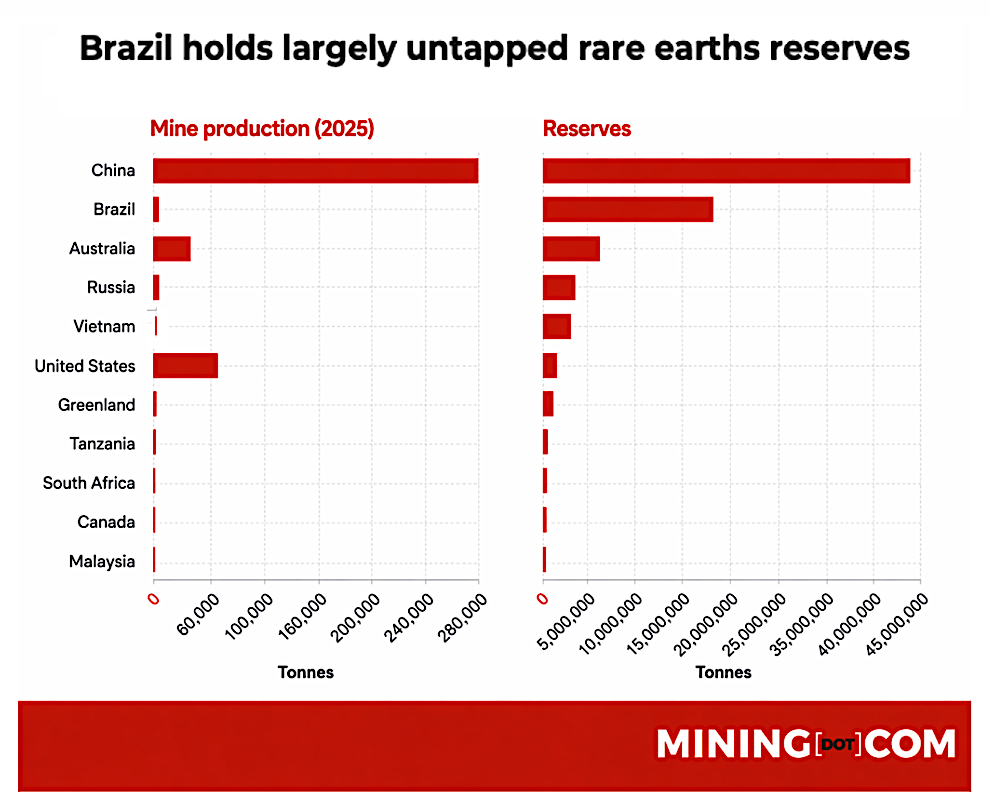
US President Donald Trump and Brazil’s Luiz Inácio Lula da Silva are using rare earths to recalibrate ties, centring talks on USA Rare Earth’s proposed $2.8 billion acquisition of Serra Verde, Brazil’s only commercial-scale rare earths operation in Goiás. Brazil, which holds about 21 million tonnes of rare-earth reserves (second only to China), is advancing legislation for a $2 billion guarantee fund and $5 billion in tax credits to anchor domestic processing and technology transfer. For miners and investors, multi‑year licensing delays, post‑Brumadinho environmental scrutiny and sovereignty debates over “preferential access” remain the key schedule and permitting risks.
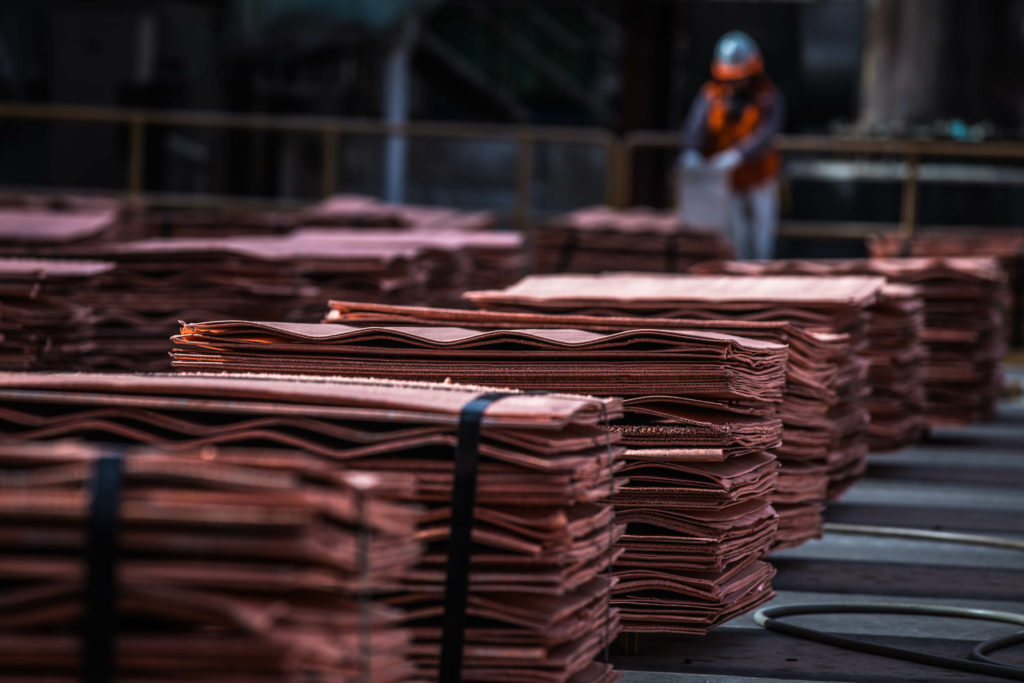
Copper futures on Comex jumped 2.4% to a record $6.69/lb, widening the premium over LME contracts, which rose 1.6% to nearly $14,200/t, as traders priced in possible new US tariffs on refined copper imports. Supply risk is intensifying, with Gulf disruptions choking sulphur flows, threatening sulphuric acid availability for roughly one-fifth of global mined copper and potentially curbing up to 4.8 Mt of production if the Strait of Hormuz closes. Refined output is already reacting, with China’s April production down 3% and further declines expected, even as copper prices are up more than 10% year-to-date.
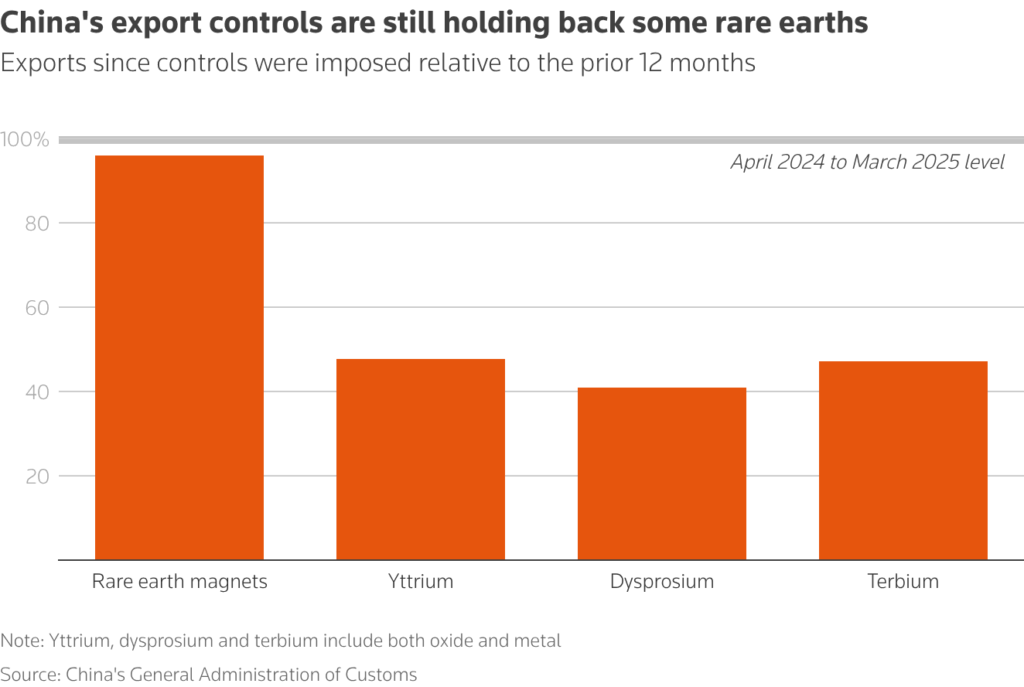
China’s April 2025 rare earth export controls remain in force despite Trump–Xi talks, with customs data showing exports of heavy rare earths yttrium, dysprosium and terbium still about 50% below pre-control levels. Prices outside China have surged, with dysprosium and terbium up four- to five-fold and yttrium reportedly about 140 times higher, while Japan has received only 4% of its former dysprosium volumes and Germany none. US aerospace manufacturers have already paused production due to yttrium shortages, and magnet buyers are paying 1.5–3 times more, signalling prolonged cost and supply risk for EV, wind and defence supply chains.
Agnico Eagle Mines will invest C$14 billion in Ontario by 2030, backed by the province’s new “One Project, One Process” permitting regime that targets approvals for advanced exploration and mine development within two years. About C$2 billion is earmarked for the Detour Lake underground expansion and the Upper Beaver gold-copper project, both >C$1 billion builds, adding up to 1,600 jobs and nearly C$5 billion to GDP. Detour Lake’s underground mine is designed to extend life to 2054, while Upper Beaver is planned as a 210,000 oz/y gold and 3,600 t/y copper operation over 14 years.
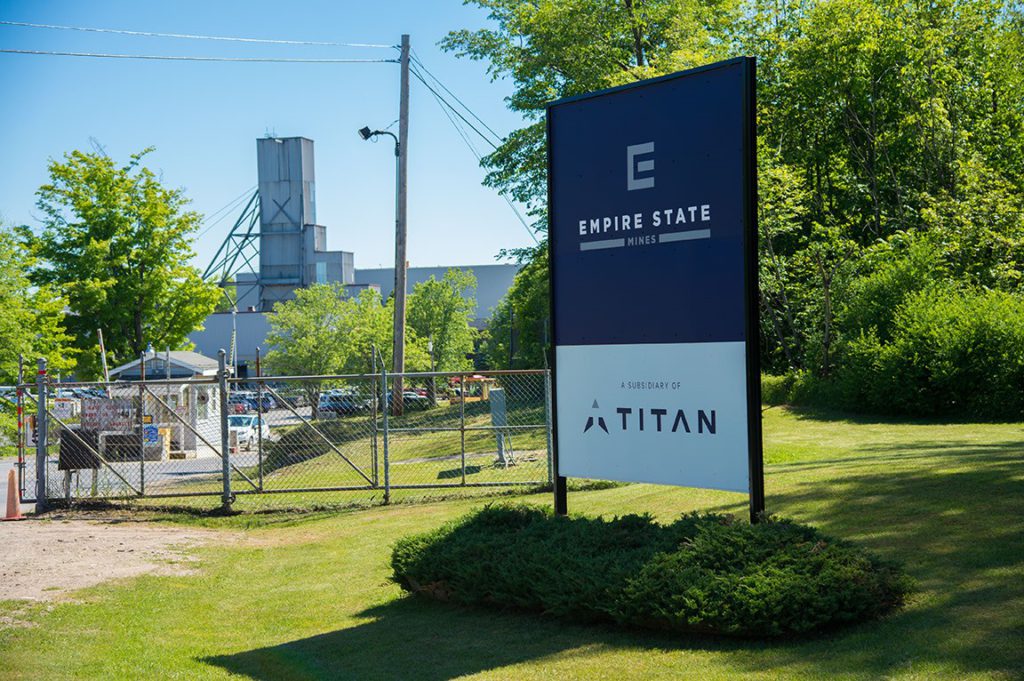
Titan Mining has signed a cooperation agreement with Teck Resources to assess recovering about 13,000 kg/year of germanium from existing process waste streams at the Empire State Mine zinc operation in New York, using Teck’s Trail Operations in British Columbia as the potential processing hub. The partners will test upgraded ESM process streams as germanium-bearing feedstock and negotiate volumes, payability and possible long-term offtake, targeting a capital-efficient flowsheet that avoids new mining. With US warehouse prices at US$5,800–8,600/kg and minimal domestic output, successful recovery could add significant incremental cash flow and establish Titan as a US germanium supplier.
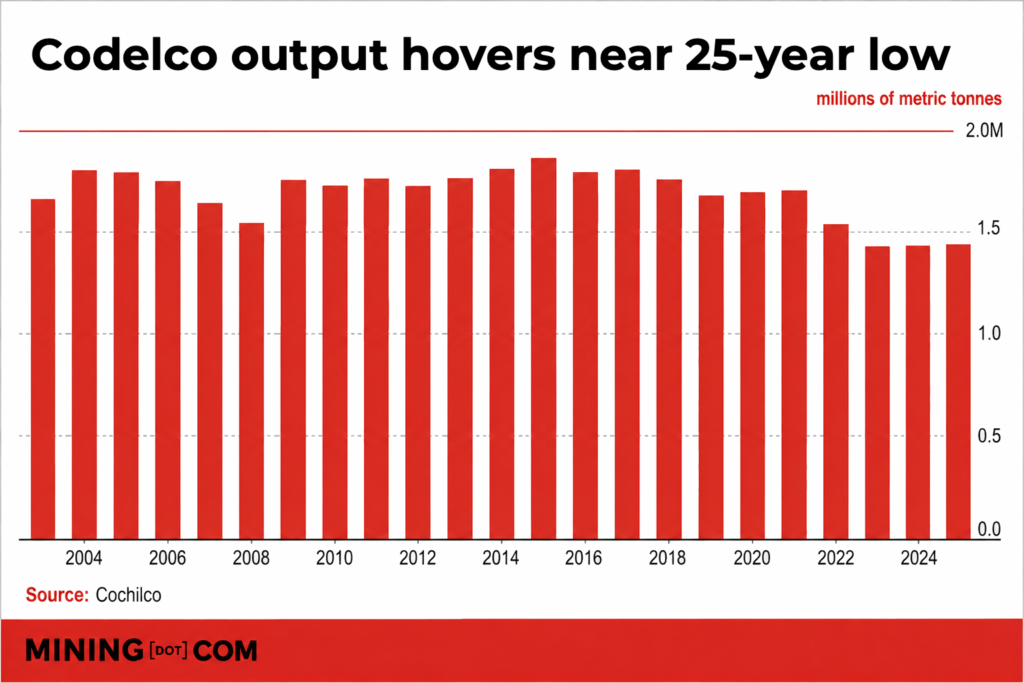
Codelco faces a preliminary internal audit finding that about 20,000 tonnes of material were wrongly counted as December 2025 finished copper, inflating reported output to 172,300 tonnes versus a January–November average of 105,600 tonnes. The disputed tonnage, allegedly authorised by a senior executive outside normal approval channels, comes amid Cochilco data showing January production slumping to 91,000 tonnes and March to 110,900 tonnes, raising doubts over any genuine recovery. Consultants Plusmining and GEM warn of serious governance, traceability and classification issues, with calls for an external audit and potential implications for executive incentives.
Amnesty International accuses Nevada’s three major lithium projects – Lithium Americas’ Thacker Pass, Ioneer’s Rhyolite Ridge and Surge Battery Metals’ Nevada North – of proceeding on ancestral lands without free, prior and informed consent, exposing a gap between US consultation-based permitting and UNDRIP standards. Ioneer cites 328 documented contacts with 13 Tribal Nations, voluntary cultural monitoring agreements and a Nevada District Court decision upholding its federal permit, while Lithium Americas plans US$1.3–1.6 billion capex for Thacker Pass Stage 1. Amnesty warns that advancing large, long-life assets such as Rhyolite Ridge, now scoped at 1.92 Mt LCE over 95 years with US$1.67 billion capex, without consent raises long-term reputational and regulatory risk.
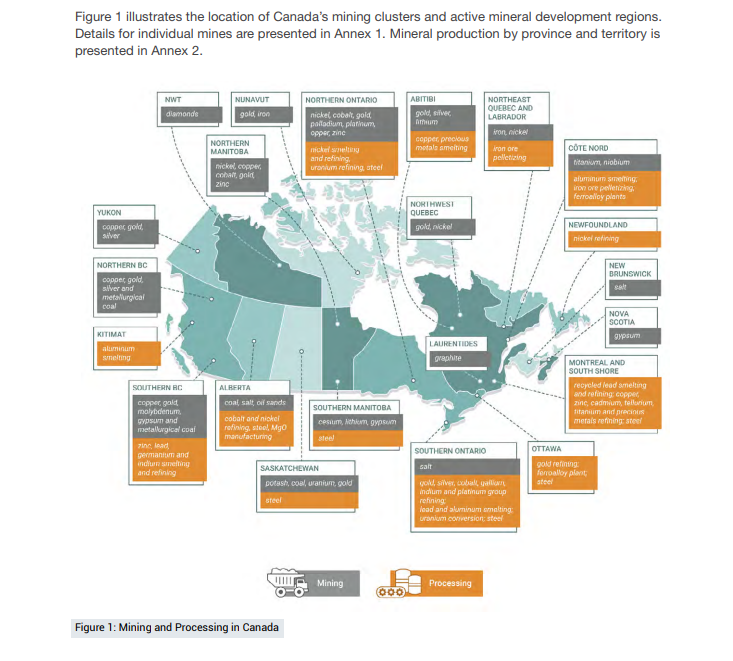
Canada’s mining sector generated C$111 billion of GDP in 2024 and C$152 billion in mineral exports (21% of all merchandise exports), yet the Mining Association of Canada is warning that slow project approvals and uncompetitive fiscal terms are eroding the country’s position amid volatile, trade-restricted critical mineral markets. MAC is urging Ottawa to accelerate federal impact assessments and permitting, improve federal‑provincial coordination, and expand northern geoscience and resource assessments. It also wants broader Canadian Exploration Expense eligibility, tax credits for brownfield expansions, and rapid implementation of 2025 budget measures such as clean technology credits and accelerated capital cost allowances.
Guardian Metal Resources has expanded its Tempiute tungsten project in Nevada by staking 193 additional claims, increasing its mineral rights footprint by more than 375% to capture what it believes is the full extent of historical tailings from the former Emerson mine. The skarn-type tungsten-zinc-copper-silver operation, located less than 250 miles from Guardian’s Pilot Mountain project, contains tailings from Union Carbide’s 1977–1984 production and has also shown gallium occurrences. CEO Oliver Friesen plans an auger drilling programme to characterise subsurface tailings for near-term tungsten recovery and reclamation, as tungsten prices hit record highs under tightened Chinese export controls.
Core Lithium has awarded a three-year underground mining contract, with a two-year extension option, to Dev Mining Services (a Develop Global subsidiary) for the BP33 deposit that underpins the Finniss lithium operation in Australia’s Northern Territory. The scope covers all underground production activities at BP33, shifting Finniss from open-pit to a combined open-pit/underground operation and locking in a medium-term mining services provider. For engineers and contractors, the deal signals forward work on underground development, ground support and lithium ore handling in a relatively young NT hard-rock lithium district.
Barminco has secured an underground mining services contract worth about A$850 million over four years, with a one-year extension option, at Bellevue Gold’s high-grade Bellevue gold project in Western Australia. The scope is expected to cover decline and level development, production stoping and associated underground services for the planned underground mine, positioning Barminco as the key contractor through the project’s ramp-up phase. The scale and term of the award signal long-term demand for specialised underground fleet, labour and ground support capacity in the WA gold sector.
Boliden’s Somincor zinc and copper operations in Portugal are about to trial their first battery-electric production support unit, a Normet Variomec XS 035 Crew SD mine service vehicle delivered this week after being showcased at The Electric Mine in Lisbon. The compact XS 035 platform is configured for crew transport and general services, targeting reduced diesel emissions and heat in deep workings. Results from this trial will inform Somincor’s wider electrification strategy for auxiliary fleets and associated ventilation load reductions.
Australia’s 2026/27 Federal Budget allocates more than $8.6 billion to new and ongoing nationally significant transport projects, while keeping a rolling infrastructure pipeline above $120 billion over 10 years. Funding profiles are being reshaped in the near term to reflect economic impacts from the Middle East conflict and broader fiscal pressures, rather than cutting headline commitments. Contractors and designers can expect continuity on major road and rail corridors but should plan for timing shifts in tender releases, cashflow and staging of large packages.
Forrestania Resources has exercised its option to acquire 100 per cent of Hyden Project Holdings, giving it full control of the Hyden gold project in Western Australia’s Wheatbelt. The project sits roughly 300km east of Perth and complements Forrestania’s existing lithium and gold tenure in the Forrestania and Southern Cross greenstone belts. The deal consolidates a larger contiguous land package over Archean greenstones, with potential for structurally controlled lode gold systems similar to other shear-hosted deposits in the region, and will likely refocus near-term drilling and resource definition.
Barminco has secured an $850 million underground mining contract from Bellevue Gold for the Bellevue gold project in Western Australia, extending Perenti’s footprint in high-grade underground operations. The scope is expected to cover long-hole stoping, decline and level development, and associated ground support for narrow-vein orebodies typical of the Bellevue deposit. Contractors and suppliers should anticipate demand for high-productivity jumbo development, paste-fill or cemented rockfill systems, and geotechnical instrumentation to manage seismicity and ground conditions in a deep, structurally complex Archean lode.
Tungsten Mining has begun on-site preparation at its wholly owned Mt Mulgine tungsten project in Western Australia, signalling a move towards development of what it aims to position among the world’s largest tungsten operations. The project targets the state’s Mid West region, where existing iron ore and gold infrastructure could support large-scale open-pit mining, high-volume crushing and gravity-flotation circuits typical of hard-rock tungsten deposits. For geotechnical and mining teams, early works will focus on pit design in abrasive, high-density ore and waste, haul road geometry, and water management in a semi-arid environment.
Arafura Rare Earths has signed a US offtake agreement for neodymium-praseodymium (NdPr) from its Nolans rare earths project, 135km north of Alice Springs in the Northern Territory, further underpinning project financing. The Nolans operation is designed as an open-pit mine and processing plant producing separated NdPr oxide for permanent magnets, with a projected mine life of around two to three decades. For mining engineers and project financiers, the long-tenor offtake de-risks revenue assumptions and supports progression towards final investment decision and construction.
Australia’s 2026–27 Federal Budget directs major funding to critical minerals, fuel security and faster project approvals, signalling a more supportive policy setting for new mines and downstream processing. Industry groups point to expanded backing for strategic minerals supply chains and measures to shore up diesel and aviation fuel stocks, reducing exposure to import disruptions that can halt haulage and processing plants. Commitments to streamline approvals are expected to shorten lead times for greenfield projects, with direct implications for permitting schedules, early works planning and capital allocation.