Geomechanics, Streamlined.
© 2026 Geomechanics.io. All rights reserved.
WSP has appointed Alex Herbert as major projects director in its planning and consents business, signalling a push on complex energy infrastructure consenting. Herbert has led development consent order and environmental impact assessment work for RWE, Horizon Nuclear Power and Tidal Lagoon Power, covering large-scale nuclear and marine energy schemes. His experience with nationally significant infrastructure projects should strengthen WSP’s capability on early-stage permitting, stakeholder engagement and risk management for major UK energy and grid upgrades.
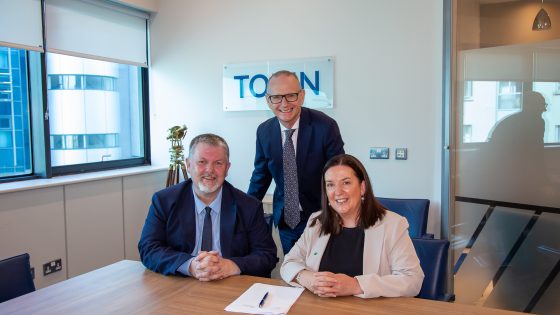
AtkinsRéalis has agreed to acquire Irish consultancy Tobin, expanding its Irish workforce to more than 700 staff and adding Tobin’s 200 employees across five offices in Galway, Dublin, Castlebar, Limerick and Sligo. Tobin brings a 70‑year track record in civil and structural engineering, water and utilities, environmental and planning services, transport and quantity surveying, with experience on major national schemes. The deal signals a push to scale local delivery capacity for Ireland’s planned infrastructure build‑out, with stronger in‑country design and project management capability.
The National Audit Office has warned that the Department for Transport lacks a defined risk appetite as it plans £1.1bn of innovation spending between 2022/23 and 2029/30 on areas such as maritime decarbonisation and sustainable aviation fuel. While Network Rail, National Highways and HS2 Ltd have clearer portfolio management and prioritisation processes, DfT’s central team has limited strategic oversight of innovation across modes. NAO head Gareth Davies said clearer risk thresholds and better data are needed to judge value for money and move concepts into practical deployment.
CITB’s New Entrant Support Team (NEST) helped 5,913 apprentices join the construction industry in 2025/26, a 43% increase on the previous year, by providing hands-on support with recruitment, grants, funding access and mentoring. NEST also engaged with 20,579 employers on apprenticeship requirements, up 6,559 (47%), signalling wider contractor uptake of structured entry routes. With CITB’s Construction Workforce Outlook forecasting a need for over 47,000 additional workers per year to 2029, these volumes remain modest relative to projected labour demand on major infrastructure and building projects.
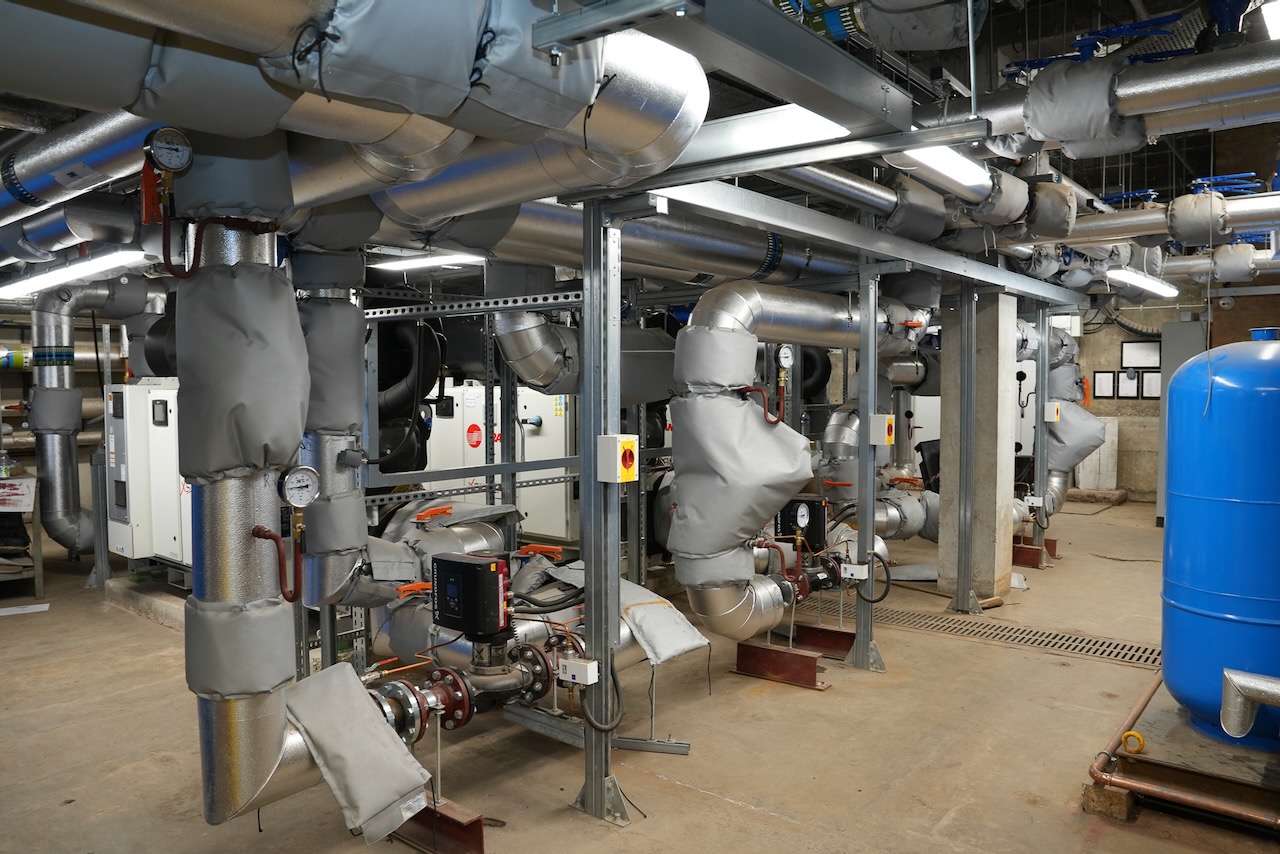
NHS Property Services has cut 2025/26 carbon emissions by 5.2%, beating its annual target through investments in heat pumps, high‑performance building fabric and smart building management systems across its estate. At Royal South Hants Hospital it backed installation of the NHS’s largest heat pump to date, while Torrington Place Health Centre in North London and Kirkstall Health Centre in Leeds received modern energy‑efficient plant, LED lighting and on‑site renewables. The works are also extending asset life, reducing energy demand and supporting electric vehicle charging and climate‑resilience measures.
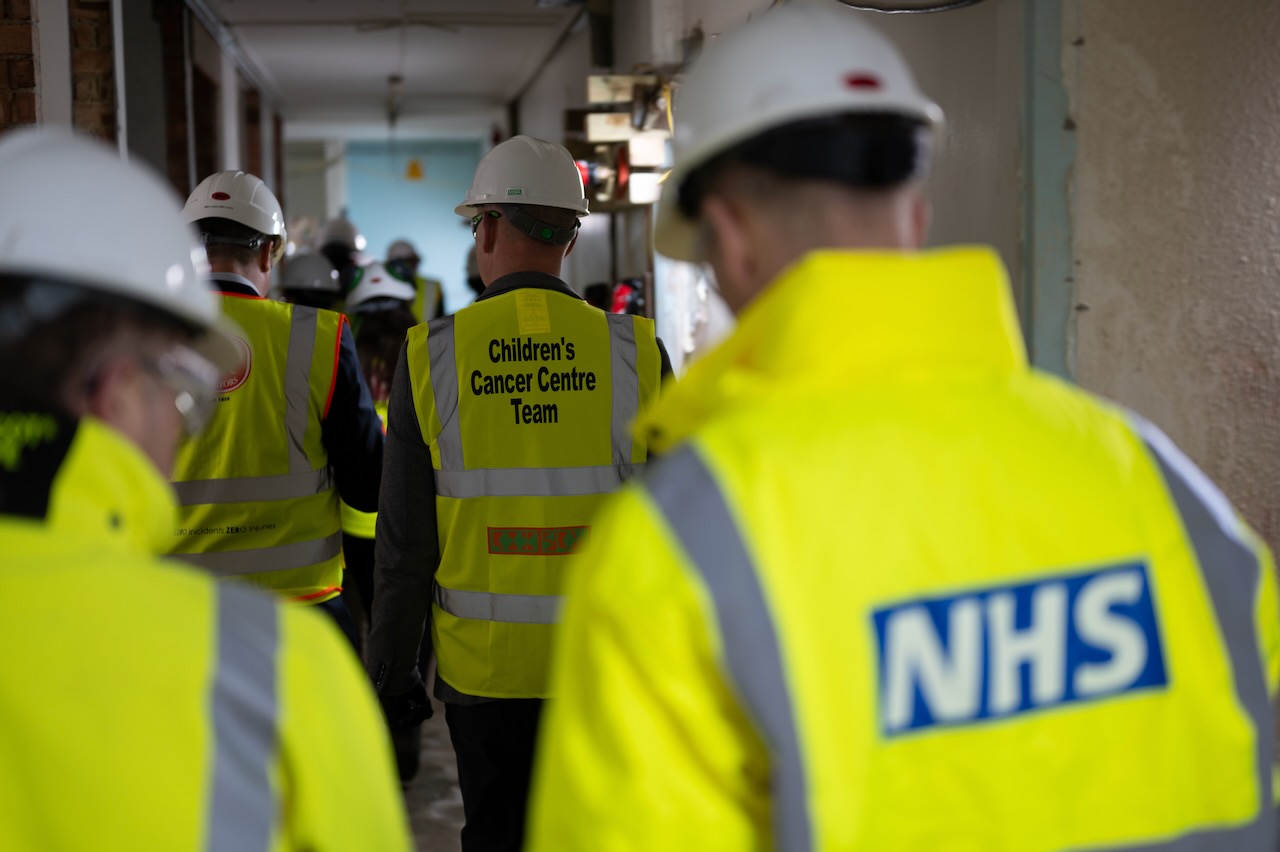
Dalkia has partnered with Sisk and BDP to deliver full mechanical, electrical and public health (MEP) services for Great Ormond Street Hospital’s £300m Children’s Cancer Centre, integrating air source heat pumps as the core of the site’s decarbonisation and long-term energy strategy. The MEP programme and construction sequencing are tailored to keep the existing hospital fully operational within its current footprint, limiting service interruptions to advanced clinical and treatment areas. The scheme is set to be the first major healthcare project to pass through the Building Safety Act Gateway process, testing new regulatory and assurance requirements.
Egis has appointed Shakir Khaja as aviation sector director for Europe and Africa, tasking him with leading airport business growth across the UK, Ireland and the wider European market. Khaja will steer consultancy and design services for terminal expansions, airfield infrastructure and associated landside works, positioning Egis for upcoming capital programmes at major hubs and regional airports. For contractors and designers, his role signals potential new frameworks and integrated packages covering pavements, airside geometry, and capacity-driven upgrades.
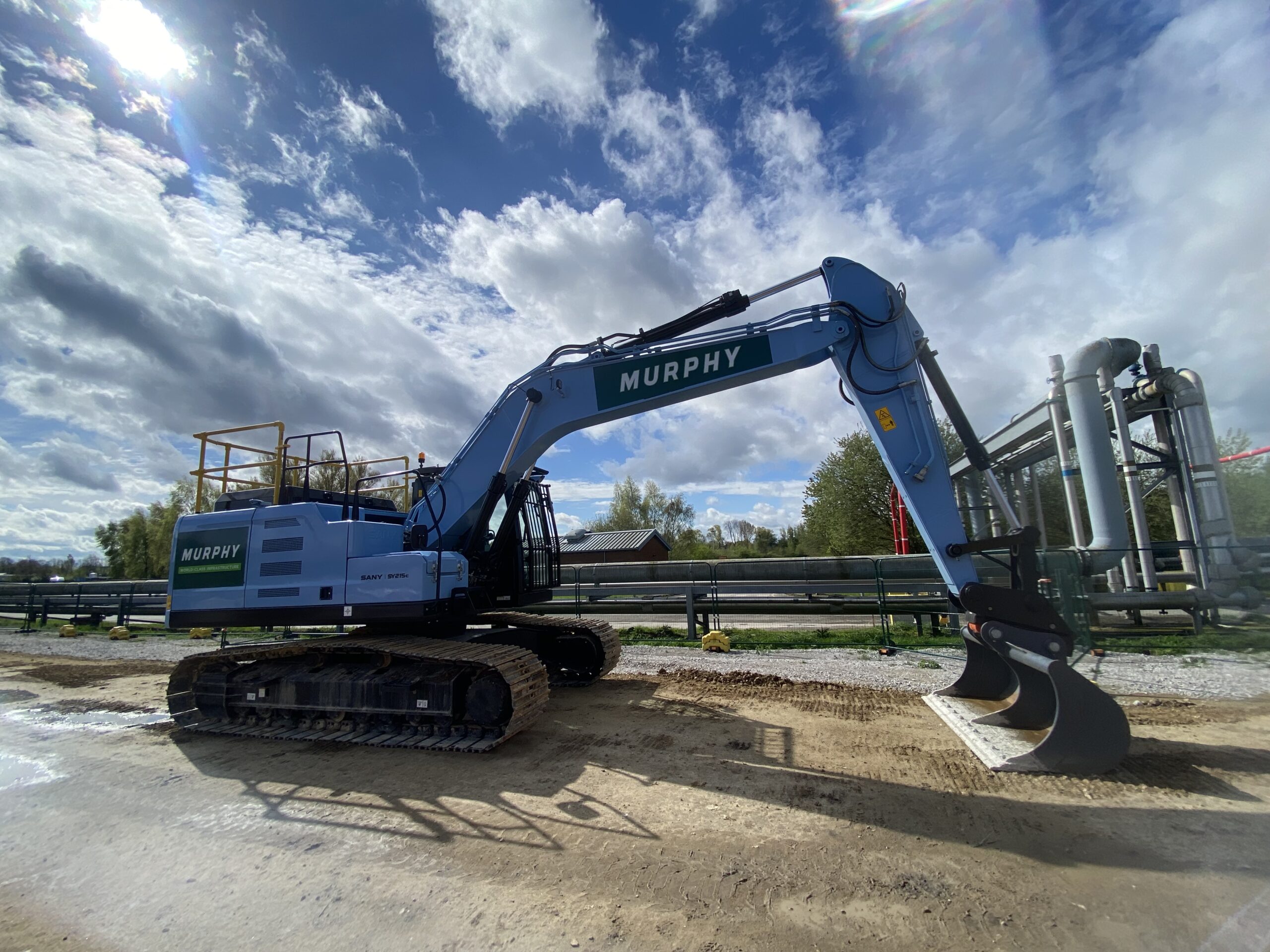
Murphy has deployed a Sany SY215E electric excavator for United Utilities at the Davyhulme wastewater treatment works, its first use on a phosphorus‑reduction facility. The 21‑tonne class machine uses a cobalt‑free CATL Lithium Iron Phosphate battery, delivering up to eight hours of operation with roughly one hour of charging, enabling full‑shift use via overnight charging and cutting on-site noise. Performance is being benchmarked alongside diesel excavators during piling works to inform wider roll‑out of electric plant across the Davyhulme scheme.
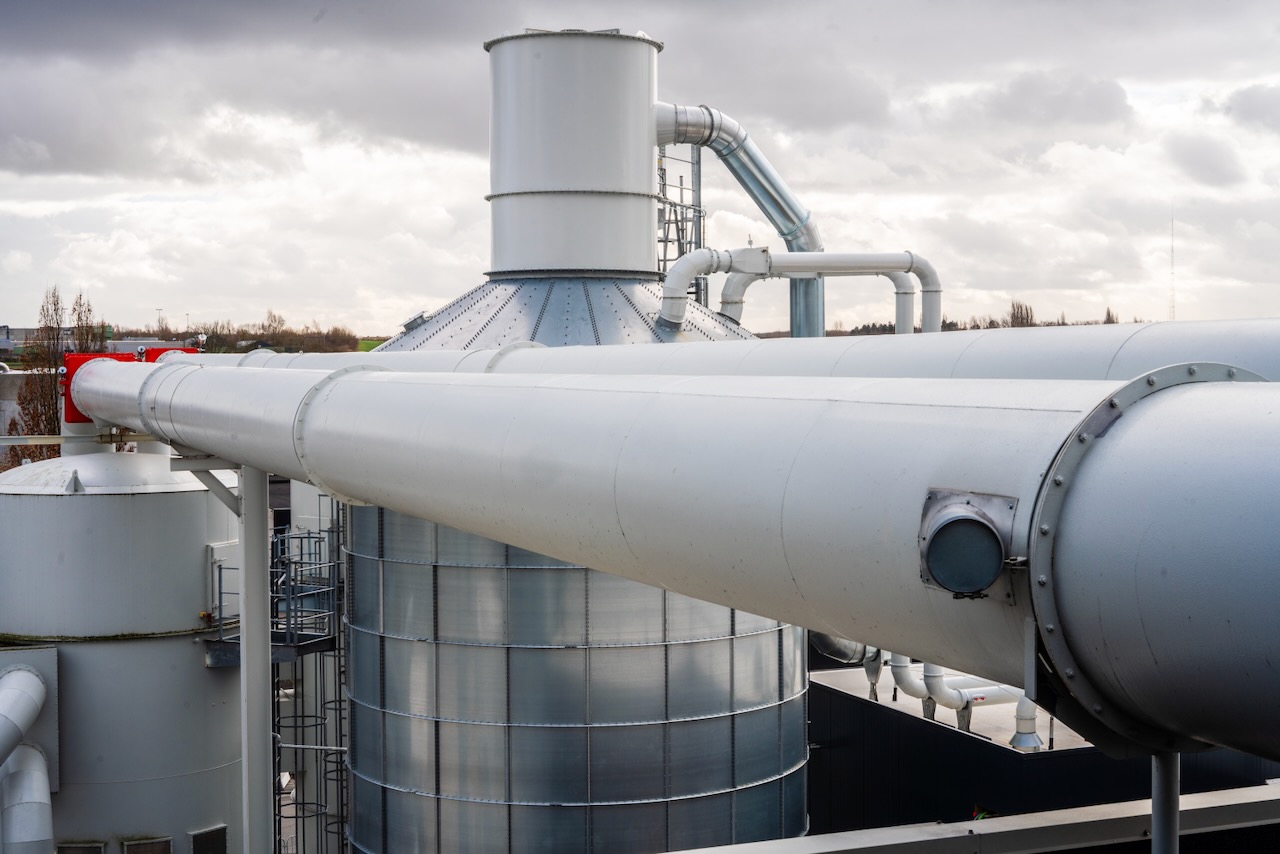
Recticel has commissioned a PIR insulation recycling plant in Wevelgem, Belgium, designed to process up to 4,000 tonnes per year of post‑industrial PIR board offcuts and scrap into recycled polyol feedstock. The recovered polyol, used to manufacture new PIR boards, is expected to cut CO₂ emissions by 30–50% compared with virgin polyol, while reducing primary raw material demand. Boards incorporating the recycled content will be supplied from all Recticel plants, including UK facilities, giving specifiers a lower‑carbon option without changing product families.
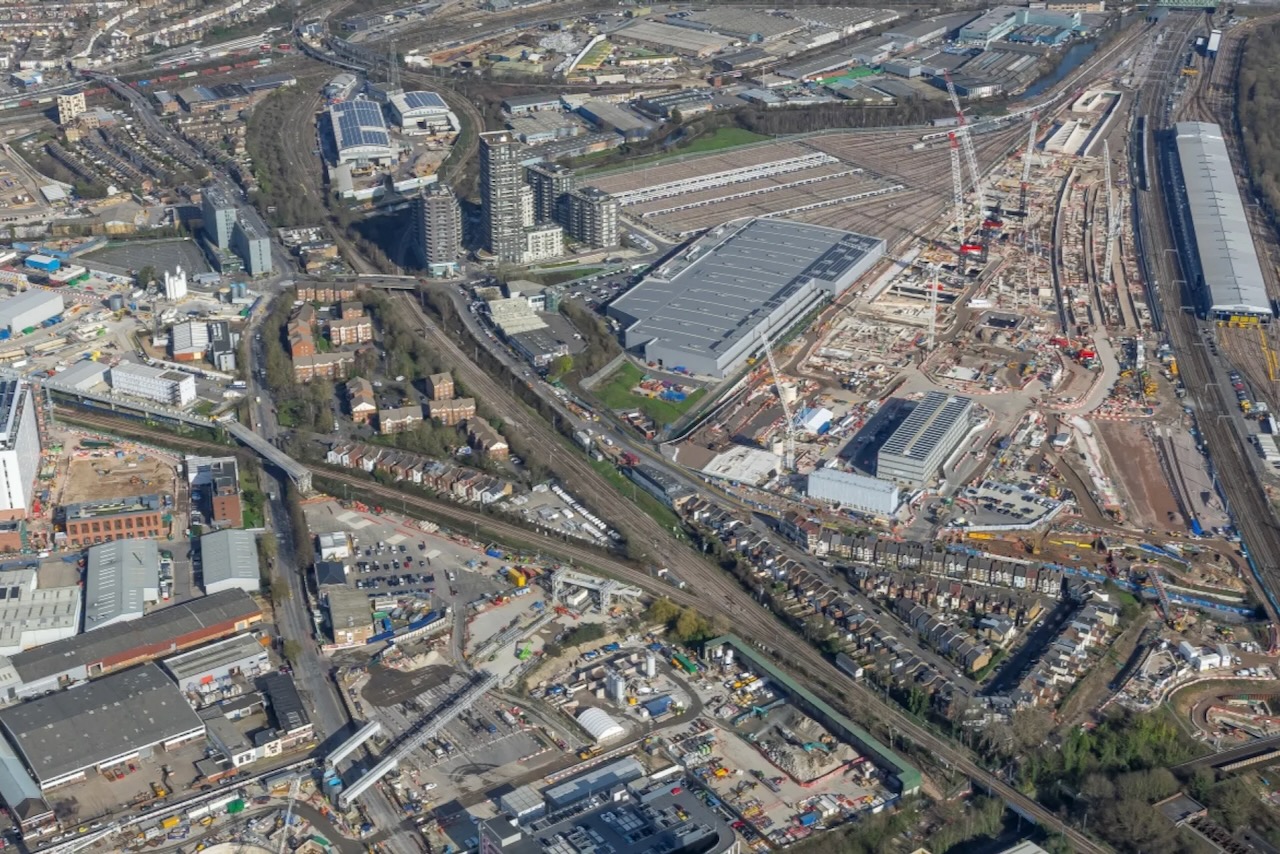
Heads of terms have been agreed to consolidate 70 acres around HS2’s Old Oak Common station into a single development site, triggering a £12bn search for a private sector delivery partner. The unified brownfield landholding, billed as London’s largest, is expected to support high-density mixed-use construction directly interfacing with the new HS2/Elizabeth line interchange. For civil and geotechnical teams, the scale and rail adjacency point to complex ground remediation, deep foundations and major utility diversions in a heavily constrained urban rail environment.
AtkinsRéalis has agreed to acquire Galway‑headquartered engineering consultancy Tobin to significantly expand its footprint in Ireland’s infrastructure and water sectors. Tobin brings multidisciplinary design and project management capability across roads, bridges, flood relief schemes and renewable energy, complementing AtkinsRéalis’ existing transport and energy portfolios. The deal signals intensified competition for major Irish public works and PPP frameworks, with a larger combined team likely to bid for complex geotechnical, hydrological and structural packages on upcoming national road, rail and climate‑resilience programmes.
UK construction output in February inched up just 1%, signalling stagnation rather than recovery across key infrastructure and building markets. The slowdown is being felt most in capital-intensive work such as major civils and commercial schemes, where higher financing costs and delayed public-sector decisions are stalling project starts and stretching procurement timelines. Contractors and consultants face thinner pipelines, tighter margins and increased bid competition, with knock-on risks for specialist geotechnical, groundworks and materials suppliers reliant on steady volumes.
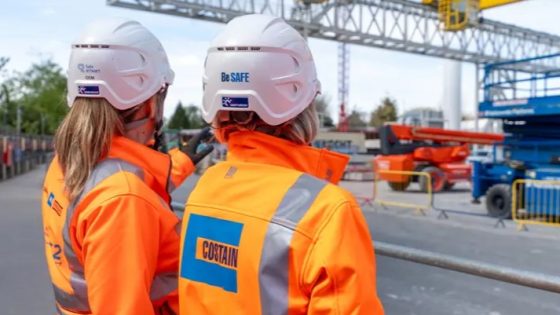
Costain has expanded its PPE and workwear range to include more inclusive sizing and fit options, aiming to better accommodate a diverse site workforce while maintaining compliance with existing safety standards. The updated offering also incorporates more sustainable materials and supply-chain practices, targeting reduced environmental impact across high-volume items such as helmets, hi-vis garments and safety footwear. For contractors and designers working with Costain, the move may influence project PPE specifications, procurement frameworks and site induction requirements.
Senior infrastructure and civil engineering leaders say they would work with a Reform UK government in Westminster to secure a pipeline of “investable” major projects, signalling industry willingness to engage regardless of political uncertainty. Commentators point to the need for clear long-term funding models for schemes such as multi-billion-pound rail upgrades and strategic road corridors, plus faster Development Consent Order decisions. For contractors and consultants, the key issues would be visibility of a 5–10 year capital programme and how Reform UK treats existing commitments like HS2 enabling works and major flood defences.
An initial strategic assessment has been commissioned to test the feasibility of hosting Olympic and Paralympic Games in the North of England in the 2040s, tied to a wider stadium and major venue regeneration push. The work is expected to examine retrofit versus rebuild options for existing football and rugby grounds, temporary athletics tracks within current bowls, and transport capacity upgrades to rail and strategic roads. For civil and structural teams, the study will frame long‑lead decisions on multi-use bowl geometries, legacy seating configurations and integration with urban regeneration zones.
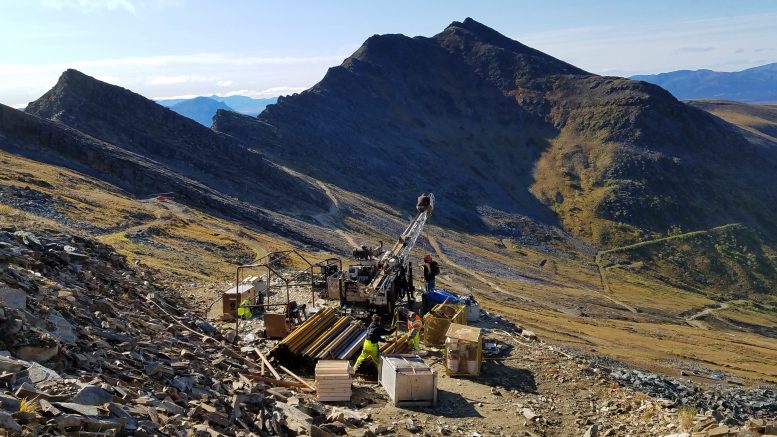
Trilogy Metals’ Arctic copper-zinc project in Alaska’s Ambler Mining District has been accepted into the US federal FAST-41 permitting programme, shortly after filing its Clean Water Act Section 404 application with the US Army Corps of Engineers. The 50/50 joint venture with South32 covers an indicated 35.7 million tonnes grading 2.98% copper and 4.09% zinc, with a 2023 technical report outlining a 13-year mine producing 149 million lb. Cu and 173 million lb. Zn per year plus lead, gold and silver. TD Securities forecasts construction could start in 2029 with first production in 2031, while the nearby Bornite deposit could extend district copper output beyond 30 years.
Water scarcity is constraining UK civil engineering growth as contractors face tighter abstraction licences, reduced summer reservoir yields and more frequent temporary use bans despite wetter winters. Major infrastructure schemes are being redesigned with lower non-potable water allowances for concrete batching, dust suppression and earthworks compaction, forcing greater use of closed-loop recycling and on-site treatment plants. Consultants report clients bringing forward demand management, leakage reduction and dual-supply strategies, with early-stage planning now stress-testing projects against prolonged low-flow conditions rather than historic average rainfall.
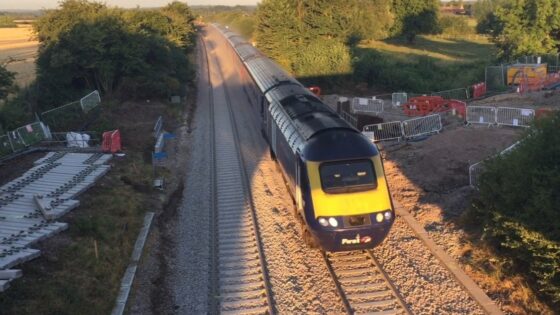
Safety guidance issued by the Rail Accident Investigation Branch (RAIB) as far back as 2008 remains outstanding, with some recommendations still not adopted across the national rail network. The backlog includes long-standing actions on level crossing protection, track worker safety and train protection systems, many of which relate directly to infrastructure design, inspection regimes and asset management. For civil and permanent way engineers, this signals potential future retrofit requirements, revised standards and increased scrutiny of risk controls on existing structures and track layouts.
German utility RWE has secured UK Government development consent for three large offshore wind farms, including two projects off the north-east coast and one in the southern North Sea. The schemes will require multiple high-capacity export cable routes, offshore substations and new onshore grid connection works, adding significant marine geotechnical investigation, pile design and scour protection packages. Contractors can expect deep-water foundation installation, challenging metocean conditions in the North Sea and tight integration with National Grid reinforcement programmes.
Roadworks on the A27 in Sussex linked to construction of a new Greggs Drive-Thru have drawn public criticism from a local MP, who is “very disappointed” with contractor Rontec Services’ handling of the scheme. The works, associated with access and frontage changes to the trunk road, are causing disruption on a key east–west corridor already operating near capacity at peak times. For designers and contractors, the row signals growing political scrutiny of traffic management, phasing, and stakeholder communication on small commercial access schemes to strategic routes.
Annual UK asbestos-related deaths of around 5,000, cited by removal specialist Rhodar, are being used to warn that ageing building stock still contains extensive legacy asbestos in insulation boards, sprayed coatings and pipe lagging. The warning targets civil and infrastructure works on schools, hospitals and 1960s–80s public buildings, where intrusive refurbishments, drilling and core sampling risk disturbing poorly documented asbestos-containing materials. Engineers are being urged to tighten pre-construction surveys, update asbestos registers and enforce licensed removal and enclosure protocols on all invasive works.
Rolls-Royce SMR has secured Stage 1 of Great British Energy – Nuclear’s Small Modular Reactor Technical Partner contract, positioning its 470MWe pressurised water SMR design for detailed assessment against UK deployment needs. The contract will focus on siting, grid integration and constructability for a standardised modular plant layout intended for factory fabrication and road-transportable modules. For civil and geotechnical teams, this signals early demand forecasting for multiple compact nuclear island foundations, heavy-lift logistics, and repeatable balance-of-plant designs across several UK sites.
Pre-construction investigations for National Highways’ A46 Newark Bypass upgrade have uncovered seven human burials, a Roman well and two probable Anglo-Saxon timber houses on the proposed alignment. The finds, made during archaeological trenching and strip-map-and-record works, confirm multi-period occupation immediately adjacent to the existing dual carriageway. Designers and contractors will now need to factor in preservation in situ or controlled excavation, with potential programme and earthworks phasing impacts on this strategic A-road improvement.
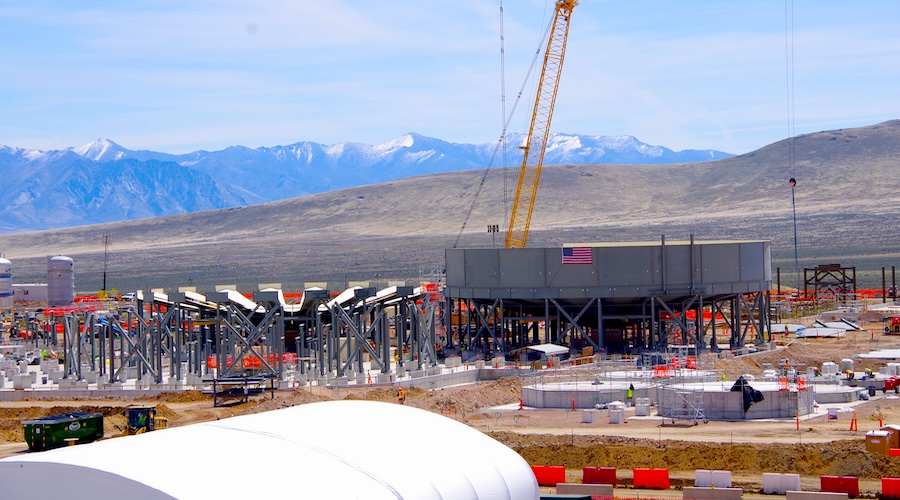
US steel tariffs, Iran-linked inflation and shipping disruption around the Strait of Hormuz are expected to add US$80–120 million to construction costs at Lithium Americas’ Thacker Pass lithium project in Nevada, on top of the original US$2.93 billion Phase 1 capex. Detailed engineering is nearing completion, procurement has passed 70%, and more than 75% of structural steel from the UAE is already in transit or on site after rerouting via Saudi Arabia’s Port of Jeddah. Construction spend of US$1.3–1.6 billion is planned for 2026, targeting 40,000 t/y lithium carbonate from late 2027.