Geomechanics, Streamlined.
© 2026 Geomechanics.io. All rights reserved.
Gina Rinehart has committed an initial $US50 million to California-based Lumitron Technologies, with scope to double the investment to $US100 million this year, backing its high-energy X-ray platform for ore characterisation and processing. Lumitron’s technology, originally developed for medical imaging and security, generates tunable, monochromatic X-rays that could enable real-time ore sorting and more precise recovery compared with conventional broad-spectrum X-ray systems. For miners, the move signals growing interest in advanced sensor-based sorting to lift recovery from lower-grade ores and reduce downstream processing loads.
US DOE’s ARPA‑E ROCKS programme has selected Fieldstone Bio, TerraCore and MIT to build a field‑deployable system that maps critical minerals directly on drill core, delivering quantitative, core‑length metal distributions in hours instead of weeks. The method combines engineered microbial sensors, tuned to emit distinct signals for metals such as gold, copper, molybdenum and arsenic at parts‑per‑billion sensitivity, with compact hyperspectral imaging cameras already used in core logging. Scout Discoveries will supply active Western US drill sites and fresh core to validate performance, with the sensor library to be expanded to rare earths and nickel.
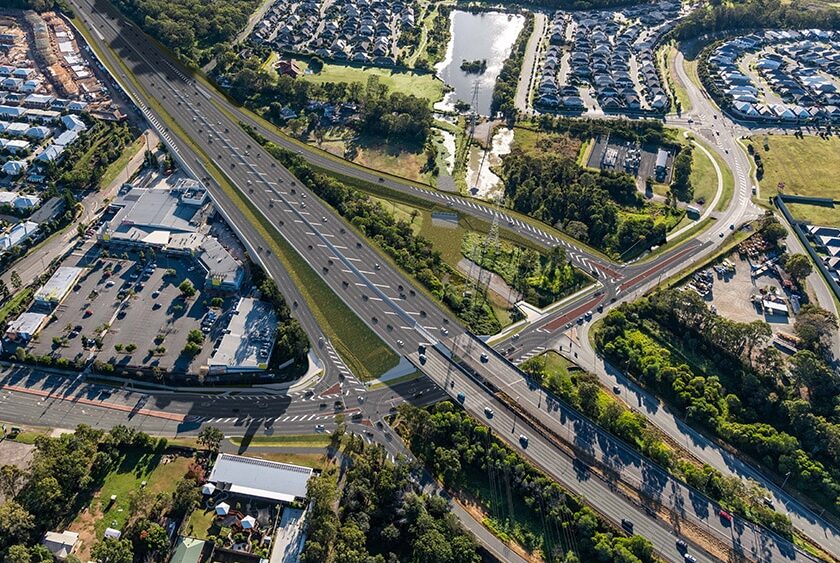
Queensland has announced a $55.9 billion Safer Roads, Better Transport programme in the 2026–27 State Budget, with funding spread over four years to upgrade key road and public transport corridors across the state. The package includes a record multi‑billion allocation for the Bruce Highway, building on the existing $9 billion Bruce Highway Targeted Safety Program and its 22 contracts already in market. For civil and geotechnical contractors, the pipeline signals sustained demand for pavement rehabilitation, bridge works and corridor safety upgrades on major freight and commuter routes.
Geotab has partnered with Swinburne University of Technology to establish an AI-enabled transport innovation hub on Swinburne’s Melbourne campus, targeting data-driven management of Australia’s vast road network, around 60 per cent of which is unpaved. The collaboration focuses on telematics, connected vehicle data and predictive analytics to better understand asset performance across both mild and harsh operating environments. For civil and pavement engineers, the work signals growing access to high-resolution fleet and condition data to inform maintenance prioritisation, heavy vehicle routing and whole-of-life pavement design.
Cost volatility across Australian infrastructure is now driven less by isolated shocks and more by interacting risks such as supply chain fragility, labour constraints and rapid design change, argues Sam Mendoza, National Director and National Infrastructure Lead at WT. Mendoza calls for earlier whole‑of‑life cost modelling, tighter scope definition before procurement, and dynamic risk allowances that are actively re‑priced through delivery rather than fixed as a single contingency line. For geotechnical and civil teams, this means locking in ground investigation scopes, material specifications and staging assumptions much earlier to avoid cascading re‑design and escalation.
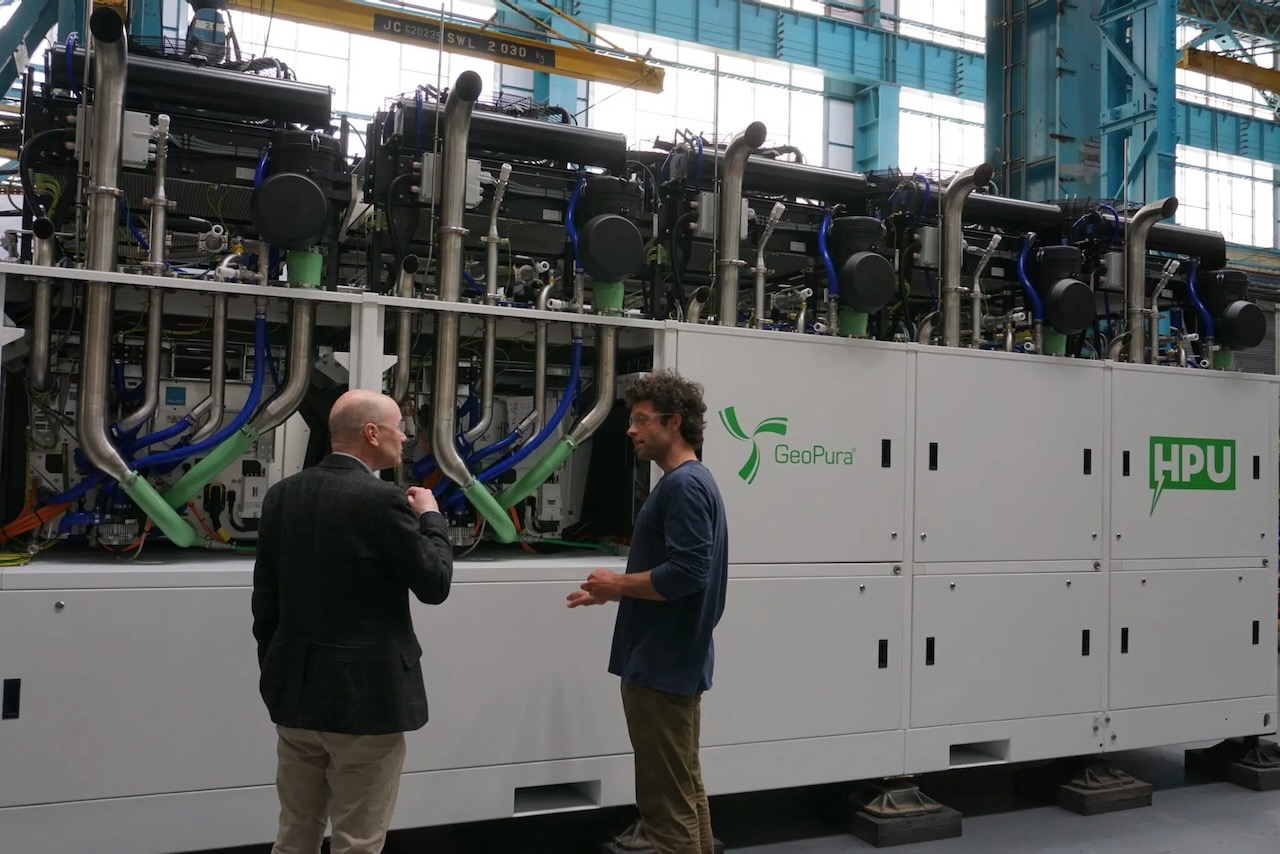
Ballard Power Systems will acquire UK hydrogen power provider GeoPura in a deal worth up to £300m, comprising £82.5m in cash, about 50.8 million newly issued Ballard shares and a further £27.5m contingent on post-deal performance targets. GeoPura has been deploying hydrogen-fuelled power units on construction sites as diesel generator replacements, offering zero local emissions and reduced noise for temporary power. The acquisition signals growing commercial backing for hydrogen generator sets in off-grid and temporary civil works applications.
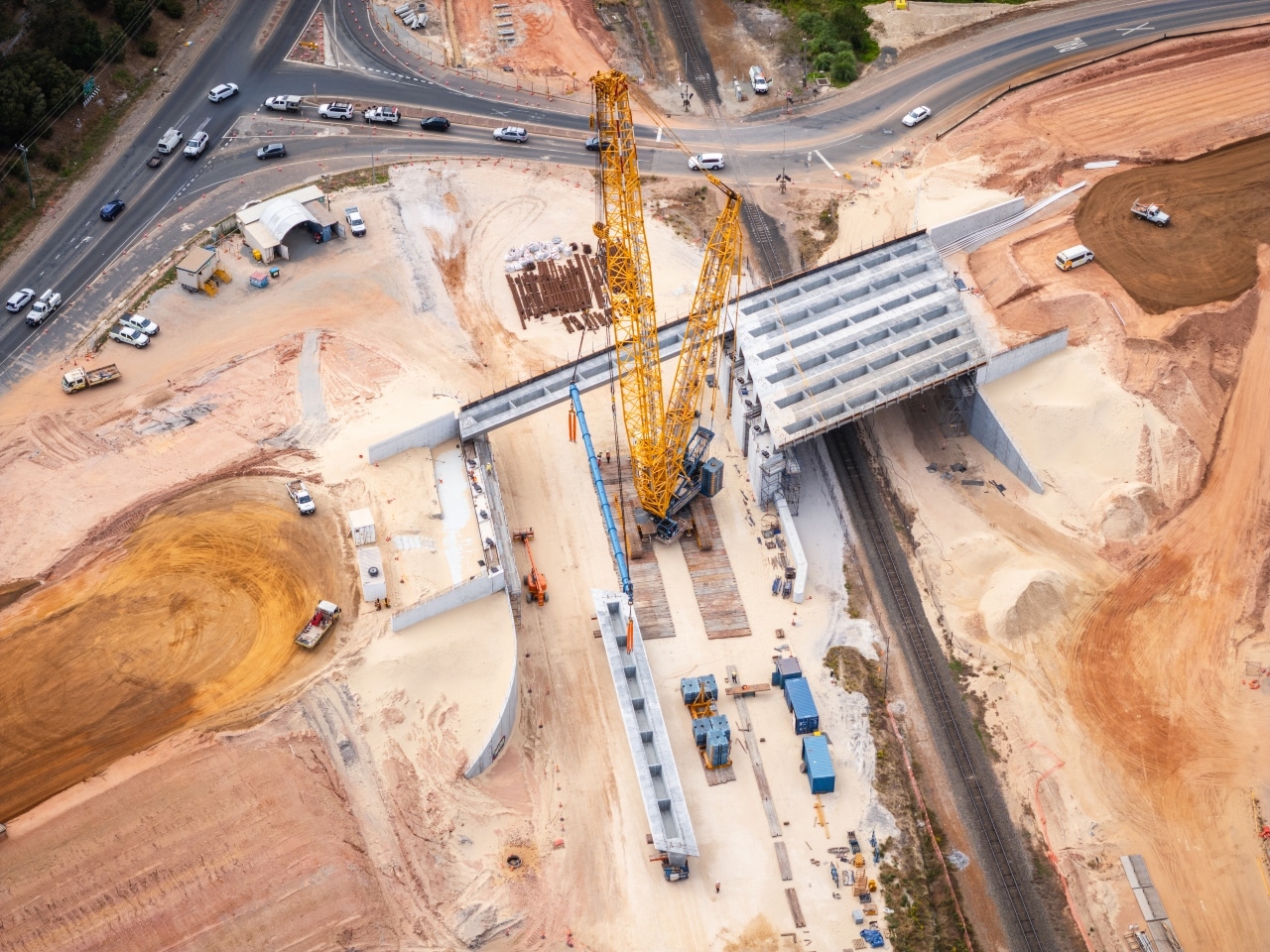
Installation of the first prestressed precast concrete beams for HS2’s Curzon Street station in Birmingham has been completed, forming the structural support for the future seven-platform arrangement. The beams were lifted into place as part of the station’s elevated deck system, which must accommodate high-speed rail loadings and complex track geometry within a constrained urban footprint. For designers and contractors, the milestone signals the transition from substructure and groundworks to major superstructure activities, with tolerances on beam placement critical for subsequent slab construction and track alignment.
A preliminary Rail Accident Investigation Branch report finds East Midlands Railway service 1H46 from Corby to London St Pancras passed a red signal at Bedford and struck stationary service 1B67 from Nottingham at 79km/h. The collision occurred on the Up Slow line north of Bedford station, damaging both Class 360 EMUs and overhead line equipment but causing no fatalities. Investigators are examining signal aspect sequences, driver actions, and the performance of the Train Protection & Warning System and associated braking behaviour.
Calls are growing for the UK Government to consult coastal erosion communities more regularly when updating Shoreline Management Plans (SMPs), which guide long-term decisions on hold-the-line, managed realignment and no-active-intervention policies. Local authorities and residents argue that current SMP review cycles and engagement processes do not adequately reflect rapid cliff retreat, increased storm surge impacts and changing sediment transport patterns on vulnerable frontages. More frequent, structured consultation could influence choices on hard defences versus nature-based solutions, funding priorities and property loss compensation frameworks.
FM Conway, partnered with WSP, has secured Westminster City Council’s £1.25bn highways and public realm contract covering central London’s strategic streets and footways. The long-term framework will bundle carriageway resurfacing, footway reconstruction, drainage upgrades and streetscape works across some of the UK’s highest-traffic urban corridors, demanding careful phasing and night-time working. For civil and geotechnical teams, the scale signals sustained demand for asphalt production, utility coordination, pavement rehabilitation and asset condition monitoring in heavily constrained, heritage-sensitive streets.
Caterpillar’s autonomous 794 AC haul truck fleet at Anglo American’s Quellaveco copper mine in Moquegua, Peru has passed 500 Mt of material moved, with Ferreyros supporting the deployment as Caterpillar’s local representative. The fully autonomous trucks operate on steep, high-altitude pit ramps typical of Andean copper operations, integrating with digital fleet management and high-precision guidance systems. The milestone signals growing confidence in large-scale autonomous haulage for greenfield copper projects, with implications for haul road design, traffic management rules, and maintenance planning.
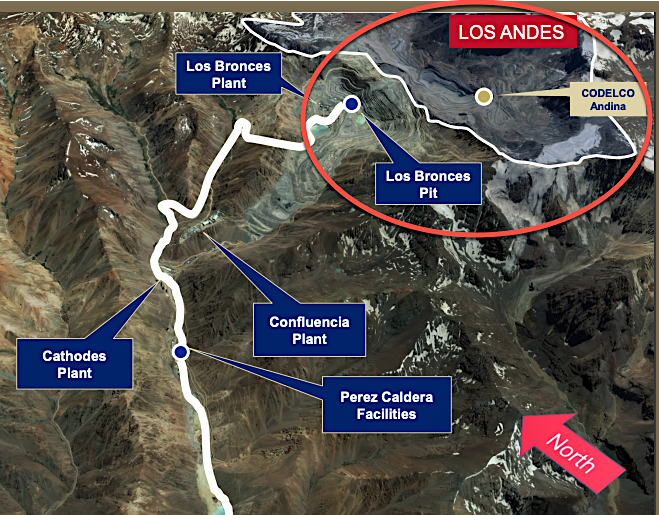
Anglo American, via its 50.1%-owned Anglo American Sur SA, and Codelco have finalised a definitive agreement to run a joint mine plan for the adjacent Los Bronces and Andina copper operations in central Chile, after securing all competition and regulatory approvals. The integrated planning covers two large-scale open pits sharing the same Andean district, enabling coordinated sequencing of ore bodies, waste dumps and tailings storage across property boundaries. For mine planners and geotechnical teams, this opens scope for shared slope design, haul road rationalisation and potentially consolidated infrastructure for high-altitude water and power supply.
Human rights abuse allegations at transition-mineral mines jumped 73% in 2025 to 329 cases across 299 copper, cobalt, lithium, nickel, graphite and rare earth operations tracked by the Business and Human Rights Resource Centre, with copper sites accounting for about 60% of complaints. South America recorded the most allegations while Africa saw the fastest growth, and Indigenous Peoples featured in 17% of cases despite being about 6% of the global population. The tracker logged 61 protests, 10 strikes and 44 lawsuits or regulatory actions, with at least 27 mine suspensions, slowdowns or closures, signalling rising supply and permitting risk for project developers and offtakers.
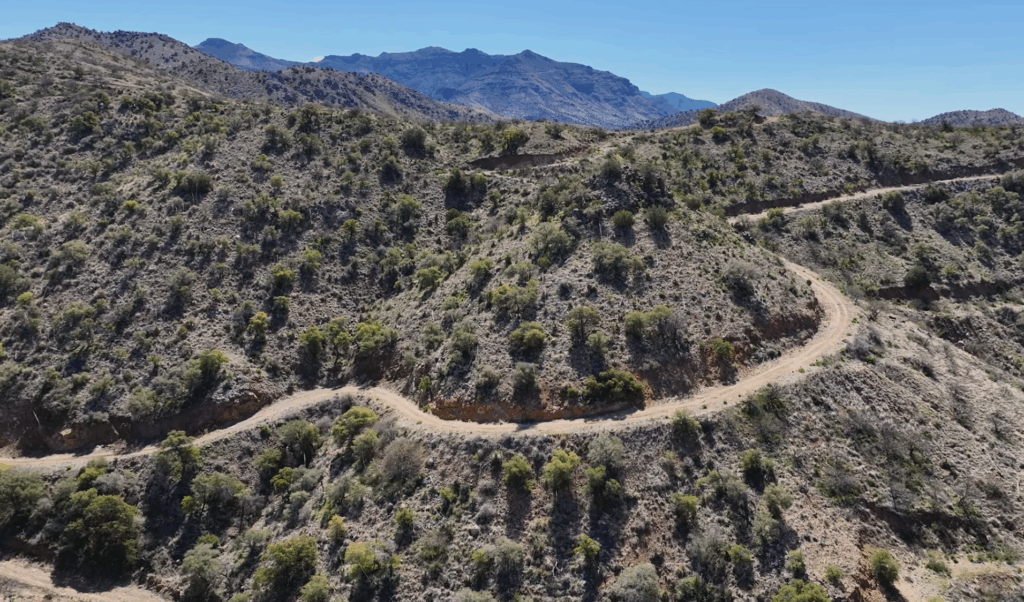
New drilling at Faraday Copper’s Copper Creek project in Arizona has returned broad, near-surface intercepts including 67 metres at 0.3% Cu from 30 metres in hole FCD-26-169 and 71 metres at 0.41% Cu from 80 metres, with 35 metres at 0.58% Cu, in FCD-26-171 at the American Eagle area. A further hole, FCD-26-173, cut 73 metres at 0.31% Cu from surface east of Copper Giant, identifying previously undrilled copper oxide mineralisation that supports potential open-pit resource expansion. Drilling on the 40,000-metre programme has been paused until autumn as Faraday advances the San Manuel acquisition from BHP and works towards a combined Copper Creek–San Manuel resource update targeted for mid‑2027.
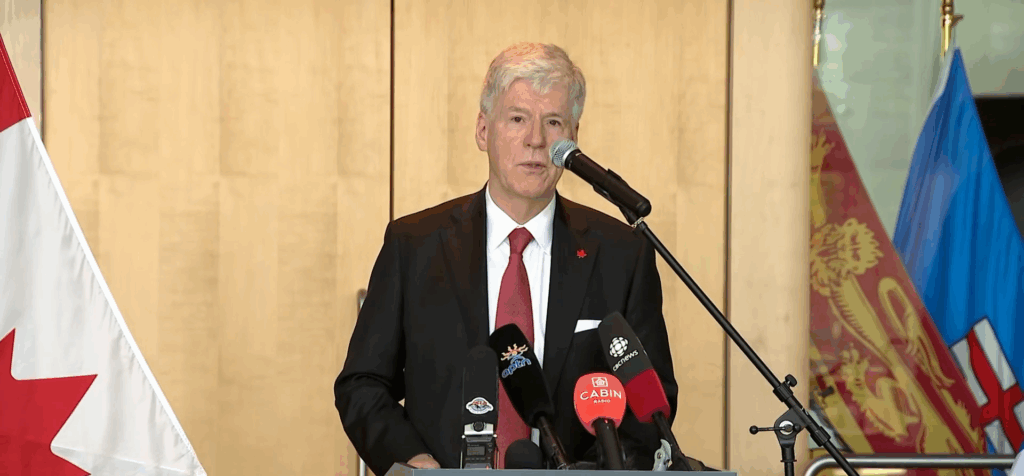
Canada is weighing “national interest” status under the Building Canada Act for the C$1.67‑billion, 800‑km Mackenzie Valley Highway from Wrigley to Inuvik and the Grays Bay Road and Port scheme, which includes a deepwater port, airstrip and 230‑km all‑season road into the Northwest Territories. The designation would route both C$2‑billion‑scale projects through Ottawa’s new Major Projects Office, streamlining permitting for access to zinc, copper, silver and base metal prospects backed by West Kitikmeot Resources, Glencore and MMG. A 500‑m‑deep nuclear waste repository near Ignace, Ontario, designed for 5.9 million used fuel bundles, is also being considered.
Gold’s drop below $4,000/oz., including a 2.5% fall on Wednesday, has led Bank of America to scale back its near-term target from a previously touted $6,000/oz. by next spring as markets price in a 70% chance of a US rate hike by September and an almost certain move in December. BofA still sees structural support from US fiscal deficits and de-dollarisation, citing a survey where nearly three-quarters of central banks expect lower dollar reserves within five years. Its P/NAV analysis shows gold miners discounting the metal at $3,354/oz. on average, with implied prices ranging from $2,416/oz. at Franco-Nevada to $4,395/oz. at Wheaton Precious Metals.
Newcore Gold shares fell nearly 25% to C$0.36 after the Enchi pre-feasibility study in Ghana cut project economics despite using a higher base gold price of US$3,800/oz. The PFS estimates an after-tax NPV (5%) of US$496 million and 37% IRR, with initial capex tripling to US$351 million and life-of-mine operating costs jumping to US$1,689/oz and AISC to US$2,290/oz, for a 5.5 Mtpa open-pit/CIL operation. Probable reserves of 51.3 million tonnes at 0.64 g/t support a 9+ year mine life at 104,000 oz/year, with all four pits and targets still open along strike and at depth.
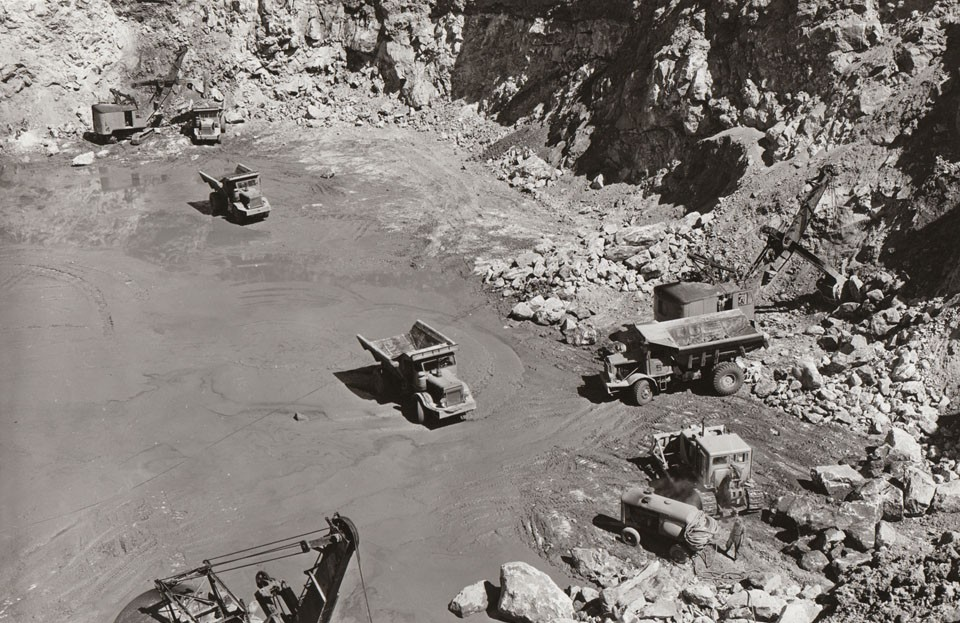
Nova Scotia’s mining legacy, beginning with exposed Cape Breton coal seams noted in 1672 and the 1861 Mooseland gold rush, established some of Canada’s earliest commercial coal, gold and copper operations, including undersea collieries extending kilometres beneath the Atlantic and the Samson locomotive on iron rails. Hard-won lessons from disasters such as the 1958 Springhill Bump, arsenic- and mercury-laden historical gold tailings, and militant coalfield labour disputes drove stricter safety, labour and environmental standards than in many other provinces. Today the province has rescinded its 44‑year uranium exploration ban, is promoting “faster, smarter permitting” to halve approval times, and is targeting 80% clean power by 2030 while juniors revisit historic gold camps and explore for lithium, rare earths, tin and antimony.
Anglo American and Codelco have agreed a joint mine plan for the adjacent Los Bronces and Andina operations in Chile, targeting 2.7 Mt of additional copper over 21 years with minimal new capital and at least $5 billion in value creation. The integrated plan is expected to deliver about 120,000 t/year of extra low-cost copper, split 50:50, by optimising mine sequencing and shared use of existing infrastructure across the combined district northeast of Santiago. Execution hinges on securing Chilean environmental and other permits by 2030, with delays likely to push back the production ramp-up.
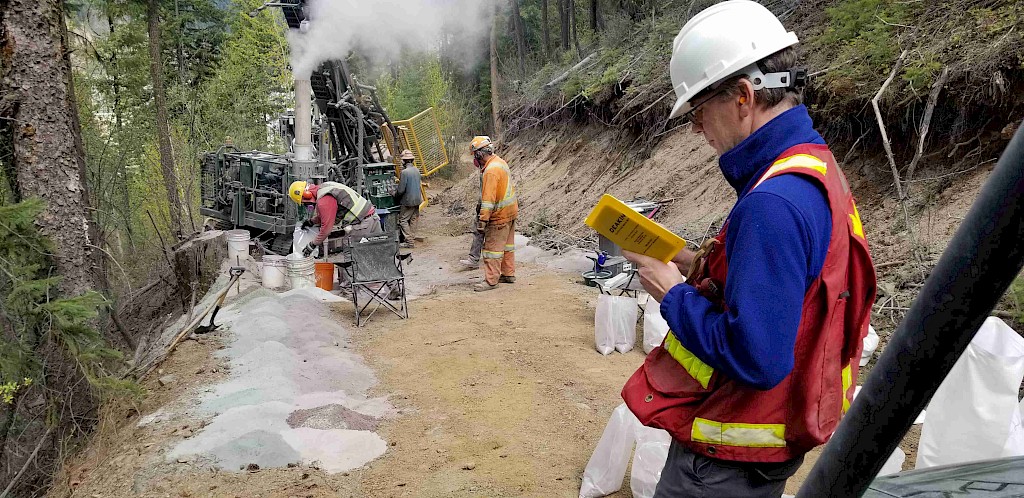
Endurance Gold’s 2026 drilling at the Reliance project in southern British Columbia has returned high-grade step-outs outside the current resource, including 14.7 metres at 7.67 g/t gold and 0.13% antimony from 75.9 metres in DDH26-128 and 12 metres at 3.07 g/t gold from 98.2 metres in DDH26-129, a 60-metre step-out along the Eagle trend. The 8,000-metre diamond programme, with seven holes (1,899 metres) already completed at southern Eagle and two deep tests at Imperial, targets conversion of near-surface ounces and deeper Royal Shear extensions. Reliance currently hosts 19.6 million inferred tonnes at 2.3 g/t gold (1.45 million oz), with metallurgical work aiming to improve recoveries beyond earlier 84.7% gold to concentrate.
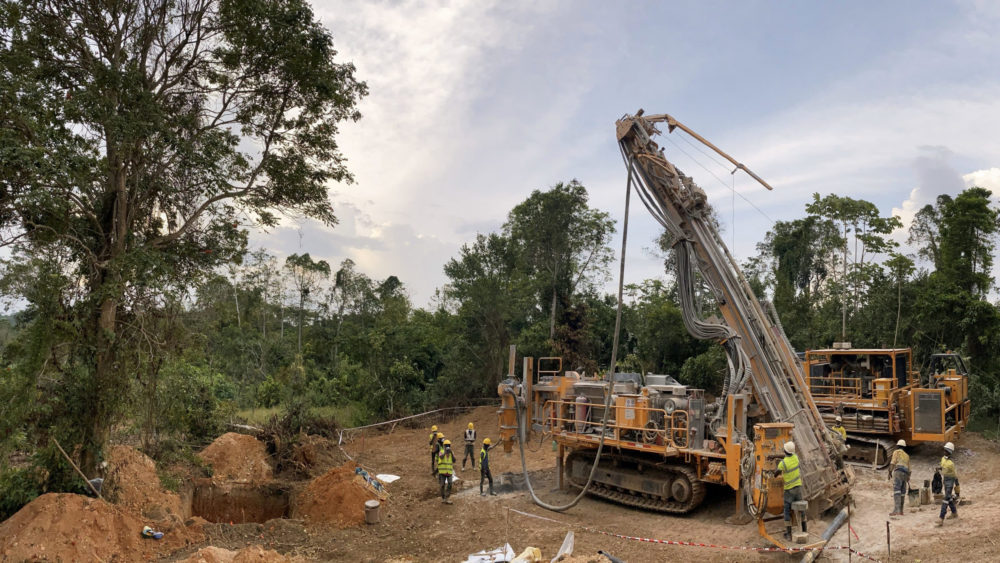
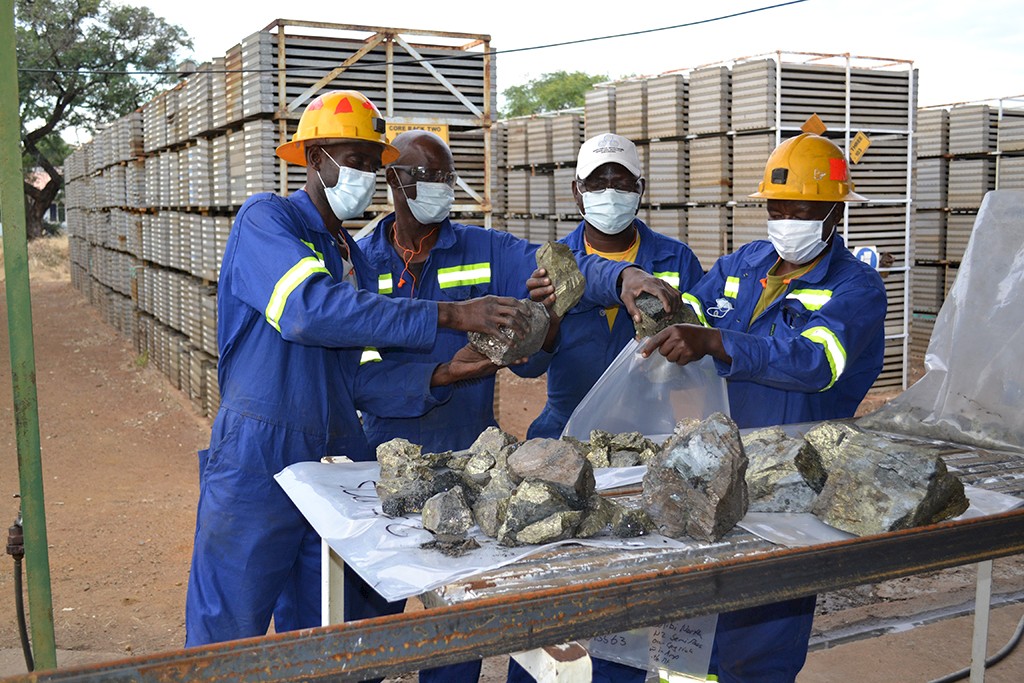
NexMetals Mining has lifted the Selkirk copper-nickel-PGE project in Botswana to about 1.1 billion lb of indicated copper equivalent, with 78.2 million tonnes at 0.66% CuEq after extensive re-assaying and twin drilling converted a large portion of the inferred resource. A further 15.1 million inferred tonnes at 0.60% CuEq (200 million lb CuEq) remain, with the 63% increase in metal inventory versus 2024 driven mainly by improved metallurgical recoveries and adding cobalt, silver and gold as payable metals. Selkirk now sits alongside the nearby Selebi project (75 km away) as a core critical-metals asset on a 14.6 sq. km mining licence.
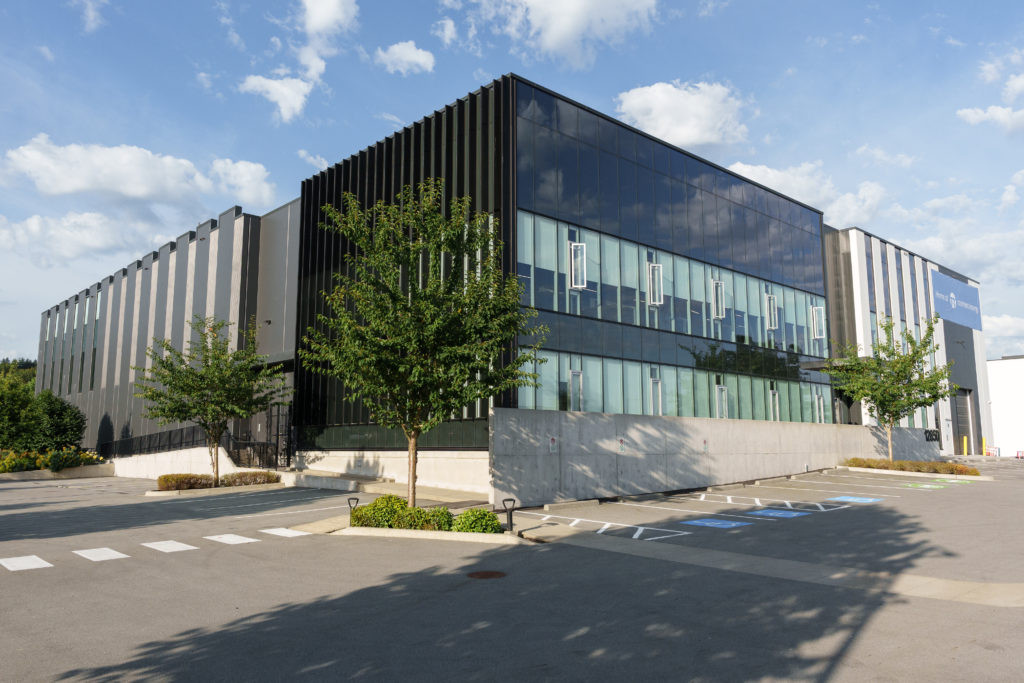
Moment Energy has commissioned Megafactory 1 in Surrey, British Columbia, billed as the world’s largest EV battery repurposing plant and targeting 1 GWh of second-life battery energy storage system output by 2030. The facility converts retired EV packs into modular systems for data centres, factories and microgrids, with more than 100 direct jobs on site and over 1,000 indirect roles projected across the province. PacifiCan has backed the project with C$4.9 million, with CEO Edward Chiang stressing the six‑week build from announcement to operation as proof of rapid re‑shoring potential.
RCT – Powered by Epiroc has supported the restart of a historic Canadian nickel mine as it transitions from underground to open-pit operations, partnering with the mining services contractor leading site operations. The project centres on deploying RCT automation and remote-control solutions on surface production fleets to separate operators from active faces and highwall hazards. For geotechnical and mine planners, the move to surface mining with tele-remote equipment changes pit design constraints, traffic patterns and berm requirements, enabling more aggressive pushback sequences while maintaining operator exclusion zones.
BHP is replacing the radiators across its light vehicle fleet at the Olympic Dam operation in South Australia with Terrain Tamer Heavy Duty pressed aluminium units after an almost 12‑month in‑field trial. The heavy-duty radiators are designed for higher vibration and thermal loads typical of underground and surface mine roads, offering improved cooling performance and resistance to core and tank fatigue compared with standard OEM units. For maintenance teams, the change points to reduced unplanned LV downtime and lower cooling‑system failure risk in high‑dust, high‑ambient conditions.