Geomechanics, Streamlined.
© 2026 Geomechanics.io. All rights reserved.
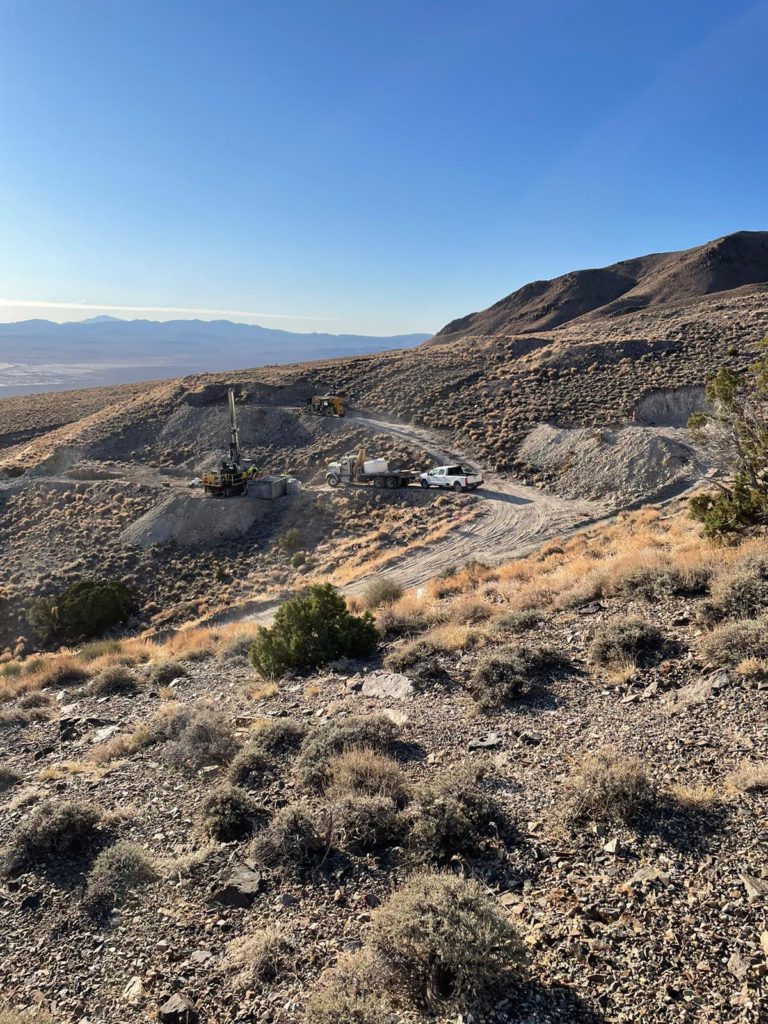
New drilling at Mogotes Metals’ Filo Sur project in the Vicuña district has expanded the Albor copper-gold target, with hole FS_DDH_016 returning 180 metres from 108 metres depth grading 0.51% copper, 0.37 g/t gold, 2.8 g/t silver and 119 ppm molybdenum, including 9 metres at 1.32% copper and 1.34 g/t gold from 276 metres. The mineralisation remains open along the Macho Muerto Fault Zone and at depth, with 7,000 metres of drilling planned this year across the 100-sq.-km property.
Global copper supply will need the equivalent of six new world‑class mines every year to 2050 to cover a forecast deficit rising from 2 million tonnes by 2030 to 8 million tonnes by 2035, with data centres alone expected to consume about 500,000 tonnes by decade‑end, mining financier Frank Giustra says. He notes only four undeveloped deposits currently match major‑miner criteria—Copper Giant Resources in Colombia, Solaris Resources in Ecuador, and Aldebaran Resources and McEwen Copper in Argentina—leaving deeper, higher‑cost orebodies as the fallback. Giustra expects higher copper prices and a delayed but aggressive M&A cycle as majors buy de‑risked junior projects at richer valuations.
Retired US Navy commander and Democratic congressional candidate Phil Ehr has resigned from NovaRed Mining’s advisory board after the Vancouver-listed copper explorer hired former US Secretary of Homeland Security Kristi Noem to help secure critical metals projects. NovaRed’s assets include the 160 sq. km Wilmac copper-gold property and the adjacent Lamont Ridge project in the Similkameen mining division, about 230 km east of Vancouver, with the company valued at about C$38 million after its share price rose nearly 15% to C$0.77. CEO Brian Goss said investors remain focused on North American critical minerals supply fundamentals despite political backlash in Canada.
Guardian Metal Resources has formed a tungsten mining and recovery pilot alliance with the Montana Mining Association, Montana Technological University and the US Army Research Laboratory, using 250–400 tonnes of legacy ore from its Tempiute project in Nevada as initial feedstock. Ore will be trucked to a milling and processing facility in Philipsburg, Montana, to test upscaling of tungsten-rich tailings and stockpiles into tungsten metal powder for defence-grade penetrators and other US DoD applications. Guardian recently staked 193 additional claims at Tempiute, expanding its tailings footprint by over 375%, with first ore shipments targeted for late summer 2026 pending metallurgical and pilot-scale test work.
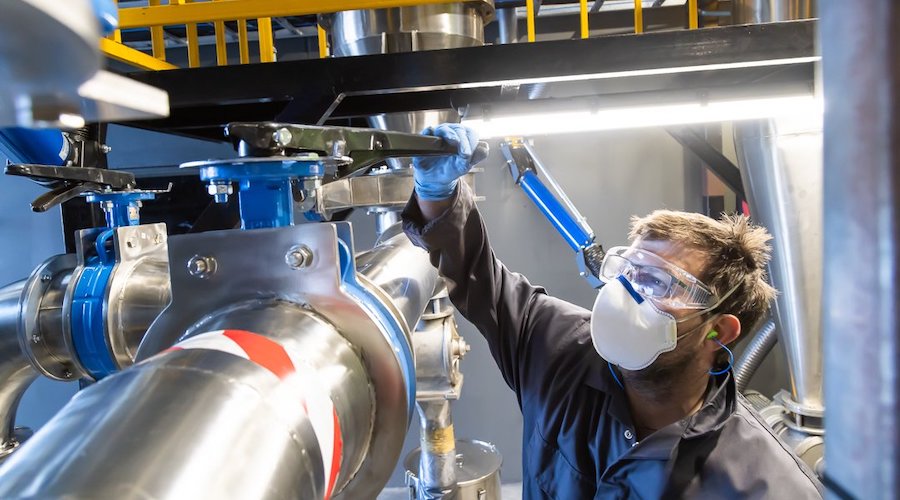
CATL has acquired a 20% stake and board seat in New Zealand-based CarbonScape, positioning itself as industrialisation partner for the company’s forestry by-product–derived “biographite” anode material. CarbonScape’s process converts renewable feedstock from major forestry suppliers into battery-grade graphite, targeting US and European lithium-ion supply chains that currently rely on oil-based feedstock for over 75% of graphite. A demonstration plant in Kotka, Finland, will build on an existing New Zealand pilot, with commercial-scale biographite production targeted by the end of the decade.
Stantec has been appointed by Anglo American as an engineering and project delivery partner for feasibility study services on the Woodsmith polyhalite mine in North Yorkshire, focusing on hoisting systems, production shafts, bulk material handling, and underground infrastructure. The work will refine designs for deep shaft hoisting and high-capacity ore handling needed to move polyhalite from the underground workings to surface processing and export infrastructure. For geotechnical and mining engineers, the study phase will shape shaft lining, ground support, and underground logistics concepts ahead of any major restart in capital deployment.
Bradken has inaugurated a dedicated mill liner foundry in Chilca, Peru, to localise manufacture of wear parts for large grinding mills across Latin American copper and gold operations. The facility is intended to shorten lead times and reduce import dependency by producing region-specific liner designs and alloys closer to major concentrator hubs in Peru and neighbouring countries. CEO Sean Winstone said the plant is aimed at improving supply chain resilience and enabling faster on-site technical support for SAG and ball mill relines.
Sandfire MATSA has completed the first 100% surface-initiated underground blast at the Sotiel polymetallic mine in Calañas, Huelva, working with contractor Insersa and explosives specialist MAXAM. The blast was fully controlled from surface, removing personnel from the immediate firing area and validating remote initiation across the mine’s existing underground communications and blasting infrastructure. The move signals wider deployment potential for digitally controlled blasting sequences in complex Iberian Pyrite Belt orebodies where multiple headings and constrained access raise exposure risks.
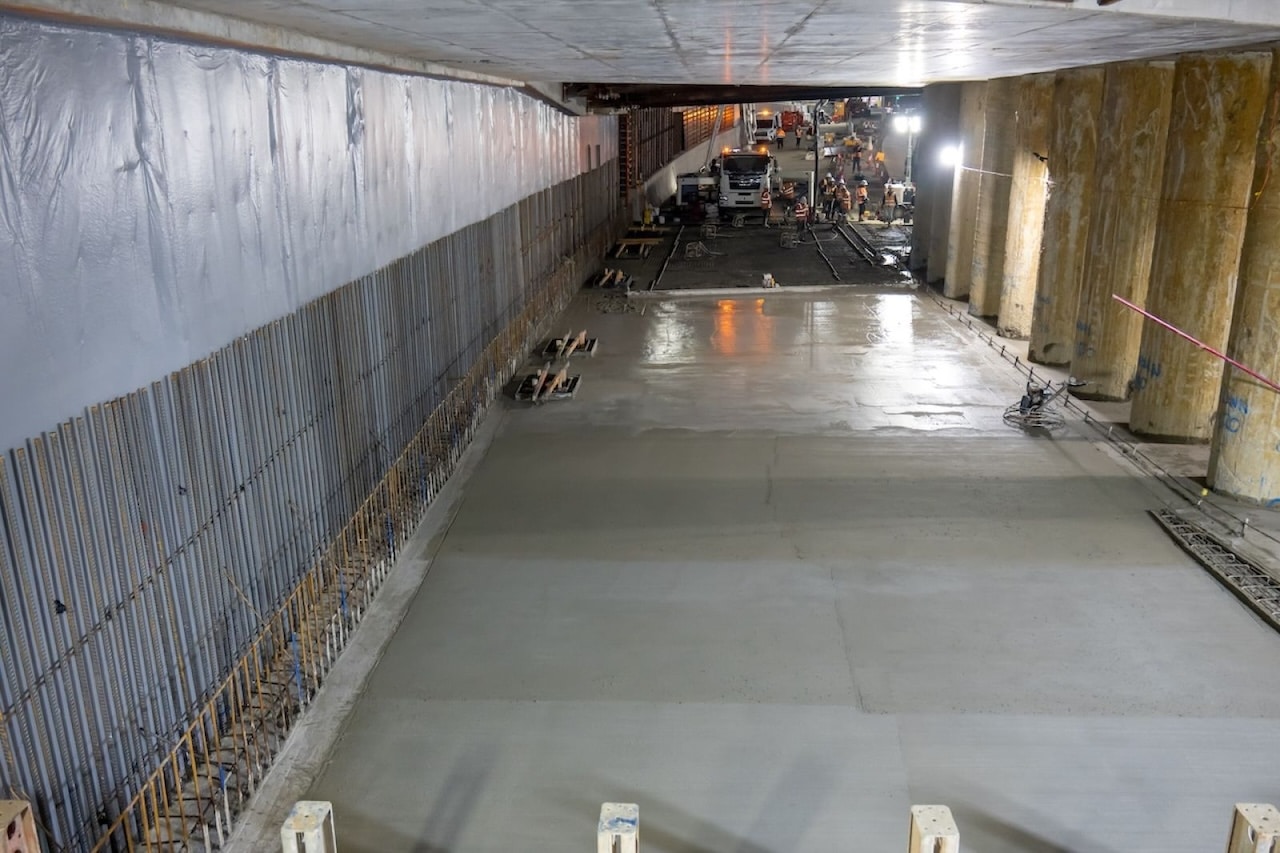
A new road underpass in Dandenong, Victoria, will open to vehicles in late September, linking Princes Highway–Lonsdale Street directly to Cheltenham and Hammond roads for the first time. Delivered as part of the Webster Street level crossing removal, the project removes the final set of boom gates on the Cranbourne and Pakenham rail lines, eliminating a key traffic and safety bottleneck. For road and rail engineers, the grade separation will change local freight routing and intersection loading patterns across this regional transport hub.
Exploration activity across Australia is accelerating, with Matsa Resources, Ark Mines and Iltani Resources all advancing drilling, tenure acquisition and resource growth programmes in gold, critical minerals and silver. Matsa has reported multiple high‑grade intersections from ongoing diamond drilling at the Fortitude North prospect within its Lake Carey gold project, extending known mineralisation along strike and at depth. Ark Mines and Iltani are progressing early‑stage critical minerals and silver targets, signalling a busy pipeline of drilling metres and resource definition work for 2025 field seasons.
Larvotto Resources has exercised its option over the historical Blockade copper mine northeast of Mount Isa after confirmatory reverse circulation drilling beneath the old open pit returned 31m at 1.16 per cent copper from 63m. Eight RC holes were completed to validate historical data before proceeding, with resource definition drilling scheduled to start in the September quarter. A maiden JORC resource estimate is planned, signalling potential for near-surface sulphide mineralisation that could be integrated with existing Mount Isa processing infrastructure.
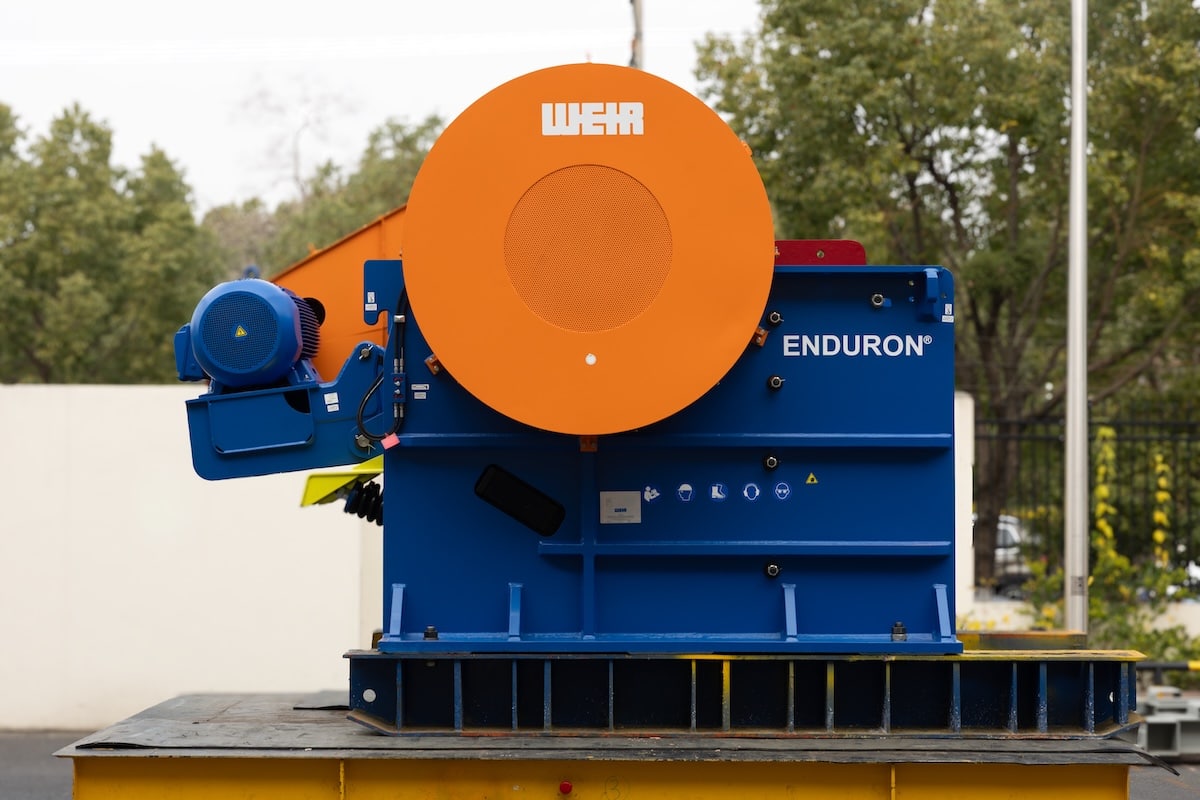
Weir has secured a first-quarter 2026 contract to supply the primary crushing circuit for Brightstar Resources’ Laverton processing plant, part of the Goldfields gold project in Western Australia. The package includes Weir’s recently upgraded ENDURON ET series jaw crusher and ENDURON EC series cone crusher, covering both primary and secondary crushing duties. For plant designers and maintenance teams, the standardised OEM circuit simplifies integration with existing comminution flowsheets and future debottlenecking or throughput upgrades.
Australia and India have signed a Joint Statement on Energy Security in Melbourne, committing to accelerate renewable energy deployment and electrification backed by secure critical minerals supply chains. The agreement links Australian lithium, rare earths and other battery metals projects to India’s fast‑growing solar, wind and grid‑scale storage build‑out, with both governments signalling support for long‑term offtake and investment frameworks. For miners, the move points to stronger demand signals, potential bilateral funding mechanisms and closer alignment of project development with Indian OEM and battery manufacturing needs.
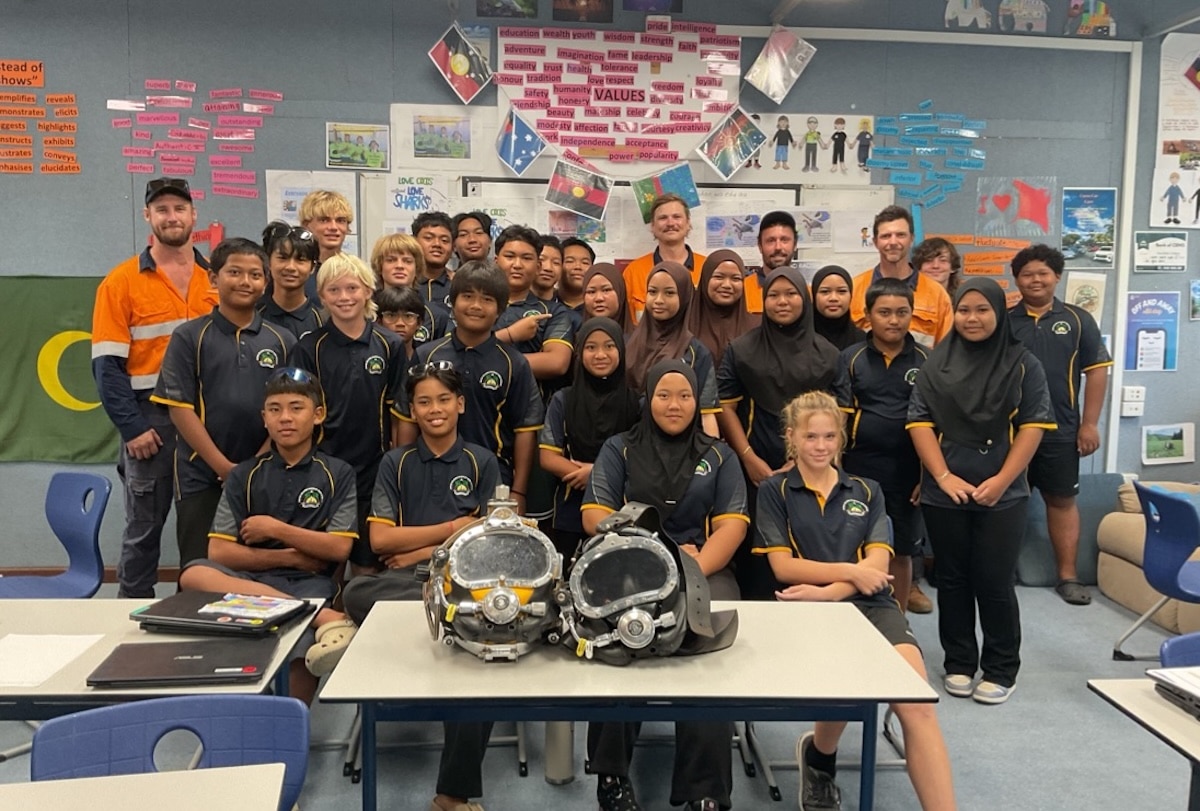
Fremantle Commercial Diving and Dredge Robotics have completed a major water infrastructure maintenance campaign on the remote Cocos (Keeling) Islands, using commercial diving and subsea dredging techniques to service critical assets. Following the works, the team ran hands-on sessions at Cocos Islands District High School, letting students operate inspection-class underwater robots and learn about commercial dive systems. The outreach links real dredging and underwater maintenance tasks to future workforce development in subsea construction, ports and coastal infrastructure.
Midlands and south west contractor Speller Metcalfe has reported a second consecutive year of record profitability, with turnover of £158.9m and profit-before-tax margin rising from 2.1% to 3.15%. Gross margin increased from 9.5% to 10.9% and average cash balances climbed from £23.6m to £32m, giving the firm more headroom for future project investment and risk management. Carbon intensity fell from 11.76 to 9.40 tCO₂e per £1m of turnover and the contractor claims £62.8m of social value delivered, alongside a 53% uplift in local supply chain spend.
Marley has launched Edgemere 2.0 concrete interlocking roof tiles using Heidelberg Materials’ evoZero cement, which relies on carbon captured and “banked” from Heidelberg’s Brevik plant in Norway, currently sequestering about 400,000 tonnes of CO₂ per year. The tiles carry a low Global Warming Potential, Green Guide A+ rating and BES 6001 Excellent certification, targeting specifiers seeking verifiable low‑carbon roofing materials. Heidelberg is also constructing a carbon capture plant at its Padeswood cement works in north Wales, designed to capture about 95% of emissions, or roughly 800,000 tonnes of CO₂ annually, from 2029.
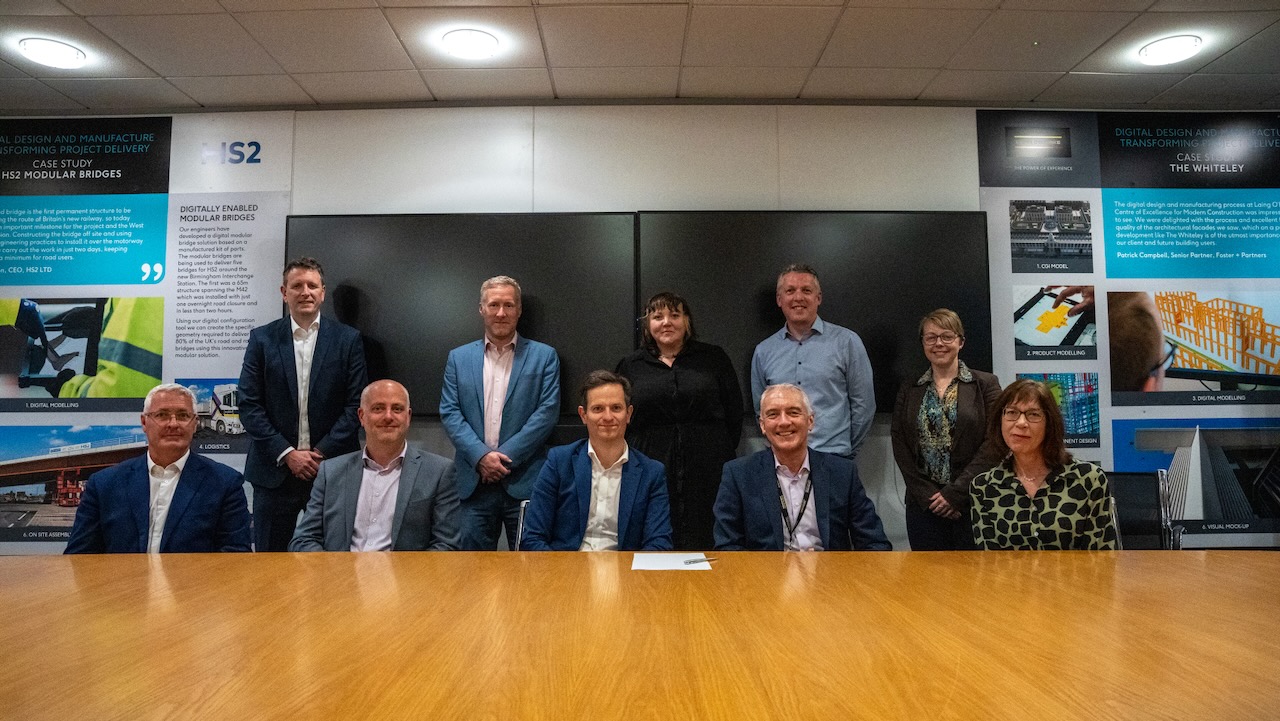
Laing O’Rourke has been appointed by Calderdale and Huddersfield NHS Foundation Trust to double the size of Calderdale Royal Hospital, delivering a new Emergency Department, a dedicated Children’s Emergency Department and eight additional wards. The expanded CRH will consolidate all unplanned (acute) services on the Halifax site, with planned care concentrated at Huddersfield Royal Infirmary, reshaping clinical flows across the trust. Laing O’Rourke plans extensive use of modern methods of construction and offsite manufacturing to control programme, quality and site disruption.
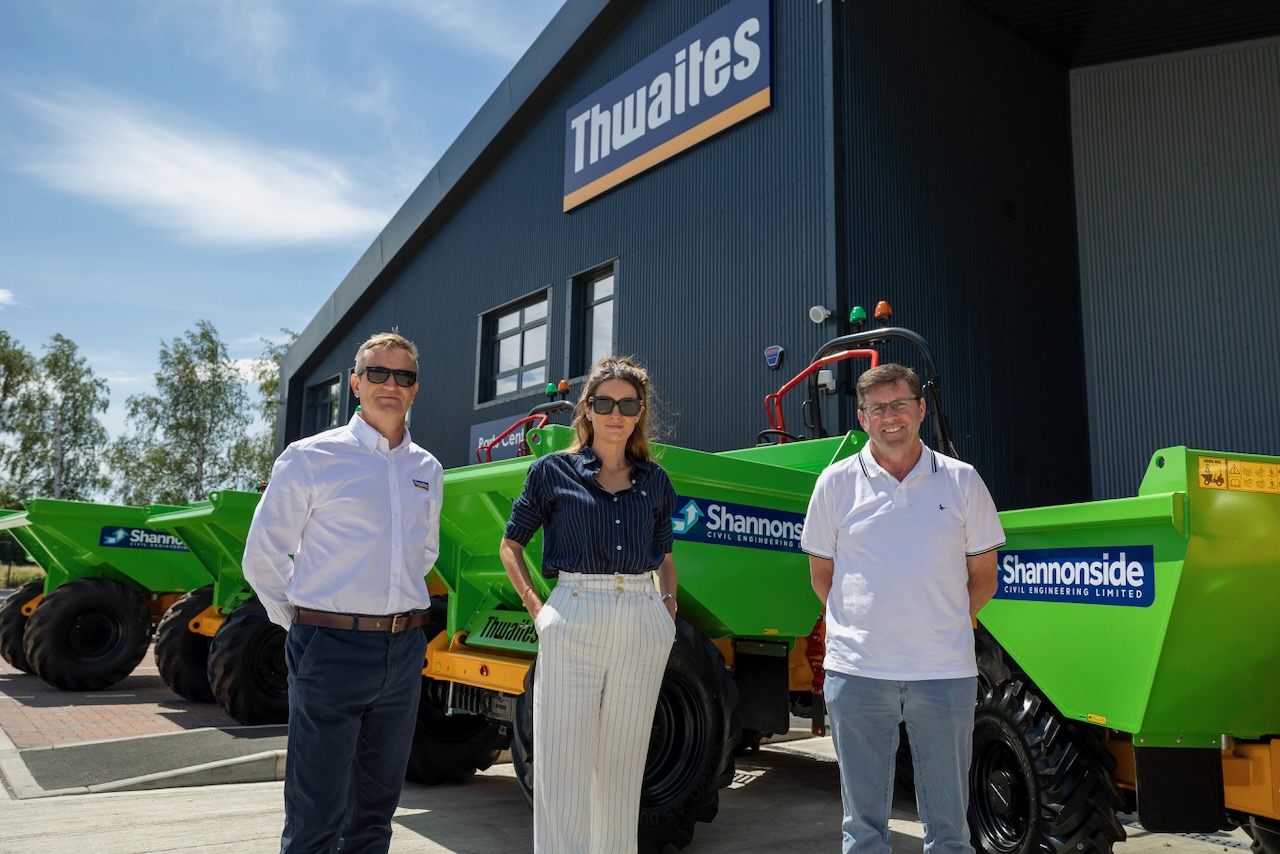
Worcestershire-based civil engineering contractor Shannonside has expanded its earthmoving fleet with 11 Thwaites dumpers supplied by BTE Plant Sales, comprising eight 6‑tonne forward tip ROPS+ units and three 3‑tonne forward tip machines. The ROPS+ models use a wrap‑around steel frame, pull‑down roll bar and a ‘triple lock’ motion inhibitor that prevents drive unless the operator is seated, belted and the overhead bar is locked, with design features to block workarounds. Managing director Brendan Carty says the fleet is now “99% Thwaites”, continuing a purchasing strategy started in 2014.
Beaver Bridges, working with Readypower Group and Readyscrew, has launched a fast‑installation culvert bridge system to let excavators and other plant cross streams without disturbing the watercourse. The modular culvert and deck units are designed for rapid placement and removal, reducing in‑channel works and bank excavation compared with conventional temporary crossings. For site engineers, the system offers a repeatable method for plant access on linear projects such as rail and pipeline jobs where multiple short‑duration stream crossings are required.
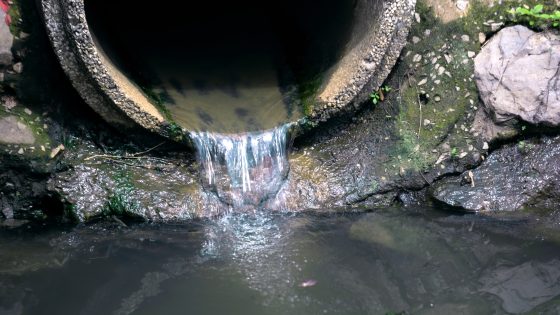
Severn Trent Water has avoided a financial penalty from Ofwat despite “serious failings” in wastewater and sewage management, after committing to wastewater treatment works expansions and nature-based interventions such as wetlands and catchment measures. The company’s programme includes increasing capacity at existing wastewater facilities and deploying natural attenuation and storage solutions to reduce storm overflow discharges. For civil and environmental engineers, the case signals regulatory weight behind early engagement, demonstrable upgrade plans and integrated grey–green infrastructure rather than purely end-of-pipe compliance.
McLanahan Corporation and its Italian sister company Diefenbach have launched the patent-pending QUICKCHANGE™ system for filter presses, introduced in March 2025 and engineered to cut maintenance time through faster, simpler and safer plate change-outs. The system targets high-throughput mining dewatering circuits where conventional filter press maintenance can cause extended downtime and manual handling risk. For plant engineers, QUICKCHANGE™ signals further mechanisation of filter press servicing, with potential to tighten maintenance windows and improve availability without major changes to existing dewatering layouts.
Caterpillar has opened the 17,000-square-foot (1,579 m²) Black Hills Engineering Design Center as a global hub for virtual reality and advanced visualisation in mining equipment development. Engineers can now design, test and refine machines in immersive VR environments before any physical prototype is built, shortening iteration cycles and exposing operators and maintainers to realistic training scenarios earlier in the design process. The centre supports Caterpillar teams worldwide across multiple machine platforms, enabling remote collaboration on ergonomics, sightlines and service access.
Danfoss has signed a definitive agreement to acquire Alfagomma, an Italy‑headquartered global manufacturer of hydraulic hoses and fittings with a major footprint in underground and open-cut mining. Alfagomma supplies extensively tested hose systems engineered for severe-duty conditions typical of high-pressure slurry lines, longwall hydraulics and mobile plant in abrasive environments. The deal signals further consolidation in critical fluid power components, with potential implications for hose specification, lifecycle support and global supply resilience for mine operators and OEMs.
Construction Workforce Outlook data point to sustained skills pressures across UK construction, with labour demand driven by housing, transport, energy and major infrastructure pipelines. The report warns that without long-term investment in training, apprenticeships and mid‑career upskilling, delivery of complex schemes such as large rail upgrades and grid‑scale energy projects could be delayed or de‑scoped. Contractors and clients are urged to plan workforce needs over multi‑year horizons, integrating skills strategies into project procurement and framework agreements.