Geomechanics, Streamlined.
© 2026 Geomechanics.io. All rights reserved.
AGD Equipment has introduced the fully electric Marchetti CW23.35 HY compact crawler crane to the UK hire market, offering a 25‑tonne lifting capacity and up to 35m reach with fly‑jib. The machine operates pick‑and‑carry loads up to 17 tonnes, powered by a 210Ah battery and 110kW electric motor, and was first shown at Vertikal Days. With a transport width of 2.5m, it targets constrained urban or industrial sites where emissions limits, access restrictions and tight lifting radii drive crane selection.
Liebherr is launching the 22‑tonne RE 22 M Litronic rail excavator at InnoTrans, combining a newly developed hydrostatic rail-wheel undercarriage with the 120 kW engine from the A 922 Rail and a standard 2,000 mm rear swing radius (2,110 mm with optional counterweight). The rail axle delivers 50 kN tractive force and, subject to national approvals, allows travel up to 40 km/h on rails and emergency towing up to 60 km/h, with the option to run on road tyres directly on the railhead to reduce track wear. A redesigned dual cab with the INTUSI adaptive operating concept removes the steering-column control panel, improving sightlines and ergonomics, while an optional centre-mounted two-point support system boosts lifting capacity without sacrificing compactness for tight rail possessions.
Scotland’s Trust Housing Association, which manages almost 4,000 homes nationwide, has appointed David Knight as chair following the departure of Dr Norval Bryson after a four-year term. Knight brings over 35 years’ senior experience in Scottish housebuilding, including managing director roles at Bryant Homes, Miller Homes and Avant Homes, and a previous chairmanship of Homes for Scotland. Having served as Trust’s vice-chair and convenor of the audit and performance committee since 2021, he is expected to steer delivery of the association’s “Ready, together” growth and modernisation strategy.
Algeco UK, part of Modulaire Group, has secured an EcoVadis Platinum rating, placing its modular building operations in the top 1% of companies assessed globally for sustainability performance. The business has introduced a Supply Chain Sustainability Handbook, SBTi-validated carbon reduction targets aligned with a net-zero pathway, and a UN Global Compact training programme to embed requirements across its supplier base. Recent projects include a permanent modular building for Gridserve’s A1 Stevenage EV charging station, signalling growing use of offsite solutions on high-traffic infrastructure sites.
A deepening shortage of engineering talent in the UK is forcing infrastructure employers to overhaul recruitment, with firms competing aggressively for chartered civil, geotechnical and structural engineers on major programmes such as HS2 and Lower Thames Crossing. Contractors and consultants are offering flexible working, fast‑tracked ICE/IStructE professional development and retention bonuses targeted at mid‑career staff with design-and-build experience on NEC4 contracts. The squeeze is delaying detailed design and site supervision capacity, pushing up salary benchmarks and increasing reliance on overseas hires and specialist agencies for critical roles.
The North Sea Transition Taskforce now says the “window of opportunity” for an orderly energy transition in the UK Continental Shelf has “narrowed”, a year after first warning it was closing. The group is focused on coordinating offshore platform electrification, large-scale carbon capture and storage in depleted gas fields, and integration of new offshore wind capacity with existing oil and gas infrastructure. For civil and geotechnical engineers, this signals tighter timelines for repurposing ageing jackets, subsea pipelines and onshore terminals while maintaining structural integrity and regulatory compliance.
HS2 Ltd is seeking market input on a 10-year professional services partnering arrangement to support the remaining phases of the UK’s high-speed rail programme as it moves beyond major civils delivery. The proposed framework is expected to cover multidisciplinary design, systems integration and programme management for stations, rail systems and operational readiness, replacing the current civils-focused consultancy model. Consultants will need long-term capability in high-speed rail systems, digital design and assurance, and integration with existing classic rail infrastructure.
Medway Council has gone to tender for a new Highways Infrastructure Contract valued at £110M excluding VAT (£132M including VAT), covering maintenance and improvement of the local road network. The framework is expected to bundle routine carriageway and footway works, structures maintenance and associated drainage and traffic management into a single long-term package. Contractors will be assessing risk around inflation, materials pricing and resource availability over the contract term, with bid strategies likely to hinge on surfacing productivity, night‑time possession planning and drainage asset condition.
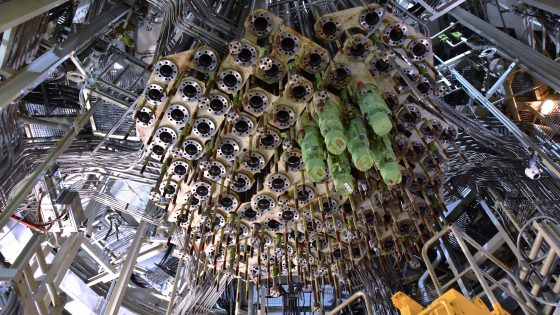
Further details on the Atomic Weapons Establishment’s Future Materials Campus confirm it as a core facility within a multi-year, multi‑billion‑pound infrastructure upgrade to support UK nuclear warhead research and lifecycle management. The FMC will concentrate advanced materials characterisation, high‑integrity manufacturing development and long‑term performance testing on a single secure site, reducing reliance on ageing dispersed laboratories. For civil and structural engineers, the scheme signals demand for heavily serviced, high‑specification laboratories and containment structures with stringent security, vibration control and resilience requirements.
A major gas leak in the Ladygrove area of Didcot, Oxfordshire forced suspension of GWR rail services between Reading and Swindon and long-distance trains routed through the corridor, as SGN engineers worked overnight to locate and make safe the affected main. Rail operations were halted while gas levels were monitored and exclusion zones maintained around the railway and nearby properties, with emergency access coordinated along the Didcot–Swindon line. The incident underlines the operational vulnerability of busy electrified main lines to third-party utility failures and the need for tightly managed rail–utility interfaces.
Strike action by uranium enrichment workers at Urenco’s Capenhurst nuclear site in Cheshire has been called off after management tabled an improved pay offer. The Capenhurst facility, which handles enrichment and deconversion operations for nuclear fuel supply, had faced potential disruption that could have affected maintenance schedules on critical process plant and associated civil infrastructure. Resolution of the dispute stabilises workforce availability for ongoing asset integrity work, including inspection, containment upgrades and long-term decommissioning planning.
Mental health in construction is being reframed as a shared duty across project teams, with particular concern for site-based staff working long shifts, irregular nights and high-pressure possession windows. Industry bodies such as the Institution of Civil Engineers and major contractors are expanding mental health first aider schemes, toolbox talks and confidential helplines alongside traditional safety briefings. For engineers, this means factoring psychological risk into CDM planning, site supervision and contract programming, not just physical hazards and productivity targets.
Trustee’s view on “Growing together” stresses that civil engineers and technicians must adapt their skills and professional standards to deliver resilient infrastructure under climate stress, ageing assets and tighter carbon targets. The piece focuses on supporting sustainable communities through better whole-life asset management, more collaborative project delivery and stronger links between design offices, site teams and local authorities. For practitioners, it signals continued emphasis on competence, ethics and ongoing training as core to managing risk and performance on complex infrastructure networks.
Hundreds of new apprentices have been recruited into UK infrastructure by firms including Thames Water, Amey and Spencer Group, signalling a push to rebuild site-based and technical capability. Intakes are focused on civil engineering, utilities and rail maintenance roles, feeding skills into long-term asset programmes such as water network upgrades and major highways frameworks. Contractors are likely to use the expanded apprentice cohorts to address ageing workforces and shortages in groundworks, structures and asset inspection competencies.
Network Rail will invest £13M over Christmas to replace 1960s overhead line equipment at Birmingham New Street station, targeting ageing gantries, contact wires and insulators that have become a major cause of unplanned power failures. Works will be concentrated in a tight blockade to minimise disruption on the West Coast Main Line, with staged isolations and temporary speed restrictions required as spans are rewired and new structures installed. For designers and contractors, the scheme signals continued priority for OLE resilience upgrades on intensively used, multi-track urban throats.
Balfour Beatty is advancing the £65M South East Pier Expansion (Sepex) at Edinburgh Airport, a landside–airside interface project expected to increase stand capacity and passenger processing space. The scheme will extend the existing pier structure to serve additional aircraft gates, requiring new foundations, service diversions and airfield pavement works within a live operational environment. For civil and geotechnical teams, key challenges will centre on phasing construction around runway and taxiway operations, managing ground risk adjacent to existing assets, and integrating new M&E and baggage systems into constrained terminal infrastructure.
Contracts have been awarded for five major Western Sydney road projects worth nearly $3 billion, jointly funded by the Australian Government and New South Wales Government to expand capacity on key corridors. Works include multiple intersection upgrades, new and duplicated carriageways, and improved local connectors feeding Western Sydney International Airport at Badgerys Creek. For designers and contractors, the programme signals sustained demand for high-capacity pavements, complex traffic staging, and airport-linked freight access geometry across the region’s arterial network.
Michael Caltabiano, Chief Executive Officer of the National Transport Research Organisation, outlines future priorities for Australian transport research, focusing on road safety, emerging vehicle and sensor technologies, and community expectations around network performance. He discusses how NTRO’s work on pavement materials, asset management and data-driven planning is feeding into long-term infrastructure strategies across state and local road networks. For engineers, the conversation signals growing emphasis on evidence-based design, whole-of-life asset performance and integrating new vehicle technologies into existing corridors.
A construction tender has opened to upgrade the Stuart Highway–Schwarz Crescent intersection in Alice Springs, targeting safer pedestrian movements between the eastern suburbs and the town centre and improving access to nearby schools and businesses. Works will realign Schwarz Crescent and reconfigure the intersection geometry to reduce conflict points between vehicles and crossing pedestrians. Civil contractors can expect typical urban arterial treatments, likely including new kerb alignments, signal and crossing upgrades, and drainage adjustments within a constrained existing corridor.
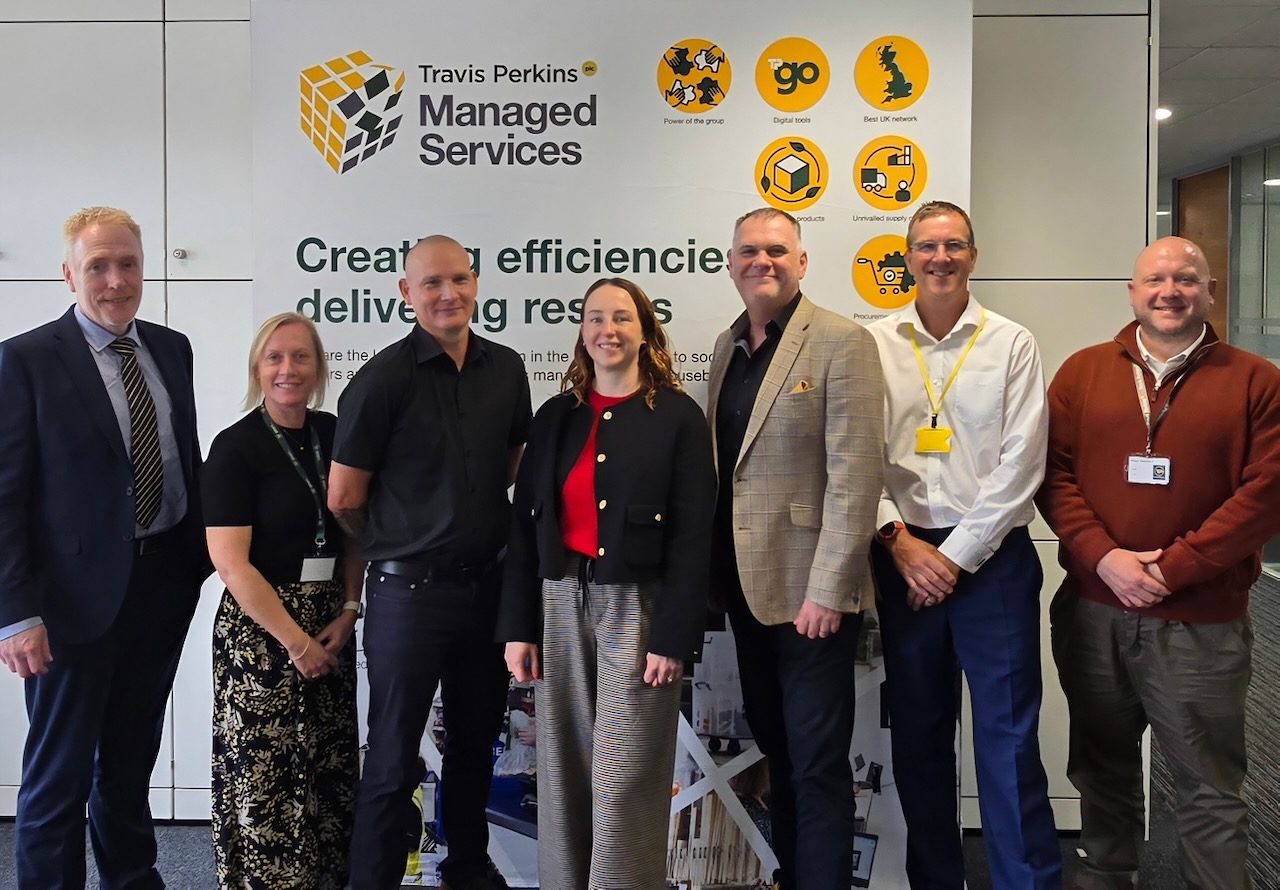
Travis Perkins Managed Services has secured a place on the Communities and Housing Investment Consortium’s Merchants and Materials framework until 2036, covering general construction, plumbing, hire and managed stores for social housing repair and maintenance. TPMS, which already serves over 180 housing associations and local authorities via Travis Perkins’ national branch network, will deploy dedicated branches, autonomous TPgo SelfServe units and its TPgo digital suite to support compliant, just‑in‑time materials supply. CHIC’s framework, restricted to its 350+ members and 1,500 supply chain partners, underpins asset management for 4.3 million UK homes.
Blue Sky Building has been appointed construction manager for the Barbican Renewal Programme, a major upgrade of the Grade II-listed arts complex and residential estate in the City of London. The works will focus on restoring the original architectural vision while supporting the City’s environmental targets, all delivered in a fully operational setting with residents, performance venues and public circulation remaining in use. Blue Sky’s selection leans on its track record managing complex refurbishments in live environments at the National Gallery, British Museum, Selfridges and United Kingdom House.
Severfield has created a new chief commercial officer role and appointed Terry Fitzmaurice to lead the structural steel group’s commercial, procurement and estimating functions across its UK and international projects. Fitzmaurice joins from Manchester Airports Group, where he was group procurement and contracts director, and previously held senior commercial roles at Mitie. Reporting directly to CEO Paul McNerney and working closely with CFO Andrew Page on strategy deployment, he is expected to tighten cost, contract and supply-chain control on complex steelwork packages.
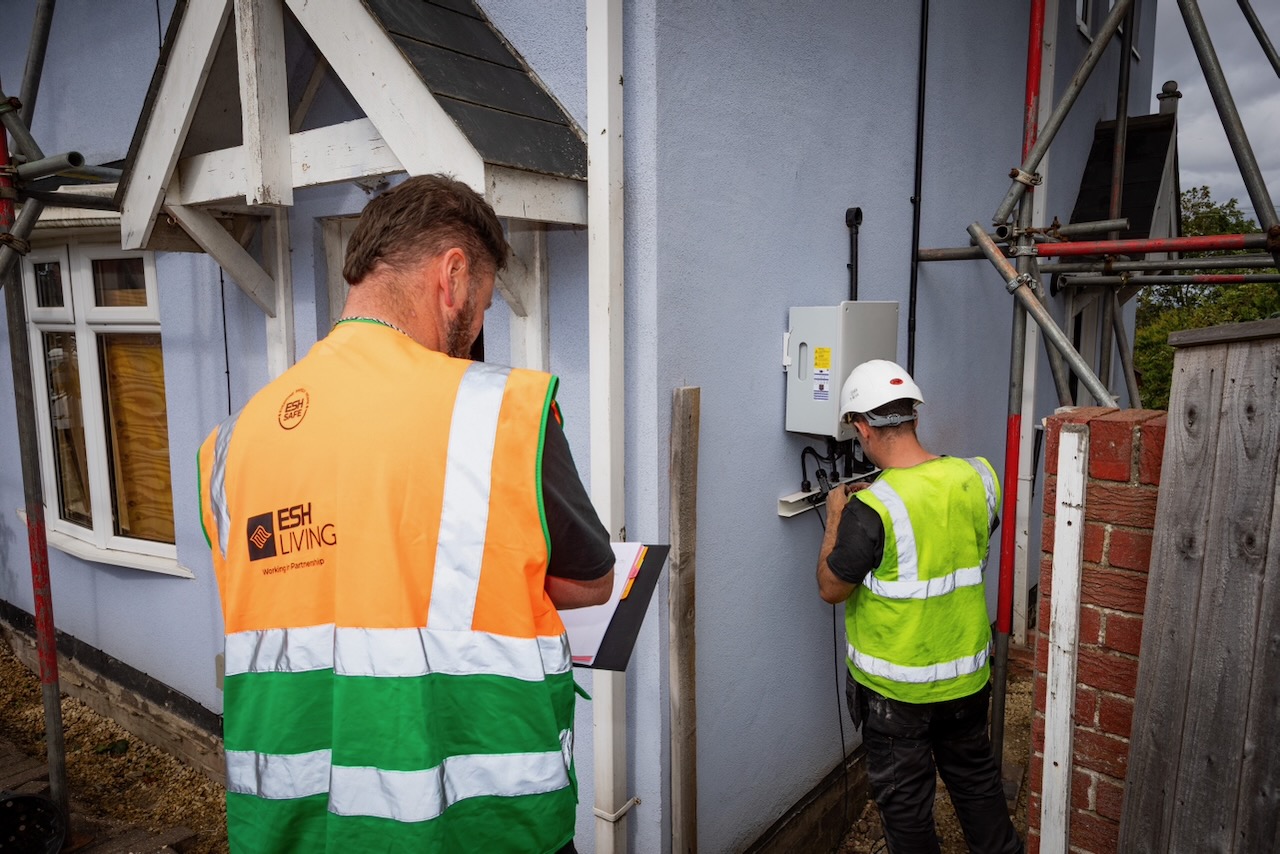
Esh Construction has secured a £2.5m Gateshead Council contract under the Warm Homes: Social Housing Fund Wave 3 to upgrade the energy performance of 82 homes over six months. Works include installing photovoltaic panels and ventilation measures to 70 bungalows and insulated flat roof upgrades to 12 flats, with retrofit designs informed by pre-construction technical surveys and updated EPC ratings. Storm Tempest has been appointed to deliver retrofit assessment, design and coordination in line with PAS retrofit standards, signalling structured, standards-led delivery for future social housing schemes.
Transport for London has appointed Costain under its Infrastructure Improvement Framework to deliver a design-and-build upgrade of South Kensington station, including step-free access and bringing a new dedicated eastbound Circle and District line platform into use by 2031. Works will integrate with a Native Land/Places for London joint venture, which has consent for a RSHP-designed around-station scheme adding 50 homes, refurbished retail and a four-storey “Bullnose” building fronting the station. Funding comes from TfL’s Business Plan, a £12m contribution from the Royal Borough of Kensington and Chelsea, and a separate 1851 Commission contribution.