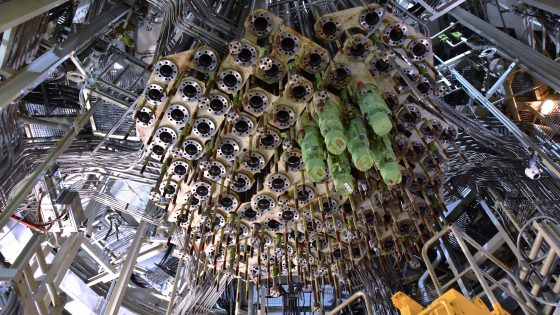
More than 200 Unite members at Urenco’s Capenhurst uranium enrichment plant in Cheshire have voted for strike action in a pay dispute, threatening disruption to one of the UK’s key nuclear fuel facilities. The site handles enrichment of uranium hexafluoride for nuclear power stations, so prolonged stoppages could affect maintenance schedules, safety-critical support services and future fuel supply planning. Civil and nuclear engineers involved in plant upgrades, decommissioning interfaces and regulatory inspections may face programme delays and resourcing uncertainty if strikes proceed.
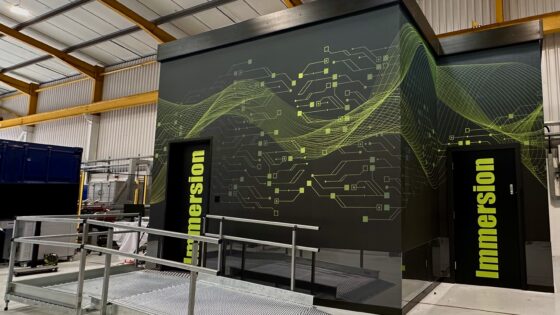
AtkinsRéalis, Sellafield Ltd and Igloo Vision have installed a 360° immersive visualisation suite at the Robotics and Artificial Intelligence Collaboration (RAICo1) facility in West Cumbria to plan complex nuclear decommissioning tasks. The dome-style environment allows engineers to rehearse remote handling, crane lifts and waste routeing at full scale using site laser scans and BIM models, before work starts in high-radiation cells. This setup is expected to de-risk sequencing, clash detection and access planning on legacy Sellafield structures where physical mock-ups would be costly or impractical.
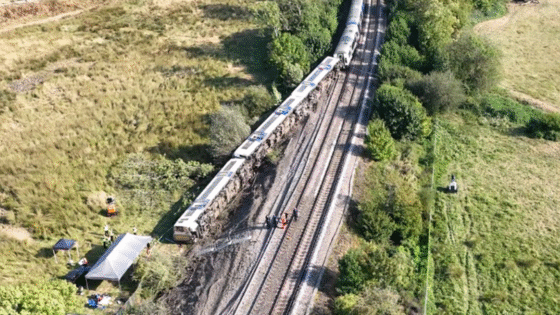
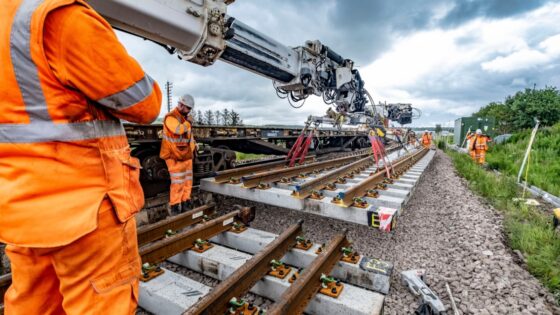
A preliminary Rail Accident Investigation Branch report into last week’s Lewes train derailment confirms the inquiry is still examining whether high rail temperatures and associated track behaviour contributed to the incident. Investigators are assessing rail stress management, track geometry and maintenance records on the affected section, alongside train speed, wheel–rail interaction and signalling data. For infrastructure engineers, the case will be closely watched for any implications for hot-weather rail stressing regimes, continuous welded rail design margins and inspection protocols during heat events.
Two derailments within 24 hours at Lewes and Wickford are “very unusual” events and do not mean Britain’s railway is at a “tipping point”, according to DfT rail minister Lord Peter Hendy. He pointed to Network Rail’s ongoing asset renewals and climate resilience work, including targeted track renewals and drainage upgrades, as the primary defence against failures on ageing infrastructure. For engineers, the incidents reinforce scrutiny on track condition monitoring, earthwork stability and water management under more frequent extreme weather.
Wilem Frischmann, the structural engineer behind London’s 34-storey Centre Point tower, has died aged 95, prompting tributes from across the UK engineering community. As former chairman of Pell Frischmann, he led designs for several landmark concrete and steel-framed buildings that pushed high-rise construction techniques in central London from the 1960s onwards. His work on early tall-building cores, lateral stability systems and complex urban foundations is widely credited with influencing subsequent high-rise practice in the capital.
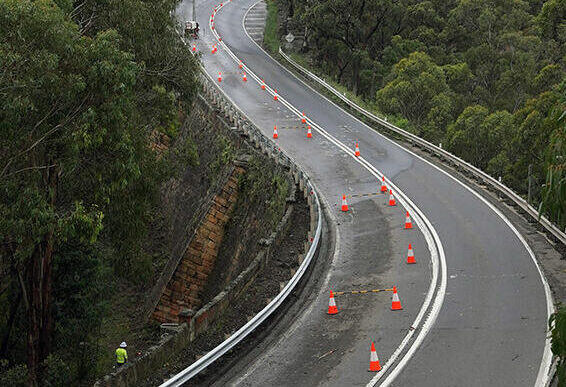
A joint $100 million commitment from the Federal and New South Wales Governments will fund rebuilding and “future‑proofing” of the Great Western Highway at Victoria Pass, where Mitchell’s Causeway and the pass have been closed since March due to serious cracking and ground movement. The package includes $50 million already announced for upgrading key detour routes, which have been carrying diverted heavy vehicles and commuter traffic. Transport for NSW has entered an alliance contract with engineering partners to design and deliver stabilisation and reconstruction works on this critical Blue Mountains freight and tourism corridor.
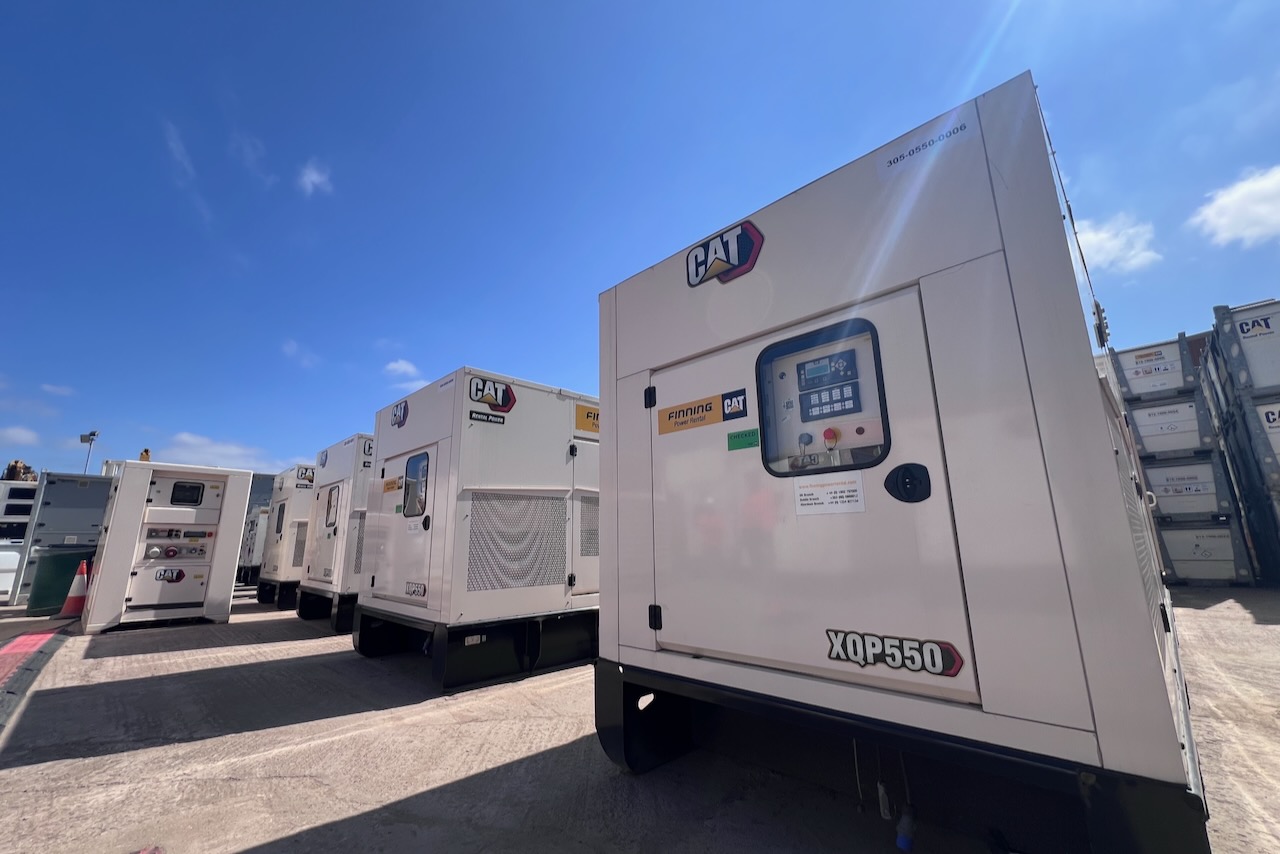
Finning Power has opened a new depot in Ashford, Kent, to provide Caterpillar power generation equipment and service support closer to London and South East infrastructure projects than is possible from its Cannock, Staffordshire, headquarters. The Ashford site will act as a regional hub for temporary and standby power, including diesel and gas generator sets, loadbanks and associated switchgear, reducing mobilisation times for construction, tunnelling and rail works. For contractors and plant hirers, nearer depot coverage should cut response times for breakdowns and planned maintenance on critical power systems.
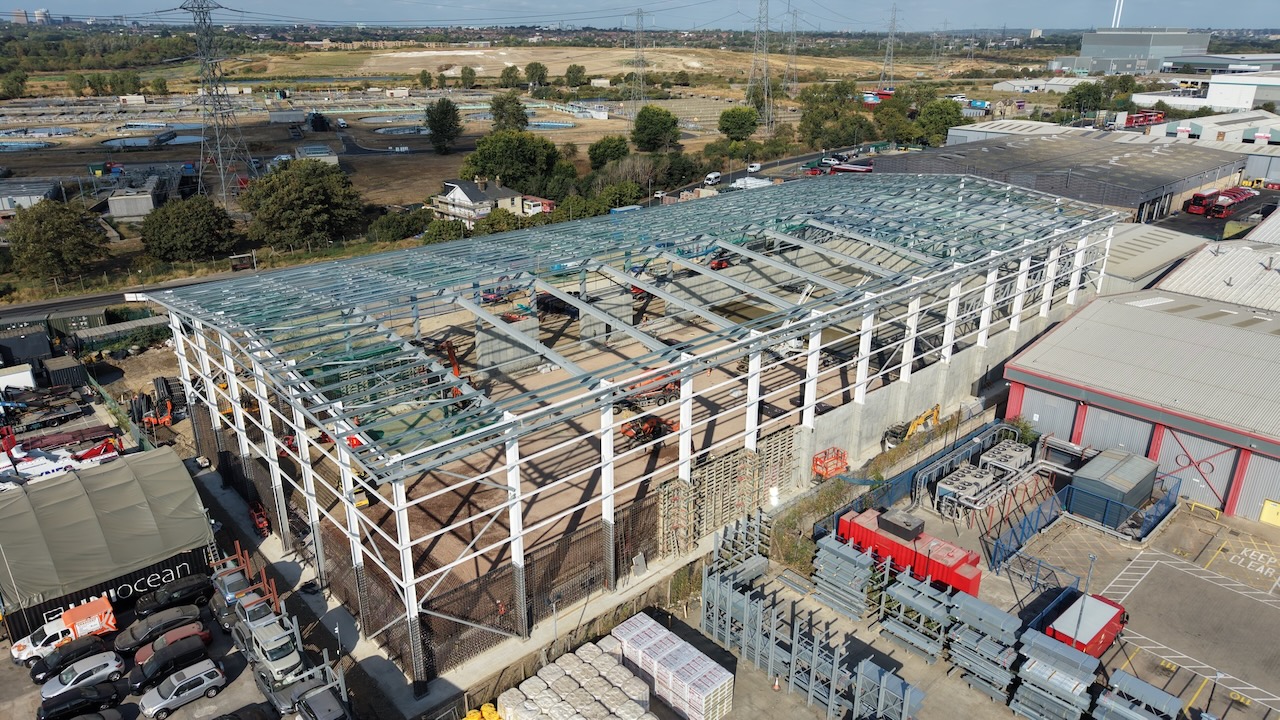
Structural steelwork is nearing completion on Powerday’s new Croydon materials recycling facility, which will be fitted out with processing equipment supplied by Turmec. The MRF is scheduled to open in April 2027, providing additional sorting and recovery capacity for construction and commercial waste in south London. For civil and structural teams, the programme suggests imminent transition from primary steel erection to cladding, services integration and installation of heavy mechanical plant.
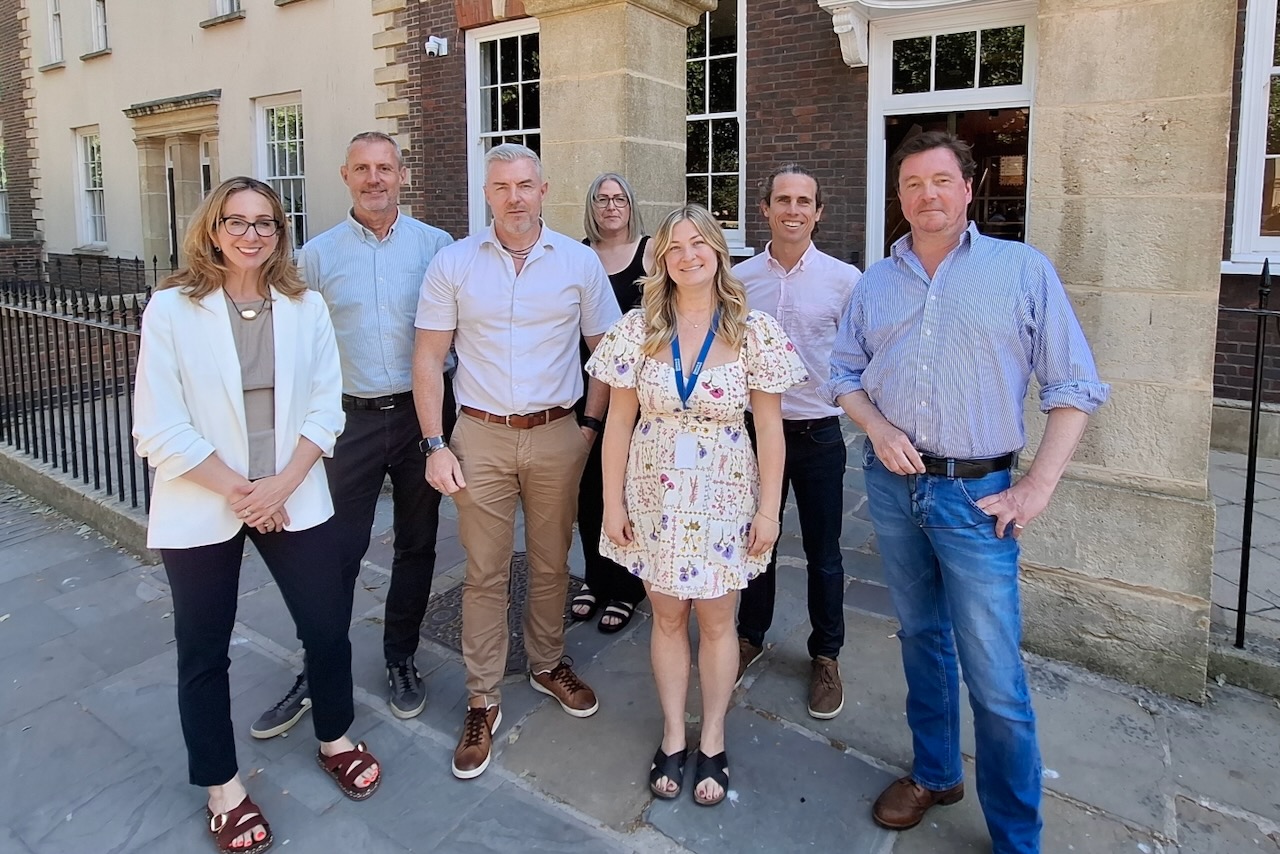
Drees & Sommer UK has opened a permanent office in Queen Square, Bristol, partnering with flexible workspace provider Runway East to anchor a growing local team. The Bristol office will deliver full consultancy services including project and cost management, technical due diligence, building surveying, digital/BIM advisory, sustainability consulting and Building Safety Act Principal Designer roles for both new-build and existing assets. The firm is targeting sectors prominent in the South West—advanced manufacturing, aerospace, defence, battery technology, life sciences, digital and clean tech—amid strong inward investment and a buoyant residential and mixed-use pipeline.
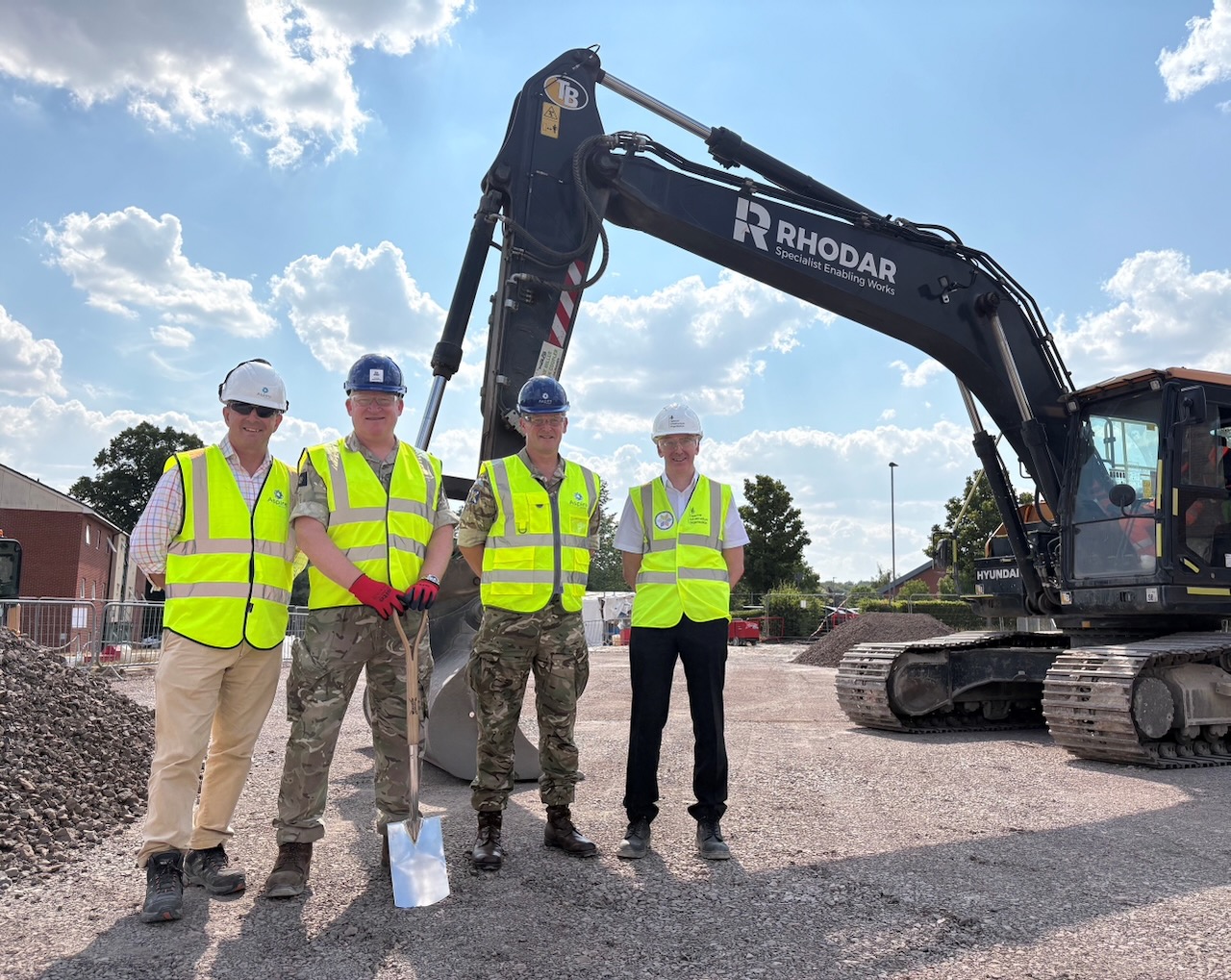
Vistry’s Riverside and Countryside Partnerships has broken ground on the second phase of a 275‑home mixed‑tenure scheme in Bromley, south‑east London. The phase includes 32 social rent homes, with existing tenants retained on the same rent levels and tenancy terms, avoiding decant to off‑site temporary accommodation. For project teams, the key delivery issue will be phasing construction and utilities around occupied units while maintaining access, safety zones and service continuity on a relatively dense urban housing site.
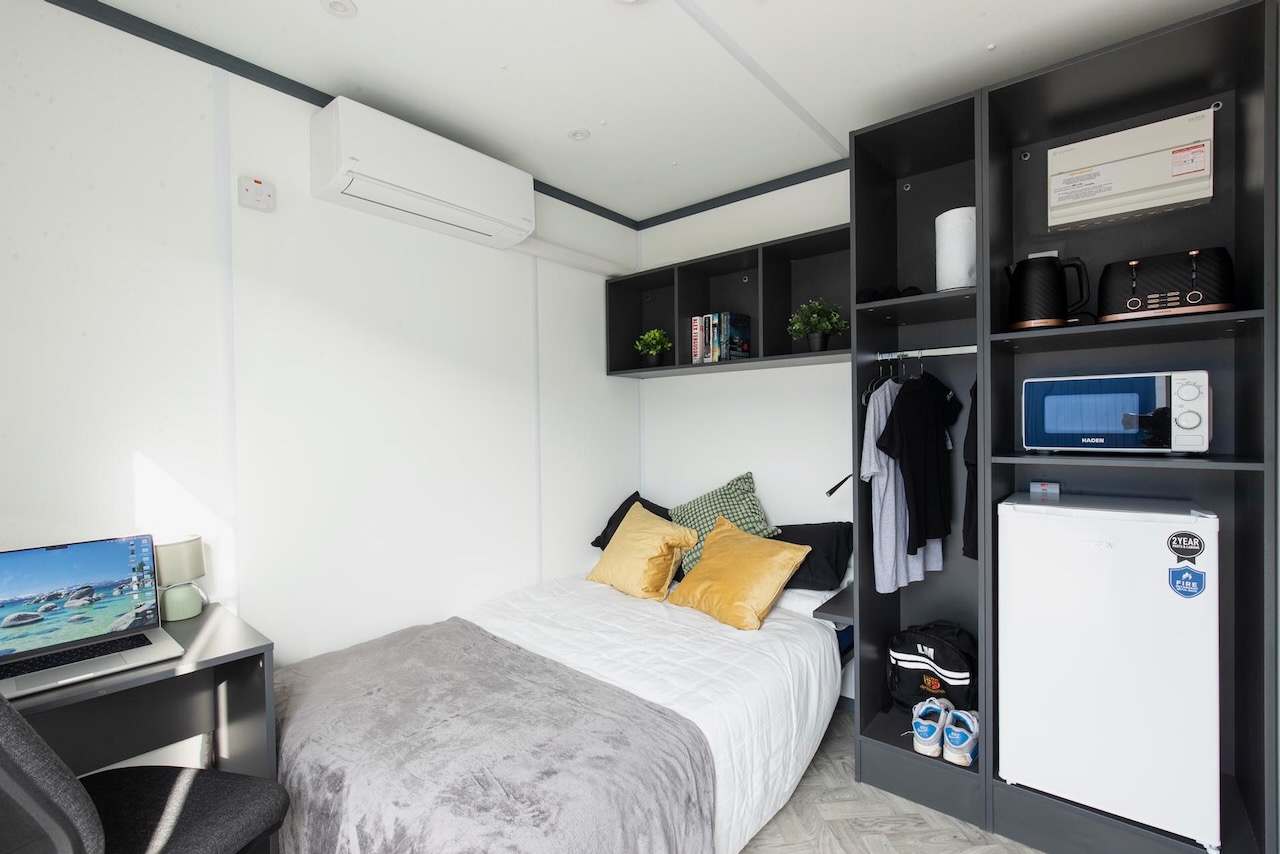
Wernick has launched its RestPod modular unit as an upgraded form of site accommodation, aimed at small teams working early-phase projects in remote or isolated locations. The RestPod is designed to provide home- or hotel-like comfort levels, going beyond basic welfare cabins typically used on UK construction and infrastructure sites. For geotechnical and civils contractors mobilising to greenfield or linear sites with limited local facilities, the units could reduce reliance on long daily commutes or temporary off-site lodging.
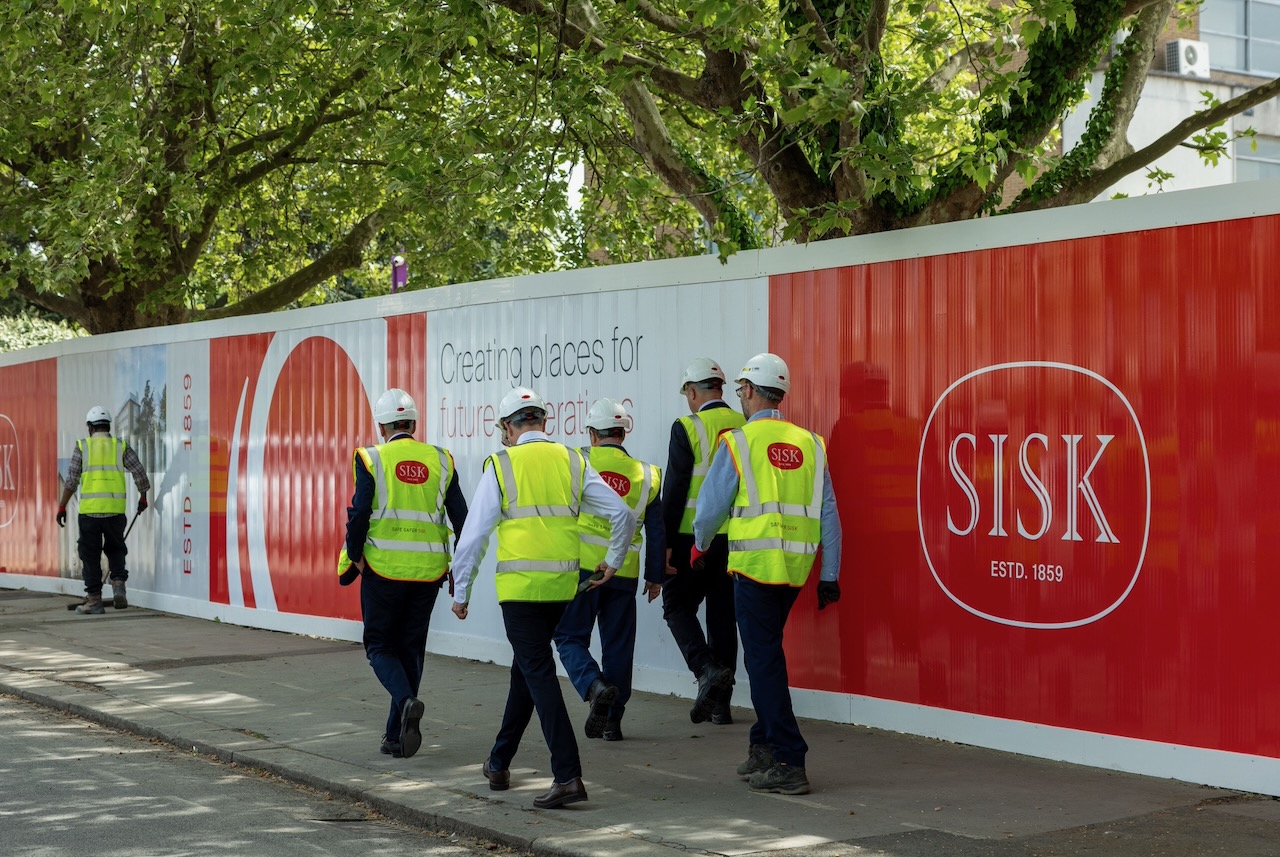
Sicon Limited, parent of John Sisk & Son’s construction businesses, reported 2025 profit before tax up 27.7% to €74.2m, with UK turnover growth offsetting declines in Ireland and Europe. The figures suggest stronger workload and margin resilience in the UK infrastructure and building markets, while continental operations remain under pressure. Contractors and consultants bidding with Sisk in the UK can expect continued capacity and competitive pricing, whereas Irish and European pipelines may tighten as the group rebalances its regional portfolio.
Kier Infrastructure’s managing director for rail and aviation, Mandy Duncan, and Arcadis’ senior account director for HS2, Jonathan Sharrock, have been appointed to the High Speed Rail Group board as the body sharpens its focus on practical delivery of UK high-speed schemes. Duncan brings cross-sector major project experience in rail, aviation, water and nuclear, including supply chain strengthening and long-term skills retention. Sharrock adds 13 years at the Department for Transport plus current responsibility for Britain’s largest infrastructure project, aimed at shaping “efficient and affordable” next‑generation rail investment beyond HS2.
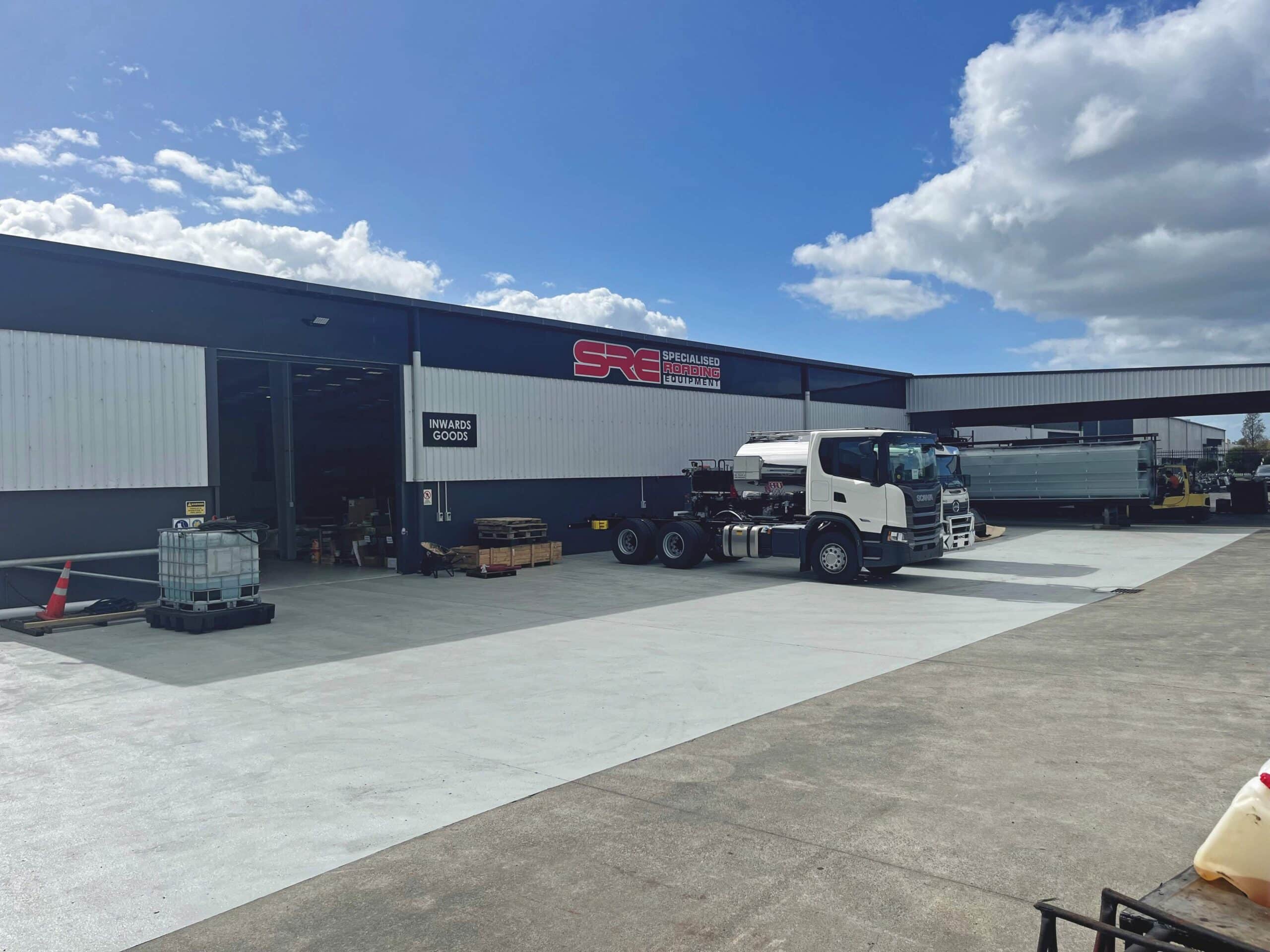
Specialised Roading Equipment (SRE) is repositioning from a niche road maintenance plant supplier to a broader industry player, using in-house design and fabrication of spray seal and stabilisation machinery tailored to local council and contractor needs. Two long-serving employees now lead product development and customer support, drawing on field experience with chip spreaders, bitumen sprayers and emulsion systems to refine equipment layout, control interfaces and maintenance access. The focus on locally staffed teams and long-term client relationships is shaping incremental design changes rather than wholesale platform overhauls.
A £202M government-backed guarantee from the UK’s National Wealth Fund will finance expansion of DataVita’s existing DV1 facility and construction of the new DV3 data centre in North Lanarkshire, targeting Tier III-level resilience and high-density compute loads. The investment is expected to support large-scale cloud and AI workloads, driving demand for high-capacity power connections, enhanced cooling infrastructure and resilient fibre links. For civil and geotechnical teams, the scheme signals continued growth of hyperscale-style data infrastructure in Scotland, with associated grid, foundation and thermal management challenges.
Network Rail will deliver a £7.1M upgrade package on the East Coast Main Line between Newcastle and Scotland over three weekend possessions, concentrating works into short blockades to avoid extended weekday disruption. The programme is expected to bundle track renewals, signalling adjustments and structures maintenance, allowing heavy plant access to constrained corridors while keeping long-distance passenger and freight paths largely available midweek. Contractors and designers should anticipate tight possession windows, intensive pre-fabrication and rigorous access planning around high-speed, mixed-traffic operations.
Canadian Prime Minister Mark Carney has announced a C$10 billion plan to expand the Churchill Falls hydroelectric station in Labrador, nearly tripling its output and adding the Gull Island project plus over 600 km of new transmission to Quebec. Ottawa says the transmission build-out is intended to power mining in the Labrador Trough, with Natural Resources Canada’s First and Last Mile Fund providing C$2.3 million for a study on lines and substations to Labrador West. The work targets supply to the Kami iron ore project, the Lac Knife graphite deposit and other regional developments.
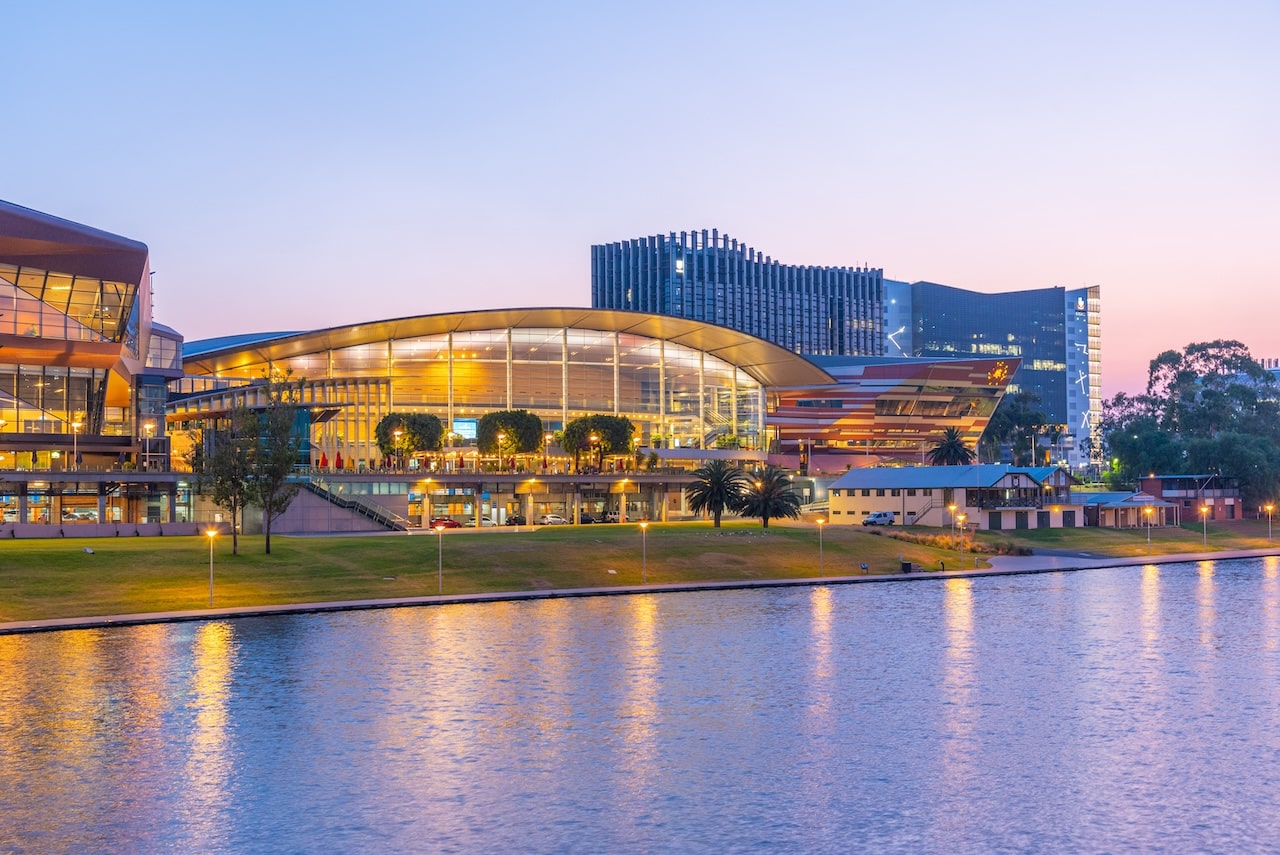
South Australia’s $15.4 billion River Torrens to Darlington (T2D) motorway project will have all three large-scale tunnel boring machines (TBMs) operational this week, with TBMs Catherine and Elizabeth about to start excavating alongside the already-boring TBM. The machines will drive parallel road tunnels beneath Adelaide’s inner south-west, forming the final missing link of the 78-kilometre North-South Corridor. Concurrent TBM operation will compress the tunnelling schedule and intensify demands on spoil handling, segment supply logistics and ground monitoring.
Downer EDI has secured more than $900 million in renewals and extensions for water, electrical and broader utility infrastructure contracts across Australia and New Zealand, covering long-term delivery and maintenance services. The portfolio spans power distribution and water network assets, signalling continued outsourcing of essential network operations to a single tier-one provider. Contractors and consultants can expect sustained demand for civil, electrical and pipeline works, condition assessment, and long-horizon asset management across multiple jurisdictions under Downer’s existing frameworks.
Three consortia led by major contractors have been shortlisted by the High Speed Rail Authority for the first works packages on the proposed Newcastle–Sydney High Speed Rail corridor, designed to cut rail journey times between the two cities to about one hour. The packages will cover early corridor, geotechnical and enabling works for a dedicated high-speed alignment, separate from the existing Main North line. Shortlisting signals the move into detailed design and constructability planning for Australia’s first true high-speed rail system.
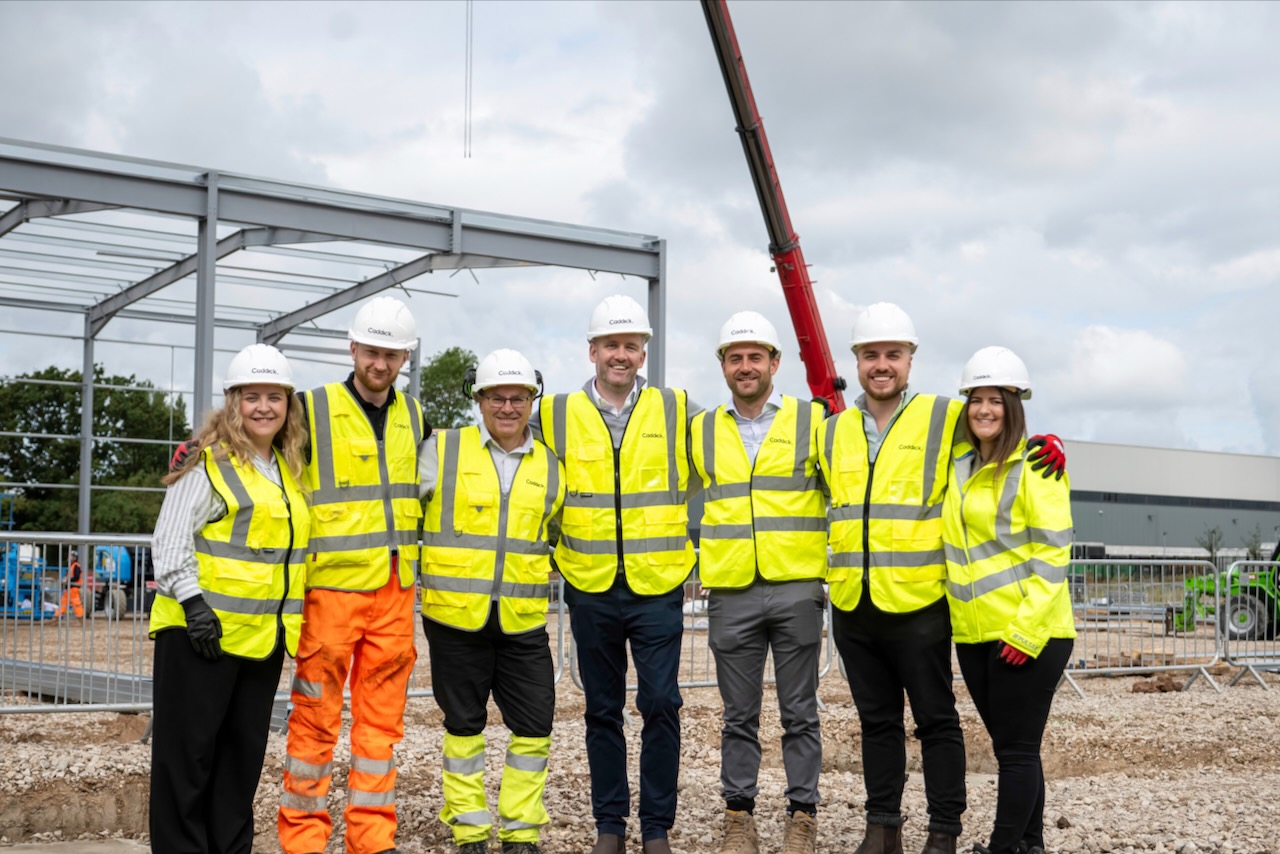
Steel erection is under way on Caddick Construction’s second phase at Farington Park, Leyland, delivering four detached industrial units totalling 96,000 sq ft, with individual footprints from 14,750 sq ft to 33,000 sq ft and targeting BREEAM Excellent and EPC A. The scheme follows a 544,000 sq ft first phase completed in 2023 that now houses Victorian Plumbing’s north west logistics hub. Around £1m has been invested in a seven-acre park, de-culverting a nearby river, Leyland Loop cycleway works, upgraded rights of way, outdoor gym kit, cycle storage and EV charging.
Wates Construction has appointed former Willmott Dixon COO (interiors) and ex-southern region MD Roger Forsdyke as UK operations director, effective 1 September 2026. He will lead operational teams across all regions and be accountable for operational performance across the UK business, including delivery of complex, high-value public and private sector projects. Forsdyke will also champion the next phase of Wates’ business optimisation programme, signalling continued investment in process, leadership and delivery capability for large-scale infrastructure and building schemes.
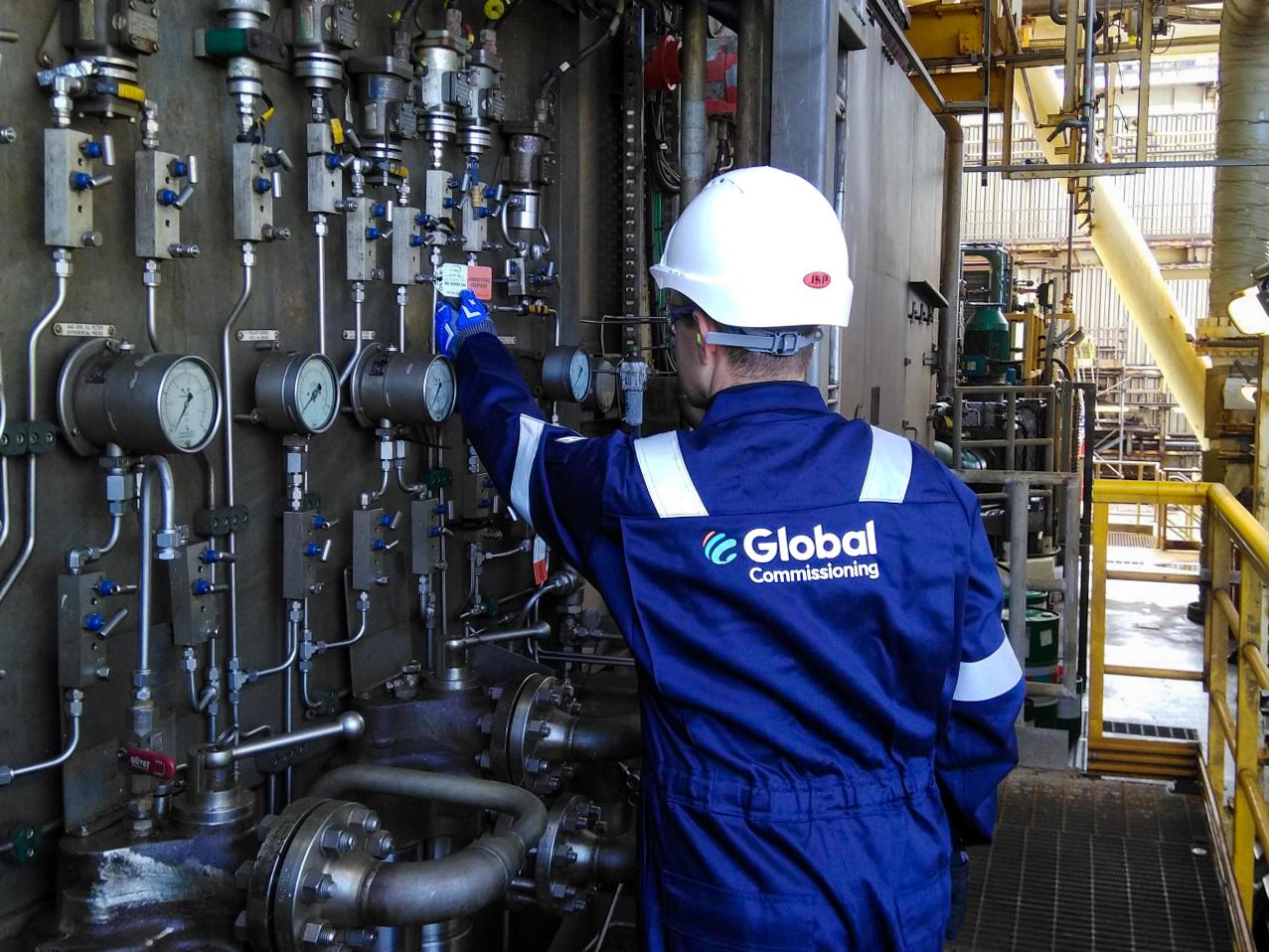
Energy infrastructure specialist Global has launched Global Commissioning as a dedicated service unit, led by newly appointed director Ben Rushton. Rushton is pushing for commissioning plans, test procedures and resourcing to be defined at tender stage rather than left to the final phase of grid, generation and substation projects. The move signals tighter integration of commissioning into EPC workflows, with potential impacts on programme risk, interface management and performance verification for complex high-voltage and energy transition assets.
SCAPE has launched an £8.5bn, two-lot UK framework for defence and complex environment construction, targeting highly secure projects such as military bases, critical national infrastructure and sensitive research facilities. The framework will cover new-build, refurbishment and infrastructure works under stringent security and access controls, with call-off projects expected to demand robust blast-resistant design, hardened perimeters and tightly managed supply chains. Civil and geotechnical teams should anticipate complex ground conditions around existing assets, constrained working areas and elevated requirements for data security and vetting.
Geomechanics, Streamlined.
© 2026 Geomechanics.io. All rights reserved.