Vistry Bromley phase two: phasing, access and safety lessons for project teams
Reviewed by Tom Sullivan
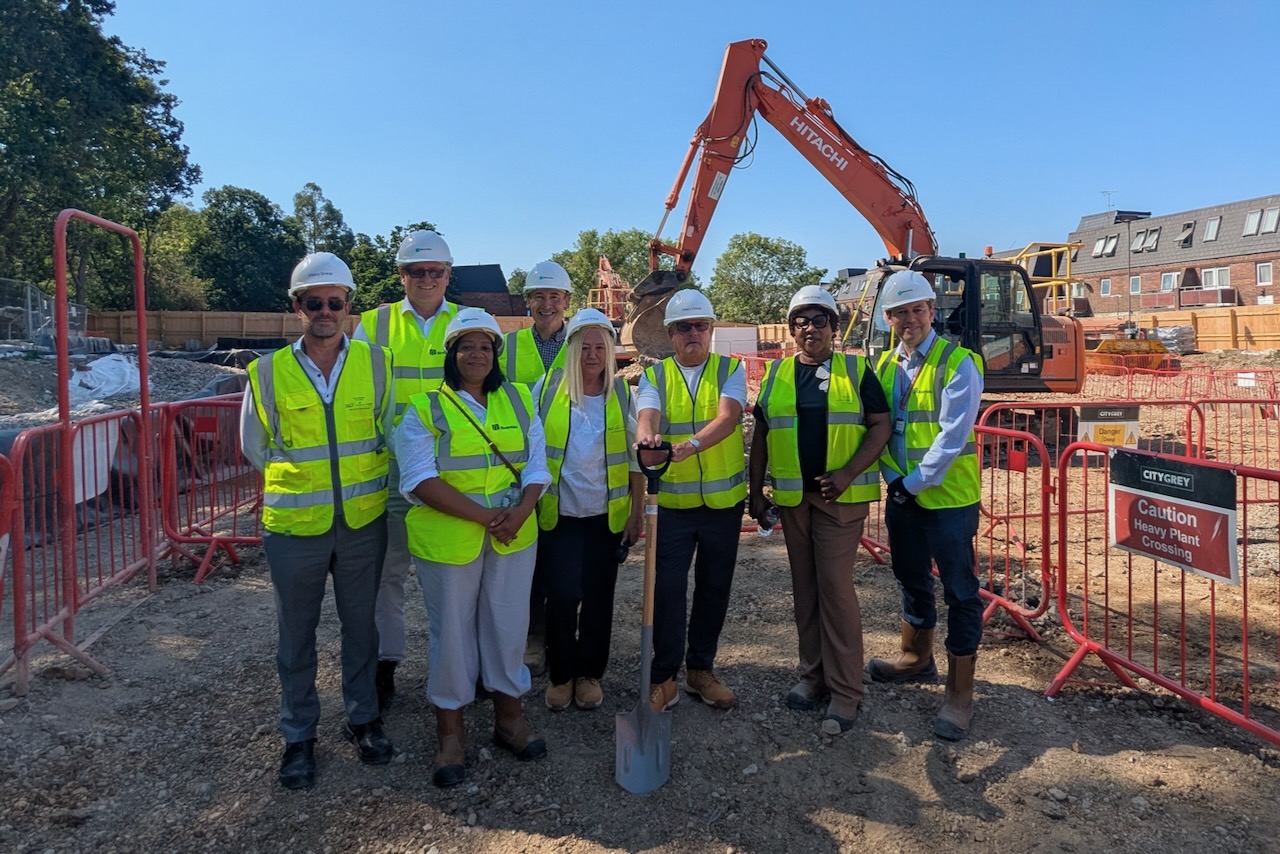
First reported on The Construction Index
30 Second Briefing
Vistry’s Riverside and Countryside Partnerships has broken ground on the second phase of a 275‑home mixed‑tenure scheme in Bromley, south‑east London. The phase includes 32 social rent homes, with existing tenants retained on the same rent levels and tenancy terms, avoiding decant to off‑site temporary accommodation. For project teams, the key delivery issue will be phasing construction and utilities around occupied units while maintaining access, safety zones and service continuity on a relatively dense urban housing site.
Technical Brief
- Mixed-tenure layout will require segregated construction and public zones with robust temporary hoarding lines.
- Occupied homes on site imply CDM 2015 client and principal contractor duties are unusually complex.
- Construction traffic management must separate HGV movements from residential pedestrian routes within a constrained estate road network.
- Live utilities to existing dwellings will necessitate staged isolations, hot works permits and detailed switching plans.
- Noise, dust and vibration controls must meet residential thresholds, demanding tight monitoring and adaptive method statements.
- Fire safety strategy needs maintained egress routes for residents during works, with clearly signed alternative escape paths.
- Site induction and toolbox talks will have to address resident interface risks, including children entering work areas.
Our Take
Vistry’s move to a 275‑home mixed‑tenure scheme in Bromley comes shortly after guidance of a £30m pre‑tax loss in H1 2026, so progressing this second phase signals that affordable and partnership-led housing in London remains a core volume driver despite margin pressure.
With only 32 homes for social rent in this phase, Bromley sits at the lower end of the fully affordable schemes seen elsewhere in our infrastructure coverage, implying Riverside and Countryside Partnerships are balancing Section 106 obligations against viability constraints in a high‑cost London borough.
Vistry’s use of on‑site materials reprocessing at its 1,500‑home Fordham project with OCL Regeneration suggests that, if similar approaches are adopted in Bromley, the scheme could reduce lorry movements and safety interfaces on constrained London streets—an increasingly common theme in our safety‑tagged UK housing pieces.
Prepared by collating external sources, AI-assisted tools, and Geomechanics.io’s proprietary mining database, then reviewed for technical accuracy & edited by our geotechnical team.
Related Articles


Related Industries & Products
Construction
Quality control software for construction companies with material testing, batch tracking, and compliance management.
Mining
Geotechnical software solutions for mining operations including CMRR analysis, hydrogeological testing, and data management.
QCDB-io
Comprehensive quality control database for manufacturing, tunnelling, and civil construction with UCS testing, PSD analysis, and grout mix design management.