Willmott Dixon Cranleigh leisure centre: capex, energy and design notes for engineers
Reviewed by Tom Sullivan
First reported on The Construction Index
30 Second Briefing
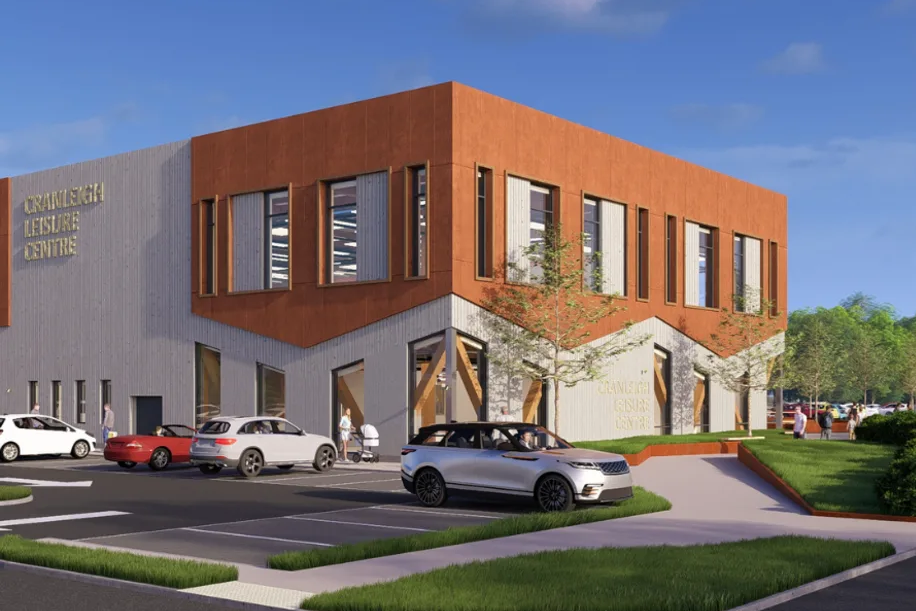
Waverley Borough Council has approved a revised £36m budget, including an extra £4.9m, for Willmott Dixon to deliver a new Passivhaus‑certified leisure centre in Cranleigh by winter 2027. Designed to replace the 1969, high‑energy facility, the building is expected to use about 60% less energy per square metre and cut operational carbon emissions by roughly 75%. The design includes upgraded air‑handling and latest‑generation pool microfiltration, with most cost escalation attributed to rising materials and services prices despite prior inflation allowances.
Technical Brief
- Additional £4.9m approved on 3rd March to maintain agreed Passivhaus specification and facility mix.
- Willmott Dixon confirmed as preferred construction contractor, moving the scheme into pre-construction and detailed design.
- Current 1969-built centre deemed beyond design life, implying structural, M&E and fabric replacement rather than refurbishment.
- New building will be one of only four Passivhaus-certified leisure centres in the UK, indicating atypically tight envelope performance for a pool hall.
- Latest-generation pool microfiltration plant specified to improve water clarity and reduce chemical dosing.
- Most budget uplift attributed to recent spikes in construction materials and building services costs, despite prior inflation allowances.
Our Take
Among the 730 Infrastructure stories in our database, only a small subset combine Passivhaus standards with large wet-side leisure facilities, so Cranleigh leisure centre positions Willmott Dixon at the leading edge of complex low-energy public buildings in the UK.
The move by Waverley Borough Council to accept a £4.9m uplift specifically for Passivhaus and facility mix suggests that UK local authorities are increasingly willing to ring‑fence capital for operational carbon savings of 60–75%, rather than relying solely on incremental refurbishments of 1960s-era stock.
Being one of only four Passivhaus-certified leisure centres nationally gives this project outsized demonstration value; if performance targets are met by winter 2027, it is likely to become a reference case for other councils procuring next‑generation pools and sports hubs.
Prepared by collating external sources, AI-assisted tools, and Geomechanics.io’s proprietary mining database, then reviewed for technical accuracy & edited by our geotechnical team.


