Wales long-term rail plan and £14bn pipeline: delivery outlook for engineers
Reviewed by Joe Ashwell
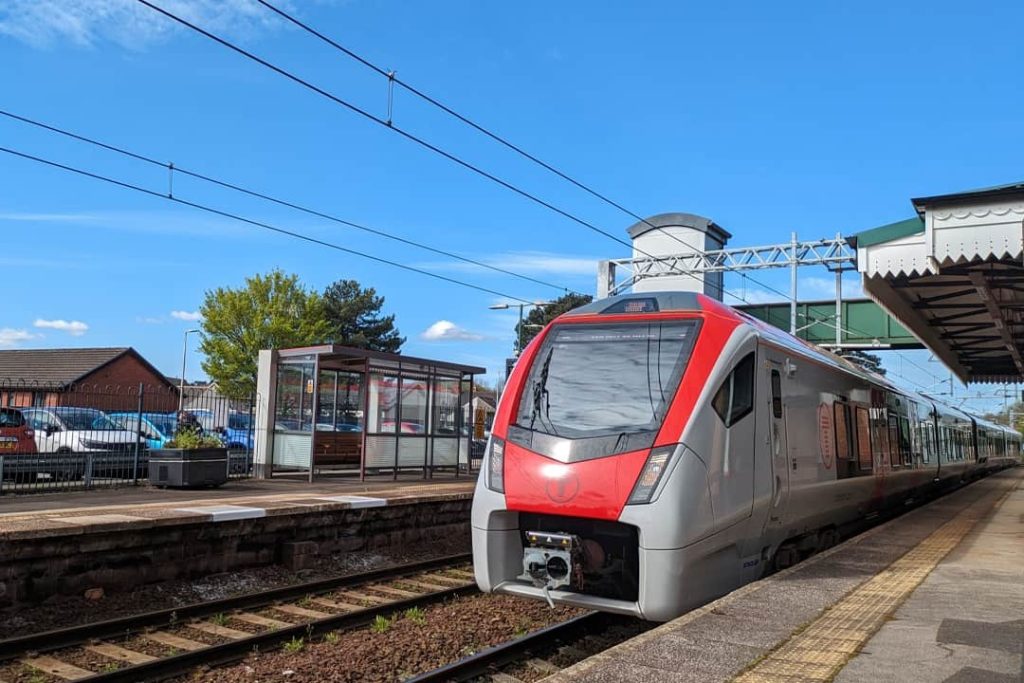
First reported on New Civil Engineer
30 Second Briefing
Government and Welsh ministers have endorsed Transport for Wales’ long-term rail vision, outlining a pipeline of upgrades worth up to £14bn and including seven new stations across the network. The programme is intended to increase passenger capacity on key inter-urban corridors, support higher service frequencies, and enable transit-oriented housing and commercial schemes around new and existing hubs. For civil and rail engineers, the plan signals sustained demand for track renewals, station structures, earthworks and associated utilities over a multi-decade delivery window.
Technical Brief
- Officials state programme intent to “support thousands of jobs”, implying substantial sustained demand for rail and civil works.
- Housing and business development unlock is tied to rail upgrades, signalling coordinated land-use and transport planning.
- New and upgraded stations expected to act as hubs for higher-density, mixed-use schemes around rail corridors.
- TfW’s vision provides a single strategic pipeline, giving contractors clearer forward visibility for design and construction resourcing.
- For other regional rail networks, this model illustrates a combined government–operator long-horizon pipeline approach.
Our Take
Within our 730 Infrastructure stories, Wales appears far less frequently than English city-region rail schemes, so a £14bn pipeline signals a rare concentration of long-term transport spend in this part of the United Kingdom.
For Transport for Wales, a programme-scale plan with seven new stations creates enough volume to standardise design, procurement and digital systems, which typically lowers lifecycle costs and simplifies future upgrades such as ETCS or AI-assisted traffic management.
Tagging under Sustainability suggests these Welsh rail works are likely to be used as a reference case in our database for low‑carbon regional mobility, which can strengthen the business case for parallel decarbonisation projects in smaller UK regions seeking Treasury backing.
Prepared by collating external sources, AI-assisted tools, and Geomechanics.io’s proprietary mining database, then reviewed for technical accuracy & edited by our geotechnical team.


