United States Antimony Montana restart: integrated supply and design notes for engineers
Reviewed by Tom Sullivan
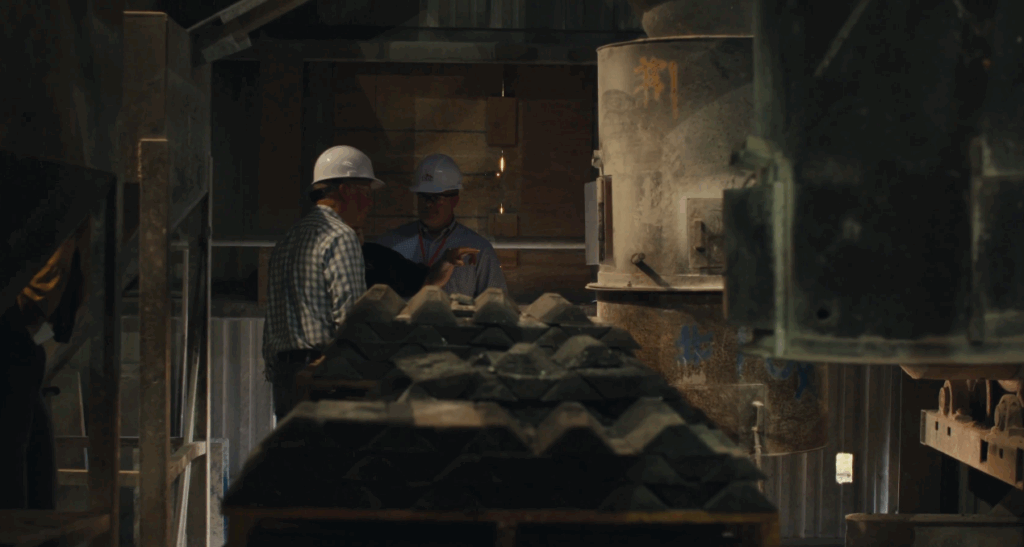
First reported on MINING.com
30 Second Briefing
United States Antimony Corp. has restarted mining at its Stibnite Hill property in Montana after a near five‑month weather-related halt, resuming ore supply to its Radersburg flotation mill and Thompson Falls smelter, the only antimony smelter in the US. The integrated route can currently produce about 15 million lb/year of antimony oxide or 5 million lb/year of antimony metal, with expansion underway and early test work suggesting the ore can be upgraded to meet military specifications. The 2026 programme adds on-site chipping for mulch-based concurrent reclamation and GPS base stations on adjacent peaks to improve vein mapping on strike and down dip.
Technical Brief
- Ore from Stibnite Hill is processed to antimony concentrates at Radersburg, then hauled to the Thompson Falls smelter for final refining.
- Thompson Falls is currently the only operating antimony smelter in the United States, with Madero the only other in North America.
- Stibnite Hill is a brownfield antimony mine, previously operated for about 15 years from the late 1960s to early 1980s.
- Early metallurgical indications suggest the Stibnite Hill ore can be upgraded to meet specific US military antimony specifications.
- Brush and small branches will be chipped on site to produce mulch for concurrent reclamation and faster re-vegetation.
- Planned GPS base stations on adjacent mountain tops will support portable data collectors for precise vein intercept mapping on strike and down dip.
- Antimony products from Thompson Falls target defence-related uses including flame-retardant fabrics, communications equipment, night-vision systems, ammunition and laser sighting components.
Our Take
With Canada’s Beaver Brook antimony mine still on care and maintenance under China Minmetals, USAC’s restart at Stibnite Hill in Montana positions the United States as one of the few North American jurisdictions moving primary antimony supply back into production.
The Thompson Falls smelter’s 15‑million‑lb/year antimony oxide and 5‑million‑lb/year metal capacities, combined with the planned hydrometallurgical plant in Idaho reported on 10 February 2026, suggest US Antimony is building a flexible, multi‑feed processing network rather than relying solely on ore from Montana.
Prepared by collating external sources, AI-assisted tools, and Geomechanics.io’s proprietary mining database, then reviewed for technical accuracy & edited by our geotechnical team.
Related Articles


Related Industries & Products
Mining
Geotechnical software solutions for mining operations including CMRR analysis, hydrogeological testing, and data management.
Construction
Quality control software for construction companies with material testing, batch tracking, and compliance management.
CMRR-io
Streamline coal mine roof stability assessments with our cloud-based CMRR software featuring automated calculations, multi-scenario analysis, and collaborative workflows.
HYDROGEO-io
Comprehensive hydrogeological testing platform for managing, analysing, and reporting on packer tests, lugeon values, and hydraulic conductivity assessments.
GEODB-io
Centralised geotechnical data management solution for storing, accessing, and analysing all your site investigation and material testing data.