The heart of a fire suppression system: control panel design notes for mine engineers
Reviewed by Tom Sullivan
First reported on Australian Mining
30 Second Briefing
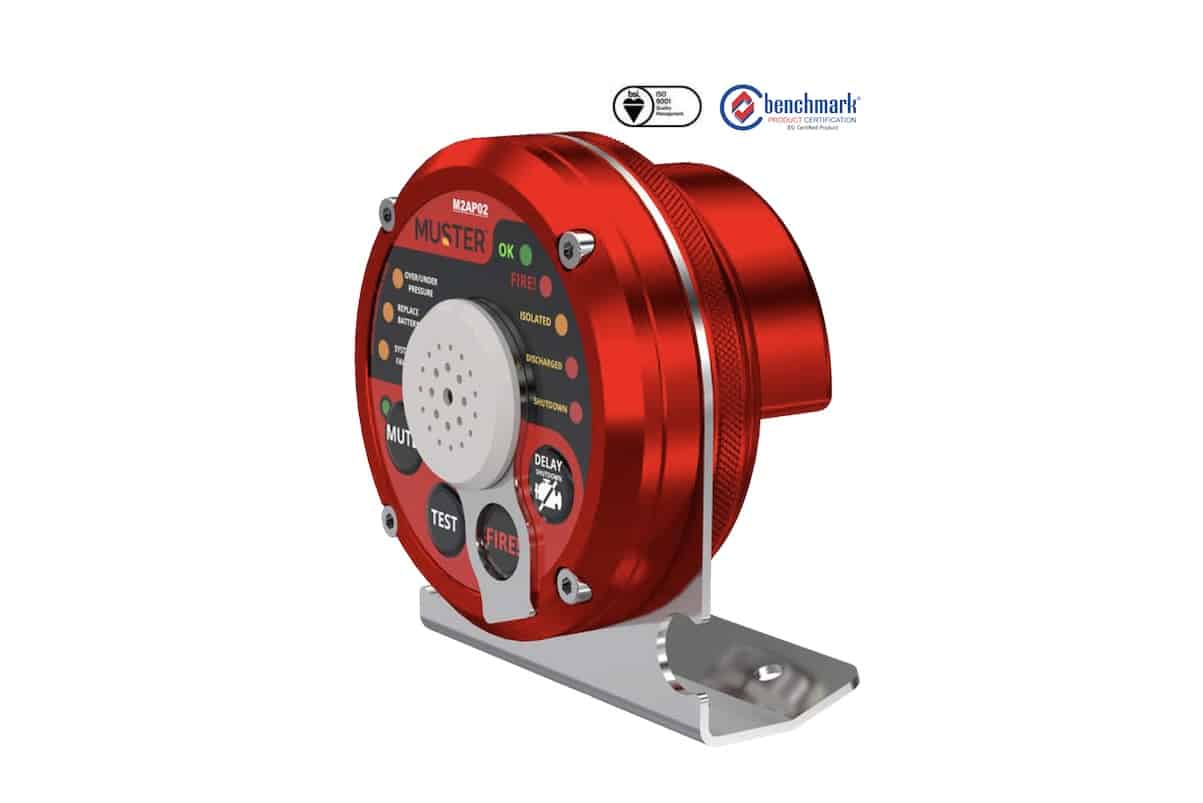
Mobile fire suppression systems on mining fleets rely on control panels that continuously monitor cylinder pressure, detection line integrity and power supply status rather than just the visible cylinders, nozzles and hoses. Muster’s latest panels integrate self-diagnostics, event logging and real-time fault alarms to the operator cabin or remote control room, reducing the risk of undetected isolation valves, discharged cylinders or damaged detection circuits. For engineers, correct panel specification, wiring protection and environmental sealing are now as critical as agent selection and nozzle layout in achieving reliable suppression performance.
Technical Brief
- Muster panels are designed for harsh mobile plant environments with high vibration, dust and thermal cycling.
- Enclosures are sealed against water and dust ingress to protect electronics on open-cut and underground fleets.
- System logic within the panel manages automatic discharge timing, delays and manual override inputs from the operator.
- Panels interface with machine interlocks to trigger engine shutdown and isolate fuel and hydraulics during activation.
- Event logs stored in the panel support post-incident investigation, maintenance planning and regulatory reporting.
- Fault outputs can be integrated into existing machine monitoring or mine control systems for centralised alarm management.
- Muster designs panels to align with mine fire-safety standards and OEM installation requirements for specific equipment classes.
- For similar fleets, panel integration strategy now directly affects compliance audits, insurance conditions and fire-risk tolerability.
Our Take
Australian Mining’s recent ESG technology feature (2026-06-01) shows operators wiring real-time data into approvals and control; integrating Muster-type fire suppression diagnostics into those same ESG dashboards would give sites a defensible audit trail for critical life-safety systems.
As Australian contractors move towards larger EPC-style packages (2026-05-06 Glencore item), specifying standardised fire suppression platforms across fleets and fixed plant could become a differentiator in bid evaluations, because it simplifies whole-of-life maintenance and compliance for clients.
Prepared by collating external sources, AI-assisted tools, and Geomechanics.io’s proprietary mining database, then reviewed for technical accuracy & edited by our geotechnical team.
Related Articles
Related Industries & Products
Mining
Geotechnical software solutions for mining operations including CMRR analysis, hydrogeological testing, and data management.
Tunnelling
Specialised solutions for tunnelling projects including grout mix design, hydrogeological analysis, and quality control.
CMRR-io
Streamline coal mine roof stability assessments with our cloud-based CMRR software featuring automated calculations, multi-scenario analysis, and collaborative workflows.
HYDROGEO-io
Comprehensive hydrogeological testing platform for managing, analysing, and reporting on packer tests, lugeon values, and hydraulic conductivity assessments.
GEODB-io
Centralised geotechnical data management solution for storing, accessing, and analysing all your site investigation and material testing data.