Silt pollution in UK construction: practical control measures for project teams
Reviewed by Tom Sullivan
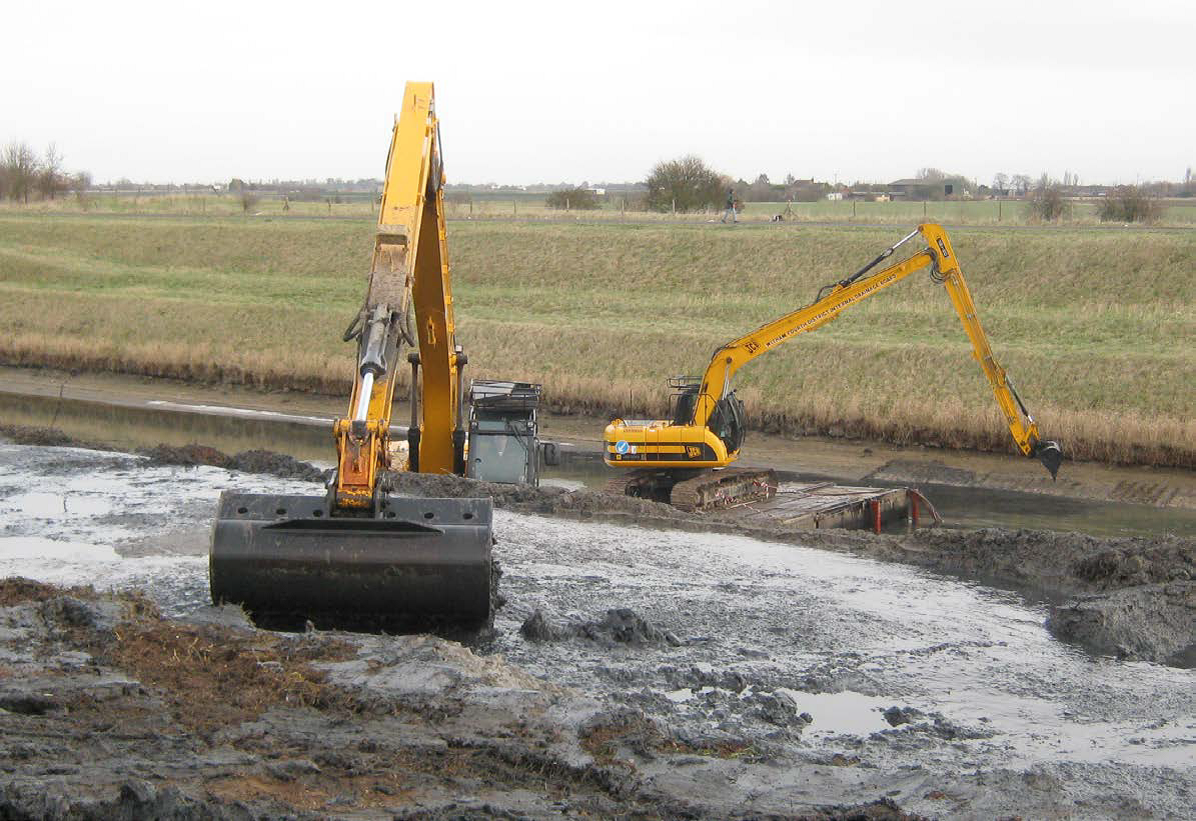
First reported on New Civil Engineer
30 Second Briefing
Construction’s role in more than one-third of UK carbon emissions is widely acknowledged, but its contribution to acute silt pollution from earthworks, dewatering and runoff from haul roads and stockpiles is still largely overlooked. Fine sediment washed from sites into watercourses can smother spawning gravels, clog culverts and foul SuDS assets, often breaching Environment Agency permits and triggering costly stop-work notices. The piece calls for more rigorous use of silt fences, settlement lagoons and lamella clarifiers, plus better phasing of bulk earthworks to keep disturbed areas and exposed cohesive soils to a minimum.
Technical Brief
- Environment Agency permits typically set suspended solids limits in mg/L, enforced via spot and composite sampling.
- Stop-work notices for silt breaches can halt bulk earthworks, piling and dewatering across entire compounds.
- Fine silts mobilised from cohesive cut faces are often worst during rapid weather swings and unprotected winter working.
- Haul road gradients, cambers and cross-falls strongly influence runoff concentration and silt load to site outfalls.
- Poorly detailed stockpile toe drains and lack of perimeter bunding frequently short-circuit SuDS and lagoons.
- Silt fences only work when keyed-in, tensioned and maintained; overtopping and undercutting are common failure modes.
- Lamella clarifiers demand tight control of flow rate and sludge removal to maintain plate efficiency and avoid bypassing.
- Stronger linkage of silt management plans to CDM risk assessments would formalise monitoring, trigger levels and emergency response.
Our Take
New Civil Engineer’s role in initiatives like the TechFest Awards 2025 and the British Construction & Infrastructure Awards means that practical approaches to silt and runoff control on UK sites could quickly become award criteria or case‑study benchmarks, putting peer pressure on contractors to tighten site practices.
Because this is a UK‑focused Environmental incident theme, it sits alongside several regulatory and best‑practice discussions in our coverage, signalling that contractors who do not treat silt management as a design‑stage risk (rather than a site‑stage housekeeping task) are likely to face tougher scrutiny from both regulators and clients.
Prepared by collating external sources, AI-assisted tools, and Geomechanics.io’s proprietary mining database, then reviewed for technical accuracy & edited by our geotechnical team.
Related Articles


Related Industries & Products
Construction
Quality control software for construction companies with material testing, batch tracking, and compliance management.
Mining
Geotechnical software solutions for mining operations including CMRR analysis, hydrogeological testing, and data management.
QCDB-io
Comprehensive quality control database for manufacturing, tunnelling, and civil construction with UCS testing, PSD analysis, and grout mix design management.