Geomechanics.io

  • Free Tools
Sign UpLog In

Geomechanics.io

Geomechanics, Simplified.

© 2026 Geomechanics.io. All rights reserved.

Geomechanics.io

CMRR-ioGEODB-ioHYDROGEO-ioQCDB-ioFree Tools & CalculatorsBlogLatest Industry News

Industries

MiningConstructionTunnelling

Company

Terms of UsePrivacy PolicyLinkedIn
    AllGeotechnicalMiningInfrastructureMaterialsHazardsEnvironmentalSoftwarePolicy
    Safety
    Sustainability
    Projects

    Scottish plumbers scale back on apprentices: skills and safety risks for projects

    December 17, 2025|

    Reviewed by Tom Sullivan

    Scottish plumbers scale back on apprentices: skills and safety risks for projects

    First reported on The Construction Index

    30 Second Briefing

    One in three Scottish plumbing firms plans to stop taking apprentices over the next three years, with a SNIPEF survey citing limited funding support (67%), high wage costs (65%) and supervision costs (47%) as key barriers. SNIPEF’s Apprenticeships Under Pressure report warns this could leave Scotland short of plumbing and heating skills needed for public safety and building decarbonisation work. The move contrasts with England’s new £725m package for 50,000 extra apprenticeships and removal of the 5% co-investment for SMEs training under‑25s.

    Technical Brief

    • SNIPEF’s Apprenticeships Under Pressure report is based on employer feedback across Scotland’s plumbing and heating sector.
    • Employers report college contribution rates in Scotland have been frozen for almost a decade, eroding real support.
    • More than three quarters of surveyed firms (77%) rate current Scottish Government apprenticeship support as poor or inadequate.
    • Almost all respondents (93%) identify increased public funding as the single change needed to make recruitment viable.
    • A majority (62%) want apprenticeship costs split 50:50 between employers and government, mirroring previous funding practice.
    • In England, technical apprenticeship funding is already in some cases more than double Scotland’s contribution levels.

    Our Take

    With 77% of Scottish & Northern Ireland Plumbing Employers’ Federation members rating Scottish government support as poor or inadequate, the risk is a medium‑term skills gap that could constrain delivery of building safety upgrades and low‑carbon retrofit work flagged in other Safety and Sustainability policy pieces in our coverage.

    The contrast between Scotland’s stance and the UK government’s £725 million apprenticeship reform package in England signals that plumbing and M&E contractors operating across the United Kingdom may increasingly route apprentice training and early‑career recruitment through English operations where the 5% co‑investment cost has been removed.

    Given that 65% of employers cite high wage costs and 47% cite supervision costs as barriers, SNIPEF‑aligned firms may pivot towards shorter upskilling courses for existing staff rather than full apprenticeships, which can affect long‑term competency pipelines for complex building services projects in Scotland.

    Geotechnical Software for Modern Teams

    Centralise site data, logs, and lab results with GEODB-io, CMRR-io, and HYDROGEO-io.

    No credit card required.

    • Save and export unlimited calculations
    • Advanced data visualisation
    • Generate professional PDF reports
    • Cloud storage for all your projects

    Prepared by collating external sources, AI-assisted tools, and Geomechanics.io’s proprietary mining database, then reviewed for technical accuracy & edited by our geotechnical team.

    Related Articles
    ISA seabed mining rules: benefit-sharing deadlock explained for project teams
    Policy
    3 days ago

    ISA seabed mining rules: benefit-sharing deadlock explained for project teams

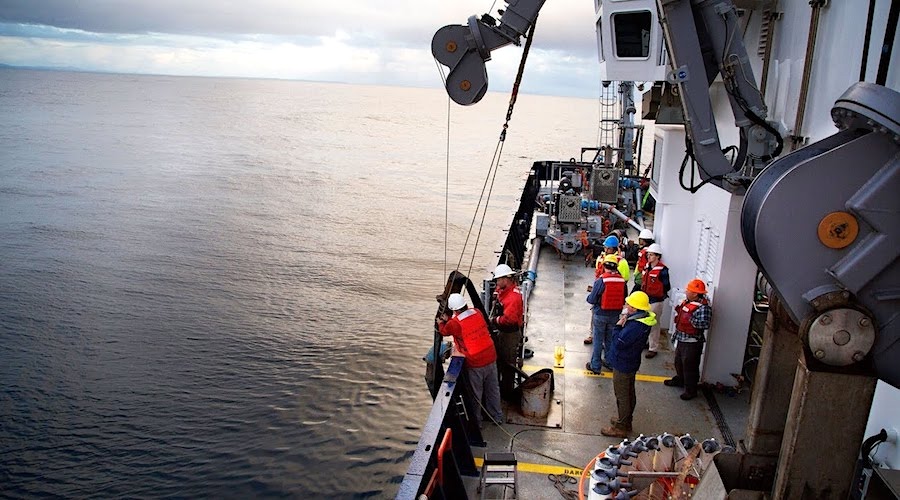
    Deep seabed mining remains legally blocked after legal scholars Aline Jaeckel and Erik van Doorn argued that the International Seabed Authority cannot approve exploitation in areas like the Clarion-Clipperton Zone until separate benefit-sharing regulations, controlled by the ISA Assembly, are adopted. The ISA’s Finance Committee only produced a first draft benefit-sharing framework in 2024, centred on a Common Heritage Fund, while about 40 countries now support a moratorium and African states oppose using shared funds for remediation. Companies including The Metals Company, Impossible Metals and Lockheed Martin are advancing CCZ plans despite this regulatory deadlock.

    UK boom lifts anti-dumping probe: procurement and safety notes for engineers
    Policy
    11 days ago

    UK boom lifts anti-dumping probe: procurement and safety notes for engineers

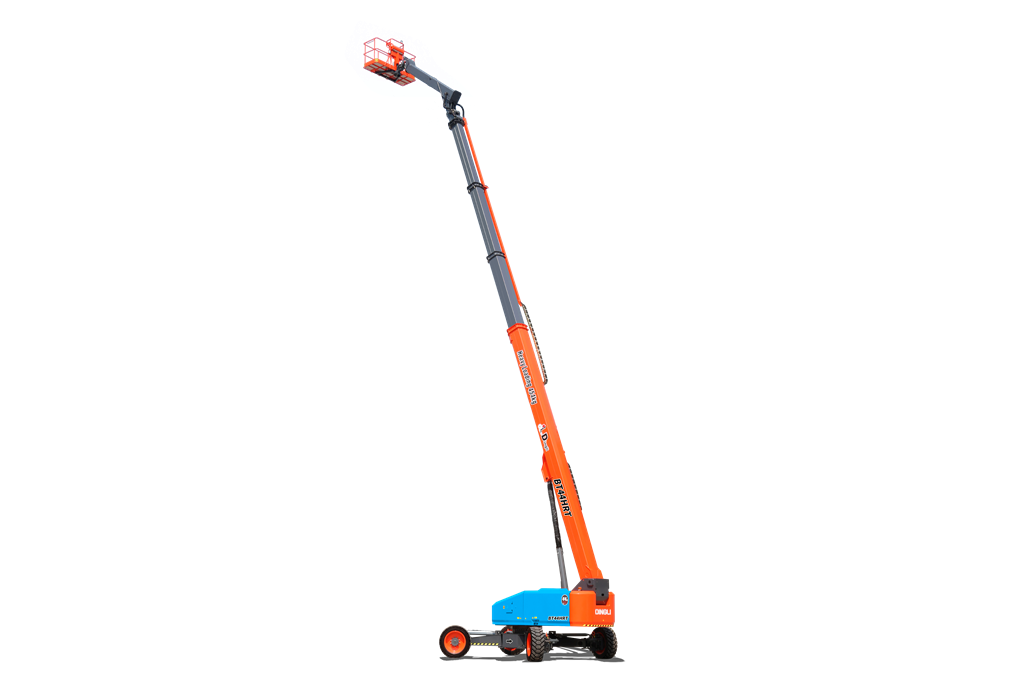
    An anti-dumping and anti-subsidy investigation has been opened by the UK Trade Remedies Authority into Chinese-made boom lifts, following a complaint from UK manufacturer Niftylift. The probe covers telescopic and articulated boom lifts, including sub-assemblies, with working heights of 6 m and above, such as models like the Dingli BT44HRT now entering the UK market. Scissor lifts, forklifts, vertical mast lifts, mobile self-propelled cranes and motor vehicles with integrated boom or scissor assemblies are explicitly excluded, so procurement teams must check machine classifications carefully.

    Engineers Against Poverty chair: governance, carbon and cost lessons for project teams
    Policy
    11 days ago

    Engineers Against Poverty chair: governance, carbon and cost lessons for project teams

    Engineers Against Poverty chair Richard Threlfall calls for the engineering, infrastructure and construction profession to lead on cutting whole‑life emissions and controlling capital cost overruns in major civils programmes. He argues that effective infrastructure governance must move beyond compliance to active stewardship of carbon, cost and social outcomes, with engineers shaping procurement models and performance metrics rather than leaving them to financiers and policymakers. For practitioners, this signals greater responsibility for transparent cost baselines, carbon accounting and value-for-money evidence on large public works.

    Related Industries & Products

    Mining

    Geotechnical software solutions for mining operations including CMRR analysis, hydrogeological testing, and data management.

    Construction

    Quality control software for construction companies with material testing, batch tracking, and compliance management.

    CMRR-io

    Streamline coal mine roof stability assessments with our cloud-based CMRR software featuring automated calculations, multi-scenario analysis, and collaborative workflows.

    HYDROGEO-io

    Comprehensive hydrogeological testing platform for managing, analysing, and reporting on packer tests, lugeon values, and hydraulic conductivity assessments.

    GEODB-io

    Centralised geotechnical data management solution for storing, accessing, and analysing all your site investigation and material testing data.