Retrofitting existing infrastructure: climate resilience priorities for civil engineers
Reviewed by Joe Ashwell
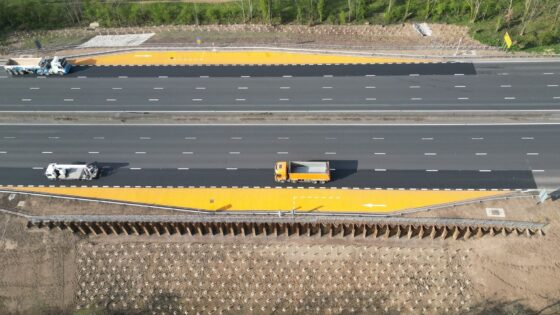
First reported on New Civil Engineer
30 Second Briefing
Retrofitting existing infrastructure is presented as a critical response to climate change impacts now clearly visible after 25 years of civil engineering practice, from more frequent flooding to heat-related material degradation. The argument centres on upgrading bridges, highways and drainage assets rather than wholesale replacement, using measures such as additional scour protection, increased freeboard, upsized culverts and improved thermal detailing of pavements and expansion joints. For practitioners, this points to prioritising asset condition assessment, climate-adjusted design checks and staged strengthening works within constrained maintenance budgets.
Technical Brief
- The author draws on 25 years’ civil engineering experience to evidence climate-driven performance deterioration.
Prepared by collating external sources, AI-assisted tools, and Geomechanics.io’s proprietary mining database, then reviewed for technical accuracy & edited by our geotechnical team.
Related Articles


Related Industries & Products
Construction
Quality control software for construction companies with material testing, batch tracking, and compliance management.
Mining
Geotechnical software solutions for mining operations including CMRR analysis, hydrogeological testing, and data management.
CMRR-io
Streamline coal mine roof stability assessments with our cloud-based CMRR software featuring automated calculations, multi-scenario analysis, and collaborative workflows.
HYDROGEO-io
Comprehensive hydrogeological testing platform for managing, analysing, and reporting on packer tests, lugeon values, and hydraulic conductivity assessments.
GEODB-io
Centralised geotechnical data management solution for storing, accessing, and analysing all your site investigation and material testing data.