Geomechanics.io

  • Free Tools
Sign UpLog In
AllGeotechnicalMiningInfrastructureMaterialsHazardsEnvironmentalSoftwarePolicy

Geomechanics.io

Geomechanics, Streamlined.

© 2026 Geomechanics.io. All rights reserved.

Geomechanics.io

CMRR-ioGEODB-ioHYDROGEO-ioQCDB-ioFree Tools & CalculatorsBlogLatest Industry News

Industries

MiningConstructionTunnelling

Company

Terms of UsePrivacy PolicyLinkedIn
    Projects
    Sustainability
    Product

    Lattice Materials Montana silicon–germanium plant: capacity and supply-chain notes for engineers

    April 13, 2026|

    Reviewed by Tom Sullivan

    Lattice Materials Montana silicon–germanium plant: capacity and supply-chain notes for engineers

    First reported on MINING.com

    30 Second Briefing

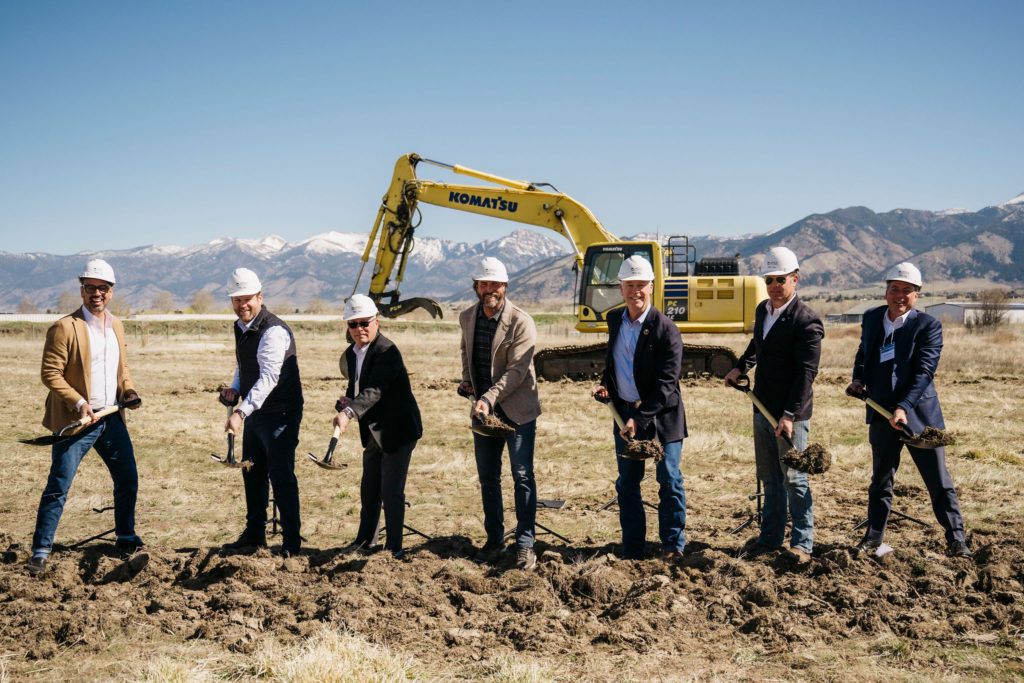
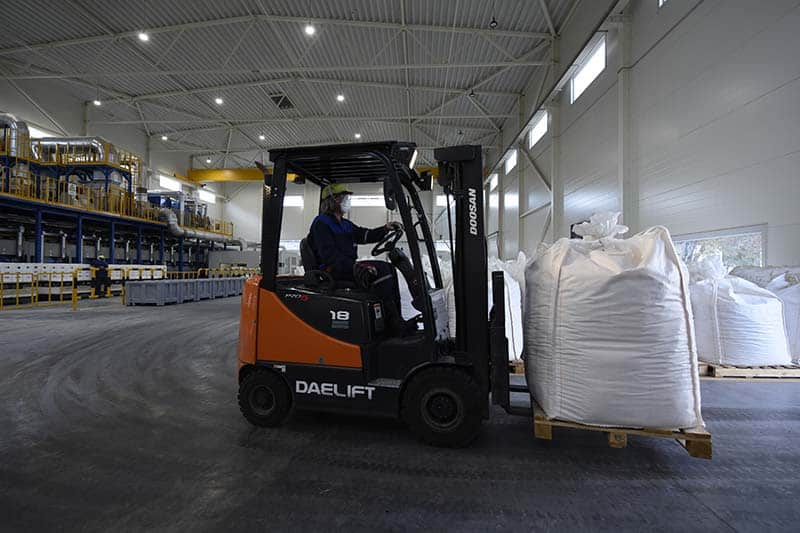
    US silicon and germanium producer Lattice Materials has broken ground on an 80,000-square-foot manufacturing facility in Bozeman, Montana, backed by an $18.5 million US Department of War investment to expand domestic photonics-grade optical materials capacity. Scheduled to start construction in May 2026 and complete in 2027, the plant will more than double Lattice’s footprint and add large optical boule growth, expanded internal processing, and higher-precision machining and metrology. New recycling lines will convert scrap into seed crystals, cutting reliance on imported silicon and germanium feedstock.

    Technical Brief

    • Facility is owned by Lattice Materials, a silicon and germanium specialist within The Partner Companies group.
    • US Department of War funding totals $18.5 million, directly targeted at critical optical materials capacity.
    • Plant is positioned to supply aerospace, defence and advanced imaging sectors requiring tight optical tolerances.
    • New boule growth lines are intended to be the largest optical-capacity units currently available in North America.
    • Expanded in-house machining and metrology aim to tighten dimensional control and reduce subcontracting of finishing steps.
    • Recycling flowsheets will convert internal scrap into seed crystals, closing material loops for silicon and germanium.

    Our Take

    Within our 49 Materials stories, silicon and germanium appear far less frequently than battery metals like graphite and lithium carbonate, signalling that this Montana build could position Lattice Materials in a relatively uncrowded but strategically important niche for semiconductor-grade inputs in North America.

    Geotechnical Software for Modern Teams

    Centralise site data, logs, and lab results with GEODB-io, CMRR-io, and HYDROGEO-io.

    No credit card required.

    • Save and export unlimited calculations
    • Advanced data visualisation
    • Generate professional PDF reports
    • Cloud storage for all your projects

    Prepared by collating external sources, AI-assisted tools, and Geomechanics.io’s proprietary mining database, then reviewed for technical accuracy & edited by our geotechnical team.

    Related Articles

    Steico specification managers: design and moisture guidance for UK project teams
    Materials
    1 day ago

    Steico specification managers: design and moisture guidance for UK project teams

    Steico has appointed Andy Cook and Pete Kelly as specification managers to expand use of its wood fibre insulation systems ahead of the UK Future Homes and Building Standards. The pair will support architects, housebuilders and contractors with project-specific design, U‑value and moisture calculations, modelling and installation guidance for rigid boards, flexible batts and air‑injected wood fibre products in both new build and retrofit. Cook brings joinery, site management and energy‑efficient construction experience from Ecological Building Systems and Verdancy Group, while Kelly adds 25 years’ experience including bio-based materials work at Adaptavate and CPD delivery.

    Neo Performance Estonia heavy rare earths: supply chain notes for engineers
    Materials
    4 days ago

    Neo Performance Estonia heavy rare earths: supply chain notes for engineers

    Neo Performance Materials has produced its first separated terbium and dysprosium oxides from mixed rare earth carbonate at the newly commissioned solvent extraction line at its Silmet plant in Estonia, now running at nameplate capacity. The heavy rare earth output is designed to feed Neo’s sintered magnet plant in Narva, which opened in September as Europe’s first mass-production facility with an initial capacity of 2,000 tonnes per year. Neo is now concentrating on stabilising product purity before ramping to routine production, while maintaining full traceability across its European light and heavy rare earth value chain.

    Advancing low carbon concrete in Australian infrastructure: design notes for engineers
    Materials
    13 days ago

    Advancing low carbon concrete in Australian infrastructure: design notes for engineers

    Approval of a 60 per cent Supplementary Cementitious Material (SCM) concrete mix by VicRoads for road and transport projects across Victoria marks a major shift in allowable low-carbon binders for state infrastructure. The mix, developed and trialled with Geoquest Australia, replaces the majority of Portland cement with SCMs such as fly ash and slag, cutting embodied carbon while maintaining performance to VicRoads specifications. Designers and contractors can now specify substantially higher SCM contents on VicRoads projects without seeking project-by-project exemptions.

    Related Industries & Products

    Construction

    Quality control software for construction companies with material testing, batch tracking, and compliance management.

    Mining

    Geotechnical software solutions for mining operations including CMRR analysis, hydrogeological testing, and data management.

    QCDB-io

    Comprehensive quality control database for manufacturing, tunnelling, and civil construction with UCS testing, PSD analysis, and grout mix design management.