Birmingham structural check automation: QA and MMC lessons for engineers
Reviewed by Tom Sullivan
First reported on The Construction Index
30 Second Briefing
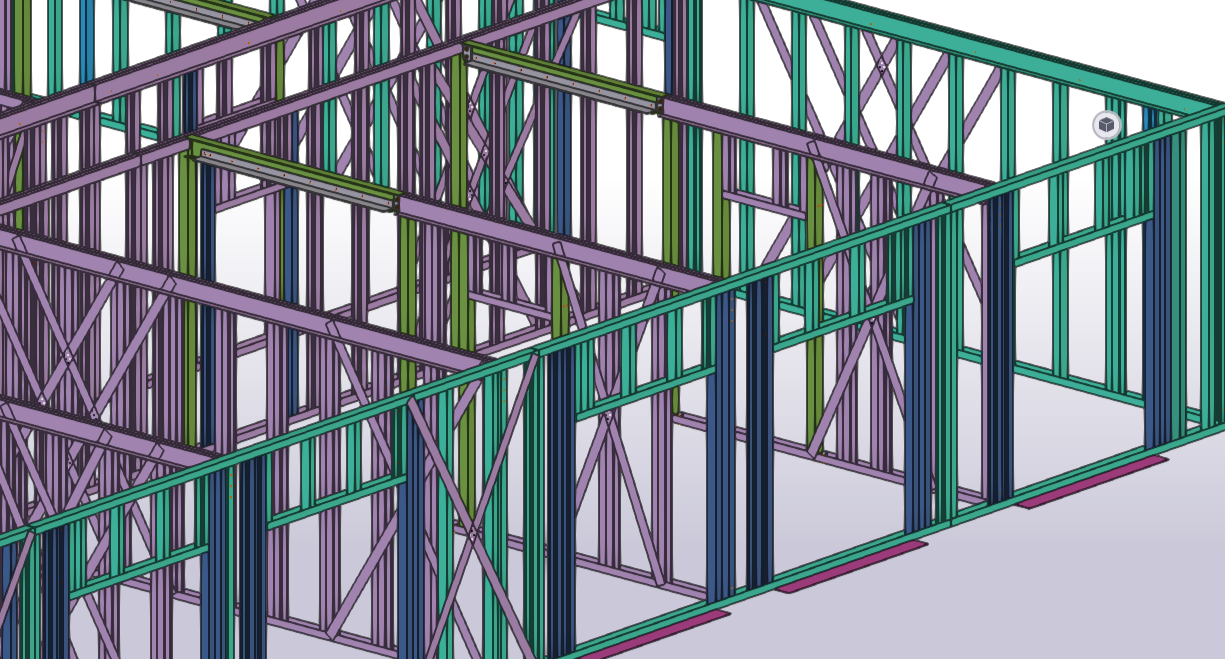
Researchers at Birmingham City University and steel specialist HadleyFRAME have automated structural checks in digital building models, cutting connection-checking time by 96% on projects with more than 18,000 joints. Two custom tools, developed under a West Midlands Advanced Construction Cluster sprint, include a parameter-driven copying utility that trims batch copy time for five connections from 15 to 12 minutes, and a model-wide scanner that flags missing or unexpected steel connections before fabrication. Tested on a five-storey modular residential scheme in Derbyshire, the system targets early detection of connection errors, directly affecting QA workflows for modern methods of construction.
Technical Brief
- Engineers can redefine copy parameters per scenario, avoiding repeated manual reconfiguration for each connection set.
- Automation programs were delivered through a Business & Innovation Support Sprint funded by West Midlands bodies.
- Model-wide scanning specifically targets historically “missing” steel connections that previously surfaced only at fabrication stage.
- Earlier detection of absent or unexpected joints reduces on-site rework, lifting structural safety margins in modular schemes.
- Five-storey Derbyshire modular residential building served as validation case, confirming performance at multi-storey scale.
- For MMC and offsite fabrication, such pre-fabrication QA automation tightens compliance with structural design intent and safety checks.
Our Take
A 96% time saving on structural engineering checks, even if demonstrated on a five-storey test building, suggests that tools like those developed with HadleyFRAME could materially change fee structures and resourcing models for design consultancies handling large portfolios of similar residential blocks.
With the West Midlands Combined Authority and the West Midlands Advanced Construction Cluster involved, this kind of software is likely to be trialled first on regional housing or regeneration schemes, giving local contractors and fabricators a home-field advantage in learning to integrate automated checks into their workflows.
Prepared by collating external sources, AI-assisted tools, and Geomechanics.io’s proprietary mining database, then reviewed for technical accuracy & edited by our geotechnical team.
Related Articles

Related Industries & Products
Construction
Quality control software for construction companies with material testing, batch tracking, and compliance management.
Mining
Geotechnical software solutions for mining operations including CMRR analysis, hydrogeological testing, and data management.
QCDB-io
Comprehensive quality control database for manufacturing, tunnelling, and civil construction with UCS testing, PSD analysis, and grout mix design management.