Geomechanics.io

  • Free Tools
Sign UpLog In

Geomechanics.io

Geomechanics, Simplified.

© 2025 Geomechanics.io. All rights reserved.

Geomechanics.io

CMRR-ioGEODB-ioHYDROGEO-ioQCDB-ioFree Tools & CalculatorsBlogLatest Industry News

Industries

MiningConstructionTunnelling

Company

Terms of UsePrivacy PolicyLinkedIn
    AllGeotechnicalMiningInfrastructureMaterialsHazardsEnvironmentalSoftwarePolicy
    Projects
    Failure
    Safety

    Alaska M7.0 earthquake: geotechnical risk takeaways for coastal infrastructure

    December 7, 2025|

    Reviewed by Joe Ashwell

    Alaska M7.0 earthquake: geotechnical risk takeaways for coastal infrastructure

    First reported on Geoengineer.org – News

    30 Second Briefing

    A magnitude 7.0 earthquake near Yakutat, Alaska, has generated over 160 aftershocks in 24 hours, with shaking felt across southeastern Alaska and into Yukon and British Columbia, raising concern for ageing port, pipeline and road embankment infrastructure on soft coastal sediments. USGS reports shallow crustal rupture along the Fairweather–Queen Charlotte transform system, with peak ground accelerations locally exceeding typical design levels for older structures. Geotechnical teams are prioritising rapid reconnaissance of slope stability, liquefaction-prone deltaic deposits and critical lifelines, including fuel terminals and regional airstrips.

    Technical Brief

    • Failure mechanism investigations are focusing on CPT, SPT and shear-wave velocity profiling in reclaimed shoreline zones.
    • Ongoing monitoring relies on repeat InSAR, UAV photogrammetry and temporary strong-motion arrays around key lifelines.

    Our Take

    Within our 13 Hazards stories, very few involve a magnitude 7 event in a developed jurisdiction like Alaska, which signals that existing US and Canadian seismic design codes for critical infrastructure may face an unusually stringent real-world test here.

    For mining and linear infrastructure in southeastern Alaska and neighbouring Canada, a dense aftershock sequence of over 160 events in 24 hours implies elevated risk of progressive slope degradation and tailings dam stress cycles, so operators should prioritise rapid geotechnical inspections and instrumentation checks even where initial damage appears minor.

    Given the Projects–Failure–Safety tag combination across 530 tag-matched pieces, this event is likely to prompt re‑evaluation of seismic hazard inputs in feasibility studies and operating permits for new projects in Yakutat and coastal British Columbia, especially for lifeline assets such as ports, access roads and pipelines.

    Geotechnical Software for Modern Teams

    Centralise site data, logs, and lab results with GEODB-io, CMRR-io, and HYDROGEO-io.

    No credit card required.

    • Save and export unlimited calculations
    • Advanced data visualisation
    • Generate professional PDF reports
    • Cloud storage for all your projects

    Prepared by collating external sources, AI-assisted tools, and Geomechanics.io’s proprietary mining database, then reviewed for technical accuracy & edited by our geotechnical team.

    Related Articles
    UK unmanned nuclear waste GDF: design and safety notes for tunnel engineers
    Hazards
    about 12 hours ago

    UK unmanned nuclear waste GDF: design and safety notes for tunnel engineers

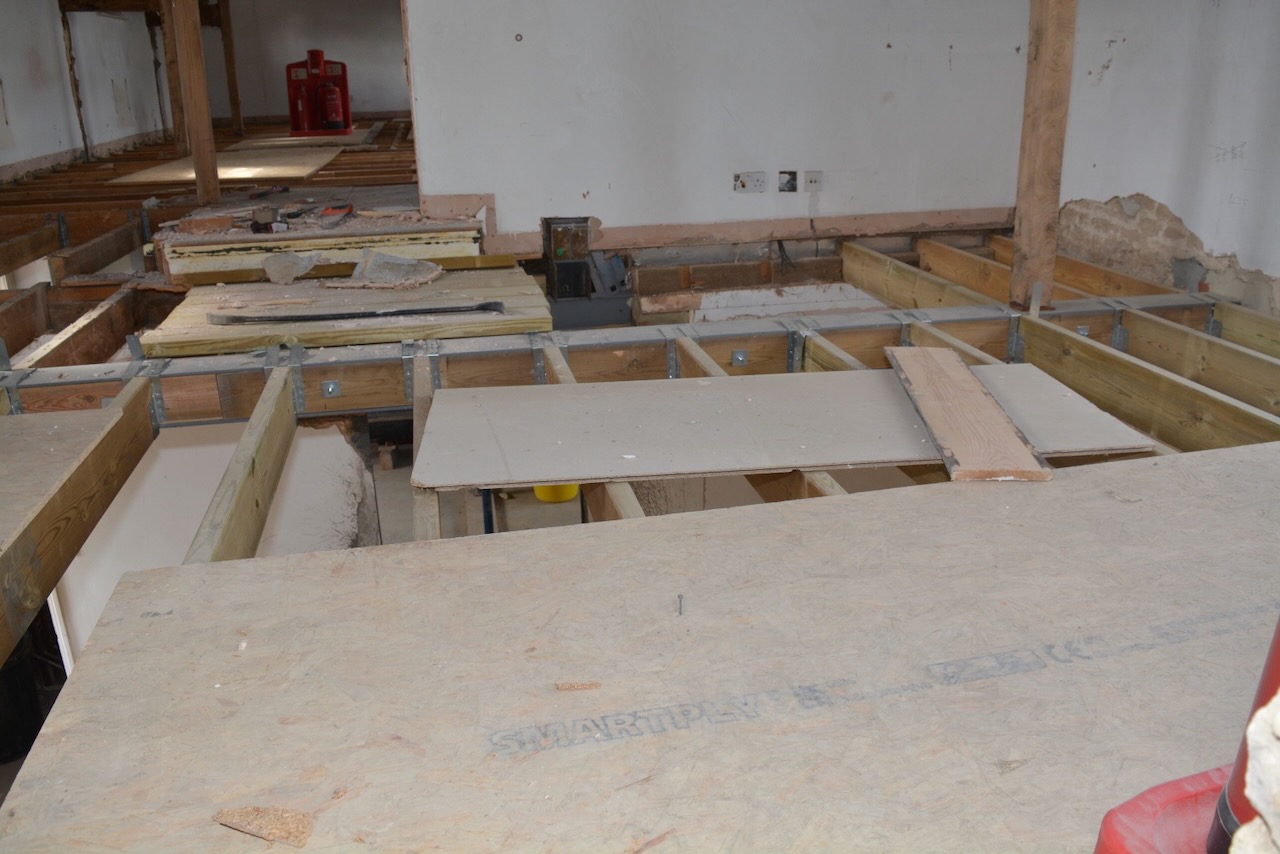
    Nuclear Waste Services is exploring an unmanned, highly automated design for the UK’s planned deep Geological Disposal Facility (GDF) for higher-activity radioactive waste, potentially removing routine human presence from underground vaults and access tunnels. Concepts under review include remote-operated emplacement systems, autonomous guided vehicles for waste packages, and fully automated ventilation, monitoring and backfilling operations. For geotechnical and civil designers, this points to layouts, shaft and drift geometries, and ground support that must accommodate robotic handling, long-term remote inspection and minimal maintenance access over many decades.

    Vietnam landslides after extreme rainfall: slope stability lessons for engineers
    Hazards
    7 days ago

    Vietnam landslides after extreme rainfall: slope stability lessons for engineers

    Prolonged storms in Vietnam have triggered one of the most severe sequences of rainfall-induced hazards in decades, with extensive flooding and more than a dozen landslides reported across Lam Dong province and neighbouring highland areas. Intense, long-duration rainfall on steep, highly weathered slopes has caused rapid slope failures, debris flows and road embankment collapses, cutting key mountain highways and isolating several rural communities. Geotechnical teams now face urgent stabilisation of saturated cut slopes, clearance of landslide debris from narrow carriageways, and reassessment of drainage and slope design criteria for future extreme events.

    Record floods and landslides in Southeast Asia: geotechnical lessons for engineers
    Hazards
    11 days ago

    Record floods and landslides in Southeast Asia: geotechnical lessons for engineers

    Record monsoon floods and landslides have killed more than 600 people across Sri Lanka, Indonesia, Thailand and Malaysia, with Sri Lanka’s central highlands and Indonesia’s West Sumatra and South Sulawesi provinces suffering major slope failures. Prolonged rainfall well above seasonal averages has triggered debris flows, embankment breaches and riverbank collapses, overwhelming drainage canals and older flood defences in low-lying urban areas. Geotechnical teams are prioritising emergency slope stabilisation, rapid debris clearance on key highways and reassessment of design rainfall and factor-of-safety assumptions for cut slopes and retaining structures.

    Related Industries & Products

    Mining

    Geotechnical software solutions for mining operations including CMRR analysis, hydrogeological testing, and data management.

    Construction

    Quality control software for construction companies with material testing, batch tracking, and compliance management.

    CMRR-io

    Streamline coal mine roof stability assessments with our cloud-based CMRR software featuring automated calculations, multi-scenario analysis, and collaborative workflows.

    HYDROGEO-io

    Comprehensive hydrogeological testing platform for managing, analysing, and reporting on packer tests, lugeon values, and hydraulic conductivity assessments.

    GEODB-io

    Centralised geotechnical data management solution for storing, accessing, and analysing all your site investigation and material testing data.