AI and subsurface intelligence in mining: design and risk lessons for engineers
Reviewed by Tom Sullivan
First reported on MINING.com
30 Second Briefing
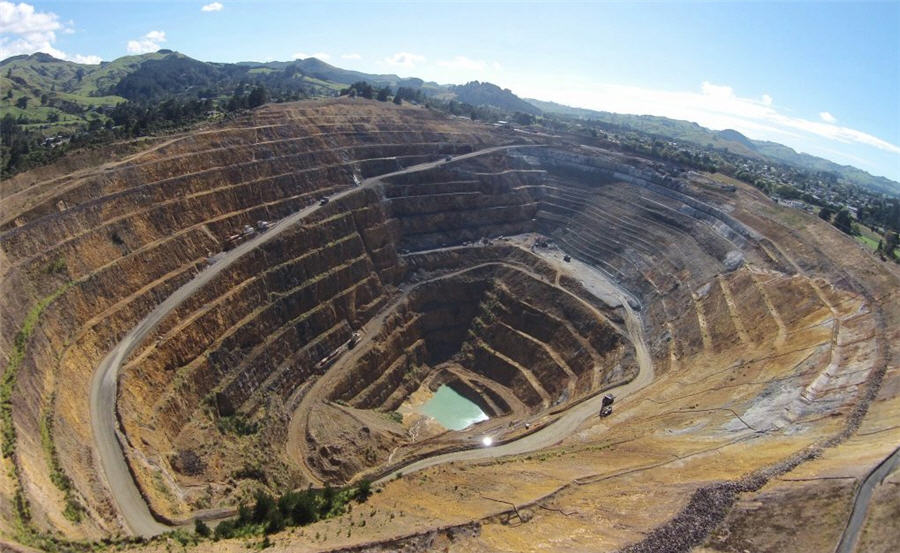
AI-driven subsurface intelligence is shifting mining from drilling more holes to connecting fragmented datasets, with 51% of geoprofessionals already using or considering AI despite only 39% of organisations having a defined data framework. At OceanaGold’s Waihi mine in New Zealand, a cloud-based AI tool re-analysed legacy drill data to identify a previously unmodelled vein in 60 minutes, adding an estimated US$10 million in value, while PT Stargate reports a 10% gain in grade control efficiency and an 80% reduction in drilling. Dynamic, traceable geological models are emerging as key to faster permitting, more defensible risk assessments, and tighter control of drilling-related environmental impacts.
Technical Brief
- Mining specialists reportedly spend nearly one‑third of their working time on data management rather than interpretation.
- Only 39% of organisations surveyed have a defined data framework for subsurface information governance.
- Around 51% of geoprofessionals are already using or evaluating AI tools within their technical workflows.
- Dynamic, traceable geological models allow versioned updates, evidencing how interpretations evolve for regulators and investors.
- Subsurface intelligence is framed as a geopolitical lever, influencing which national projects secure funding and approvals fastest.
- The approach is explicitly positioned as augmenting geoscientist judgement, not replacing human-led geological and geotechnical decisions.
Our Take
OceanaGold’s use of AI at the Waihi operation sits alongside its physical expansion work at the Waihi North Project (Dec 2025 article), signalling that the company is pairing digital optimisation with new underground access to squeeze more value from the same gold system.
With only 39% of organisations reporting a defined data framework but 51% of geoprofessionals already using or considering AI, operators in Australia, New Zealand and Chile that can standardise subsurface data early are likely to capture disproportionate value as tools similar to those used at Waihi and PT Stargate scale up.
In our database of 1218 Mining stories, AI-linked pieces tied to gold and critical minerals remain a small subset, so the reported US$10 million value uplift and 80% drilling reduction metrics position Seequent-style subsurface intelligence as an outlier benchmark rather than current industry norm.
Prepared by collating external sources, AI-assisted tools, and Geomechanics.io’s proprietary mining database, then reviewed for technical accuracy & edited by our geotechnical team.
Related Articles
Related Industries & Products
Mining
Geotechnical software solutions for mining operations including CMRR analysis, hydrogeological testing, and data management.
Tunnelling
Specialised solutions for tunnelling projects including grout mix design, hydrogeological analysis, and quality control.
CMRR-io
Streamline coal mine roof stability assessments with our cloud-based CMRR software featuring automated calculations, multi-scenario analysis, and collaborative workflows.
GEODB-io
Centralised geotechnical data management solution for storing, accessing, and analysing all your site investigation and material testing data.
HYDROGEO-io
Comprehensive hydrogeological testing platform for managing, analysing, and reporting on packer tests, lugeon values, and hydraulic conductivity assessments.