Geomechanics, Streamlined.
© 2026 Geomechanics.io. All rights reserved.
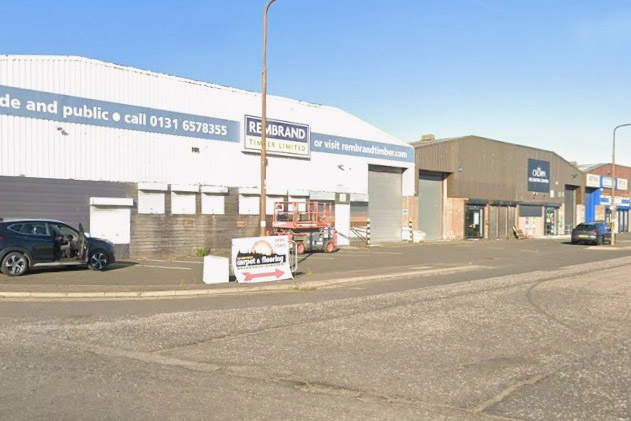
A Scottish contractor, Ipsum Drainage (Scotland) Limited of Hillington Park, Glasgow, has been fined £183,000 after 28-year-old employee Ross Hanratty died in October 2022 falling 24 feet through a fragile warehouse roof at Seafield Industrial Estate, Edinburgh, while clearing gutters. Hanratty was working alone on the second block roof, wearing a harness with no suitable anchor point, and fell into a unit occupied by Rembrand Timber. Investigators found no suitable and sufficient risk assessment, no safe system of work for fragile roofs, and inadequate information, instruction and equipment for a new worker at height.
NHS Lothian has appointed Kier as main contractor to build a new Princess Alexandra Eye Pavilion on the Little France BioQuarter campus in Edinburgh, adjacent to the Royal Infirmary, Royal Hospital for Children and Young People, Simpson Centre for Reproductive Health and Edinburgh University clinical research facilities. The project replaces the existing PAEP building, which no longer adequately supports high volumes of surgical, inpatient and outpatient ophthalmic care. Kier will draw on experience from the NHS Golden Jubilee Eye Hospital in Glasgow and Sunderland Eye Infirmary to deliver a specialised, state-of-the-art clinical environment.
Celtico has been launched as a South Wales engineering collaboration uniting 12 firms, including Ledwood Mechanical Engineering, Mainstay Marine Solutions and Pro-Steel Engineering, with a combined 1,400+ staff and £250m annual turnover to target large offshore wind, tidal range and low‑carbon infrastructure contracts. Operating as a single point of engagement rather than a merged entity, the alliance offers integrated fabrication, machining, marine engineering, coating, assembly and advanced manufacturing capacity. Backed by the Swansea Bay City Deal Skills & Talent Programme, it is tying project delivery to regional skills development to build a competitive local supply chain.
Multiple sinkholes along Summit Avenue near Lewis Street in Phillipsburg, New Jersey have triggered a local state of emergency after one collapse swallowed a loaded dump truck and undermined adjacent properties. Authorities have evacuated several homes, closed the affected road section, and are investigating suspected subsurface voids linked to ageing water or sewer infrastructure beneath the asphalt pavement. Geotechnical teams now face urgent stability assessment, utility leak detection, and staged backfilling or grouting in a constrained urban corridor with active buried services.
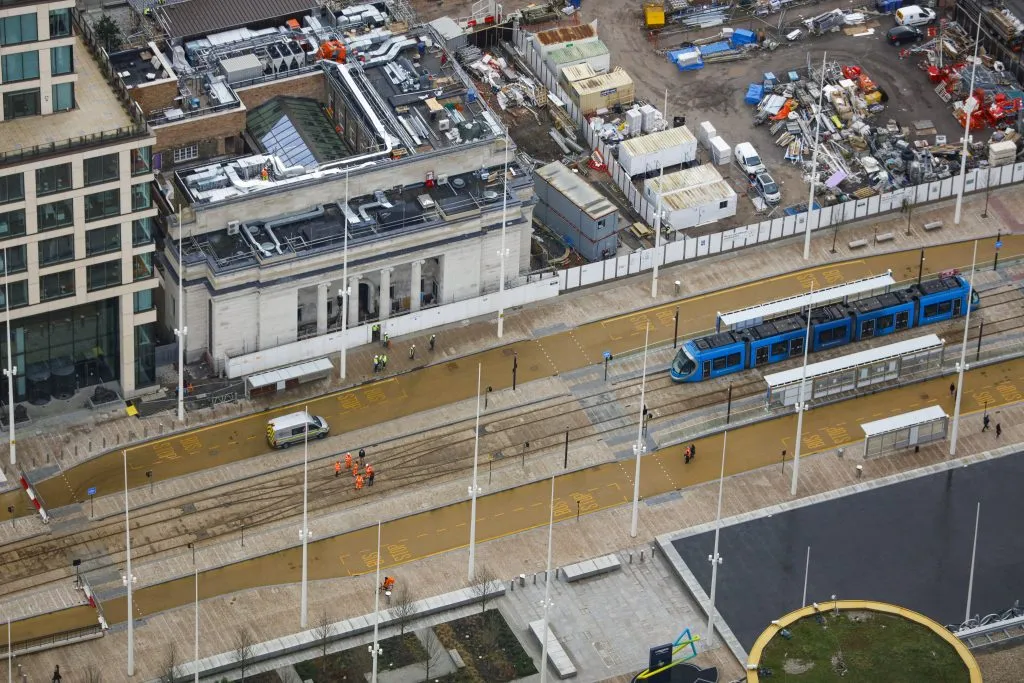
The expansion of the West Midlands Metro, more than a decade in delivery, is reshaping Birmingham’s core with new on-street tram alignments threading through the city centre and into previously rail-poor districts. Construction has required complex utility diversions beneath historic streets, tight-radius curves around existing structures, and slab track integrated with high footfall public realm. For civil and geotechnical teams, the scheme is driving demand for shallow foundation solutions, vibration control adjacent to sensitive buildings, and staged traffic management to keep constrained urban corridors operational.
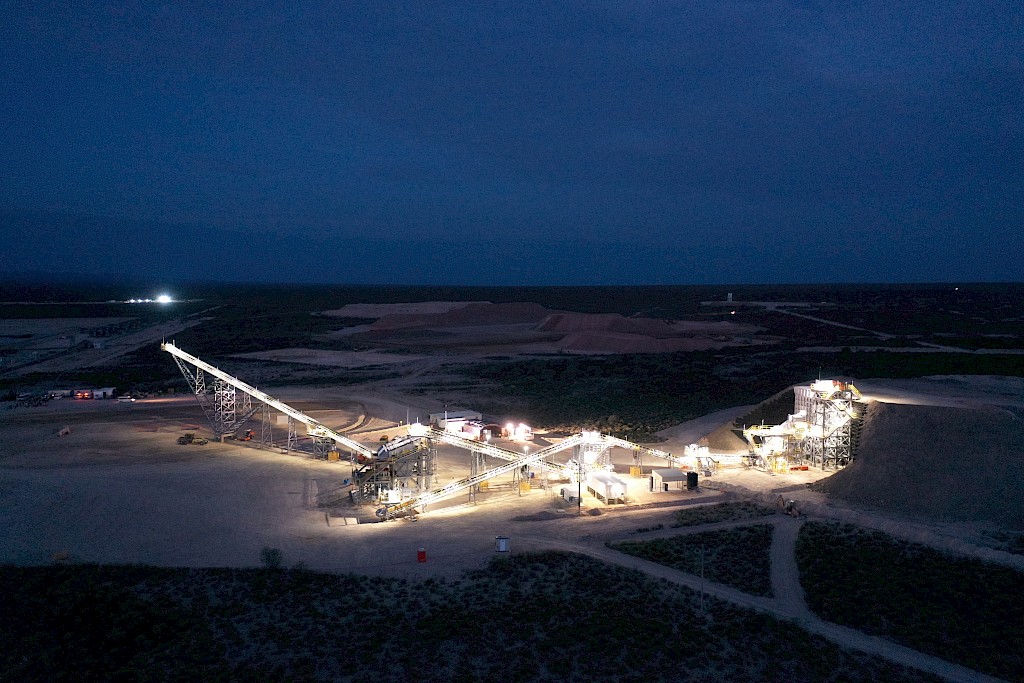
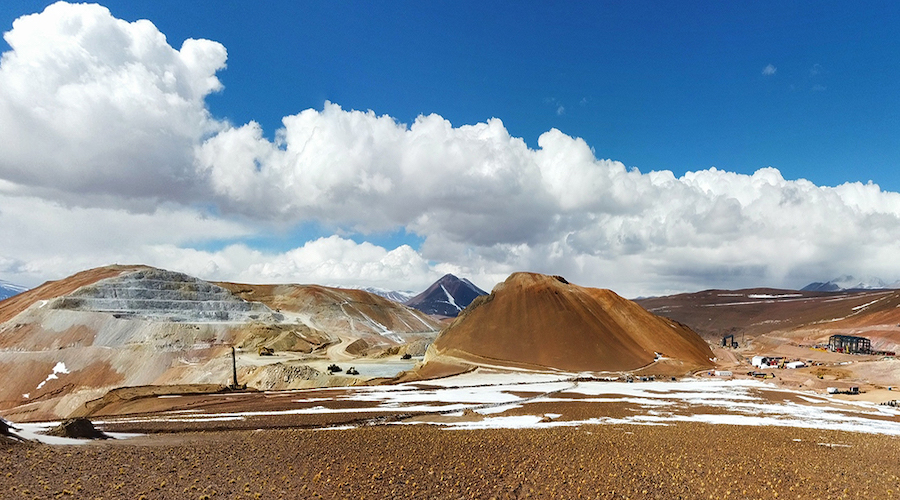
Orla Mining’s PEA for the Camino Rojo underground project in Zacatecas outlines a standalone sub-pit operation with dedicated crushing, grinding and flotation circuits, projecting 215,000 oz/y gold over the first 10 years at an AISC of $1,304/oz. The study shows an after-tax NPV of $1.3 billion and 30% IRR at $3,100/oz gold, rising to $3.3 billion and 61% IRR at $5,000/oz, with an NPV-to-initial-capital ratio of 5.5:1. A de-risking programme through 2026 will include an exploration decline and staged underground drilling ahead of a 2027 pre-feasibility study.
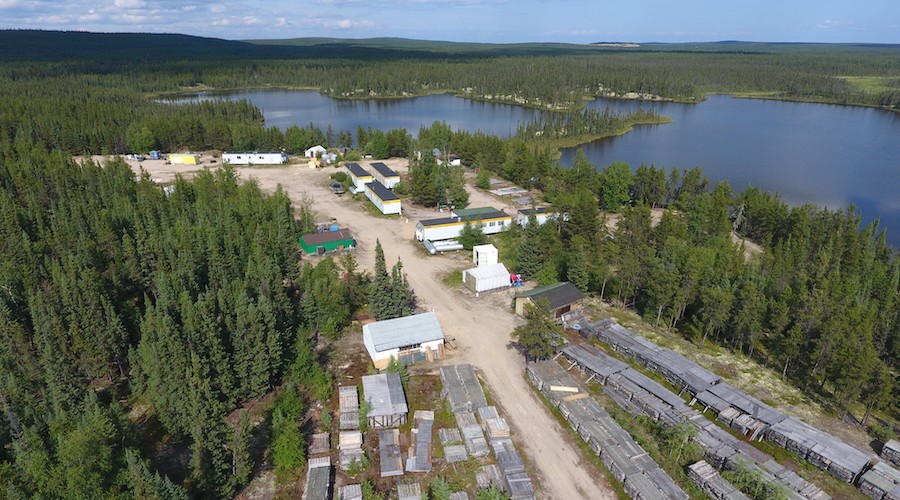
Canadian Nuclear Safety Commission approval of the environmental assessment and issuance of a Licence to Prepare Site and Construct a Mine and Mill clears the final regulatory hurdle for Denison Mines’ Wheeler River project in the eastern Athabasca Basin, northern Saskatchewan. The decision allows Denison, which holds a 90% operating stake alongside JCU (Canada) Exploration at 10%, to advance the high‑grade Phoenix in‑situ recovery (ISR) uranium mine towards a mid‑2028 production start, pending final investment decision. Phoenix is Canada’s first ISR‑approved uranium mine and the first large‑scale uranium mine cleared for construction in over 20 years.
AIC Mines reported first-half FY25 revenue of $110.6 million, driven by higher copper production and stronger pricing from its Eloise underground mine in north-west Queensland. The company is advancing its Jericho copper deposit, located about 4km from Eloise, with plans for an underground decline to access higher-grade ore and extend mine life. Management signalled further capital investment in processing upgrades and regional exploration around the 1.5Mtpa Eloise plant, aiming to lift throughput and reduce unit costs.
Exploration momentum is building across Australia as multiple juniors advance critical minerals, rare earths and gold projects through new drilling, resource updates and metallurgical testwork. Activity centres on high‑grade cobalt–scandium at Ida Holmes alongside rare earths prospects and emerging gold systems, with companies targeting shallow, open‑pittable mineralisation and scalable processing routes. For geotechnical and mine planners, the focus on near‑surface orebodies and critical‑metal grades signals upcoming demand for detailed pit slope design, geometallurgical characterisation and infrastructure planning in previously underdeveloped districts.
Record iron ore output and an 8 per cent rise in copper-equivalent production in 2025 have lifted Rio Tinto’s yearly performance, driven by the continued ramp-up of key growth projects. The miner is leveraging stronger throughput at its Pilbara iron ore operations and expanding copper volumes from assets such as Oyu Tolgoi and Kennecott to rebalance its portfolio towards energy-transition metals. For mine planners and process engineers, the figures signal sustained high utilisation of existing rail–port infrastructure and ongoing debottlenecking across concentrators and smelters.
Capricorn Metals is targeting a new gold growth corridor in Western Australia after acquiring the Extension Hill and Mungada project from Mount Gibson Iron in the Mid West region. The tenement package sits near Capricorn’s 130,000oz–150,000oz per annum Karlawinda operation and includes historical iron ore pits, existing haul roads and camp infrastructure that could shorten development timelines. For geotechs and mine planners, the brownfield setting, prior open-pit disturbance and established logistics corridor materially reduce early-stage ground investigation and access risks compared with a greenfield build.
Ramelius Resources has trucked the first ore from the high‑grade Never Never underground deposit at Dalgaranga to its 1.9Mtpa Mt Magnet carbon‑in‑leach processing hub, consolidating feed after shutting the Dalgaranga plant in 2023. The Never Never ore, discovered in 2022 immediately west of the Sly Fox open pit and reporting grades well above the historical Dalgaranga average, is being hauled by road train over regional haul roads designed for heavy axle loads. Centralising milling at Mt Magnet cuts duplicate processing costs and extends the hub‑and‑spoke model for Ramelius’ Mid West gold operations.
Vale Base Metals is forming a new ownership consortium with Exiro Minerals, Orion Resource Partners and Canada Growth Fund to invest up to US$200 million in the Thompson Mine Complex in Manitoba. The new company structure is intended to extend the life of nickel operations and protect local mining jobs at the long-running Thompson underground complex. For engineers, the funding signals continued capital for mine development, underground infrastructure and potential plant upgrades rather than a near-term closure scenario.
Civiltech Solutions is deploying a cloud-based asset management platform to help Australian councils plan and deliver local road maintenance amid tightening budgets and rising service expectations. The system integrates defect data, pavement condition, work orders and contractor scheduling into a single interface, replacing fragmented spreadsheets and paper-based workflows. For engineers, this enables network-level prioritisation of reseals and rehabilitation, clearer forward works programming, and more defensible funding bids tied to quantified road condition and lifecycle cost scenarios.
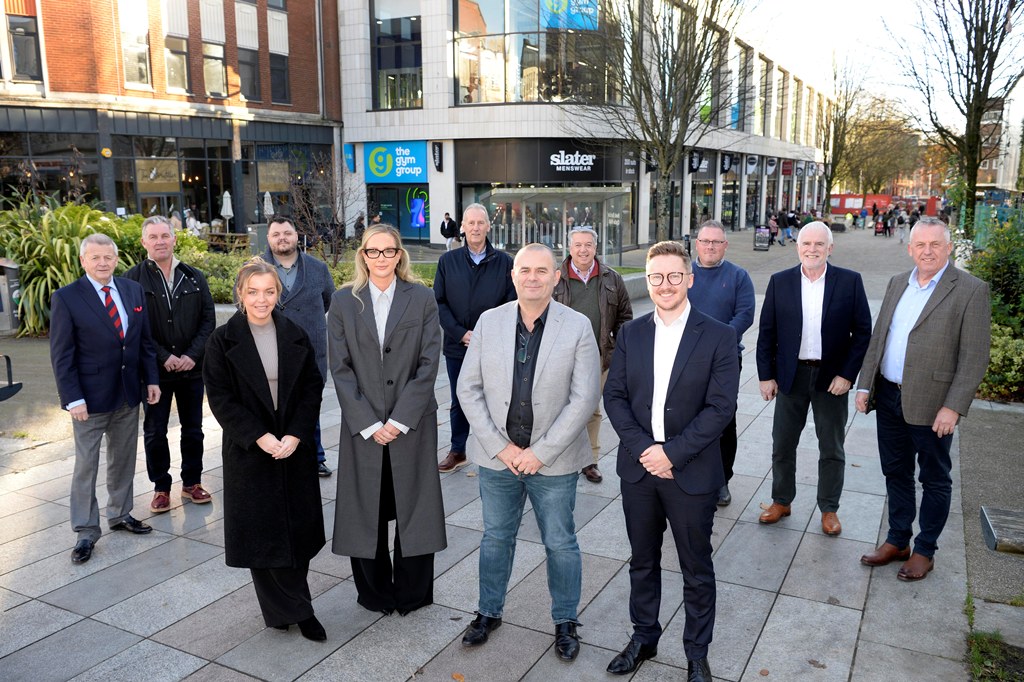
Civil Contractors Federation Victoria has confirmed the departure of CEO Lisa Kinross after six years, during which she became the organisation’s first female chief executive. Kinross guided CCF VIC’s contractor membership through COVID-19 disruptions to road and civil works and contributed to the federal National 90‑Day Review of infrastructure projects and procurement settings. Her exit leaves a leadership gap as Victoria’s civil sector navigates cost escalation, labour shortages and ongoing pipeline reviews.
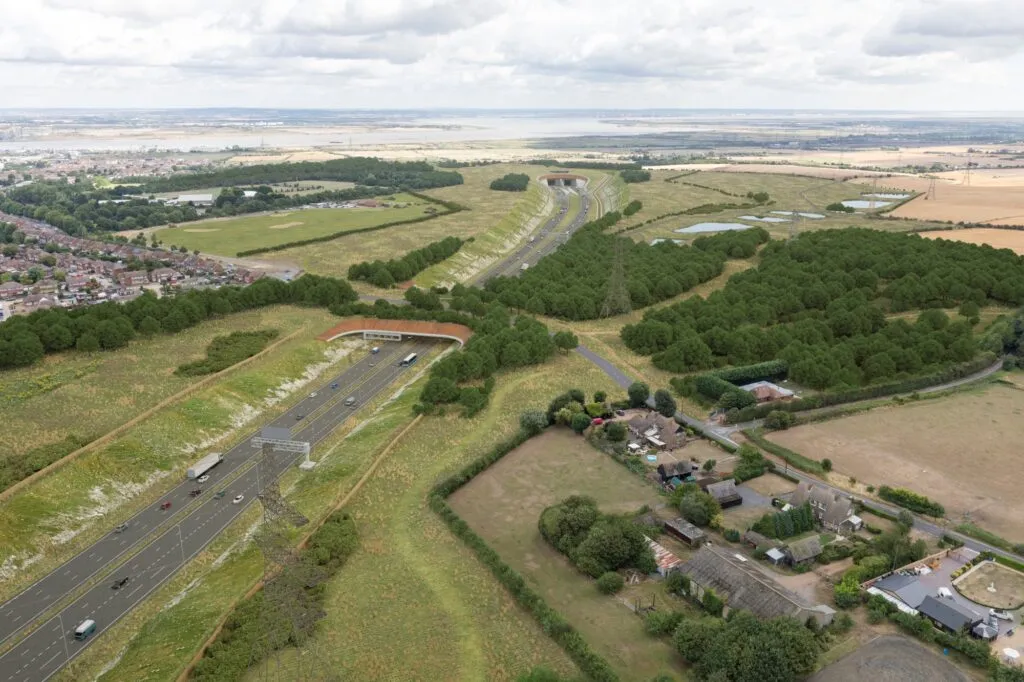
British suppliers could provide 85–90% of the Lower Thames Crossing’s low carbon steel demand, based on recent market engagement by the project team. The scheme, which includes a new Thames tunnel and major approach viaducts carrying the A122 and M25, is expected to require large volumes of structural and reinforcement steel with reduced embodied carbon relative to conventional UK steel. For designers and contractors, this signals strong potential to specify UK-sourced low carbon sections and rebar, simplifying assurance on supply chains and whole-life carbon targets.
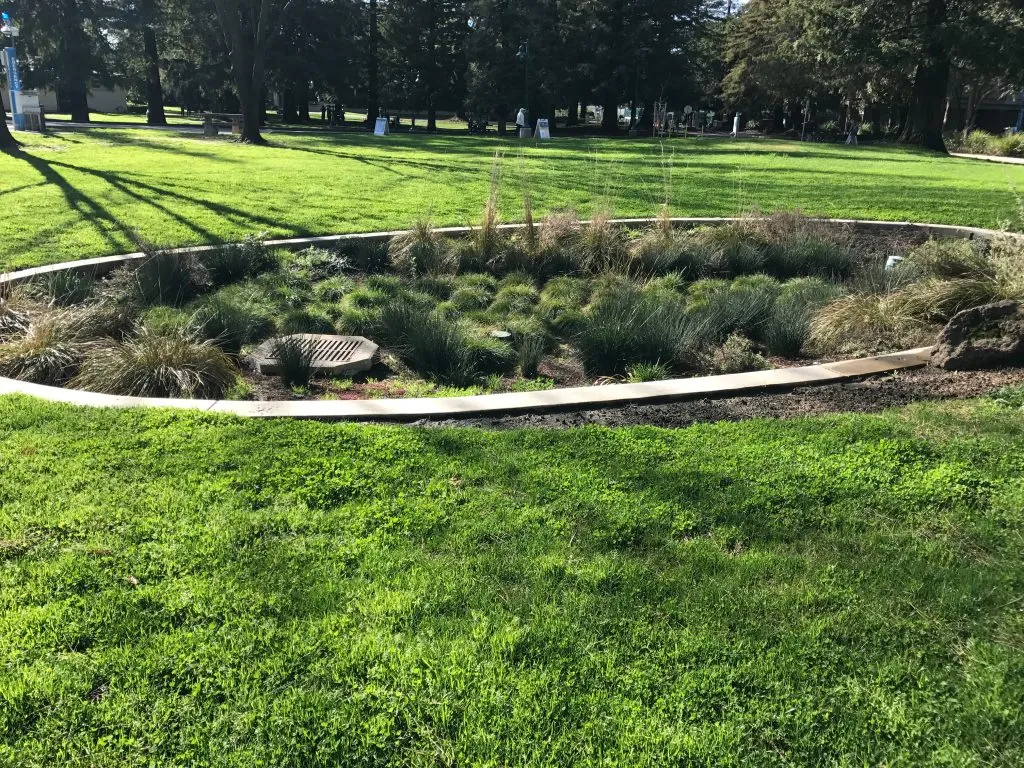
Updated planning guidance on flood risk and coastal change still leaves a regulatory gap for mandatory sustainable drainage systems (SuDS), argues Stuart Crisp, UK manager at Advanced Drainage Systems (ADS). He notes that, outside Schedule 3-type regimes, many English developments can proceed without adoptable SuDS features such as attenuation tanks, geocellular storage and permeable pavements, despite long-term surface water and groundwater flood risks. For civil and drainage designers, this keeps SuDS largely policy-led rather than enforceable, complicating investment in higher-spec systems and long-term maintenance planning.
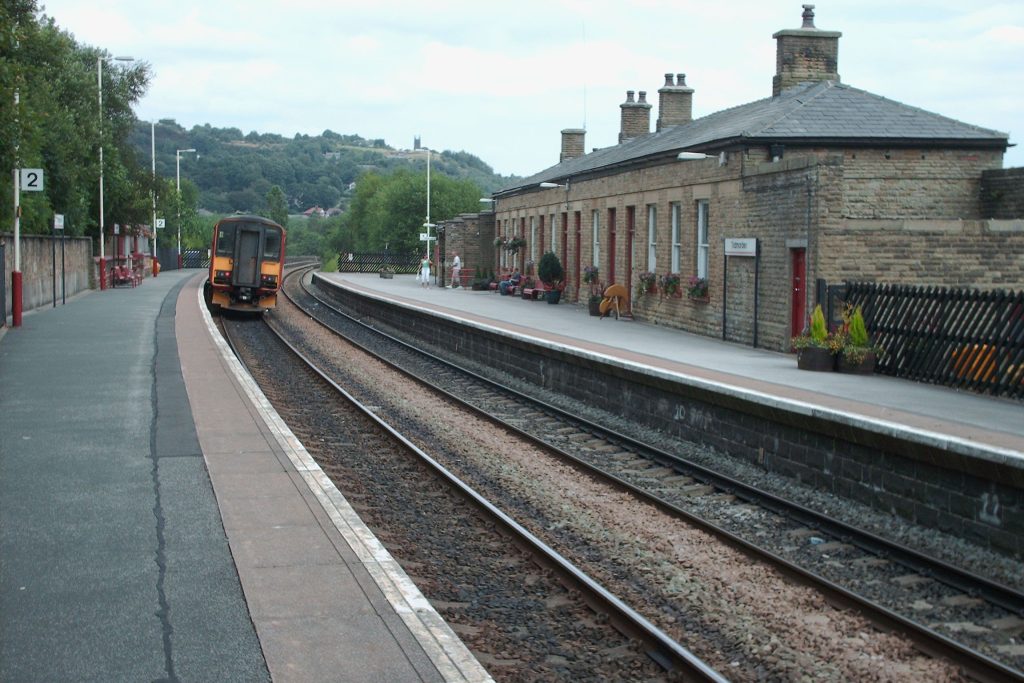
Todmorden station’s £multi-million Access for All upgrade in West Yorkshire has been taken back in-house by Network Rail after contractor Input Group was “stood down for unsafe behaviours”, transport minister Huw Merriman told MPs. The scheme, funded through the DfT’s Access for All programme, is expected to deliver step-free access via new lifts and improved footbridge links between platforms on the Calder Valley line. Network Rail will now re-let or self-deliver remaining works, with renewed scrutiny on site safety management and rail-adjacent construction controls.
Gold Fields has reported an 18 per cent jump in gold-equivalent production and a 33 per cent increase in normalised earnings for 2025, driven largely by higher gold prices and strong output from its Australian operations at Granny Smith, St Ives and Agnew. The company advanced its St Ives renewables project, transporting and installing large-scale wind turbine components to cut grid reliance and stabilise long-term power costs. Management flagged further capital allocation to Australian brownfield expansions and decarbonisation infrastructure rather than major new greenfield mines.
Newmont has issued 2026 production guidance for its Australian gold portfolio, signalling higher output supported by elevated capital spending across key operations acquired through the Newcrest transaction. The company is prioritising investment at large-scale assets such as Cadia, Telfer and Lihir, with guidance framed around ramp-ups, debottlenecking and mine-life extension rather than greenfield additions. For geotechnical and mining teams, the focus implies sustained demand for underground development, tailings capacity upgrades and plant optimisation to support higher mill throughput and longer operating horizons.
AusIMM will host the International Mining Geology Conference 2026 on 21–22 April at the Brisbane Convention and Exhibition Centre, bringing mining geologists, resource modellers and mine planners together in a two-day technical programme. Sessions are expected to focus on grade control, geometallurgy, resource estimation workflows and integration of geological models with short- and long-term mine planning. For practitioners, the event signals upcoming discussion on practical tools such as implicit modelling software, blast movement measurement and reconciliation techniques directly affecting orebody knowledge and unit costs.
VDI has marked 2,000 Yutong mining bus deliveries in Australia with a new fleet handover in the Pilbara to Sodexo, which provides transport services to Rio Tinto operations. The milestone underlines the scale of site-based people‑movement, with high-capacity, mine‑spec buses required to handle long-haul, unsealed access roads and extreme heat typical of Pilbara conditions. For operators and contractors, performance after handover – uptime, parts support and body durability under red‑dust corrosion – remains the critical test rather than initial purchase.
Direct mining expenditure in New South Wales’ Hunter Valley has reached a record $9.4 billion, marking the highest annual spend by the sector in any NSW region. The figure, reported by the NSW Minerals Council, covers direct outlays on wages, local suppliers and community infrastructure tied to coal and associated mining operations. For geotechnical and civil contractors, the scale of spend signals continued demand for pit development, haul road construction and maintenance, tailings and waste facility works, and associated rail and port support infrastructure.
Gold Fields is signalling further M&A after its $1.58 billion Osisko Mining and $2.6 billion Gold Road Resources deals, targeting consolidation in Western Australia’s Goldfields region and optionality in South America and Canada while its four WA mines already deliver about half of group output. Exploration spend jumped 204% in 2025 to $298 million, including proprietary greenfield drill rigs in Australia and a 10.5% stake in Founders Metals’ Antino project in Suriname. 2025 production reached 2.438Moz at AISC of $1,645/oz, funding $2.97 billion in free cash flow and a 35% payout ratio plus $353 million in specials and buybacks.