Geomechanics, Streamlined.
© 2026 Geomechanics.io. All rights reserved.
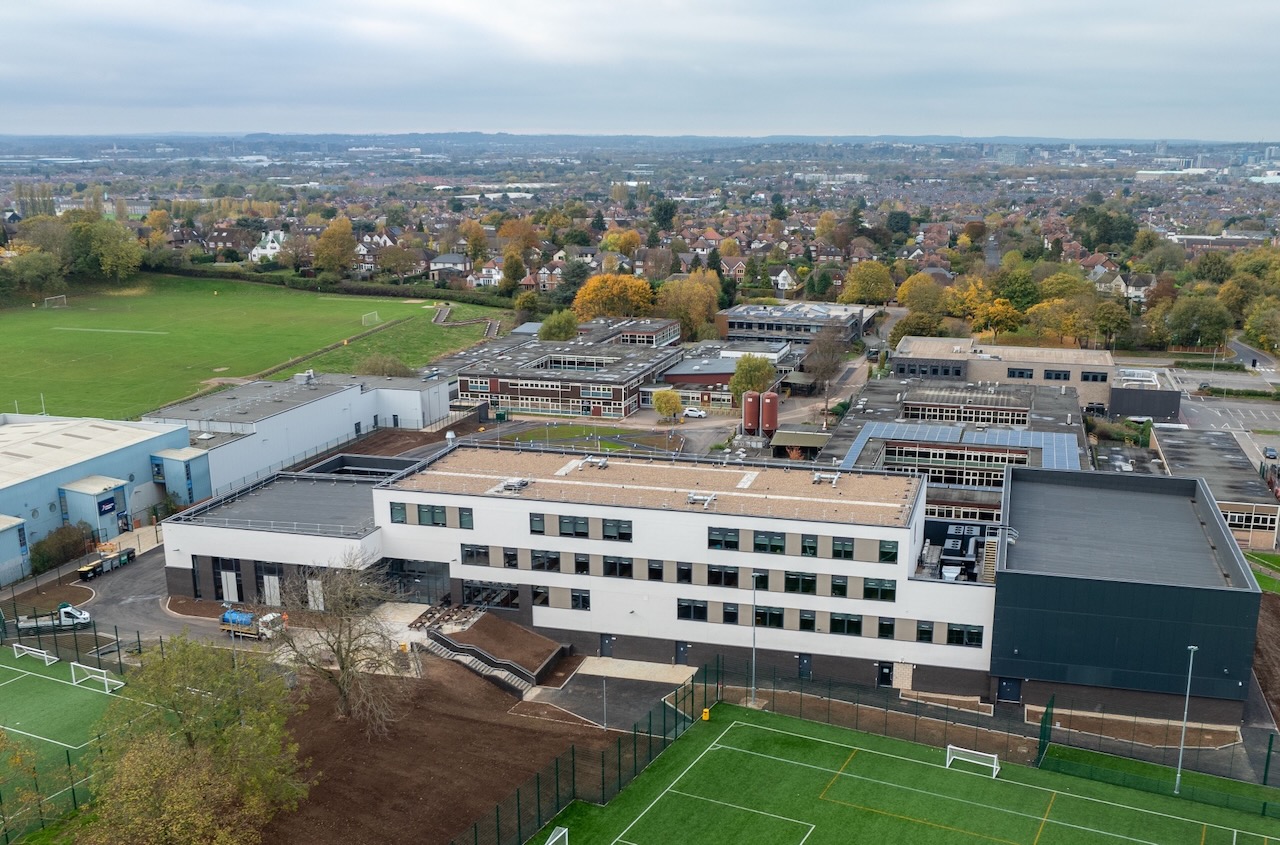
Morgan Sindall Construction has completed a £32m expansion of Rushcliffe Spencer Academy in Nottinghamshire, adding capacity for 450 extra secondary pupils and 110 sixth formers while keeping the school operational under fully segregated construction zones. Works included a new teaching block with modern classrooms and offices, demolition of the existing leisure centre, refurbishment of the Notts Gymnastics Academy, remedial fire safety upgrades, and new external infrastructure including an all-weather pitch, reconfigured car parking and bus drop-off. The scheme generated £39.9m in measured social value, equating to a 158% social value return on project cost.
Watkin Jones’ Refresh asset enhancement platform is refurbishing Aprirose’s 141‑studio Central Studios purpose-built student accommodation in Reading, with phased works running from March through summer 2026 in a fully occupied building. The programme includes soft refurbishment of individual studios, upgrades to circulation spaces and a full reconfiguration of amenity and reception areas to unlock underutilised floorplate and meet current PBSA expectations. For designers and contractors, the project shows a live-environment strategy relying on phased sequencing to minimise disruption while extending asset lifecycle.
Scottish energy and infrastructure firm Global has acquired Pier Solutions and created Global Modular, based at Pier’s 44,000 ft² Inverurie facility with overhead lifting cranes for assembling e‑houses, substations and other transmission-critical modules. The 20-strong Pier team will transfer into the new division, which targets growth to around 100 staff within 12 months to serve transmission, offshore energy, nuclear, defence and transport projects from its Kintore and Inverurie sites. Global is coupling factory-based modular manufacture with front-end design from Apollo and Arthian to cut embodied carbon, waste and programme durations on EPC schemes.
Haulotte has agreed a partnership with Ukrainian Unmanned Technologies (UUT) to industrially scale UUT’s RAVLYK (UMP-2) electric 6x6 all‑terrain robotic ground logistics platform, announced at the Eurosatory 2026 defence show. The modular RAVLYK, already at TRL‑9 with serial production in several Ukrainian defence plants, can be reconfigured in under 30 minutes for logistics, casualty evacuation, reconnaissance, and operational support. Haulotte will contribute manufacturing capacity, quality systems, and service support, with potential crossover into civilian crisis response and hazardous‑environment industrial operations.
Sunbelt Rentals deployed a new modular barrier system to manage a 37,000-capacity Champions League Final screening at Emirates Stadium and Arsenal’s four-bus open-top victory parade across London on 30–31 May. Crews installed the route-control and access-management infrastructure overnight, completing by 04:00 ahead of the 14:00 parade departure, then executed a phased derig while crowds were still dispersing. The first full-scale deployment showed the system’s ability to provide a discreet “invisible backbone” for high-density urban events with tight programme constraints.
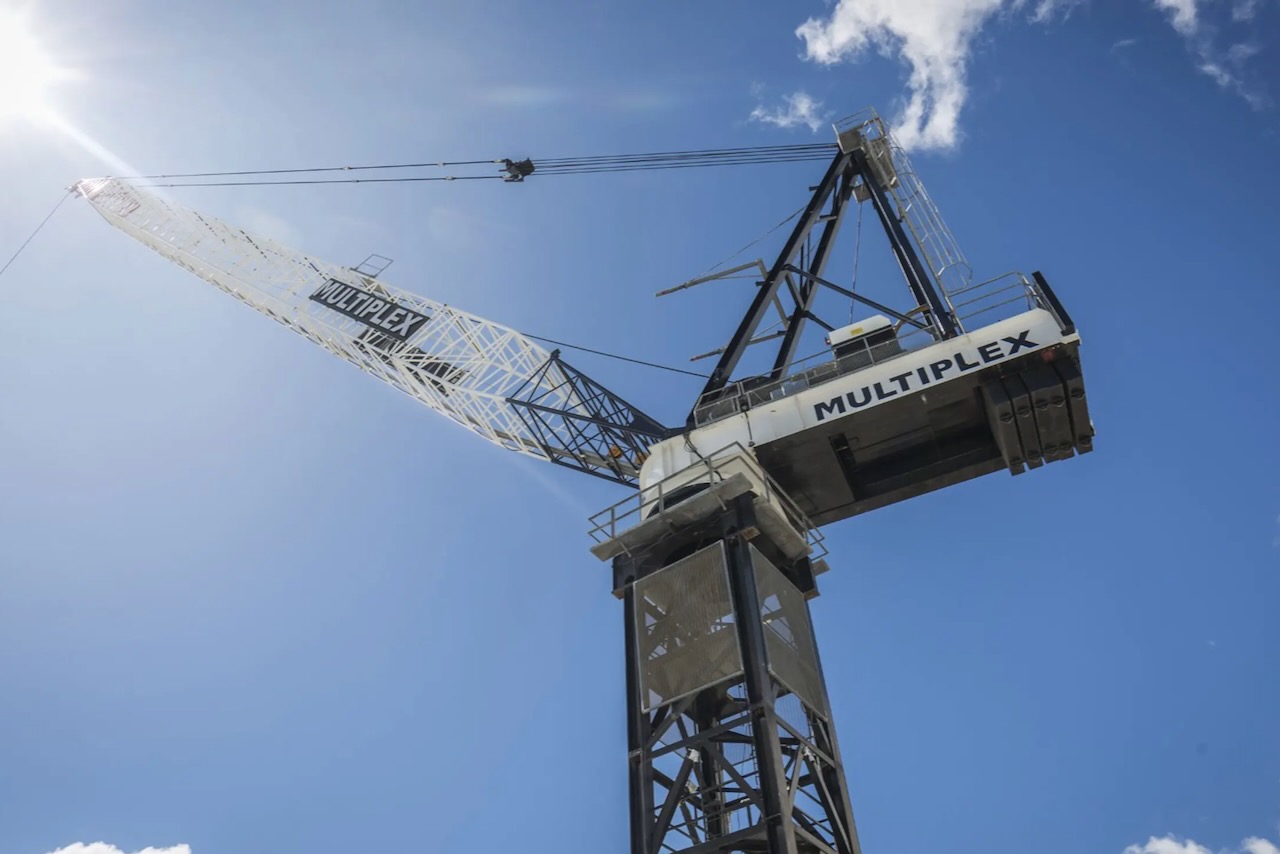
Obayashi Corporation has acquired 100% of BCI UK Holdings Limited, making Australian‑founded contractor Multiplex a wholly owned subsidiary to anchor expansion in Australia, the UK and Canada. Multiplex brings a portfolio of high value-added, technically complex projects, including high-rise towers, hospitals and data centres, plus a strong London office and mixed‑use track record, into Obayashi’s existing North American and Southeast Asian construction platform. The deal keeps Multiplex’s brand and leadership intact, but gives Obayashi immediate scale in key developed markets with mature legal frameworks and stable infrastructure pipelines.
AIM Intelligent Machines is integrating Ouster’s new Rev8 digital LiDAR into its retrofit autonomy kits for heavy earthmoving equipment, targeting mining and large earthworks fleets. The agreement will see Rev8 sensors used on dozers, excavators and haul trucks to provide 3D perception for obstacle detection, collision avoidance and precise blade/bucket control in dust, low light and high-vibration environments. For mine operators, the move signals more off-the-shelf autonomy options for brownfield fleets without full machine replacement, with LiDAR-centric perception sitting alongside GNSS and onboard AI.
Hudbay Minerals has broken ground on the New Ingerbelle expansion at its Copper Mountain open-pit copper mine in British Columbia, advancing plans to extend mine life and increase mill feed from the adjacent New Ingerbelle deposit. The ceremony, attended by Hudbay’s executive team, B.C.’s Minister of Mining and Critical Minerals and the Mining Association of British Columbia, signals provincial backing for further large-scale pit development, waste stripping and associated tailings and plant upgrades. For geotechnical and mine planners, the project points to continued high-volume truck‑shovel operations and long-term pit slope and water management commitments on the site.
Komatsu’s Canadian National Service Group has commissioned the first P&H 2300XPC AC electric rope shovel in North America at Imperial Metals’ Mount Polley copper‑gold mine in British Columbia, completing the work on 13 June. The specialised NSG team handled assembly, field commissioning and maintenance readiness for the large‑class shovel, which is designed for high‑throughput truck‑shovel operations typical of hard‑rock open pits. For mine operators, the AC drive configuration offers more precise crowd and hoist control, lower electrical losses and reduced mechanical complexity compared with DC shovels.
MintMech has opened a 750 m² Automation Manufacturing and Engineering Centre (AMEC) near Falmouth, Cornwall, to support integrated delivery of complex mining systems for projects in the UK and Ireland. The facility combines a 30-seat engineering office with a dedicated workshop and yard, enabling design, build and factory acceptance testing on one site. By drawing on offshore engineering experience, MintMech is positioning AMEC for mining projects involving high-reliability automation, harsh marine-influenced environments and modular plant assemblies.
A 2024 passenger train collision in Wales that killed one passenger has been attributed by the Rail Accident Investigation Branch primarily to low wheel–rail adhesion, with additional contributory factors. Investigators point to severely reduced braking performance on contaminated railhead conditions, where the train was unable to stop within the expected braking distance for the approach speed. The findings will likely drive closer scrutiny of railhead treatment regimes, adhesion management strategies and braking assumptions in signalling and approach control design on similar UK routes.
Transport and freight groups are warning the UK Government against diverting funds from road, rail and port upgrades to finance the planned multi‑year Defence Investment Plan. Industry bodies argue that cutting capital for schemes such as strategic road network renewals, rail freight capacity enhancements and decarbonisation corridors would constrain long‑haul logistics, increase whole‑life maintenance costs and weaken resilience to extreme weather. For civil and geotechnical contractors, any reallocation could delay major renewals frameworks and reduce the pipeline of large earthworks, structures and pavement rehabilitation projects.
Infrastructure’s role in daily life is framed as extending beyond transport, digital networks and utilities to how projects distribute benefits and burdens across different communities. The piece calls for schemes to be planned and appraised not only on capacity and cost but on who gains access to reliable public transport, high‑speed digital connectivity and resilient water and energy services. For engineers, this signals stronger emphasis on inclusive design criteria, user segmentation and social impact metrics alongside traditional performance and safety standards.
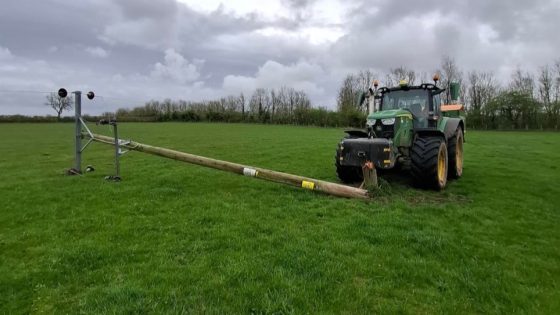
Farm machinery and agricultural vehicles have struck overhead powerlines and other electrical assets 22 times in the past 12 months in the North West of England, prompting a formal safety warning from the regional network operator. Incidents typically involve high-reach kit such as telehandlers, slurry tankers and combine harvesters contacting 11kV and 33kV lines on field margins and farm access tracks. Civil and farm infrastructure designers are being urged to review clearance envelopes, access road alignments and signage to reduce strike risk during peak harvesting and slurry-spreading operations.
Ballot is now open for Institution of Civil Engineers members to elect new representatives to the ICE Trustee Board and Council, giving chartered, incorporated and graduate members a direct say in governance and strategic direction. Successful candidates will influence priorities on infrastructure policy, climate resilience, digital engineering and professional standards, which in turn shape guidance, training and best practice documents widely used on UK and international projects. Practitioners should check eligibility, review candidate statements and vote before the ballot deadline to ensure their sector and regional interests are represented.
Bringing together expertise to tackle infrastructure challenges is framed around the Institution of Civil Engineers convening practitioners to address complex, fast-changing infrastructure demands, from climate resilience to ageing assets. The piece stresses cross-disciplinary collaboration between geotechnical, structural and transport engineers, with members sharing practical experience on issues such as flood defence upgrades, urban tunnelling constraints and whole-life performance of major assets. For practitioners, the message is that structured knowledge exchange and peer networks are becoming as critical as design codes for managing risk and delivering robust infrastructure.
Anne Marie Conibear has been named the recipient of the Institution of Civil Engineers Republic of Ireland Outstanding Achievement Award 2026, recognising her contribution to civil engineering in the region. While specific projects are not detailed, the award typically reflects sustained leadership on complex infrastructure delivery, professional standards, and mentoring within the ICE RoI community. Practitioners can expect her work to continue influencing best practice in Irish transport, water and geotechnical schemes through ICE committees, guidance and knowledge-sharing activities.
Continually striving to be “carbon competent” is framed as core business practice for civil and infrastructure engineers, not an optional add‑on, given construction’s position among the largest global CO₂ emitters. The piece stresses embedding whole‑life carbon assessment alongside cost from concept stage, using PAS 2080‑style baselines, carbon factors for key materials such as cement and steel, and early optioneering to avoid high‑carbon designs. Firms that normalise carbon literacy in project teams are portrayed as better placed to win low‑carbon tenders, manage regulatory risk and protect margins as carbon pricing tightens.
ICE is bucking the national trend of falling engineering registrations, remaining one of the strongest performing professional institutions in the UK in 2025. While other UK engineering bodies report year‑on‑year declines in new chartered and incorporated engineers, ICE is recording growth in professional registrations across its core civil, structural and infrastructure disciplines. For consultants, contractors and asset owners, this signals a deeper pool of professionally accredited civil engineers for roles tied to NEC4 delivery, safety‑critical design sign‑off and UK-SPEC/CEng competence requirements.
Delivery of the Institution of Civil Engineers’ Carbon Management Plan is focusing on quantifying and cutting operational emissions from its estate, events and digital activities, with trustees targeting Scope 1, 2 and key Scope 3 sources. Current priorities include metered energy reduction in offices, low‑carbon procurement for facilities management, and tighter travel policies for conferences and committee meetings. For practising engineers, the approach signals stronger expectations on whole‑life carbon reporting, supplier data quality and alignment with PAS 2080 and emerging UK net zero requirements.
Endeavour Silver’s latest drilling at the Terronera mine in Jalisco, Mexico, is returning high-grade intercepts outside the current 10‑year mine plan, including 10 metres at 282 g/t silver and 1.8 g/t gold in hole TRU‑001 and 9 metres at 150 g/t silver and 6.3 g/t gold in TRU‑003. Two rigs are testing extensions on the main Terronera vein and the La Luz system through Q4, with La Luz hits such as 2.95 metres at 176 g/t silver and 3.84 g/t gold (LL‑44) confirming mineralisation remains open along strike and at depth. With Terronera already hosting 7.38 million proven and probable tonnes at 197 g/t silver and 2.25 g/t gold, analysts see scope for resource growth and mine‑life extension as underground drill platforms are developed.
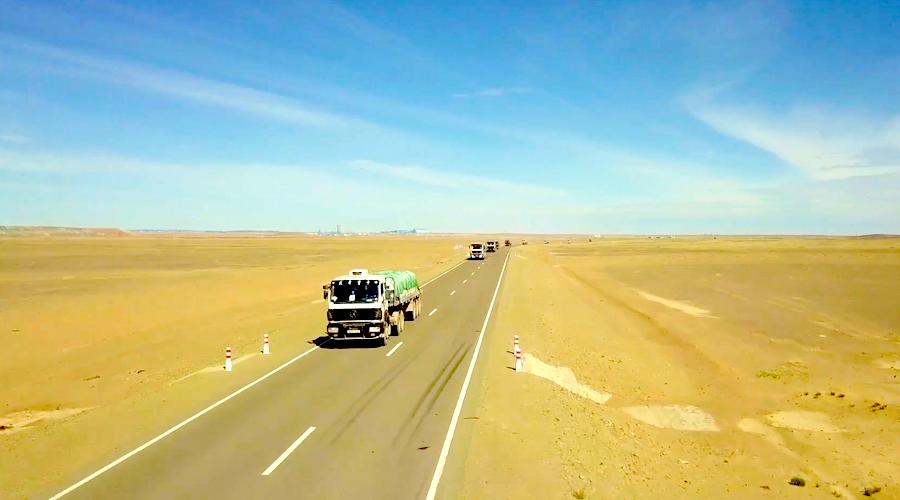
Copper concentrate exports from Rio Tinto’s Oyu Tolgoi mine in Mongolia resumed on Thursday after Radical Reform Movement protesters briefly blocked the main haul route for concentrate trucks to the Chinese border. The disruption comes as the Mongolian government, holding 34% via Erdenes Mongol LLC, pushes to reopen commercial terms, accelerate dividend payments and pursues legal action over alleged tax underpayments, despite Rio having waived $2.4 billion of state debt in 2022. Oyu Tolgoi, 66% owned by Rio, is slated to be the world’s fourth-largest copper mine by 2030 as underground output ramps up.
Energy Fuels has secured a conditional loan commitment of up to $725 million from the US Department of War’s Office of Strategic Capital to build a US-based rare earth separation and metallisation facility, expanding beyond its existing uranium and rare earth oxide operations at the White Mesa Mill in Utah. The project targets the midstream “mine-to-magnet” bottleneck by supplying separated rare earths for permanent magnet plants serving EVs, wind turbines, HDDs and defence systems, amid Chinese export restrictions. The loan is contingent on financial, legal and technical due diligence, with OSC debt commitments now exceeding $5 billion across fiscal 2026.
Falco Resources’ updated feasibility study for the Horne 5 underground polymetallic project in Rouyn-Noranda lifts post-tax NPV (5% discount) to C$3.35 billion, up 244% from 2021, with initial capex rising to C$1.75 billion and IRR increasing to 28%. The 80.9 million tonnes of proven and probable reserves grade 1.44 g/t gold, 14.1 g/t silver, 0.17% copper and 0.77% zinc, supporting a 15-year mine life producing 3.3 Moz gold, 27.2 Moz silver, 1.1 Blb zinc and 247.3 Mlb copper. Quebec’s Environment Ministry expects to complete its acceptability analysis by autumn 2026, while Glencore holds development rights and an offtake for copper and zinc concentrates tied to its nearby smelter.