Geomechanics, Streamlined.
© 2026 Geomechanics.io. All rights reserved.
Menzies’ Fixing the Foundations report warns that 86% of UK construction firms are already in, or expect to be in, serious financial distress within eight months, driven by late payments now averaging 53 days overdue across 93% of businesses. One in five firms is effectively bankrolling projects from its own working capital while waiting for clients, contractors or supply chain partners to pay, and 18% rank late payment as one of the biggest threats to their survival. Partner Freddy Khalastchi urges early financial diagnostics and tighter cashflow visibility before order books mask unprofitable work.
Repeated strikes on live electricity cables during street works in Britain are being blamed on poor subsurface mapping and fragmented utility records, with contractors often relying on outdated paper plans and limited ground-penetrating radar surveys. German cities are cited as a benchmark, using centralised digital cadastres of buried assets, mandatory as-built 3D records and shared GIS platforms to locate power, gas, water and fibre within centimetres. For UK civil and utilities engineers, the argument is for statutory data standards, interoperable mapping and routine pre-excavation scanning to cut strikes, delays and near-miss incidents.
Scottish Hydro Electric Transmission has launched a £7.4bn multi-lot framework covering civil engineering, buildings, overhead line (OHL) and underground cable (UGC) works across its Scottish transmission network investment programme. The framework will bundle large substation platforms, foundations, access roads and control buildings with new high-voltage OHL routes and UGC sections to support grid reinforcement and connection of new generation. Contractors can expect long-duration workbanks, complex geotechnical conditions in upland and coastal corridors, and tight delivery interfaces between civils, structural and electrical packages.
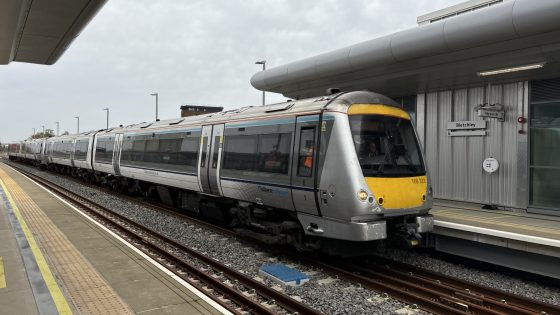
East West Rail Company has started preliminary market engagement for a long-term programme assurance partner contract valued at up to £300M to support delivery of the Oxford–Cambridge rail link. The consultancy role will span multi-phase design, consents and construction assurance across new and upgraded track, stations and junctions on the East West Rail corridor. Prospective bidders should expect extensive systems integration, cost and schedule risk management, and independent technical assurance for interfaces with existing Great Western, Chiltern and East Coast Main Line infrastructure.
A joint venture led by Lane, part of Italy’s Webuild Group, has secured a US$1bn (£743M) contract to build a deep tunnel beneath Pittsburgh, Pennsylvania, to cut combined sewer overflows into the Allegheny, Monongahela and Ohio rivers. The project will form a major element of the city’s long-term CSO control plan, intercepting and conveying storm-surcharged flows away from ageing riverfront sewers. Geotechnical focus will centre on deep urban tunnelling in mixed ground under existing utilities and foundations, with strict constraints on settlement and inflow control.
The UK's first electrified rail testing loop has opened at the Long Marston Rail Innovation Centre in Warwickshire, providing a 3.5km circuit for full-scale trials of rolling stock, power systems and infrastructure. The closed-loop track allows controlled testing of overhead line equipment, traction performance and braking behaviour without disrupting the mainline network. For civil and rail engineers, the facility offers a dedicated environment to validate designs, refine maintenance regimes and de-risk novel electrification and track technologies before deployment.
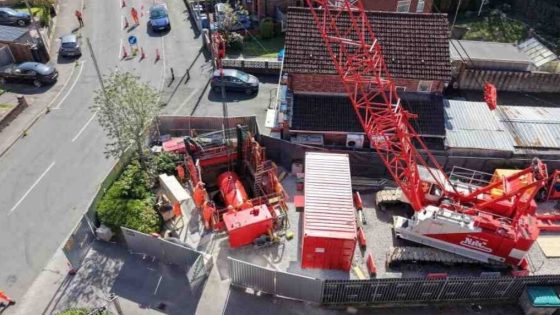
Tunnel excavation has been completed by Murphy on a major sewer upgrade in Eccles, Greater Manchester, forming the core of a new larger-diameter tunnelled sewer designed to cut local flood risk. The drive, constructed using trenchless methods beneath existing urban infrastructure, replaces an undersized legacy asset that has been prone to surcharge during intense rainfall. Completion of tunnelling now allows connection of lateral sewers and installation of new manholes and chambers, a critical stage before commissioning the increased-capacity network.
Commonwealth Fusion Systems has released five peer‑reviewed papers claiming to validate the plasma confinement and stability physics underpinning its compact, high‑field Arc fusion power plant concept. Arc is based on high‑temperature superconducting magnets to generate stronger magnetic fields in a smaller tokamak, targeting grid‑scale output in a footprint closer to a conventional thermal plant. For civil and infrastructure engineers, this supports planning for dense, urban‑adjacent fusion sites with nuclear‑grade containment structures but reduced land‑take compared with large fission stations.
Knights Brown has reported 2025 turnover of £136m, up from £116m, with a gross margin of £15m and EBITA of £5.4m, equivalent to a 4% margin. The civils and construction contractor is active in coastal defence, port infrastructure and energy schemes, signalling a workload mix weighted to heavy civil engineering rather than building. Management is now positioning for AMP8 water-sector frameworks, where long-duration, programme-based contracts could materially influence future cashflow stability and resource planning for marine, pipeline and treatment-plant works.
Base Concrete in Hemel Hempstead has purchased a second JCB TM420 telescopic wheel loader from Greenshields JCB to handle sand, cement and aggregate loading for its mobile batching lorry fleet. The TM420’s bucket capacity and boom extension were selected to match truck dimensions and cycle times in a constrained yard, avoiding both oversize machines that cannot manoeuvre and undersize units needing multiple passes. Director Paul MacGregor cites the balance of loading speed, bucket size and manoeuvrability as critical for reliable on-site concrete production.
Alliance Tool Hire has invested £900,000 in more than 20 new delivery vehicles, adding 3.5‑tonne Ford Transit 350 Leader L4 dropside vans and smaller Transit L3 models to support operations from its 10 UK depots. The Poole-headquartered firm services sites from Bath, Bristol, Salisbury, Poole, London (north, south and east), Kent, Gatwick and Newport, supplying power tools, access and survey equipment, and lifting hire and sales. Increased dropside capacity and mixed vehicle sizes should improve tool and small plant logistics to congested urban and regional infrastructure projects.
Turner & Townsend has reported 2025 global gross revenue of £5.76bn, a workforce of 22,000 and a real estate major-projects portfolio approaching £3tn in capital investment, including the UK New Hospital Programme and Barclays’ New York headquarters. Infrastructure growth is being driven by Heathrow Airport expansion, Anglian Water’s long‑term capital investment programme and the Clyde 2070 defence programme, plus new airport commissions in Vietnam, Bangalore and Perth. In energy and natural resources, the firm has been appointed a critical partner on Rolls‑Royce’s nuclear programme, extending its nuclear work across six continents.
CITB has launched an Accelerated Apprenticeships programme targeting 1,680 starts over four years to support the government’s 1.5m homes by 2029, cutting typical training duration from 2–3 years to 14–18 months for bricklaying, carpentry and roofing. Delivery uses intensive front‑loaded learning plus structured block release and on-site experience through an initial five programmes at FE colleges and training providers, expanding to 20 by mid‑2029. The first phase prioritises Greater Manchester, West Yorkshire, West Midlands, Kent, and Bedfordshire/Hertfordshire, feeding into a new National Construction Mayoral Network.
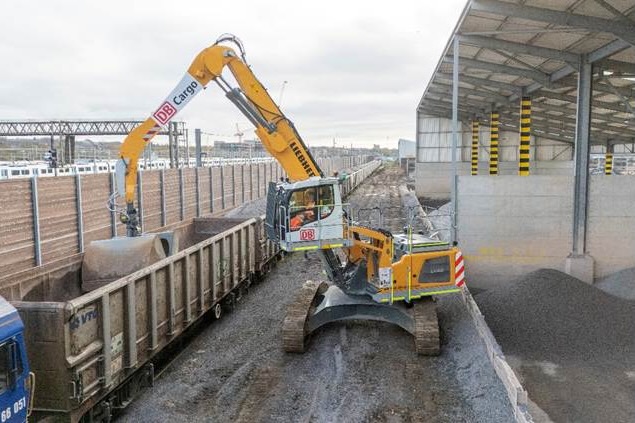
DB Cargo UK has invested £8.5m, financed via a Siemens Financial Services credit line, to purchase seven Liebherr LH 40 material handlers for its rail-served aggregate terminals. The diesel-electric LH 40 units will load construction aggregates onto freight trains, supporting higher throughputs and shifting material from road to rail. For civil and rail engineers, the move signals continued build-out of dedicated aggregate handling capacity to back large UK infrastructure and housing projects with lower-carbon logistics.
BHP has committed $160 million to community infrastructure in Port Hedland, including an $80 million upgrade of Hedland Senior High School, a new aquatic centre and dedicated service worker accommodation. The package, announced by BHP Australia president Geraldine Slattery, is the company’s largest-ever community investment in Western Australia and targets long-term liveability in the iron ore hub. For mining project planners, the spend signals continued emphasis on social licence and workforce retention in a town already constrained by housing and services capacity.
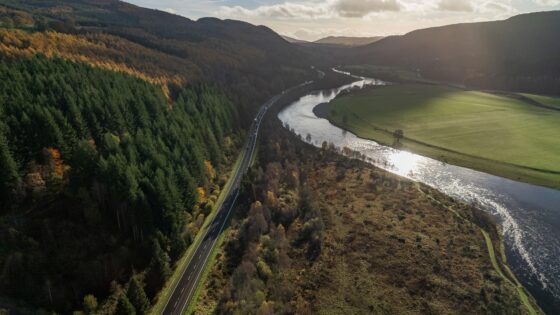
Transport Scotland has issued a £1.94bn contract notice for a multi‑lot delivery framework to dual the five remaining single‑carriageway sections of the A9 between Perth and Inverness, completing the roughly £4bn corridor upgrade. The framework will cover design and construction of new dual carriageway, associated structures and junctions, and online/offline widening through constrained Highland terrain. Contractors will need to manage complex phasing, traffic management on a live trunk road, and geotechnical risks linked to variable glacial deposits and peat.
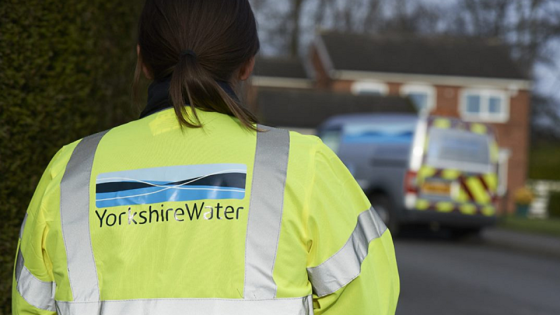
Yorkshire Water is setting up a £50M professional services framework to reinforce design and project delivery capacity for its expanding AMP8 capital programme. The framework will procure specialist resources such as civil and structural designers, project managers and cost consultants to support treatment works upgrades, network resilience schemes and major pipeline renewals across its 31,000km water and 52,000km wastewater networks. Consultants should expect multi-year call-off commissions focused on programme management, constructability, and delivery assurance rather than standalone design-only packages.
Five engineers have been shortlisted for the final of the Beyond Design Early Careers Bridges Challenge, run by New Civil Engineer with the Adept National Bridges Group and the Rochester Bridge Trust to promote innovative bridge solutions. The competition targets early-career professionals working on real-world bridge problems such as asset management, resilience and whole-life performance, rather than purely conceptual designs. For bridge owners and consultants, it signals a pipeline of young engineers being pushed to engage with durability, inspection and maintenance challenges under realistic client constraints.
Europe’s energy transition is increasingly constrained by utilities gridlock, with overloaded 110kV–400kV transmission corridors and urban distribution networks delaying grid connections for large offshore wind farms and 100MW-scale electrolysers by up to a decade. Transmission system operators and DSOs are turning to underground 132kV cable routes in dense city centres, retrofitting existing 220kV lines with high-temperature low-sag conductors, and deploying digital substations with advanced protection relays to squeeze more capacity from legacy assets. For civil and geotechnical teams, this means more complex multi-utility tunnelling, deeper cable ducts in congested ground, and tighter outage windows driving offsite prefabrication.
New guidance for UK local highway authorities sets out how to harden road networks against more frequent extreme rainfall, heatwaves and flooding linked to climate change. The document focuses on resilience planning for carriageways, embankments, cuttings and drainage assets, encouraging risk-based asset management, climate-adjusted design lives and targeted interventions on vulnerable links. Practitioners are steered towards integrating updated rainfall projections, surface water modelling and slope stability assessments into maintenance programmes and capital schemes.
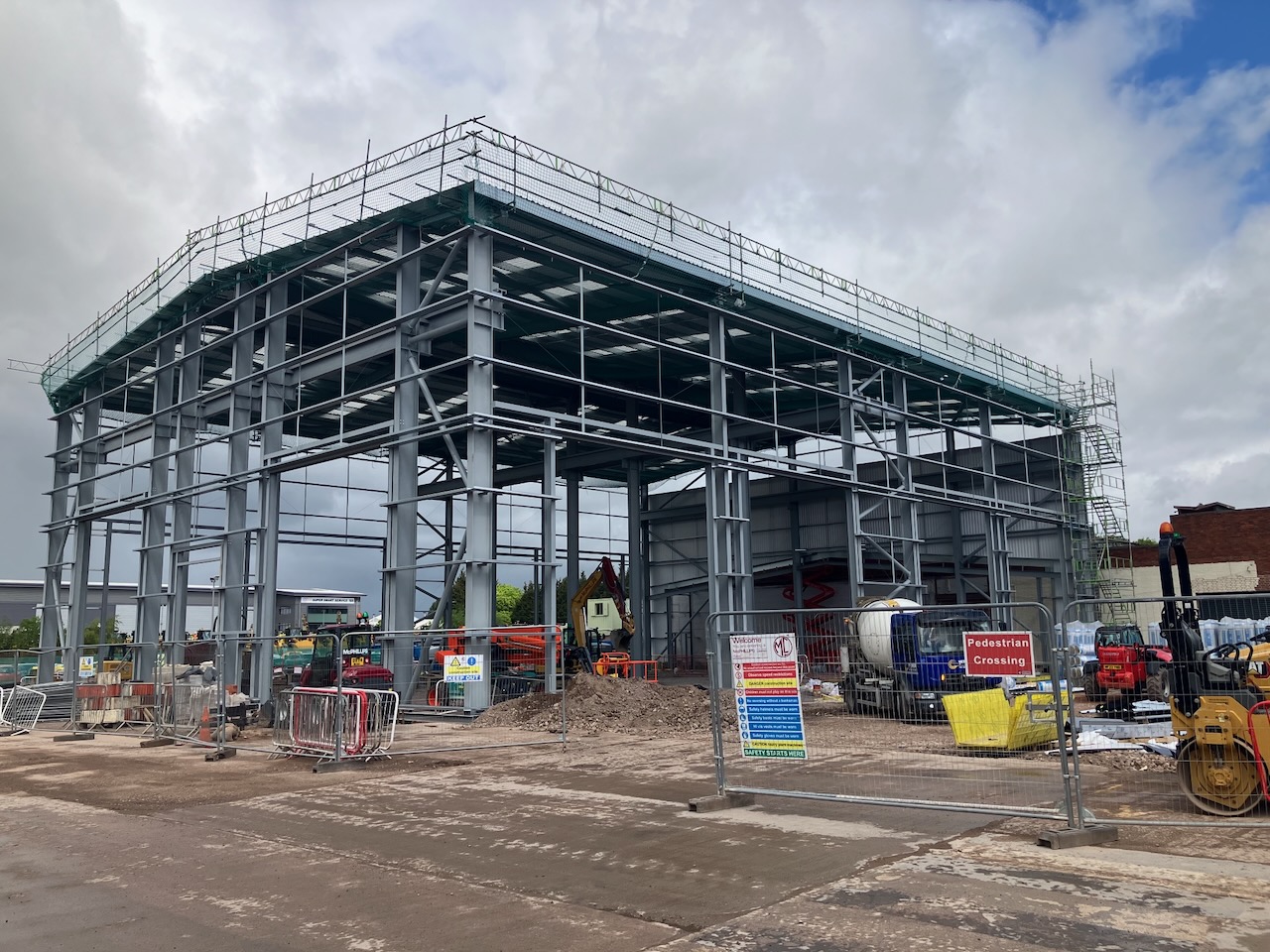
McPhillips is using a new Cat 308 mini excavator to construct a 1,230 m² Rebuild Centre of Excellence at Finning’s Cannock headquarters and has added three Cat 305s to its Shropshire fleet under a new partnership with Finning UK & Ireland. The 8‑tonne‑class 308 and 5‑tonne‑class 305 machines are being used for confined-area works on the workshop build, where lift-and-dig capability, low fuel burn and reduced noise are critical. McPhillips reports the 308’s reliability and precision are key to maintaining programme and safety in restricted zones.
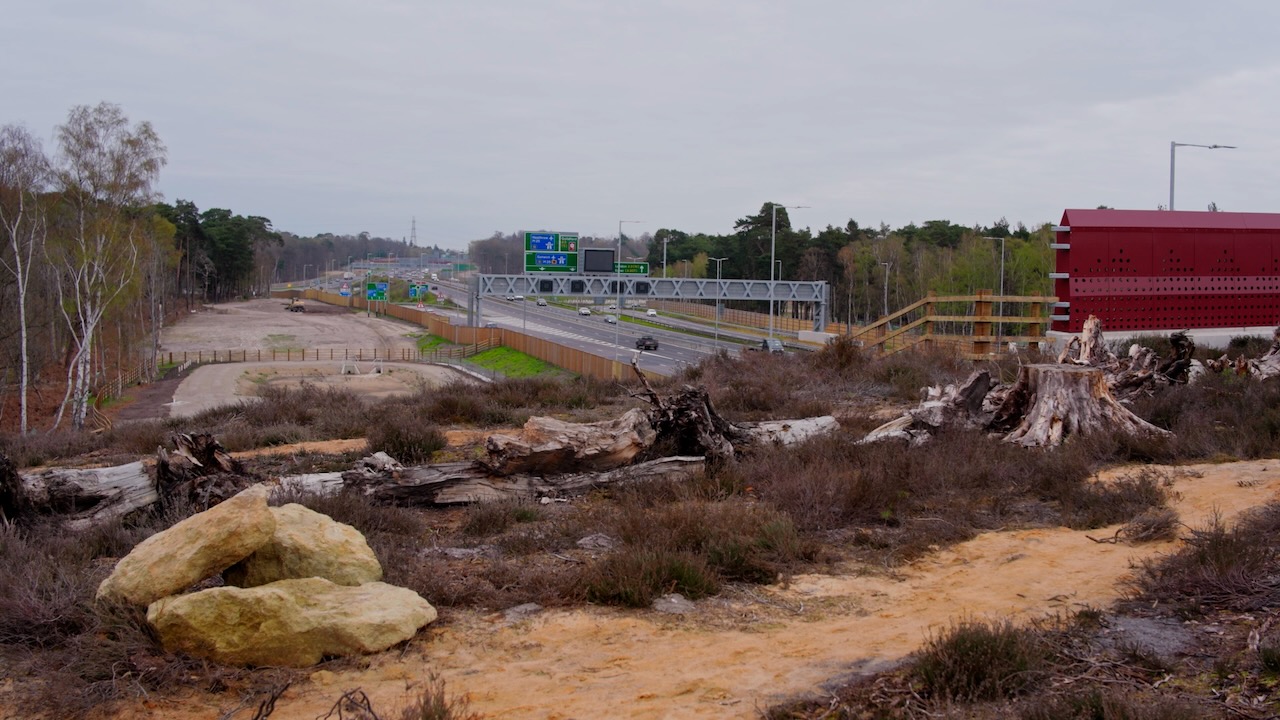
The Cockcrow Bridge, delivered by Balfour Beatty and AtkinsRéalis for National Highways, has opened as the UK’s first heathland green bridge, carrying restored lowland heath across the A3 between Ockham and Wisley Commons as part of the M25 junction 10/A3 Wisley Interchange upgrade. Around 10,000 m² of heathland turf has been translocated from nearby donor sites using specialist handling equipment, with the vegetation allowed to re‑establish gradually to support species including deer, badgers, voles and sand lizards. By reconnecting fragmented habitats in an area where heathland has declined by 85% over 200 years, the structure functions as both a multi‑user crossing and a critical ecological corridor.
AECOM has engineered the 2026 Serpentine Pavilion in London with LANZA atelier as a fully demountable hybrid prestressed masonry structure, using a slender internal steel subframe and threaded bars along the wall tops to carry roof loads and control deflection and dynamic response. To enable brick reuse without traditional mortar beds, the team relied on soft joints, wedges and shims to manage variable brick sizes and achieve uniform prestress without local damage. Full-scale physical testing was used to calibrate computational models and validate the composite action of the curved “crinkle-crankle” walls and piers.
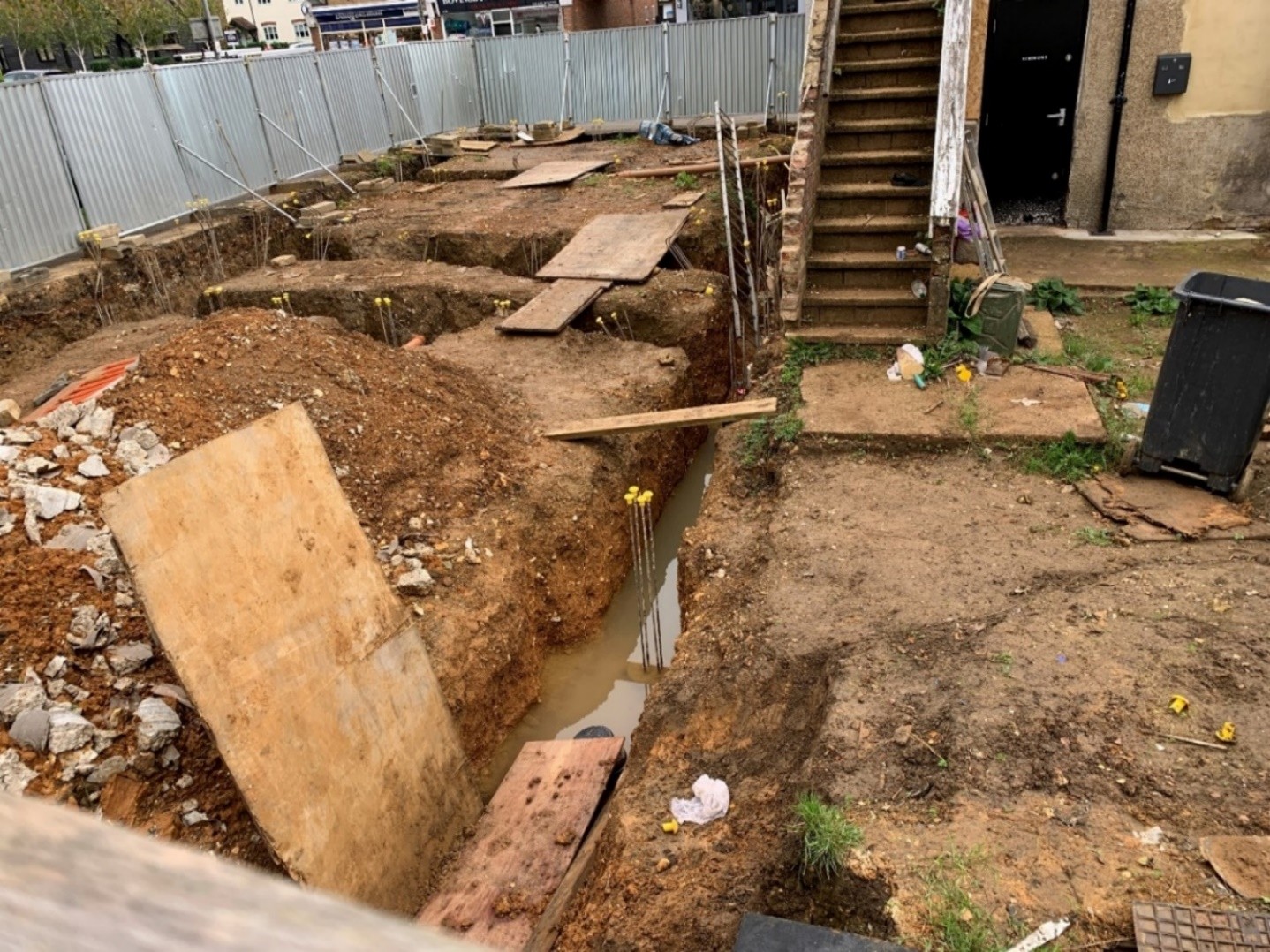
Alchemist DB Limited has been fined £20,000 plus £5,000 costs at Luton Magistrates Court after 35-year-old labourer Mykhalio Hustei died in October 2021, falling into a rainwater-filled foundation trench on a Bovington High Street flat development. An HSE investigation found criss-crossing excavation footings with no designated safe walkways, workers using unsecured, handrail-free boards and planks that bowed and became slippery in wet weather, and no dedicated site lighting. Only after enforcement did the firm install scaffold-framed walkways over exposed excavations, as required under CDM 2015 Regulation 22(2).