Wolff crane operators strike: programme and safety implications for UK projects
Reviewed by Tom Sullivan
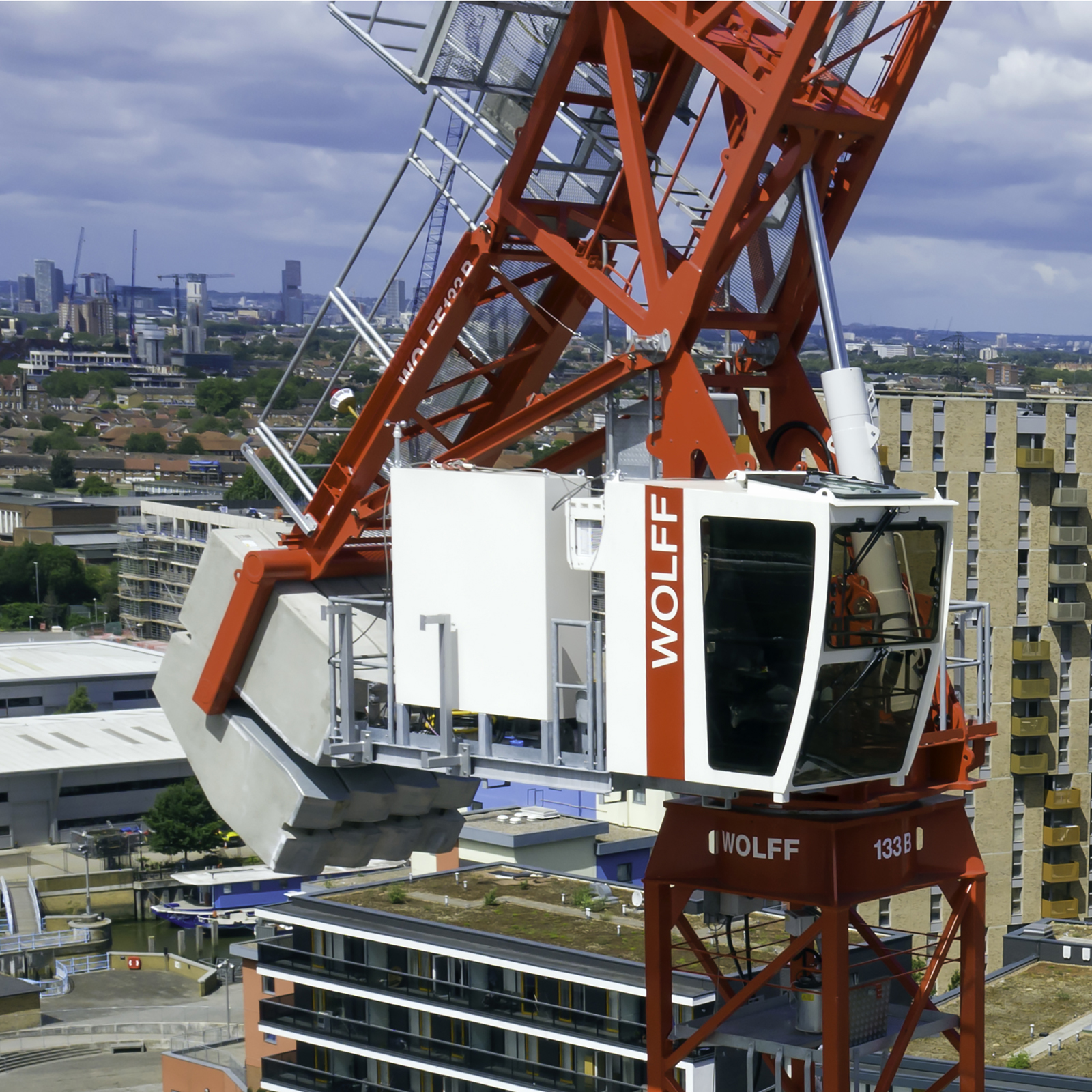
First reported on The Construction Index
30 Second Briefing
Wolffkran UK tower crane operators have voted to strike after three years without a pay rise and proposed cuts to benefits such as standby payments, threatening disruption across major UK construction sites. Nearly 100 operators from the country’s second largest tower crane supplier, which runs more than 220 cranes, will begin action on Tuesday 27 January, then strike fortnightly with site-specific dates chosen for maximum impact. Projects potentially affected include the Grenfell Tower deconstruction, Cambridge Science Park and the new ECMWF headquarters in Berkshire.
Technical Brief
- Strike involves nearly 100 Wolffkran UK tower crane operators, affecting critical lifting operations and sequencing.
- Wolffkran operates more than 220 tower cranes nationwide, so outages could stall multiple concurrent high-rise and complex builds.
- Site-specific strike days are chosen to maximise disruption, complicating main contractors’ lift planning and programme risk management.
- A three‑year pay freeze for operators in a “difficult, dangerous and highly stressful role” raises fatigue and retention concerns.
- Proposed cuts to standby payments may reduce willingness to cover short-notice or emergency lifting, impacting safe contingency response.
- Key schemes exposed include Grenfell Tower deconstruction, where crane availability is central to controlled dismantling and debris handling.
- Cambridge Science Park and ECMWF HQ projects face potential tower crane downtime, affecting heavy module placement and just‑in‑time deliveries.
- For similar UK projects heavily reliant on tower cranes, contractors may need alternative lifting strategies and more robust industrial‑action contingencies.
Our Take
With Wolffkran UK controlling more than 220 tower cranes, any prolonged Unite-led stoppage in the United Kingdom is likely to affect critical-path lifting on high-profile schemes like the Grenfell Tower deconstruction and Cambridge Science Park, forcing main contractors to re-sequence works or source alternative crane capacity at short notice.
In our Infrastructure coverage, safety-tagged pieces involving labour action often precede tighter site controls or renegotiated method statements, so this dispute may translate into more stringent lifting protocols and operator consultation on complex jobs such as the new headquarters for the European Centre for Medium-Range Weather Forecasts.
The planned strike pattern of action every two weeks suggests intermittent but recurring disruption, which tends to be harder for project planners to absorb than a single continuous stoppage because it complicates booking of mobile cranes, deliveries, and just-in-time concrete and steel operations tied to tower crane availability.
Prepared by collating external sources, AI-assisted tools, and Geomechanics.io’s proprietary mining database, then reviewed for technical accuracy & edited by our geotechnical team.
Related Articles


Related Industries & Products
Construction
Quality control software for construction companies with material testing, batch tracking, and compliance management.
Mining
Geotechnical software solutions for mining operations including CMRR analysis, hydrogeological testing, and data management.
QCDB-io
Comprehensive quality control database for manufacturing, tunnelling, and civil construction with UCS testing, PSD analysis, and grout mix design management.