Vizsla Mexico kidnappings: security and risk lessons for mine project teams
Reviewed by Tom Sullivan
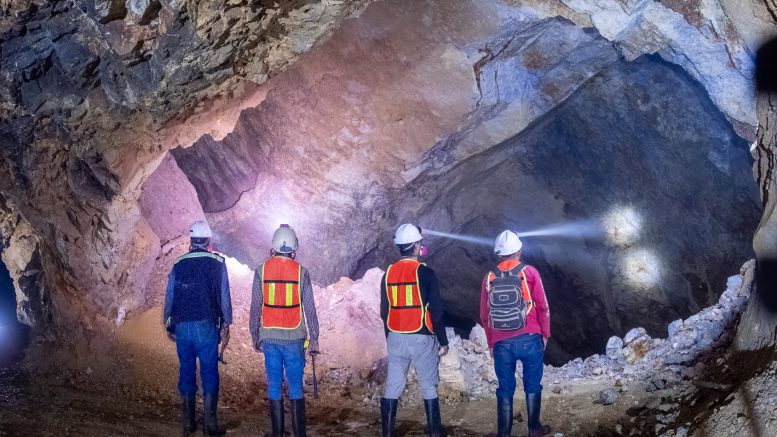
First reported on MINING.com
30 Second Briefing
Vizsla Silver has confirmed two more deaths among the 10 workers kidnapped from its Panuco silver-gold project near Concordia, Sinaloa, in late January, bringing the death toll to seven as Mexican authorities continue search and investigation efforts amid cartel-related violence about 50 km east of Mazatlán. The company is reviewing and tightening on-site security protocols in coordination with local authorities, directly affecting risk planning for future underground and surface operations at Panuco, which targets first production in 2027. Vizsla’s Toronto-listed shares dropped as much as 4.6% to C$5.39 before recovering to C$5.51, leaving its market capitalisation around C$1.9 billion.
Technical Brief
- Security protocol review is being undertaken jointly by Vizsla Silver and municipal/state authorities in Sinaloa.
- Rival cartel factions are explicitly cited by authorities as a key external risk driver for site operations.
- Ongoing official search and investigation efforts require sustained company logistical, data and liaison support with law enforcement.
- Vizsla is maintaining formal corporate support structures for affected families alongside operational security changes.
- Market response saw TSX/NYSE-listed VZLA drop 4.6% intraday to C$5.39 before partial recovery.
Our Take
Within the 1108 Mining stories in our database, only a small subset of safety‑tagged pieces involve mass abductions or fatalities near project sites, so the Panuco incident in Sinaloa stands out as an extreme security-risk case for a listed silver developer with a C$1.9‑billion market value.
The relatively modest intraday share-price move for Vizsla Silver in Toronto, despite a confirmed death toll among abducted workers, suggests investors may be treating this as a localised security shock rather than a fundamental change to long‑term silver and gold project economics in Mexico.
For operators planning projects in regions like Concordia and Coahuila, our safety‑tagged coverage indicates that security risk is increasingly being treated on par with geotechnical and permitting risk, implying higher upfront costs for site access control, worker transport protocols, and community/security agreements.
Prepared by collating external sources, AI-assisted tools, and Geomechanics.io’s proprietary mining database, then reviewed for technical accuracy & edited by our geotechnical team.
Related Articles


Related Industries & Products
Mining
Geotechnical software solutions for mining operations including CMRR analysis, hydrogeological testing, and data management.
Tunnelling
Specialised solutions for tunnelling projects including grout mix design, hydrogeological analysis, and quality control.
CMRR-io
Streamline coal mine roof stability assessments with our cloud-based CMRR software featuring automated calculations, multi-scenario analysis, and collaborative workflows.
HYDROGEO-io
Comprehensive hydrogeological testing platform for managing, analysing, and reporting on packer tests, lugeon values, and hydraulic conductivity assessments.
GEODB-io
Centralised geotechnical data management solution for storing, accessing, and analysing all your site investigation and material testing data.