Scotland’s no-SMR stance: grid, civil and port works outlook for engineers
Reviewed by Tom Sullivan
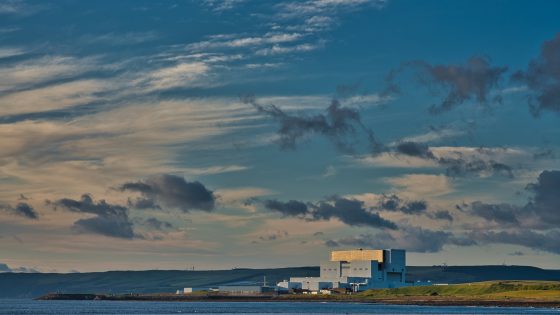
First reported on New Civil Engineer
30 Second Briefing
Scotland will not support new nuclear projects, with ministers rejecting small modular reactors and fusion as “unproven” and “experimental” and instead prioritising capital for onshore and offshore wind, solar and marine renewables. The policy stance signals future grid and civil works centred on high-penetration variable generation, storage and transmission upgrades rather than nuclear-grade foundations, containment structures and cooling water infrastructure. Developers can expect planning and funding levers to favour large offshore wind arrays, repowering of existing wind farms and associated port, cable route and substation construction.
Technical Brief
- Nuclear developers face a de facto planning barrier in Scotland, regardless of UK-wide SMR initiatives.
- Grid reinforcement in Scotland must accommodate renewables-only baseload strategy, not firm nuclear capacity blocks.
- Long-term skills demand in Scotland shifts from nuclear-qualified civil/structural engineers towards offshore, marine and grid infrastructure specialists.
Prepared by collating external sources, AI-assisted tools, and Geomechanics.io’s proprietary mining database, then reviewed for technical accuracy & edited by our geotechnical team.
Related Articles



Related Industries & Products
Construction
Quality control software for construction companies with material testing, batch tracking, and compliance management.
Mining
Geotechnical software solutions for mining operations including CMRR analysis, hydrogeological testing, and data management.
QCDB-io
Comprehensive quality control database for manufacturing, tunnelling, and civil construction with UCS testing, PSD analysis, and grout mix design management.