Geomechanics.io

  • Free Tools
Sign UpLog In

Geomechanics.io

Geomechanics, Streamlined.

© 2026 Geomechanics.io. All rights reserved.

Geomechanics.io

CMRR-ioGEODB-ioHYDROGEO-ioQCDB-ioFree Tools & CalculatorsBlogLatest Industry News

Industries

MiningConstructionTunnelling

Company

Terms of UsePrivacy PolicyLinkedIn
    AllGeotechnicalMiningInfrastructureMaterialsHazardsEnvironmentalSoftwarePolicy
    Sustainability

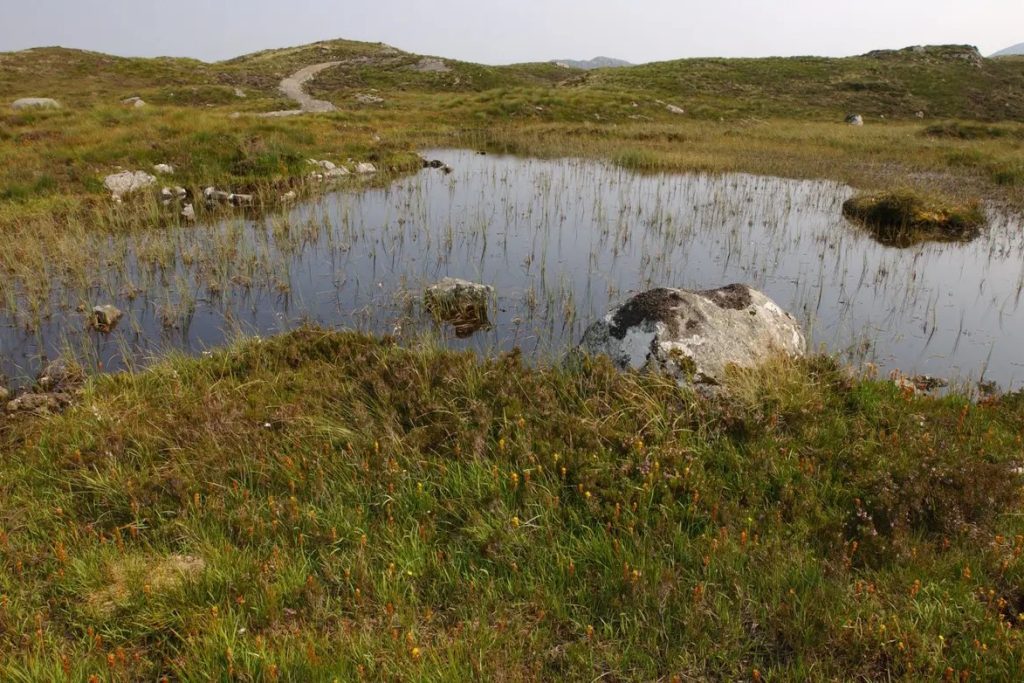
    Scotland carbon cuts and CCC warning: infrastructure planning takeaways

    February 25, 2026|

    Reviewed by Joe Ashwell

    Scotland carbon cuts and CCC warning: infrastructure planning takeaways

    First reported on New Civil Engineer

    30 Second Briefing

    Scotland is on course to meet most emissions cuts required in its first carbon budget for 2026–2030, but the Climate Change Committee warns that weak long‑term policy on building heat decarbonisation and negative emissions technologies threatens later targets. The CCC points to slow progress on large‑scale heat pump deployment, limited clarity on phasing out high‑carbon heating systems, and uncertainty over engineered removals such as bioenergy with carbon capture and storage. For infrastructure planners, this signals potential future policy shifts in heat networks, retrofit standards and CCS‑ready industrial projects.

    Technical Brief

    • CCC assessment focuses on Scotland’s first carbon budget period of 2026–2030.
    • Committee flags policy gaps specifically in building heating and negative emissions technologies, not general decarbonisation.
    • Report distinguishes between “credible plans” for early budgets and weaker arrangements for later carbon budgets.

    Our Take

    Within our 138 Policy stories, Scotland appears less frequently than England or Wales, so a CCC warning on 2026–2030 planning signals that Scottish infrastructure and planning regimes may soon face tighter scrutiny on embodied and operational carbon performance.

    For civil and mining operators in Scotland, the 2026–2030 carbon budget window effectively aligns with typical design and consent cycles, meaning projects now entering planning will likely be benchmarked against more stringent CCC-aligned trajectories rather than historic UK averages.

    Across our 395 Sustainability-tagged pieces, early-stage decarbonisation gains often come from power and buildings, so the CCC’s focus here implies that harder-to-abate sectors such as construction materials and heavy civil works in Scotland may be pushed to adopt low-carbon products and methods earlier in the 2030s than many business plans currently assume.

    Geotechnical Software for Modern Teams

    Centralise site data, logs, and lab results with GEODB-io, CMRR-io, and HYDROGEO-io.

    No credit card required.

    • Save and export unlimited calculations
    • Advanced data visualisation
    • Generate professional PDF reports
    • Cloud storage for all your projects

    Prepared by collating external sources, AI-assisted tools, and Geomechanics.io’s proprietary mining database, then reviewed for technical accuracy & edited by our geotechnical team.

    Related Articles
    Water industry renationalisation referendum: funding and asset impacts for engineers
    Policy
    4 days ago

    Water industry renationalisation referendum: funding and asset impacts for engineers

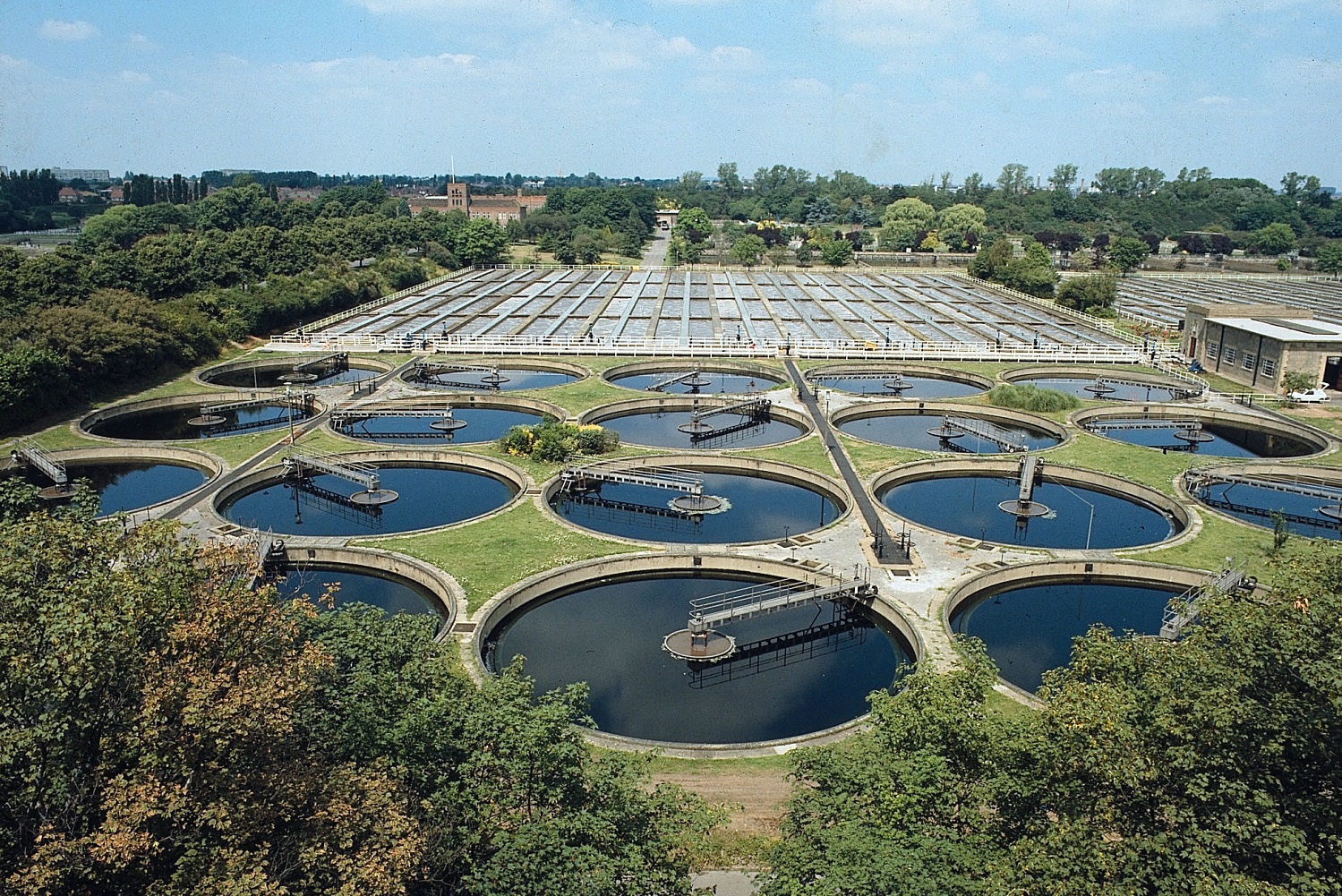
    Calls for a national referendum on renationalising England’s privatised water and sewerage companies have intensified after 20,000 people signed a petition launched by a campaigner from Channel 4’s “Dirty Business” series. The move targets companies responsible for combined sewer overflows, long-term leakage issues and high storm discharge volumes into rivers and coastal waters. Any shift to public ownership would directly affect funding models for major wastewater upgrades, long-life pipeline renewals and resilience works on ageing treatment works and trunk mains.

    EU–US critical minerals pact: supply security and pricing lens for projects
    Policy
    5 days ago

    EU–US critical minerals pact: supply security and pricing lens for projects

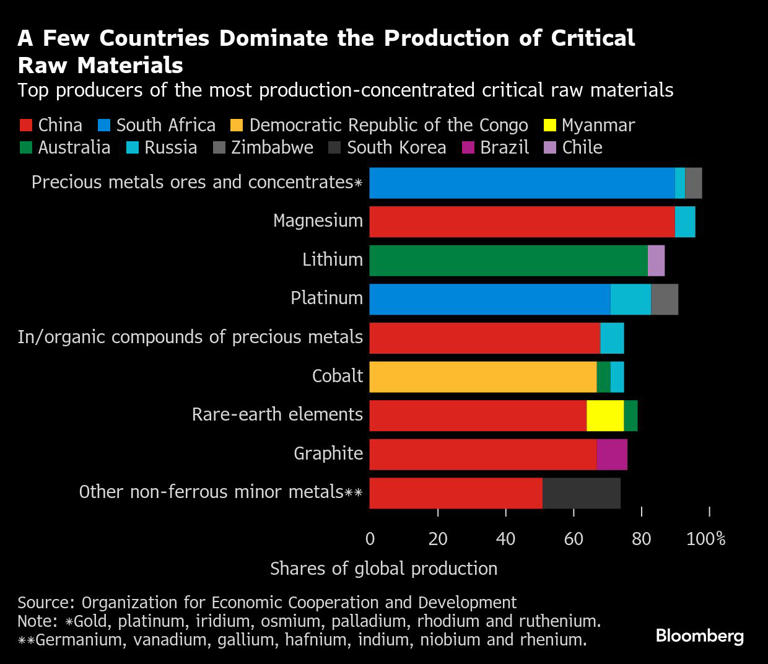
    EU and US negotiators are close to a critical minerals pact that would use tools such as minimum pricing mechanisms, subsidies and purchase guarantees to support non‑Chinese suppliers of lithium, nickel, cobalt, graphite, copper and rare earths. A leaked draft action plan calls for joint standards, coordinated investment and shared responses to supply disruptions, following Beijing’s 2025 export controls that hit rare earths and forced some European manufacturers to halt production. The framework is intended to mesh with existing US agreements with Mexico and Japan, signalling a move towards a wider multi-country minerals accord.

    Argentina’s Milei glacier mining reform: water and project risks for engineers
    Policy
    6 days ago

    Argentina’s Milei glacier mining reform: water and project risks for engineers

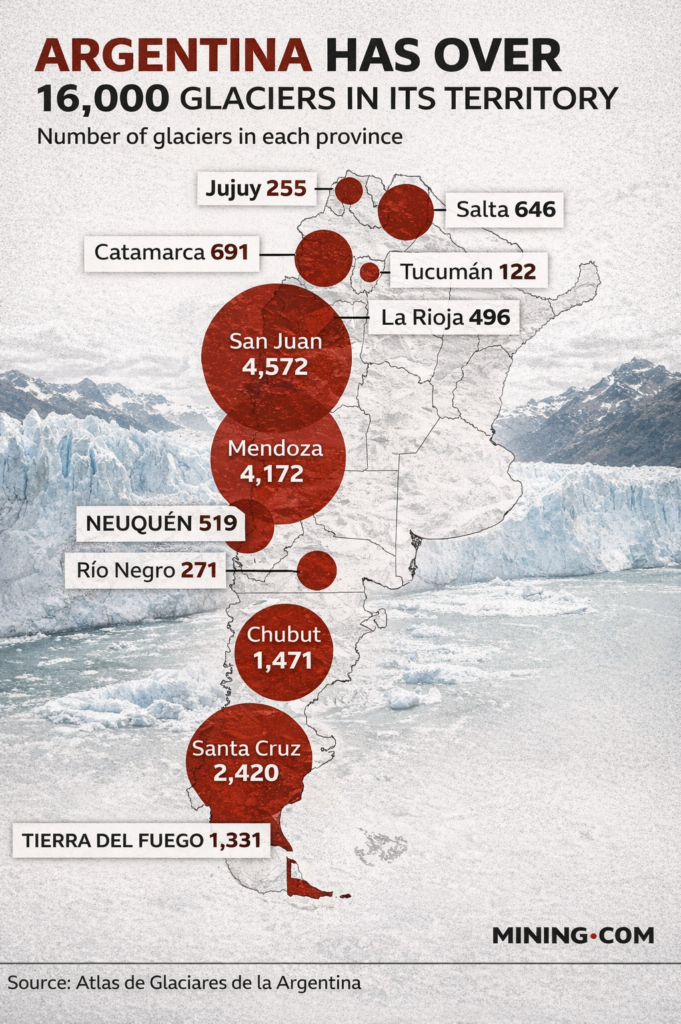
    Argentina’s Congress has approved President Javier Milei’s reform of the 2010 Glacier Law by 137–111, allowing provinces rather than a national scientific body to define which of nearly 17,000 glaciers and 8,484 sq. km of periglacial zones can host mining, including high-altitude copper, lithium and gold projects. Supporters, including provincial leaders in Mendoza, San Juan, Catamarca and Salta, and miners such as Glencore, BHP, Rio Tinto, Lundin Mining and McEwen Mining, see scope to triple exports by 2030 and reach $165 billion by 2035. Environmental lawyers and scientists warn that opening periglacial areas—key to water regulation in arid Andean basins—could threaten supplies relied on by about 70% of Argentinians and introduce fragmented, politically driven permitting standards.

    Related Industries & Products

    Construction

    Quality control software for construction companies with material testing, batch tracking, and compliance management.

    Mining

    Geotechnical software solutions for mining operations including CMRR analysis, hydrogeological testing, and data management.

    CMRR-io

    Streamline coal mine roof stability assessments with our cloud-based CMRR software featuring automated calculations, multi-scenario analysis, and collaborative workflows.

    HYDROGEO-io

    Comprehensive hydrogeological testing platform for managing, analysing, and reporting on packer tests, lugeon values, and hydraulic conductivity assessments.

    GEODB-io

    Centralised geotechnical data management solution for storing, accessing, and analysing all your site investigation and material testing data.