Geomechanics.io

  • Free Tools
Sign UpLog In

Geomechanics.io

Geomechanics, Streamlined.

© 2026 Geomechanics.io. All rights reserved.

Geomechanics.io

CMRR-ioGEODB-ioHYDROGEO-ioQCDB-ioFree Tools & CalculatorsBlogLatest Industry News

Industries

MiningConstructionTunnelling

Company

Terms of UsePrivacy PolicyLinkedIn
    AllGeotechnicalMiningInfrastructureMaterialsHazardsEnvironmentalSoftwarePolicy
    Sustainability

    Water industry renationalisation referendum: funding and asset impacts for engineers

    April 10, 2026|

    Reviewed by Joe Ashwell

    Water industry renationalisation referendum: funding and asset impacts for engineers

    First reported on New Civil Engineer

    30 Second Briefing

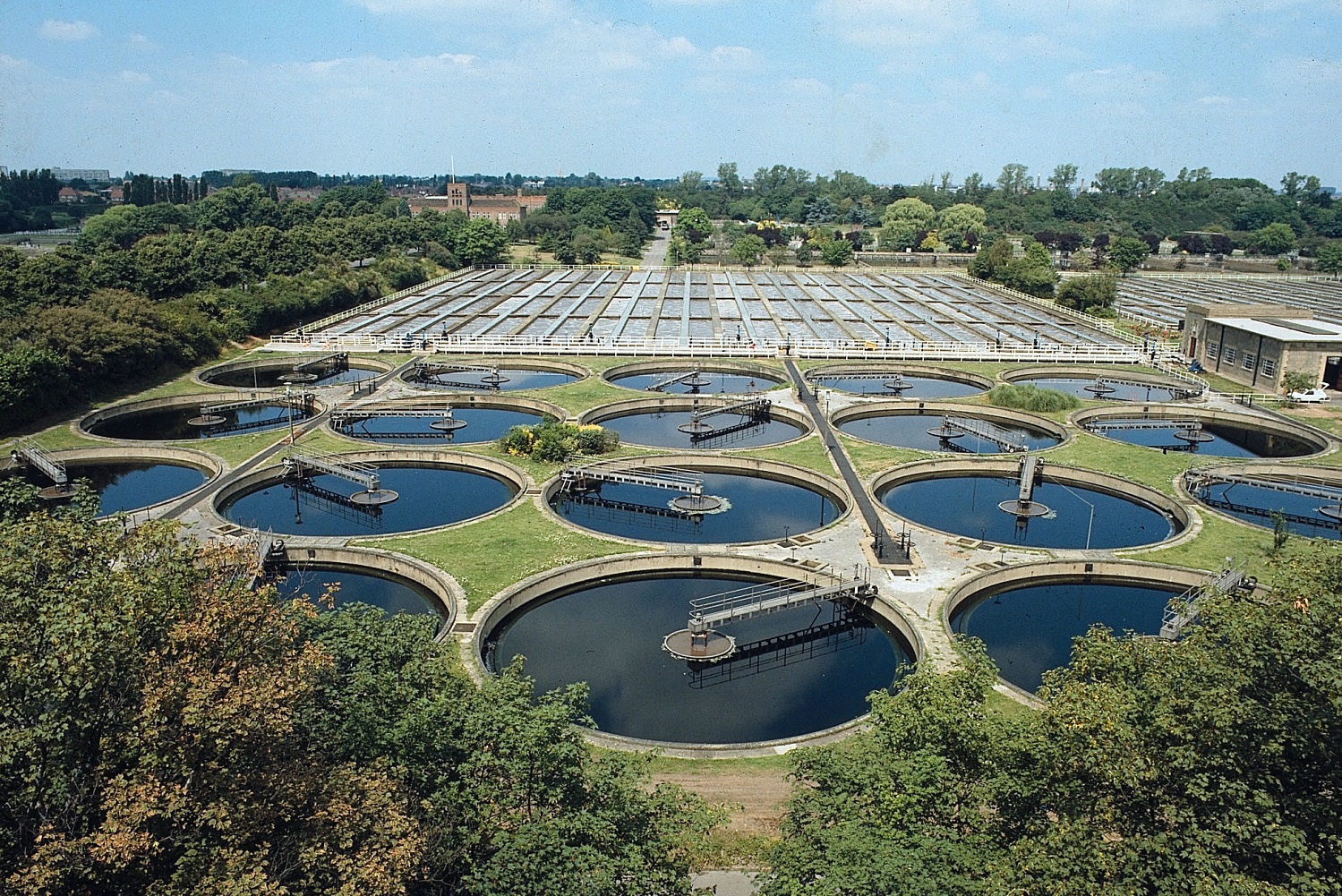
    Calls for a national referendum on renationalising England’s privatised water and sewerage companies have intensified after 20,000 people signed a petition launched by a campaigner from Channel 4’s “Dirty Business” series. The move targets companies responsible for combined sewer overflows, long-term leakage issues and high storm discharge volumes into rivers and coastal waters. Any shift to public ownership would directly affect funding models for major wastewater upgrades, long-life pipeline renewals and resilience works on ageing treatment works and trunk mains.

    Technical Brief

    • Any renationalisation would shift capex for CSO upgrades and trunk mains from private balance sheets to government.
    • Funding model changes could reprofile long-life asset renewals over long pipeline design horizons.
    • Public ownership could tighten performance obligations on infiltration, exfiltration and leakage in ageing clay and AC sewers.
    • Procurement routes for major WwTW expansions may move from regulated-utility frameworks to public-works contracts.
    • Risk allocation for groundwater ingress, surcharge and flooding on combined systems could transfer back to the state.
    • Debt restructuring of existing water companies would affect available borrowing headroom for resilience and redundancy schemes.

    Geotechnical Software for Modern Teams

    Centralise site data, logs, and lab results with GEODB-io, CMRR-io, and HYDROGEO-io.

    No credit card required.

    • Save and export unlimited calculations
    • Advanced data visualisation
    • Generate professional PDF reports
    • Cloud storage for all your projects

    Prepared by collating external sources, AI-assisted tools, and Geomechanics.io’s proprietary mining database, then reviewed for technical accuracy & edited by our geotechnical team.

    Related Articles
    EU–US critical minerals pact: supply security and pricing lens for projects
    Policy
    about 18 hours ago

    EU–US critical minerals pact: supply security and pricing lens for projects

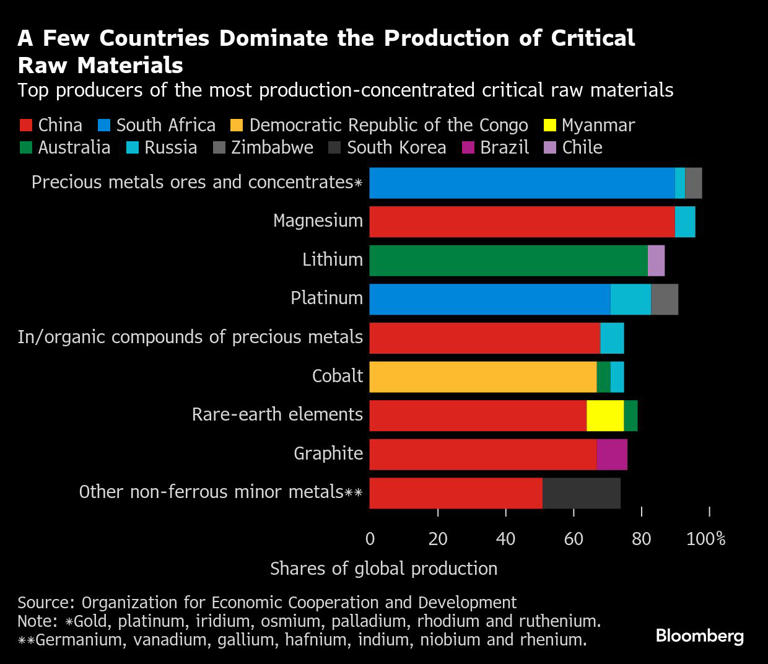
    EU and US negotiators are close to a critical minerals pact that would use tools such as minimum pricing mechanisms, subsidies and purchase guarantees to support non‑Chinese suppliers of lithium, nickel, cobalt, graphite, copper and rare earths. A leaked draft action plan calls for joint standards, coordinated investment and shared responses to supply disruptions, following Beijing’s 2025 export controls that hit rare earths and forced some European manufacturers to halt production. The framework is intended to mesh with existing US agreements with Mexico and Japan, signalling a move towards a wider multi-country minerals accord.

    Argentina’s Milei glacier mining reform: water and project risks for engineers
    Policy
    1 day ago

    Argentina’s Milei glacier mining reform: water and project risks for engineers

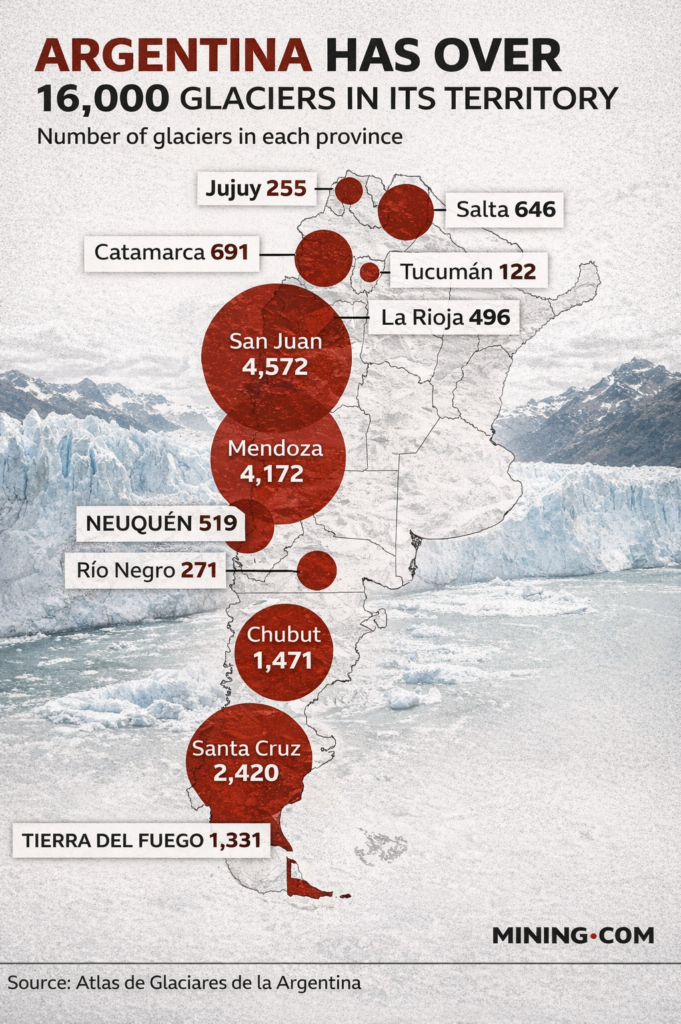
    Argentina’s Congress has approved President Javier Milei’s reform of the 2010 Glacier Law by 137–111, allowing provinces rather than a national scientific body to define which of nearly 17,000 glaciers and 8,484 sq. km of periglacial zones can host mining, including high-altitude copper, lithium and gold projects. Supporters, including provincial leaders in Mendoza, San Juan, Catamarca and Salta, and miners such as Glencore, BHP, Rio Tinto, Lundin Mining and McEwen Mining, see scope to triple exports by 2030 and reach $165 billion by 2035. Environmental lawyers and scientists warn that opening periglacial areas—key to water regulation in arid Andean basins—could threaten supplies relied on by about 70% of Argentinians and introduce fragmented, politically driven permitting standards.

    ACE Welsh infrastructure manifesto: key takeaways for project and ground engineers
    Policy
    3 days ago

    ACE Welsh infrastructure manifesto: key takeaways for project and ground engineers

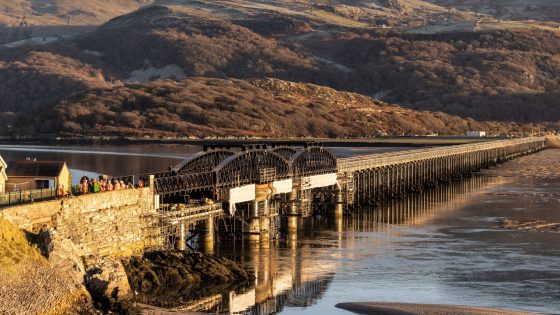
    Engineers have launched the Association for Consultancy and Engineering’s Delivering Infrastructure 2050 manifesto, calling for long-term reform of Welsh transport, energy and water networks ahead of the 7 May Senedd elections. The document presses for a stable 25-year infrastructure pipeline, faster planning and consenting for major schemes, and clearer funding models for projects such as strategic road upgrades and grid reinforcement. For geotechnical and civil practitioners, the proposals signal potential continuity of workload but also tighter scrutiny on whole-life carbon, asset resilience and value-based procurement.

    Related Industries & Products

    Mining

    Geotechnical software solutions for mining operations including CMRR analysis, hydrogeological testing, and data management.

    Construction

    Quality control software for construction companies with material testing, batch tracking, and compliance management.

    CMRR-io

    Streamline coal mine roof stability assessments with our cloud-based CMRR software featuring automated calculations, multi-scenario analysis, and collaborative workflows.

    HYDROGEO-io

    Comprehensive hydrogeological testing platform for managing, analysing, and reporting on packer tests, lugeon values, and hydraulic conductivity assessments.

    GEODB-io

    Centralised geotechnical data management solution for storing, accessing, and analysing all your site investigation and material testing data.