Geomechanics.io

  • Free Tools
Sign UpLog In
AllGeotechnicalMiningInfrastructureMaterialsHazardsEnvironmentalSoftwarePolicy

Geomechanics.io

Geomechanics, Streamlined.

© 2026 Geomechanics.io. All rights reserved.

Geomechanics.io

CMRR-ioGEODB-ioHYDROGEO-ioQCDB-ioFree Tools & CalculatorsBlogLatest Industry News

Industries

MiningConstructionTunnelling

Company

Terms of UsePrivacy PolicyLinkedIn
    Projects
    Product

    Moonshot metals scramble: alloy demand and specs explained for project engineers

    March 31, 2026|

    Reviewed by Joe Ashwell

    Moonshot metals scramble: alloy demand and specs explained for project engineers

    First reported on MINING.com

    30 Second Briefing

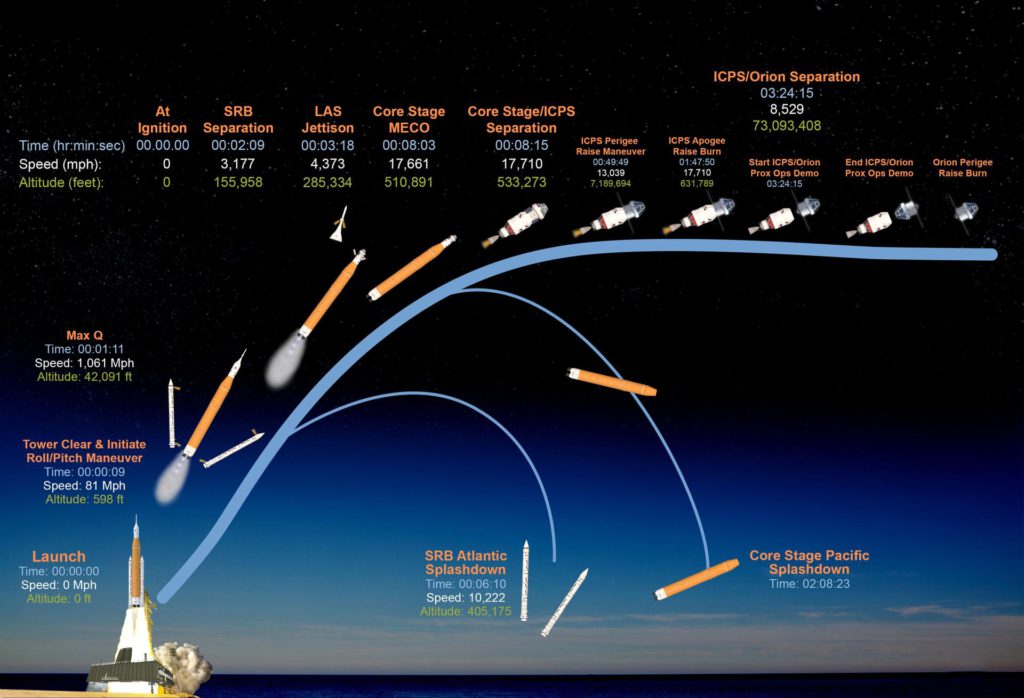
    NASA’s Orion spacecraft programme is driving demand for advanced alloys, with aluminium‑lithium in the crew module to cut mass, titanium for primary structural members, and nickel‑based superalloys in engines to withstand extreme thermal loads. These specifications exemplify how deep-space missions are tightening requirements on fatigue life, high‑temperature creep resistance and weldability in lightweight alloys. For miners and metallurgical suppliers, the mix of Al‑Li, titanium and high‑nickel feedstocks signals sustained demand for high‑purity ores and tightly controlled processing routes.

    Technical Brief

    • Aluminium‑lithium in Orion must tolerate deep‑space thermal cycling and vacuum‑driven microcracking over multi‑year missions.
    • Welded joints in Al‑Li pressure shells require tight porosity and distortion control to maintain cabin leak‑tightness.
    • Titanium structural members are sized to survive launch g‑loads plus off‑axis landing and splashdown impact events.
    • Galvanic corrosion management between titanium, Al‑Li skins and fasteners drives strict material pairing and coatings.
    • Nickel superalloy engine components face repeated start–stop cycles, demanding low‑cycle fatigue resistance in oxidising exhaust.
    • Superalloy grain structure and inclusion cleanliness are controlled to prevent crack initiation at stress concentrators.
    • Qualification of each alloy batch for Orion involves extensive coupon testing under cryogenic and elevated temperatures.
    • Similar deep‑space specifications are likely to cascade into commercial launchers, tightening aerospace‑grade metal supply chains.

    Our Take

    Aluminium‑lithium alloys and nickel‑based superalloys appear in only a small subset of the 50 recent Materials stories, signalling that this piece sits at the more specialised, aerospace‑grade end of metals coverage rather than bulk structural materials.

    For practitioners, the clustering of ‘Projects’ and ‘Product’ tags around aluminium‑lithium and nickel superalloys in our coverage typically corresponds to upstream–downstream integration moves, where miners or metal producers seek closer links with OEMs to secure long‑term offtake for these niche, high‑value materials.

    Geotechnical Software for Modern Teams

    Centralise site data, logs, and lab results with GEODB-io, CMRR-io, and HYDROGEO-io.

    No credit card required.

    • Save and export unlimited calculations
    • Advanced data visualisation
    • Generate professional PDF reports
    • Cloud storage for all your projects

    Prepared by collating external sources, AI-assisted tools, and Geomechanics.io’s proprietary mining database, then reviewed for technical accuracy & edited by our geotechnical team.

    Related Articles

    State Asphalts NSW binders: performance and sustainability notes for road engineers
    Materials
    1 day ago

    State Asphalts NSW binders: performance and sustainability notes for road engineers

    State Asphalts NSW is pivoting from being primarily a surfacing contractor to developing next‑generation bitumen binders, leveraging 56 years of mix design and pavement performance data across New South Wales networks. A fully commissioned production plant and recent successful binder trials position the company to supply customised polymer‑modified and high‑RAP compatible binders tailored to local traffic loading and climate conditions. For road authorities and civil contractors, this signals a growing local source of performance‑specified binders that can support longer‑life pavements and higher recycled content without major changes to existing asphalt plants.

    Materials
    2 days ago

    Geothermal Engineering lithium project: Watson‑Marlow pumps in practice for process engineers

    Geothermal Engineering Ltd has begun commercial-scale production of zero‑carbon lithium carbonate at its United Downs geothermal power plant in Cornwall, using Watson‑Marlow 630 and Qdos peristaltic pumps for reagent dosing. The pumps provide sealed, low‑maintenance chemical transfer with precise flow control, supporting closed‑loop extraction from hot brines and reducing operator exposure to corrosive fluids. For process engineers, the choice of peristaltic technology signals a preference for accurate metering and simplified containment over more complex diaphragm or centrifugal dosing systems in geothermal lithium circuits.

    JCB 100% biodiesel excavators: specification, warranty and risk notes for fleets
    Materials
    5 days ago

    JCB 100% biodiesel excavators: specification, warranty and risk notes for fleets

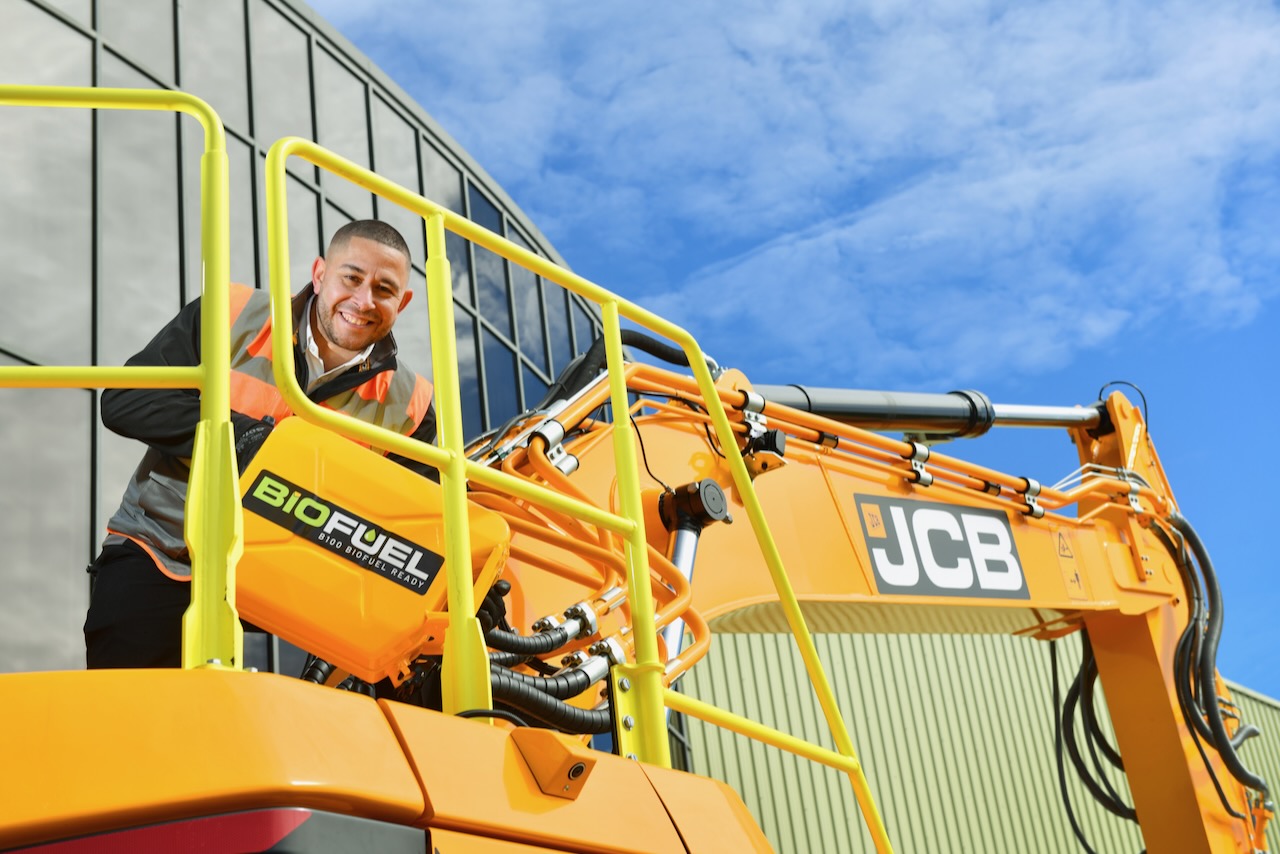
    JCB will from June 2026 offer selected tracked excavators – the 140X, 145XR, 150X, 220X and 245XR – factory‑specified to run on 100% FAME B100 biodiesel derived from recycled vegetable oils, supplied by Syntech Biofuel and compliant with BS EN 14214 and ISCC certification. Machines ordered with a B100 pack and dealer B100 enhanced service contract retain full JCB warranty, and can be converted back to conventional diesel before resale to protect residual values. JCB claims up to 93% greenhouse gas reduction versus standard diesel with no performance loss, giving contractors an immediate low‑carbon option for heavy earthworks plant.

    Related Industries & Products

    Mining

    Geotechnical software solutions for mining operations including CMRR analysis, hydrogeological testing, and data management.

    CMRR-io

    Streamline coal mine roof stability assessments with our cloud-based CMRR software featuring automated calculations, multi-scenario analysis, and collaborative workflows.

    HYDROGEO-io

    Comprehensive hydrogeological testing platform for managing, analysing, and reporting on packer tests, lugeon values, and hydraulic conductivity assessments.

    GEODB-io

    Centralised geotechnical data management solution for storing, accessing, and analysing all your site investigation and material testing data.