Humber hydrogen transport and storage network: ground risk notes for engineers
Reviewed by Tom Sullivan
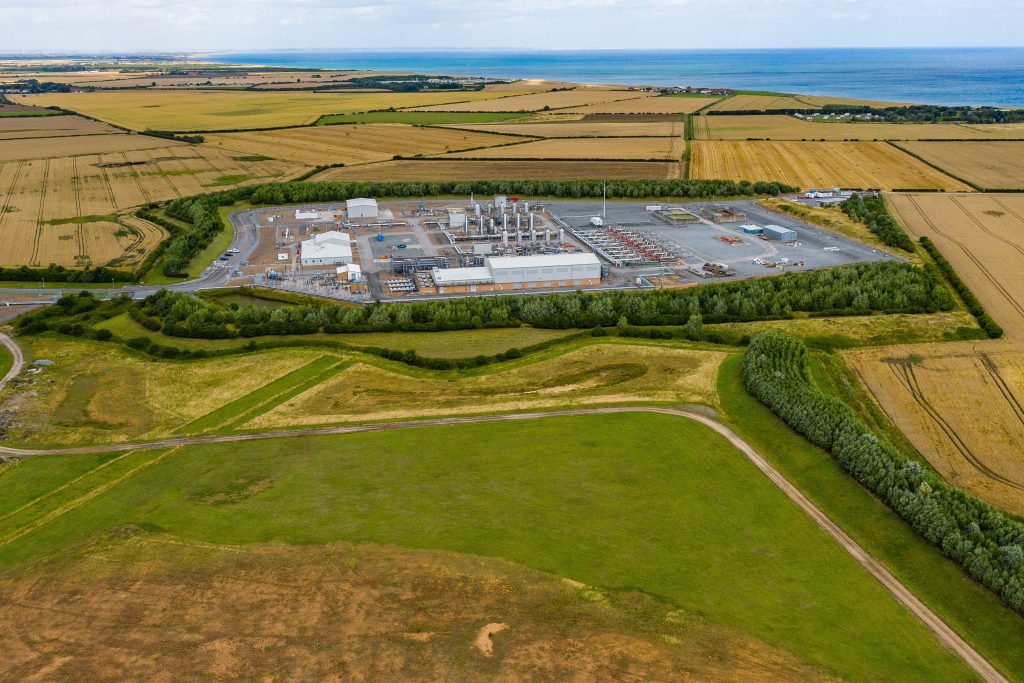
First reported on New Civil Engineer
30 Second Briefing
Four major energy firms have submitted a joint proposal for Britain’s first regional hydrogen transport and storage network centred on the Humber, targeting the north‑east coast as a national low‑carbon hydrogen hub. The scheme would require new high‑pressure hydrogen pipelines, compressor stations and large‑scale underground or above‑ground storage to connect industrial users, ports and potential power generation sites. For civil and geotechnical teams, the project signals upcoming demand for corridor routeing, ground risk assessments in estuarine soils, and materials selection for hydrogen‑compatible steels and coatings.
Technical Brief
- Joint bid structure implies shared CAPEX, common technical standards and integrated route safeguarding across operators’ assets.
- Network concept anticipates both transport and storage, so design must accommodate cyclic injection–withdrawal operations.
- Estuarine setting suggests soft alluvium and tidal flood defences as key constraints for trenching and crossings.
- Brownfield industrial land around the Humber will drive complex utility diversions and contamination management in corridors.
Our Take
Hydrogen infrastructure pieces are still a small subset of the 730 Infrastructure stories in our database, so a four-company regional network proposal on the Humber signals that hydrogen is moving from pilot-scale assets to multi-operator backbone systems in the UK.
The Humber and north-east coast already host dense conventional energy and industrial assets, so a dedicated hydrogen transport and storage network there is likely to be a test case for repurposing existing pipeline corridors and storage sites rather than relying solely on greenfield routes.
With 18 keyword-matched hydrogen items in our coverage, most focused on single production plants, this move towards a regional transport-and-storage grid suggests future UK projects may be assessed less on standalone plant economics and more on how they plug into shared midstream infrastructure.
Prepared by collating external sources, AI-assisted tools, and Geomechanics.io’s proprietary mining database, then reviewed for technical accuracy & edited by our geotechnical team.
Related Articles


Related Industries & Products
Mining
Geotechnical software solutions for mining operations including CMRR analysis, hydrogeological testing, and data management.
Construction
Quality control software for construction companies with material testing, batch tracking, and compliance management.
CMRR-io
Streamline coal mine roof stability assessments with our cloud-based CMRR software featuring automated calculations, multi-scenario analysis, and collaborative workflows.
HYDROGEO-io
Comprehensive hydrogeological testing platform for managing, analysing, and reporting on packer tests, lugeon values, and hydraulic conductivity assessments.
GEODB-io
Centralised geotechnical data management solution for storing, accessing, and analysing all your site investigation and material testing data.