HNTAS and 2027 heat network rules: data and assurance essentials for engineers
Reviewed by Joe Ashwell
First reported on New Civil Engineer
30 Second Briefing
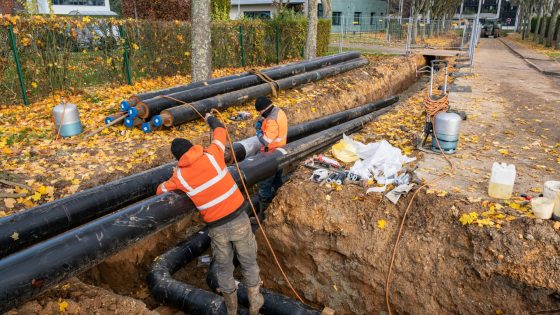
Regulation of heat network technical standards due in 2027 will introduce a formal assessment and certification scheme for UK district and communal heating systems, putting new emphasis on verifiable performance data. Operators will need robust, auditable datasets on flow and return temperatures, thermal losses, metering accuracy and outage durations to prove compliance against the Heat Network Technical Assurance Scheme (HNTAS). Designers and asset managers should expect tighter requirements on data architecture, sensor specification and long‑term monitoring to evidence efficiency, consumer protection and interoperability.
Technical Brief
- Similar assurance-style regimes could be extended to other shared utilities (e.g. cooling networks, private wire systems).
Our Take
With regulation of heat network technical standards not due until 2027, asset owners and local authorities effectively have a two‑to‑three‑year window to build robust data architectures that can satisfy both safety and sustainability assurance requirements rather than retrofitting systems later at higher cost.
Within our 165 Policy stories, only a subset explicitly combine Standard/Guideline, Safety and Sustainability tags, signalling that heat network data rules are likely to sit alongside other high‑scrutiny regimes (such as building safety) where demonstrable, auditable performance evidence becomes a prerequisite for financing and insurance.
New Civil Engineer’s role across initiatives like the TechFest Awards 2025 and the British Construction & Infrastructure Awards suggests that early adopters of rigorous heat network data and assurance frameworks may gain profile advantages in UK procurement and awards ecosystems once the 2027 standards bite.
Prepared by collating external sources, AI-assisted tools, and Geomechanics.io’s proprietary mining database, then reviewed for technical accuracy & edited by our geotechnical team.