Hancock’s McPhee Creek first ore: schedule and earthworks lessons for mine engineers
Reviewed by Tom Sullivan
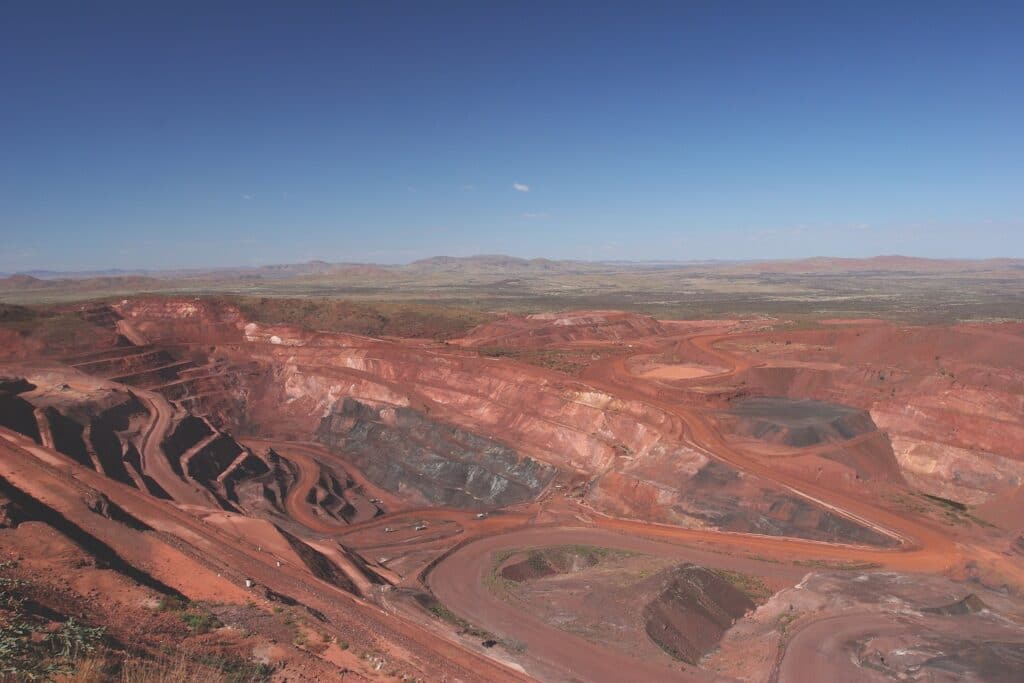
First reported on Australian Mining
30 Second Briefing
Hancock Iron Ore has produced first ore at its $840 million McPhee Creek iron ore mine in Western Australia’s Pilbara after 19 months of construction, moving the greenfield project from build to production in under two years. The operation adds a new standalone mine to Hancock’s Pilbara portfolio, signalling rapid delivery of mine earthworks, processing plant installation and supporting haul road and pit infrastructure on a tight schedule. Geotechnical and civil contractors will note the compressed programme for bulk earthworks, foundations and materials handling structures in a remote, high-temperature environment.
Technical Brief
- Capital investment totals $840 million for the greenfield McPhee Creek development in the Pilbara.
- Construction duration to first ore was 19 months from commencement of on-site works.
- McPhee Creek is operated by Hancock Iron Ore as a standalone addition to its Pilbara portfolio.
- Project location in Western Australia’s Pilbara implies high-temperature, remote construction and logistics constraints.
- Transition point marks handover from construction contractors to operations, affecting earthworks and civils demobilisation.
- Compressed delivery suggests parallel execution of mine earthworks, processing plant installation and haul road construction.
- Schedule performance provides a benchmark for similar greenfield iron ore mining developments in remote regions.
Our Take
A sub‑two‑year build for the McPhee Creek mine at an A$840 million scale positions Hancock Iron Ore at the faster end of Pilbara project delivery in our database, which is likely to appeal to offtakers needing near‑term replacement tonnes as older pits wind down.
Recent coverage of Hancock Iron Ore’s AI‑powered TrackDefectX deployment on its heavy‑haul rail network suggests that McPhee Creek’s logistics chain in Western Australia will probably be integrated into a progressively more automated, condition‑based maintenance regime rather than traditional manual inspection cycles.
The Boton–Hancock Iron Ore conveyor collaboration noted in our June 2026 item indicates that high‑wear belt materials proven on existing Pilbara operations are likely to be standardised into McPhee Creek, reducing early‑life materials handling downtime compared with greenfield projects that adopt untested conveyor specifications.
Prepared by collating external sources, AI-assisted tools, and Geomechanics.io’s proprietary mining database, then reviewed for technical accuracy & edited by our geotechnical team.
Related Articles
Related Industries & Products
Construction
Quality control software for construction companies with material testing, batch tracking, and compliance management.
Mining
Geotechnical software solutions for mining operations including CMRR analysis, hydrogeological testing, and data management.
CMRR-io
Streamline coal mine roof stability assessments with our cloud-based CMRR software featuring automated calculations, multi-scenario analysis, and collaborative workflows.
HYDROGEO-io
Comprehensive hydrogeological testing platform for managing, analysing, and reporting on packer tests, lugeon values, and hydraulic conductivity assessments.
GEODB-io
Centralised geotechnical data management solution for storing, accessing, and analysing all your site investigation and material testing data.