Geomechanics.io

  • Free Tools
Sign UpLog In

Geomechanics.io

Geomechanics, Streamlined.

© 2026 Geomechanics.io. All rights reserved.

Geomechanics.io

CMRR-ioGEODB-ioHYDROGEO-ioQCDB-ioFree Tools & CalculatorsBlogLatest Industry News

Industries

MiningConstructionTunnelling

Company

Terms of UsePrivacy PolicyLinkedIn
    Projects
    Product

    Epiroc COPROD 89 drilling tools: cost-per-metre gains explained for mine engineers

    December 18, 2025|

    Reviewed by Tom Sullivan

    Epiroc COPROD 89 drilling tools: cost-per-metre gains explained for mine engineers

    First reported on International Mining – News

    30 Second Briefing

    Epiroc has launched the COPROD 89 drilling system for surface mining and quarrying, claiming higher penetration rates and lower fuel burn through increased flushing capacity and optimised tool geometry. The 89 mm COPROD string is engineered for durability and precision drilling in hard rock, aiming to extend bit and rod life while maintaining straight holes over longer benches. For mine operators, the key promise is reduced cost per metre drilled and improved rig utilisation without major changes to existing surface drill fleets.

    Technical Brief

    • Increased flushing capacity is intended to improve cutings evacuation in deep, dry and fractured hole conditions.

    Our Take

    Epiroc features in a relatively small subset of the 371 Mining stories in our database, and those pieces are typically tied to productivity-focused products, signalling that the company is positioning its tooling as a lever for lowering unit drilling costs rather than chasing greenfield project exposure.

    Among the 740 tag-matched ‘Projects’ and ‘Product’ items, most drilling-tool coverage is linked to either automation or energy efficiency, so a COPROD 89 launch framed around ‘achieve more with less’ is likely aimed at operators trying to stretch existing fleets on brownfield benches rather than investing in entirely new rigs.

    Because this article is not anchored to a specific commodity or country, it aligns with other Epiroc tooling pieces in our coverage that are marketed as cross-commodity solutions, which can be attractive for contractors needing standardised consumables across mixed gold–base metal portfolios.

    Geotechnical Software for Modern Teams

    Centralise site data, logs, and lab results with GEODB-io, CMRR-io, and HYDROGEO-io.

    No credit card required.

    • Save and export unlimited calculations
    • Advanced data visualisation
    • Generate professional PDF reports
    • Cloud storage for all your projects

    Prepared by collating external sources, AI-assisted tools, and Geomechanics.io’s proprietary mining database, then reviewed for technical accuracy & edited by our geotechnical team.

    Related Articles
    Real-time ESG improvements in underground mining: design notes for engineers
    Mining
    about 1 hour ago

    Real-time ESG improvements in underground mining: design notes for engineers

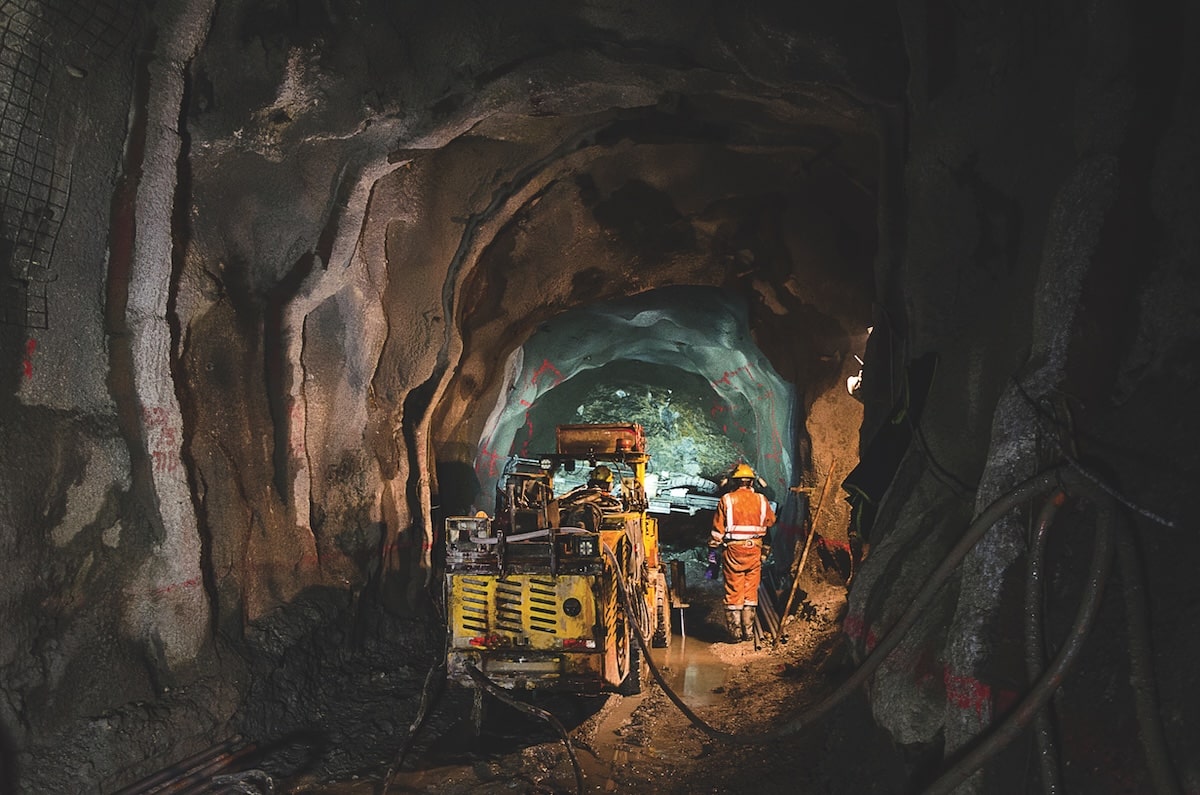
    ESG pressure in underground mining is pushing operators to prove real-time performance gains directly at the development face, where ventilation, ground control and water management risks are highest. The piece points to digital instrumentation at headings – such as continuous gas monitoring, geotechnical convergence sensors and real-time dust sampling – feeding live dashboards that link face conditions to ESG metrics. For engineers, this means designing headings, support patterns and services to accommodate dense sensor networks, data cabling or wireless nodes, and rapid-response controls rather than periodic inspections.

    SIMEX ART 1000 Gen II: surface rehabilitation gains for mine road engineers
    Mining
    about 1 hour ago

    SIMEX ART 1000 Gen II: surface rehabilitation gains for mine road engineers

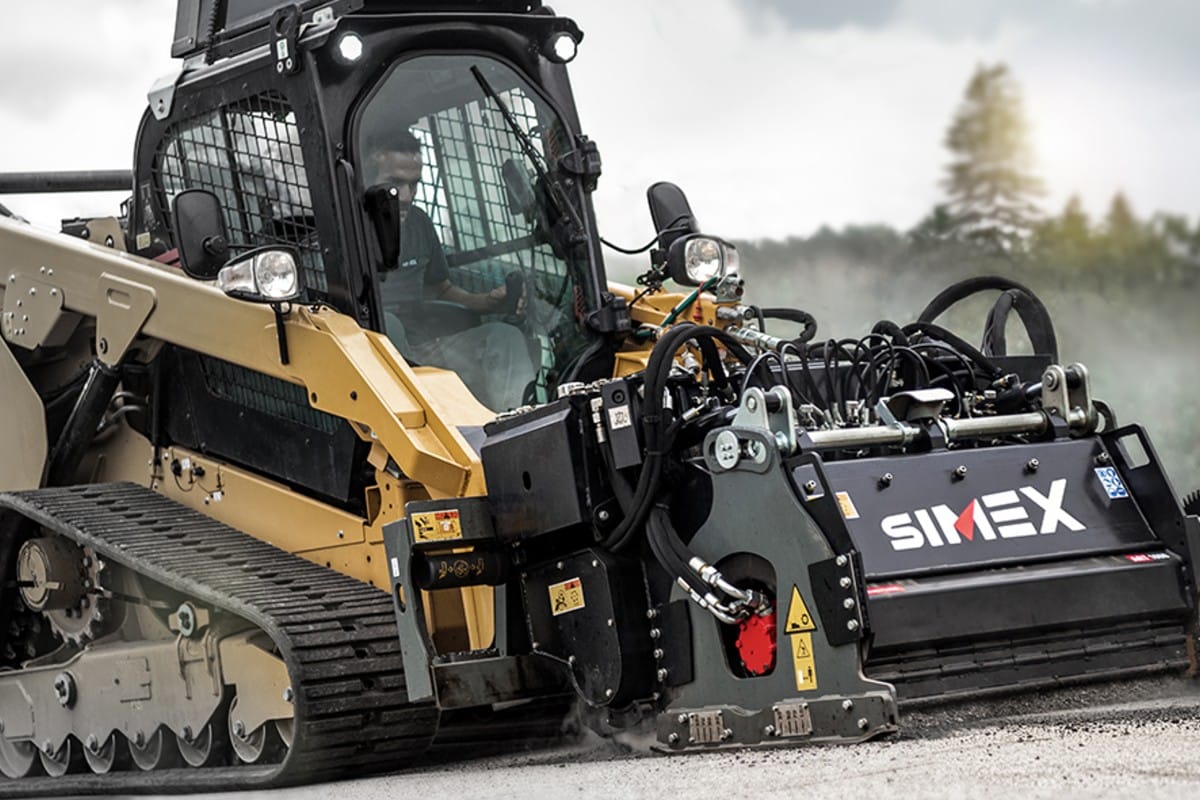
    SIMEX has launched the ART 1000 Gen II asphalt regeneration system and an updated TF Drum Cutter range, targeting road repair and surface conditioning in mines, quarries and underground works. The ART 1000 Gen II is designed to mill, heat and remix existing asphalt in situ, enabling patch repairs without full pavement removal, while the latest TF cutters offer higher torque and improved pick layouts for hard rock and reinforced concrete. For operators, the key gains are reduced haulage of spoil, fewer hot-mix deliveries and tighter control of surface geometry around plant and haul roads.

    Glencore Horne smelter emissions spend: design and risk notes for engineers
    Mining
    about 1 hour ago

    Glencore Horne smelter emissions spend: design and risk notes for engineers

    Glencore is restarting nearly US$300 million of emissions‑reduction projects at its Horne copper smelter in Rouyn‑Noranda after Quebec’s Bill 11 extended the deadline for cutting ambient air arsenic to 15 ng/m³ until 2029‑30 and maintained that limit to at least 2033. The company warns that almost US$1 billion in wider five‑year spending on the Horne–CCR chain still depends on federal backing via Ottawa’s C$5 billion Strategic Response Fund. Horne, Canada’s only copper smelter, processes about 210,000 tonnes per year of copper and precious metals from concentrates and e‑waste.

    Related Industries & Products

    Mining

    Geotechnical software solutions for mining operations including CMRR analysis, hydrogeological testing, and data management.

    CMRR-io

    Streamline coal mine roof stability assessments with our cloud-based CMRR software featuring automated calculations, multi-scenario analysis, and collaborative workflows.

    HYDROGEO-io

    Comprehensive hydrogeological testing platform for managing, analysing, and reporting on packer tests, lugeon values, and hydraulic conductivity assessments.

    GEODB-io

    Centralised geotechnical data management solution for storing, accessing, and analysing all your site investigation and material testing data.

    AllGeotechnicalMiningInfrastructureMaterialsHazardsEnvironmentalSoftwarePolicy