Elland station £70M first phase: access design and cost lens for project teams
Reviewed by Tom Sullivan
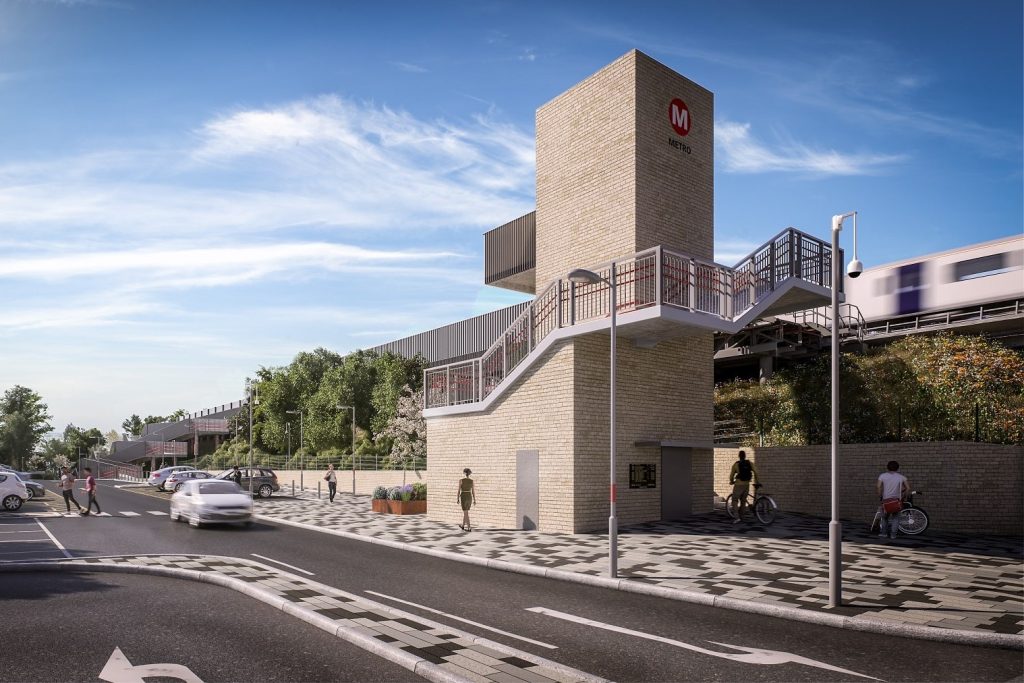
First reported on New Civil Engineer
30 Second Briefing
West Yorkshire Combined Authority is set to approve the first phase of a £70M scheme for a new Elland station on the Calder Valley line, despite costs having escalated sharply since initial estimates. The initial works focus on rail and active‑travel access, including upgraded walking and cycling links to the proposed station site to integrate with existing local highways and bus services. For designers and contractors, the decision locks in a higher cost envelope and signals that access infrastructure and multimodal connectivity will proceed ahead of full station construction.
Technical Brief
- Integration with existing local highways and bus services will drive junction layouts and pedestrian crossing design.
- Active‑travel elements imply segregated walking/cycling corridors, likely requiring new retaining structures and drainage interfaces.
- Early access works allow ground conditions, utilities and drainage constraints to be proven ahead of full station civils.
- Phased delivery mirrors other UK rail schemes where access, bridges and paths precede platforms and buildings.
Our Take
Within our 743 Infrastructure stories, West Yorkshire rail schemes are relatively sparse compared with work around major hubs like London and the West Midlands, so Elland’s station spend signals a notable push into secondary-town connectivity on the Calder Valley corridor.
A £70M first-phase outlay in Elland will likely tighten budget headroom for other regional upgrades in West Yorkshire, meaning smaller stations or active-travel links may be deferred or value-engineered to keep the wider programme deliverable.
For contractors tracking Contract Award-tagged work in the United Kingdom, a single-station project at this scale suggests Network Rail and local authorities are accepting higher per-site costs on constrained brownfield or operational rail environments, which may favour bidders with strong rail civils and staging expertise.
Prepared by collating external sources, AI-assisted tools, and Geomechanics.io’s proprietary mining database, then reviewed for technical accuracy & edited by our geotechnical team.


