Cigar Lake uranium mine restart: production guidance and planning notes for engineers
Reviewed by Tom Sullivan
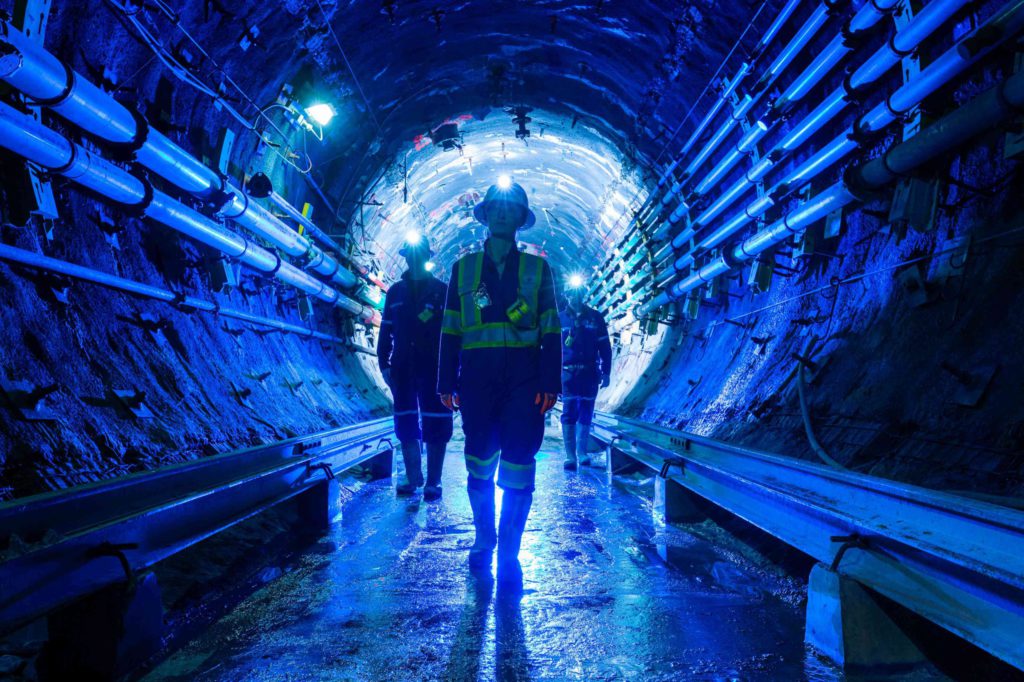
First reported on MINING.com
30 Second Briefing
Cameco has restarted production at its Cigar Lake uranium mine in northern Saskatchewan after a two‑week shutdown triggered by sulphuric acid plant problems at Orano’s McClean Lake mill, where all Cigar Lake ore is processed. The McClean Lake mill is back online and has begun treating stockpiled Cigar Lake ore, allowing mining operations to ramp up again without changes to logistics routes. Cameco maintains its 2026 production guidance for Cigar Lake at 17.5–18.0 million lb U₃O₈ (100% basis), signalling no revision to mine planning or mill throughput assumptions.
Technical Brief
- Mill shutdown required full plant repair before any recommissioning, indicating a conservative process safety stance.
- Cigar Lake maintained ore stockpiling during the outage, enabling controlled ramp-up without immediate high-intensity mining.
- Single‑mill dependency (all ore to McClean Lake) concentrates process risk, reinforcing the need for robust contingency planning.
- Cross‑operator coordination between Cameco and Orano was critical for synchronising mill repairs with mine restart timing.
- Event underlines the importance of sulphuric acid plant reliability for leach‑based uranium circuits and associated safety systems.
- Similar uranium operations reliant on third‑party mills may revisit off‑take, redundancy and shutdown‑response protocols after this incident.
Our Take
The earlier 1 July piece on the Cigar Lake suspension highlighted the vulnerability of Cameco’s northern Saskatchewan uranium supply chain to single-point failures at Orano’s McClean Lake mill, so this restart will be closely watched by utilities worried about delivery risk from that corridor.
With NTPC in India signalling in the 13 July uranium article that it may co-finance overseas mines to secure fuel, a stabilised 17.5–18 million lb U3O8 outlook at Cigar Lake strengthens Cameco’s position in negotiating long-term contracts with emerging nuclear buyers.
Our uranium-tagged coverage this year already links Cameco to climate and wildfire risk in Western Canada, suggesting that beyond this sulfuric acid plant issue, operators in northern Saskatchewan may need to factor more climate-resilience and regional infrastructure redundancy into mine–mill integration planning.
Prepared by collating external sources, AI-assisted tools, and Geomechanics.io’s proprietary mining database, then reviewed for technical accuracy & edited by our geotechnical team.
Related Articles


Related Industries & Products
Mining
Geotechnical software solutions for mining operations including CMRR analysis, hydrogeological testing, and data management.
Construction
Quality control software for construction companies with material testing, batch tracking, and compliance management.
CMRR-io
Streamline coal mine roof stability assessments with our cloud-based CMRR software featuring automated calculations, multi-scenario analysis, and collaborative workflows.
HYDROGEO-io
Comprehensive hydrogeological testing platform for managing, analysing, and reporting on packer tests, lugeon values, and hydraulic conductivity assessments.
GEODB-io
Centralised geotechnical data management solution for storing, accessing, and analysing all your site investigation and material testing data.